

Experience Grand Nature and Timeless History: 14 Must-Visit Places in Saga
Saga is home to plenty of attractions, including archaeological sites, hot springs, and scenic spots.
From the Yoshinogari Ruins and caves that let you feel the mysteries of nature to mineral-rich hot springs, there’s no shortage of things to see. Because the prefecture faces both the Genkai Sea and the Ariake Sea, it’s also known for abundant seafood—so local seafood cuisine is not to be missed.
Here, we’ve carefully selected must-visit sightseeing spots for first-time travelers to Saga Prefecture.
Use the information in this article to create a travel plan and make the most of your time in Saga.
What is Saga Like?
Saga Prefecture is located in northwestern Kyushu.
It’s nestled between the Genkai Sea to the north and the Ariake Sea to the south, and with plenty of mountains, it’s a region blessed with nature.
From Niji-no-Matsubara, a pine grove that arcs like a rainbow, to Nanatsugama, dramatic cliffs shaped over time by the rough waves of the Genkai Sea, Saga’s nature-born views are well worth seeing in person.
Another popular attraction is the Yoshinogari Ruins, a Yayoi-period site where you can get a sense of what Japan was like before the Common Era.
On top of that, Saga offers historic hot springs and world-renowned ceramics, making it a destination with lots to explore.
Another big draw is local cuisine made with ingredients nurtured by the region’s rich natural environment.
Fresh seafood, branded meats like Saga beef, and celebrated local sake from this rice-producing area are all worth trying when you visit.

When is the best season for sightseeing in Saga?
With both sea and mountains, Saga is a great place to enjoy beautiful natural scenery—spring and fall are especially recommended.
If you visit in spring, don’t miss famous spots where 2,000 cherry trees bloom in full force.
If you love hot springs, come in fall, when you can relax in an onsen while taking in the autumn foliage.
What to wear in Saga by season
Spring (March–May): A light jacket and a thin sweater
Summer (June–August): Lightweight clothing, short sleeves
Fall (September–November): A light jacket, a coat
Winter (December–February): A coat, a thick sweater or jacket
How do you get to Saga?
Saga has Saga Airport, so flying from Haneda Airport in Tokyo takes Approx. 1 hour 50 minutes.
There are also international flights, making it easy to access from overseas.
From Osaka, you can get there by Shinkansen in Approx. 3.5 hours.
Main ways to get around in Saga
The main ways to get around Saga are JR trains and buses.
When visiting sightseeing spots, make the most of JR and buses, and use taxis for places not served by either.
Can’t-Miss in Saga! 14 Carefully Selected Sightseeing Spots
Saga is full of highlights, from historic shrines and temples to beautiful scenic landscapes.
If you’re sightseeing in Saga, Niji-no-Matsubara, a nationally designated Place of Scenic Beauty, and Nanatsugama, a designated Natural Monument, are must-sees.
You’ll also want to visit Yoshinogari Historical Park, where you can experience what life in Japan was like before the Common Era.
For a slower pace, enjoy an onsen-hopping trip at Takeo Onsen or Ureshino Onsen, both known as some of Japan’s three famous hot springs for beautiful skin.
Here are our carefully selected picks among Saga’s many appealing places to visit.
1. Yoshinogari Historical Park
A Special Historic Site of Japan.
One of Japan’s largest Yayoi-period (5th century BCE–3rd century CE) archaeological sites, covering a total area of 117 hectares.
It was discovered through excavations that began in 1986.

2. Yutoku Inari Shrine
A shrine counted among Japan’s three major Inari shrines, along with Fushimi Inari (Kyoto) and Kasama Inari (Ibaraki).
It was founded in 1687, when Lady Manko of the Kasanoin family, wife of Lord Nabeshima Naotomo of the Hizen Kashima Domain, moved from Kyoto; she invited a divided spirit of Inari Okami, once enshrined at an imperial prayer site of the court, to establish the shrine.

3. Karatsu Castle
Built by Terazawa Hirotaka, the first lord of the Karatsu Domain and a retainer of Toyotomi Hideyoshi, and completed over seven years starting in 1602.
It’s said that various Kyushu lords assisted in the construction, and that dismantled materials from Nagoya Castle (Karatsu City) were also used.
With the castle as its focal point, the pine grove stretching east to west resembles a crane spreading its wings, giving it the nickname Maizuru Castle (Dancing Crane Castle).

4. Mifuneyama Rakuen
A garden built in 1845 by Nabeshima Shigeyoshi, the 28th lord of Takeo of the Nabeshima clan, over three years, using the cliff faces of Mount Mifune—Takeo’s symbol—as borrowed scenery.
It’s a stroll-style pond garden with a large pond, boasting a vast area of approx. 150,000 tsubo—about 10 Tokyo Domes.

5. Niji-no-Matsubara (Rainbow Pine Grove)
A pine grove stretching along Karatsu Bay in an arc like a rainbow, designated as a Special Place of Scenic Beauty by the national government.
It began in the early 17th century, when Terazawa Hirotaka, the first lord of the Karatsu Domain, planted it as a windbreak and tide-protection forest. It spans Approx. 4.5 km in length and Approx. 500 m in width, with about one million Japanese black pines.
Today, it’s counted as one of Japan’s three great pine groves, along with Miho-no-Matsubara and Kehi-no-Matsubara.

6. Takeo Onsen
A historic hot spring town with a 1,300-year legacy, mentioned in the “Hizen no Kuni Fudoki,” compiled in the Nara period.
Legend says it originated when Empress Jingu struck the ground with the handle of her spear to bring forth the hot spring as she returned from an expedition to Korea.

7. Nanatsugama
Nanatsugama is designated as a Natural Monument of Japan.
This scenic spot was formed when basalt jutting into the sea was eroded over many years by the rough waves of the Genkai Sea.
The cliffs are deeply hollowed out, and as the name suggests, seven caves line up side by side.
The largest cave opening is 3 meters wide and 110 meters deep, where you can see columnar joints—rock surfaces that form orderly, pillar-like patterns as lava cools and solidifies.

8. Hoto Shrine
A shrine on Takashima, a small island floating in Karatsu Bay.
It was built to enshrine Nozaki Oki no Kami Tsunayoshi, who repelled pirates and protected the island about 450 years ago.
In the Heisei era, more people began visiting to pray for good fortune, inspired by the shrine’s auspicious name. After visitors reportedly won big lottery prizes, it became known nationwide as a shrine where you can win the lottery.

9. Takeo City Library & Historical Museum
A new-style library with an on-site Tsutaya Books where you can buy books, magazines, and lifestyle goods, plus a cafe.
With a spacious interior filled with the warmth of wood, it’s especially striking for its impressive layout of books lined up all the way to the second-floor ceiling.

10. Ouo Shrine’s Torii Gates in the Sea
Tara Town faces the Ariake Sea, known for its large tidal range.
The “Ouo Shrine’s torii gates in the sea,” where three torii appear to line up in the water at high tide, has been drawing attention in recent years for its dreamlike atmosphere, especially on social media.

11. Hado Misaki Cape
A small cape jutting out from the Higashimatsuura Peninsula, known as a spot where you can take in panoramic views of the Genkai Sea while feeling the sea breeze on a grassy lawn.
Located within the Genkai Quasi-National Park, it offers plenty of ways to enjoy the outdoors, including hiking, camping, and swimming.

12. Ureshino Onsen
A hot spring town described in the “Hizen Fudoki” as having “a hot spring in the eastern area that can heal people’s illnesses.”
It flourished as a post town on the Nagasaki Kaido road during the Edo period, and today it’s counted as one of Japan’s three famous hot springs for beautiful skin, alongside Hinoue Onsen in Shimane Prefecture and Kitsuregawa Onsen in Tochigi Prefecture.
Its bicarbonate-rich waters, which contain a lot of sodium and have a smooth, slightly slippery feel, are said to emulsify and wash away sebum and secretions, leaving your skin noticeably smooth.

13. Hamanoura Rice Terraces
Hamanoura Rice Terraces spread across an erosional valley formed by the Hamanoura River, which runs for Approx. 2 km into the Hamanoura Coast.
Along the natural curves of the landscape, 283 terraced rice fields overlap in layers, and the area is also known as “Senmaida” or “stepped fields.”
Like stairs rising up from the sea, the terraces show different expressions by season—rape blossoms in spring, red spider lilies in fall, and snowy scenery in winter.

14. Saga Prefectural Space & Science Museum “Yumeginga”
A museum packed with content designed to spark curiosity and deepen interest in cutting-edge space science and technology.
The “Earth Discovery Zone” features exhibits that make full use of digital technology, along with hands-on programs where you can learn about science and the mysteries of Earth.

Shop Here! 3 Popular Shopping Spots in Saga
If you want to enjoy shopping in Saga, the popular shopping spots below come highly recommended.
From places where you can enjoy a shopping experience that feels uniquely “Saga” to an outlet where you can score great deals, each offers a completely different way to have fun—so be sure to visit both.
1. Yobuko Morning Market
Yobuko has long been known as one of Japan’s leading port towns, once thriving through whaling and more.
Yobuko Morning Market, which has continued since the Taisho era, has over 100 years of history and is counted as one of Japan’s three major morning markets, alongside Wajima in Ishikawa and Takayama in Gifu.
On a roughly 200-meter street near Yobuko Port, the sight of nearly 50 stalls lined up from 7:30 am to 12:00 pm is truly impressive.

2. Tosu Premium Outlets
A major outlet mall representing Kyushu, with around 170 popular domestic and international brands.
Designed to evoke the streetscapes of Southern California, the open-air facility offers a relaxed vibe where you can shop while enjoying a resort-like atmosphere.
With a nursing room and a playground park for kids, it’s also a comfortable choice for families.

3. Kouraku Kiln
Arita ware is a traditional craft from Arita Town in Saga Prefecture with a history of Approx. 400 years. This porcelain is known for its beautiful, vividly colored designs painted on a translucent white base.
There are many Arita ware kilns, but Kouraku Kiln—founded 150 years ago—is a long-established large kiln that not only preserves tradition, but also creates updated, modern pieces suitable for everyday use.

3 Recommended Places to Stay in Saga
Here are three hotels we recommend for travelers who want to fully enjoy sightseeing in Saga.
We’ve carefully selected three different types to suit a variety of preferences, trip purposes, and travel companions.
All are popular properties highly rated by guests, offering attentive hospitality, large public baths to soothe travel fatigue, and other solid services for a comfortable stay.
If you haven’t decided where to stay yet, consider booking one of these hotels.
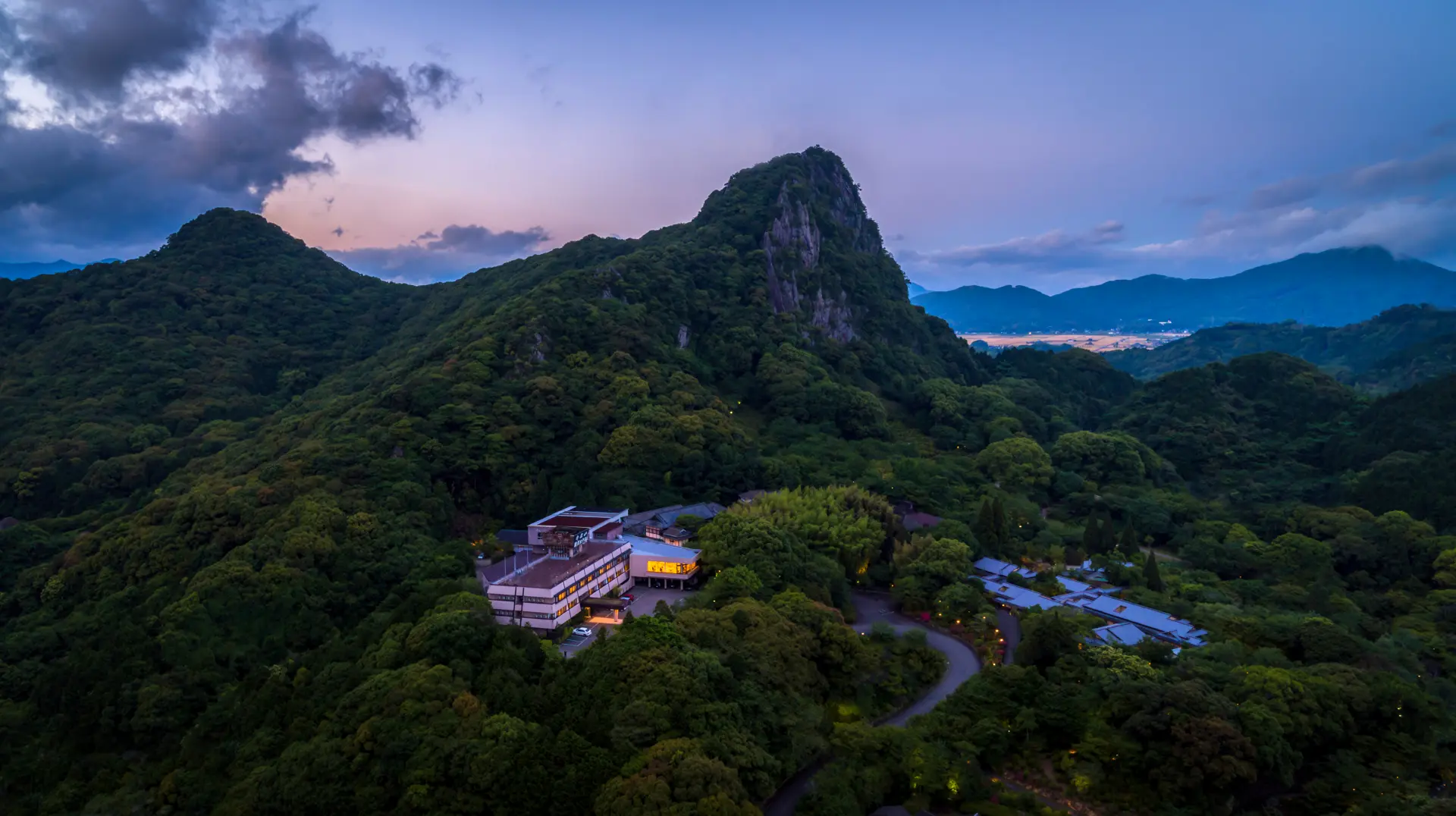
1. Mifuneyama Rakuen Hotel
A hotel located within Mifuneyama Rakuen, a strolling garden created by Nabeshima Shigeyoshi, lord of Takeo, in the late Edo period.
With the cliffs of Mount Mifune as a backdrop, you can enjoy magnificent seasonal views—from flowers and autumn leaves to snowy scenery—from guest rooms, the large public bath, and more.
In addition to its classic rooms, part of the main building has been renovated.
It offers sauna-equipped rooms with distinctive Scandinavian design, as well as stylish rooms stripped of excess so you can better enjoy the nature outside the windows.
2. Karatsu Seaside Hotel
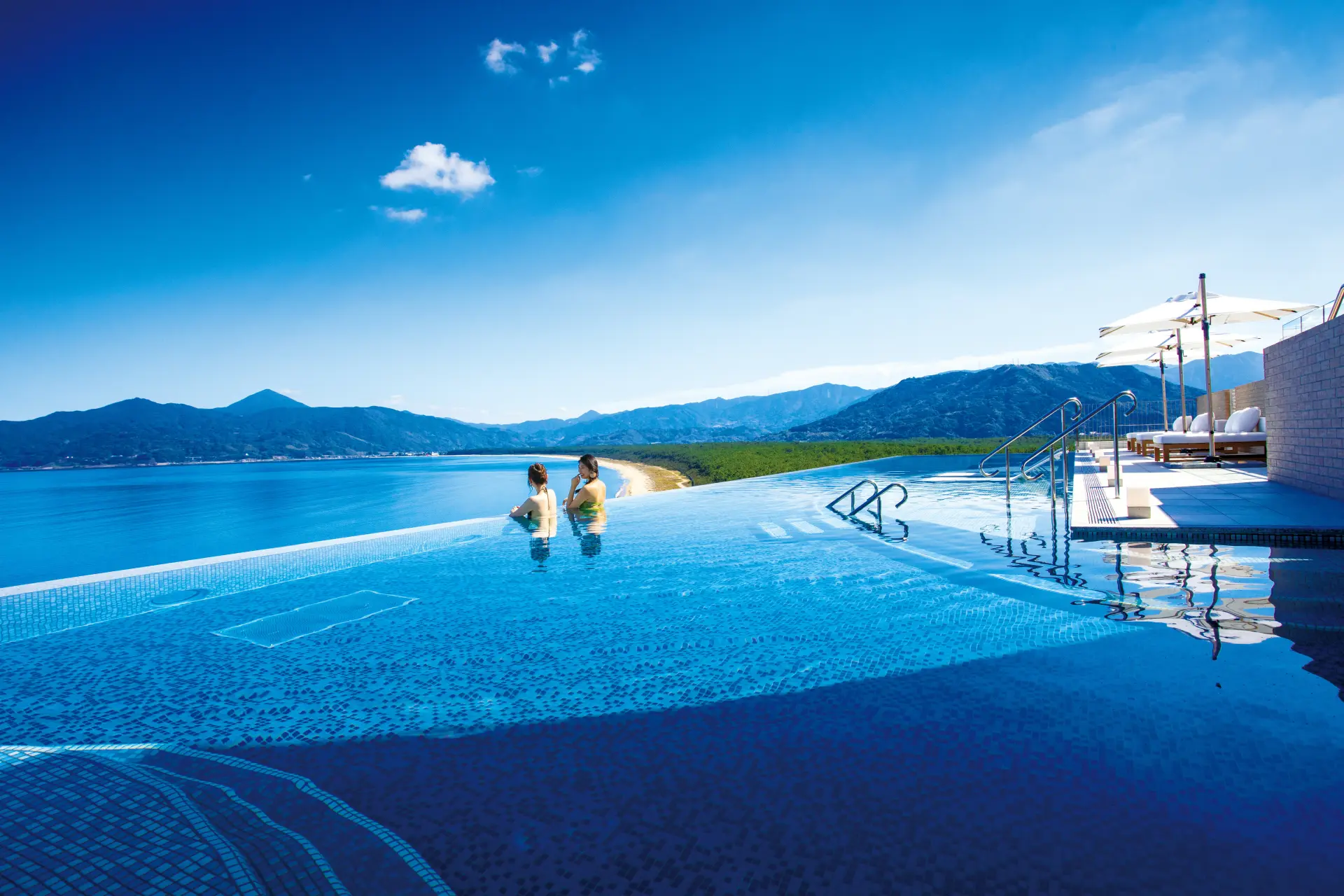
A resort hotel prized for its views, with the vast Karatsu Bay spread out right in front of you.
It has many fans thanks to its location next to Niji-no-Matsubara—one of Japan’s three great pine groves—where you can feel both the sea and greenery.
It also boasts a wide selection of rooms, with 139 Western-style rooms and Japanese-Western rooms overlooking the Genkai Sea.
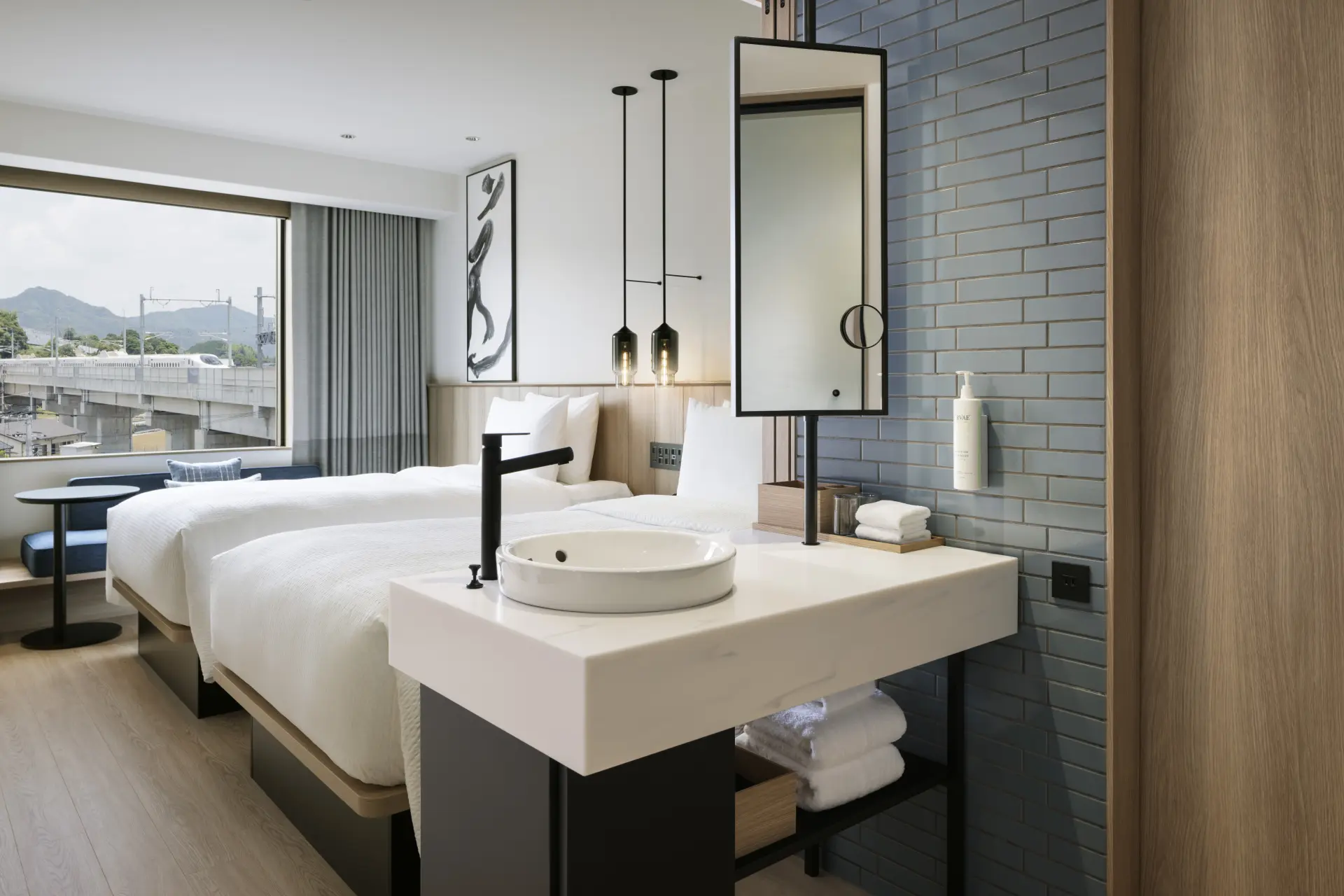
3. Fairfield by Marriott Saga Ureshino Onsen
The “Fairfield by Marriott Roadside Station Project” proposes a new travel style that helps you enjoy the charm of each region more deeply.
The brand operates hotels next to roadside stations in 14 prefectures across Japan, and Fairfield by Marriott Saga Ureshino Onsen, located next to Michi-no-Eki Ureshino Maruku, is one of them.
3 Popular Saga Events You Should Join If the Timing Works
Many events are held in Saga throughout the year, and here we’ve selected some of the most popular ones.
These events range from opportunities to experience culture unique to Saga to one of Asia’s largest balloon festivals—each with its own distinct appeal. If your travel dates line up, be sure to join in.
1. Arita Ceramic Fair
A regular event held during Golden Week in the home of Arita ware, a pottery tradition with over 400 years of history.
It began in 1896, when local pottery shops started “warehouse clearance sales” of surplus and imperfect items.
It became established as an event to energize Arita, and in 2024 it marks its 120th edition.

2. Saga International Balloon Fiesta
A sky-sports event held on the riverbanks of the Kase River in central-eastern Saga Prefecture, taking place over five days each fall.
More than 120 teams typically participate, drawing well-known pilots and crews from around the world. It’s one of the largest events of its kind in Asia, attracting over 800,000 visitors in total.
At the venue, you’ll find sales booths for local food and specialty products, plus concerts by musicians—so there’s plenty to enjoy beyond the balloons.

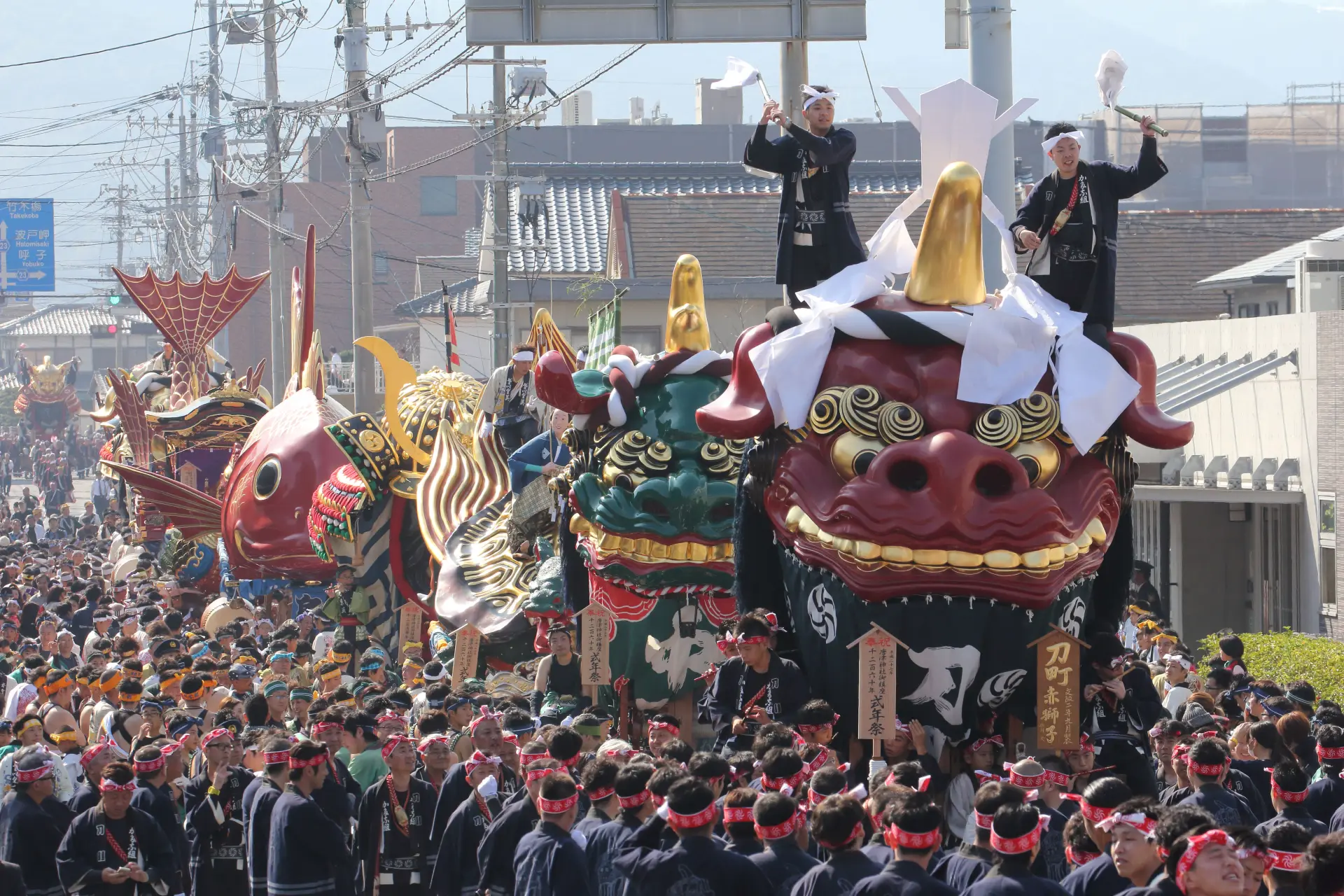
3. Karatsu Kunchi
Karatsu Shrine’s autumn grand festival, held over three days: Yoiyama on November 2, Otabisho Shinko on the 3rd, and the following-day festival on the 4th.
This historic festival is said to have begun in the Edo period, and it has been registered as a UNESCO Intangible Cultural Heritage and a nationally designated Intangible Folk Cultural Property as the “Karatsu Kunchi Hikiyama Float Event.”
Summary
We’ve introduced sightseeing spots in Saga where you can enjoy historic shrines and temples, as well as beautiful natural scenery.
If you don’t know much about Saga or you’re visiting for the first time, build your itinerary around the places featured in this article.
After enjoying Saga, consider taking the Shinkansen to Nagasaki Prefecture, just 1.5 hours away.
Why not also explore Nagasaki’s World Heritage sites and its charming streetscape with an international feel?