

A Travel Guide to Shuri Castle, a World Heritage Site Where You Can Feel the History and Culture of the Ryukyu Kingdom
Shuri Castle, Okinawa’s symbol, is a UNESCO World Cultural Heritage Site.
It’s also a popular attraction—so much so that it’s often included in any Okinawa sightseeing plan.
It’s fun just to admire the beautiful buildings, but by understanding the historical background, you’ll be able to enjoy Shuri Castle even more.
In this article, we’ll share the information and highlights you’ll want to know to fully enjoy Shuri Castle, as well as nearby sightseeing spots where the history and culture of the Ryukyu Kingdom remain.
Take in the history and atmosphere of the Ryukyu Kingdom to your heart’s content.
What is Shuri Castle Like?
Shuri Castle is located in Naha, Okinawa.
Part of Okinawa Commemorative National Government Park is Shurijo Castle Park, where historically valuable structures—including the Shuri Castle Main Hall—are scattered throughout.
It’s one of Okinawa’s most iconic attractions and is also designated as a World Heritage Site.
Symbolizing Okinawa’s history and culture, Shuri Castle was the political, diplomatic, and cultural center of the Ryukyu Kingdom.
The Ryukyu Kingdom existed for 450 years from 1429 to 1879, and until it became “Okinawa Prefecture” in the spring of 1879, it was a country different from Japan.
Because it actively traded not only with Japan but also with China and Southeast Asia, Ryukyu developed a unique culture of its own.
That distinctive culture is reflected in the Shuri Castle Main Hall, known for its vivid vermilion walls and tiled roof—a brilliant fusion of Chinese and Japanese castle-building traditions.
Although the Shuri Castle Main Hall has been lost and rebuilt many times, part of it still remains and is registered as a UNESCO World Cultural Heritage Site as the Shuri Castle Main Hall Ruins.
On October 31, 2019, a fire damaged the Shuri Castle Main Hall again, and seven other buildings were also damaged.
Restoration and rebuilding work is underway with support funds gathered from Japan and abroad, aiming for reconstruction in 2026.


Access to Shuri Castle
Shuri Castle is in central Okinawa, in Naha, so it’s easy to access.
From Naha Airport, take the Yui Rail (monorail) and get off at Shuri Station.
From there, it’s an Approx. 15-minute walk to Shureimon Gate, the entrance to Shuri Castle.
Including the monorail ride, you can reach it from Naha Airport in Approx. 45 minutes.
Shuri Castle Admission and Hours
Please refer to the table below for Shuri Castle’s Hours and Admission.
Admission
Shuri Castle has not only a paid area but also a free area that you can tour without paying admission.
Admission tickets can also be purchased at Naha Airport.
Naha Airport has an information counter with support in English, Chinese, and Korean, so make good use of it.
- Adults
- 400 yen
- Students (High school)
- 300 yen
- Children (Elementary and junior high school)
- 160 yen
- Under 6
- Free
Hours
The opening hours vary depending on the season and area, so be sure to check in advance.
| - | Apr–Jun / Oct–Nov | Jul–Sep | Dec–Mar |
|---|---|---|---|
| Free area | 8:00am–7:30pm | 8:00am–8:30pm | 8:00am–6:30pm |
| Paid area | 8:30am–7:00pm(Last admission at 6:30pm) | 8:30am–8:00pm(Last admission at 7:30pm) | 8:30am–6:00pm(Last admission at 5:30pm) |
Shuri Castle Aiming for Restoration After the Fire Damage
The 2019 fire damaged eight buildings, including the Shuri Castle Main Hall.
Restoration and rebuilding work is underway with the goal of reconstruction in 2026, and the site and process are open to the public.
You can see a storage facility for materials needed for reconstruction, view the “Dai Ryu Chu” (Great Dragon Pillar) during repair work, and check explanatory panels that show remnants left after the fire and construction progress-so you can see the restoration in various ways.
Although the fully restored structure cannot yet be seen as of 2023, visitors have the rare opportunity to observe the restoration work in progress-a unique sight that can only be experienced now.
See Beautiful Architecture for Free! 5 Highlights of Shuri Castle (Free Area)
From here, we’ll introduce highlights in both the free area and the paid area of Shuri Castle.
Even the free area has plenty to see, and you may not know where to start.
If that happens, try visiting the five highlights below first.
1. Shureimon Gate, the Beautiful Gate That Welcomes Visitors
One of Shuri Castle’s symbols, Shureimon Gate is the first gate you pass through on your way to the Shuri Castle Main Hall.
Because it’s built in a Chinese-style architectural form called a paifang, you can feel the influence of Chinese culture.
At the top of Shureimon Gate is a long, horizontal plaque called a “gaku,” with the words “Shurei no Kuni” written on it.
This means “Ryukyu is a country that values courtesy.”

2. Sonohyan-utaki Ishimon, a Worship Site Where the King Prayed for Safe Travels
Sonohyan-utaki Ishimon is located between Shureimon Gate and Kankaimon Gate at Shuri Castle.
It’s not a gate you pass through as an entrance or exit, but a worship site where the king prayed for safe travels when going on pilgrimages around the islands.
It’s a representative Ryukyuan stone structure, and beyond it lies a sacred forest called an “utaki,” where deities are enshrined.
It was designated a National Treasure in 1933, but was partially destroyed during the war fought on Okinawa’s main island.
It was restored in 1957 and designated as an Important Cultural Property of Japan. It was also registered as a World Heritage Site.

3. Kankaimon Gate, Where You Can Also See Shisa Guardians
Shuri Castle is surrounded by two layers—the outer bailey (outer castle walls) and the inner bailey (inner castle walls)—and Kankaimon Gate is the first gate of the outer bailey.
It was named with the meaning of “welcoming” the envoys of the Chinese emperor who were invited to Shuri Castle.
On both sides of Kankaimon Gate, a pair of stone lion statues called “shisa” are placed as talismans to ward off evil.

4. Zuisenmon Gate, Where You Can Feel Ryukyu Kingdom Culture
Zuisenmon Gate is the second gate you pass through after Kankaimon Gate.
It was named “Zuisen,” meaning “a fine, auspicious spring,” after the spring water called Ryūhi located in front of the gate.
A yaguramon gate, where a turret sits atop a stone gate, can also be seen at Japanese castle gates, but the influence of Chinese culture appears in the long horizontal plaque on the turret reading “Zuisen,” letting you feel the culture of the Ryukyu Kingdom.
Until Kankaimon Gate and Kyūkeimon Gate were built, Zuisenmon Gate was the main gate of Shuri Castle.
As with Kankaimon Gate, a pair of shisa guard the gate on both sides.

5. Suimuikan, Where You Can Also Learn About Shuri Castle’s History
Suimuikan is Shuri Castle’s information center.
It’s a facility for informational exhibits and taking a break, with general guidance, as well as a restaurant, cafe, and shop.
There are also exhibits where you can learn about Ryukyuan history and culture, so we recommend stopping by before passing through Shureimon Gate.
At Restaurant Shuri Mori, you can also enjoy Okinawan local dishes and gourmet items made with “dynasty miso” once used by the Ryukyu royal family.

Feel Ryukyu History and Culture! 3 Highlights of Shuri Castle (Paid Area)
The free area alone is plenty enjoyable, but the paid area also has many highlights.
Here are three must-see spots, including the UNESCO-listed Shuri Castle Main Hall Ruins.
1. The UNESCO World Cultural Heritage Site That Preserves Shuri Castle’s History: Shuri Castle Main Hall Ruins
The Shuri Castle Seiden (Main Hall) was the most important building in Shuri Castle and the largest wooden structure in the Ryukyu Kingdom, featuring a spacious courtyard used for ceremonies.
Having been destroyed and rebuilt multiple times due to fires and war, the hall was again damaged in a fire in 2019. As of 2023, visitors are unable to see the Seiden in its fully restored and beautiful form.
However, the Shuri Castle Seiden Ruins, which are registered as part of a UNESCO World Heritage Site, still remain. The main hall is currently undergoing restoration and is expected to reopen to the public in 2026.
The Shuri Castle Seiden Ruins refer to parts of earlier versions of the main hall that were excavated near the reconstructed Seiden. These remains reveal that the main hall was rebuilt many times throughout history.
Designated as a nationally recognized historic site, the ruins hold significant historical value.

2. Hōshinmon Gate, the Last Gate Before Entering the Main Hall
Hōshinmon Gate is the last gate before entering the “Unaa,” where the Shuri Castle Main Hall stands.
Of the three openings, the central gate could only be used by high-ranking people such as the king.
Other officials entered the castle through the gates on both sides.
In 1754, it was renovated following the Chinese system. It was removed around the end of the Meiji period, but its exterior was restored in 1992.
Today, it serves as the ticket gate for the paid area.
Don’t miss the “Uke-jō” gate-opening ceremony held 5 minutes before opening.
Staff dressed in the attire of officials from the Ryukyu Kingdom era strike a gong and, at the moment they call out “Uke-jō,” Hōshinmon Gate opens.
It feels like stepping back into the Ryukyu era, so be sure to join if you can.

3. Higashi no Azana, with Panoramic Views of Naha City
An “azana” is a lookout platform created to see into the distance.
Along with Rōkokumon Gate and Nishi no Azana, it also served the role of announcing the time within the castle.
From Higashi no Azana, located at an elevation of 140 m, you can look out over the town outside the castle and the area behind the main hall inside the grounds.
On clear days, you can see as far as the Chinen Peninsula and Kudaka Island.
Feel the pleasant breeze that blows through Shuri Castle, and take your time enjoying the views of the area around Shuri Castle and downtown Naha.

3 Sightseeing Spots Near Shuri Castle
After enjoying Shuri Castle, be sure to explore nearby spots that preserve the culture and history of the Ryukyu Kingdom.
There’s plenty to see beyond the castle itself, including royal tombs and villas.
Here are three sightseeing spots you’ll want to visit along with Shuri Castle.
1. Tamaudun
A mausoleum built in 1501 during the reign of King Shō Shin, known as the golden age of the Ryukyu Kingdom.
It’s a massive stone structure said to be modeled after Shuri Castle, and it features three east-west chambers where the remains are interred.
Remains from its original 1501 construction still remain intact, including the Tamaudun Inscription Stele bearing the names of the royal family members laid to rest in Tamaudun.

2. Shuri Kinjo-cho Stone-Paved Road
The Shuri Kinjo-cho Stone-Paved Road is part of Pearl Road, one of the roads developed in the 16th century during the Ryukyu Kingdom to connect Shuri Castle with regions across the islands.
It’s a slope in the quiet residential neighborhood of Shuri Kinjo-cho, about 500 m from Shuri Castle.
Along an average width of Approx. 4 m, a stone-paved path made of 20–30 cm Ryukyu limestone continues for Approx. 300 m.

3. Shikinaen Garden
The largest villa of the Ryukyu royal family, completed in 1799 during the reign of King Shō On, the 15th king of the Second Shō dynasty. It was used for royal recreation and to entertain investiture envoys (sappōshi) sent by the Chinese emperor.
In 1941, it was designated a Place of Scenic Beauty by the nation, but it suffered catastrophic damage in the Battle of Okinawa at the end of World War II.
After postwar reconstruction, it was redesignated a Place of Scenic Beauty in 1976, and in 2000 it was designated a Special Place of Scenic Beauty.
Also in 2000, it was registered as a UNESCO World Cultural Heritage Site as a component property of the “Gusuku Sites and Related Properties of the Kingdom of Ryukyu.”

3 Popular Restaurants Near Shuri Castle
After sightseeing at Shuri Castle, a World Heritage Site that carries on Okinawa’s history and culture, enjoy local dishes nearby to experience Okinawa’s food culture.
You’ll find great options, from traditional Ryukyuan cuisine to creative dishes made with local ingredients—perfect for tasting Okinawa soul food between sightseeing stops.
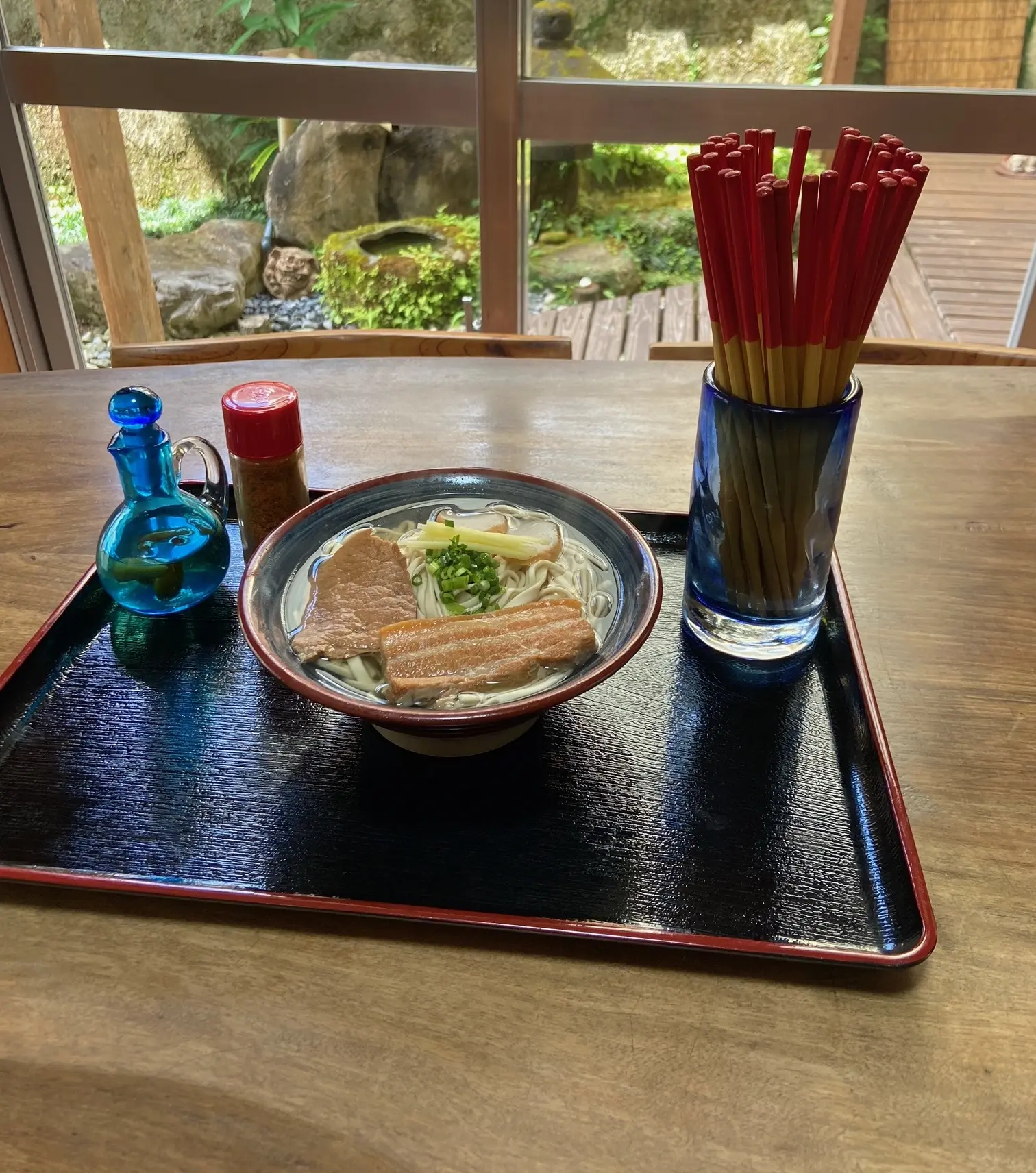
1. Shuri Soba
A famous Okinawa soba spot popular with locals, located in a residential neighborhood a short walk from Shuri Castle, with lines forming even before opening.
The menu is very simple: besides the main Shuri soba, there are simmered dishes, onigiri, jūshī, and shaved ice zenzai.
Shuri soba comes in three sizes (large, medium, small) and features flat, hand-cut noodles with a firm chew and satisfying bite.
2. Jiman-ya Naha
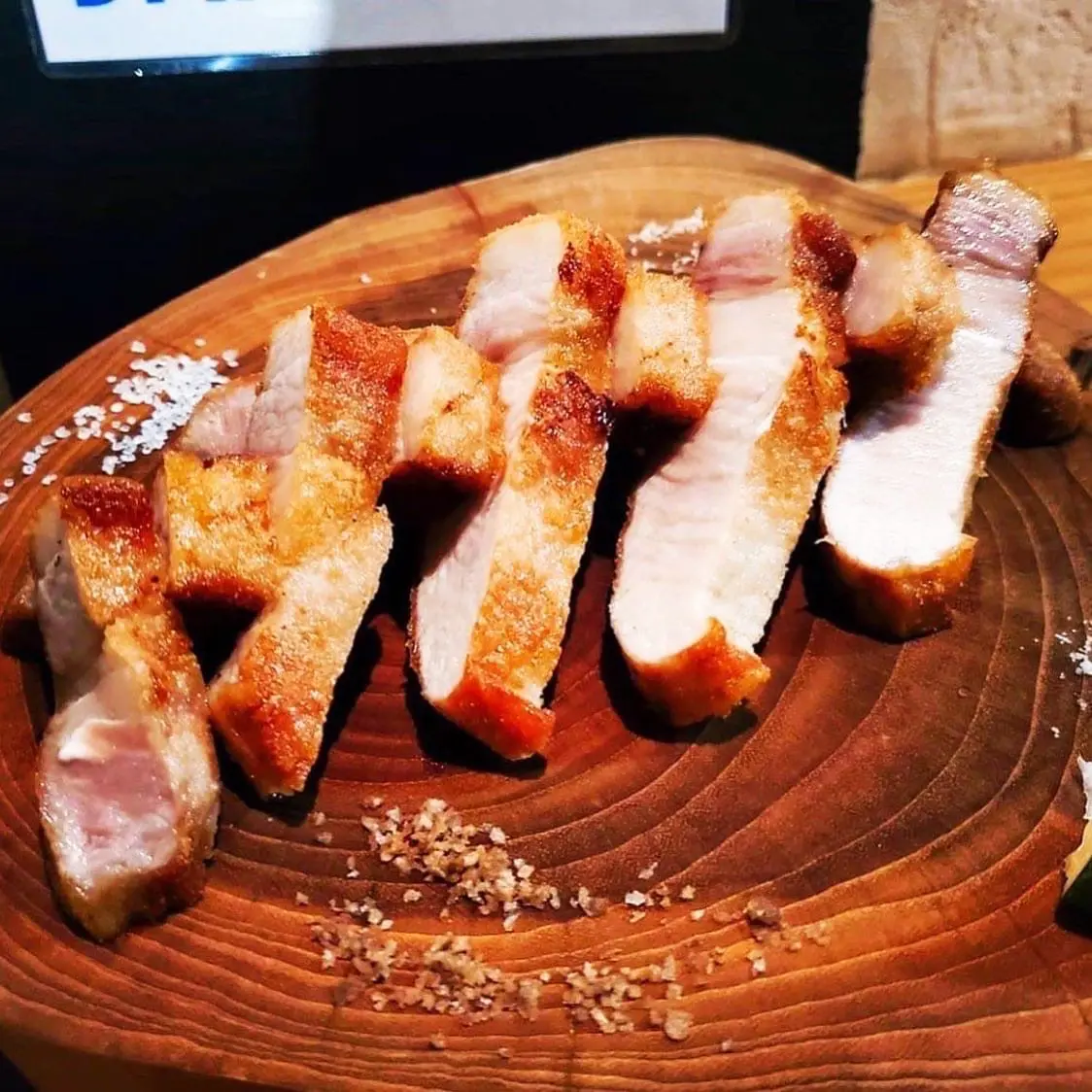
A charming traditional house dining spot renovated from a 50-year-old home.
Along with dishes that generously use Okinawa’s branded pork “Pineapple Pork Jun,” raised on pineapple, the menu also includes Okinawa classics like goya champuru, fu champuru, shima rakkyo, and tofu yo.
3. Po-tama Makishi Public Market
A specialty shop for “Po-tama,” a local Okinawa favorite you should try when you visit.
“Po-tama” refers to “pork tamago onigiri,” a rice ball sandwich filled with pork luncheon meat and a rolled omelet.
Loved by Okinawans as a soul food, it traces back to home cooking that’s easy to eat even on busy mornings.
It’s hearty and seriously satisfying.

Recommended as a Base for Visiting Shuri Castle! 3 Popular Places to Stay in Central Naha
A convenient base for visiting Shuri Castle is central Naha, where transportation and dining options are plentiful.
It’s also easy to get to from the castle grounds, and you can enjoy walking around town and eating between sightseeing stops.
Here are three carefully selected places to stay in central Naha for different travel styles.
1. Hotel Gracery Naha
Kokusai-dori is Naha’s main street, lively both day and night in the heart of Okinawa Prefecture.
Hotel Gracery Naha is located along Kokusai-dori and is a convenient base for sightseeing, just 15 minutes by car from Naha Airport.
All rooms feature separate bathrooms, with a focus on comfort.

2. Okinawa Daiichi Hotel
Okinawa Daiichi Hotel, a long-established hotel founded in 1955, reopened after relocating to Ichigin-dori near Kokusai-dori in 2011.
Surrounded by Ryukyu-style stone walls and antique furnishings, it offers just five rooms in total, including twin, single, and Japanese-style rooms.
Though small, it has earned many repeat guests with attentive service.

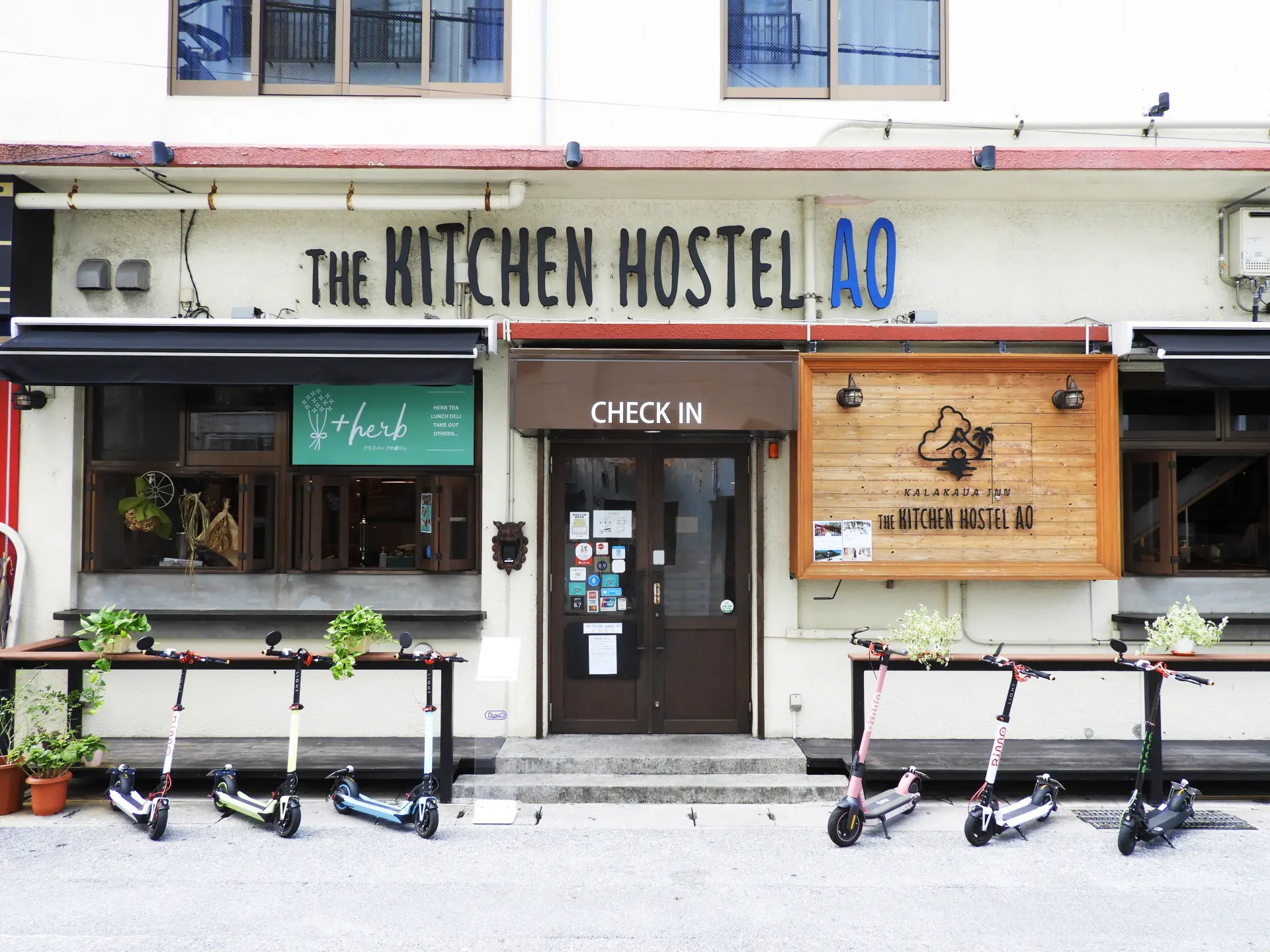
3. THE KITCHEN HOSTEL AO
A guesthouse located near Naha City Hall, within walking distance of Kokusai-dori.
It’s a reasonably priced dorm-style stay, but it supports comfortable sleep with bedding by Shinsaibashi Nishikawa and pocket-coil mattresses by IDC Otsuka Furniture.
Each bed has outlets, a USB connector, and a reading light by the pillow, so you can also enjoy your own downtime.
Reviews of Shuri Castle
4.17
Some reviews are AI-translated.
-
Even though the main hall was destroyed by fire in 2019, Shurijo Castle is still really impressive while it's being rebuilt.
-
This palace was built during the Ryukyu Kingdom era. It's such a shame it was destroyed by a fire. Really hope they restore it soon.
-
This famous World Heritage site is a must-visit when you're in Okinawa. The view from the top is really nice.
FAQ about Shuri Castle
Q
Is it true that there was a fire at Shuri Castle and it’s under restoration?
A
A fire broke out at the Shuri Castle Main Hall, damaging eight buildings including the main hall. As of 2023, restoration and rebuilding work is underway.
Q
When will Shuri Castle be restored?
A
It’s aiming for reconstruction in 2026.
Q
How do I get to Shuri Castle?
A
From Naha Airport, you can get there in Approx. 45 minutes by Yui Rail and on foot.
Summary
We’ve introduced the highlights of Shuri Castle, a beautiful castle that symbolizes Okinawa’s history and culture, along with nearby spots to visit.
Use this article to plan your route, and you’ll be able to enjoy Shuri Castle even more.
As of 2025, some areas—such as the damaged Shuri Castle Main Hall—may not be open to visitors, but you can only see the restoration and rebuilding work happening now.
Shuri Castle at night, lit up after sunset, is also especially beautiful.
If you’d like to discover more must-see spots in Okinawa, from sightseeing to food and places to stay, be sure to read this article too.