
![[Roppongi Hills Travel Guide] A Refined Urban Complex for Grown-Up Fun](https://static.gltjp.com/glt/data/article/21000/20429/20230920_110442_67e13fff_w1920.webp)
[Roppongi Hills Travel Guide] A Refined Urban Complex for Grown-Up Fun
Roppongi Hills offers more than just shopping, with an observation deck overlooking central Tokyo, a museum, excellent dining, and many other ways to enjoy your time, making it a place you can spend all day without getting bored.
There are also spots where you can experience art, culture, and nature as you stroll around. It is a sophisticated urban complex with a calm atmosphere that adults can truly enjoy.
This article introduces the charms of Roppongi Hills, its classic sightseeing spots, recommended gourmet options, and other useful information you should know to make the most of your visit.
What is Roppongi Hills Like?
Roppongi Hills is located in Roppongi, Minato City, Tokyo.
Centered around a 238-meter-tall high-rise office tower, this urban complex also includes residential buildings, a hotel, a movie theater, and other cultural facilities.
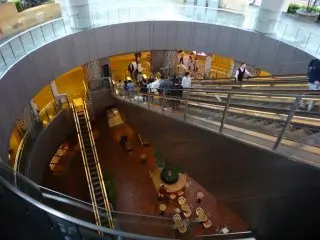
The vast site is made up of five areas, with more than 200 shops gathered across the various buildings.
Another defining feature is its many luxury brand boutiques and upscale restaurants.
On the rooftop of the tallest building, Mori Tower, you’ll find Sky Deck, a spectacular viewpoint with panoramic views of Tokyo.
The night view of the big city, including Tokyo Tower, seen from Sky Deck is not to be missed.
Within the area, there are also nature-filled spots such as a walking path lined with cherry trees, parks, and a Japanese garden that preserves traces of a daimyo residence from the Edo period (1603–1868), the spacious homes of feudal lords.
Enjoy sightseeing, shopping, and gourmet dining as you explore the five areas, each offering its own way to experience Roppongi Hills.


Access to Roppongi Hills
Here is how to get to Roppongi Hills from Tokyo Station, a major transportation hub for sightseeing in Tokyo.
Roppongi Hills is directly connected to Roppongi Station on the Tokyo Metro Hibiya Line via the concourse, so you should be able to arrive without getting lost.
- Route
-
1. Take the Tokyo Metro Marunouchi Line and get off at Kasumigaseki Station
2. Transfer to the Tokyo Metro Hibiya Line and get off at Roppongi Station
3. Directly connected to Exit 1C - Hours
- Approx. 16 minutes
3 Classic Sightseeing Spots You Absolutely Shouldn’t Miss at Roppongi Hills
Roppongi Hills is a charming destination visited by many tourists every day.
It has not only shops but also a wide variety of cultural facilities, so you may find it hard to decide where to go.
In that case, start with the classic sightseeing spots introduced below.
That way, you’ll be able to enjoy every part of Roppongi Hills to the fullest.
1. Roppongi Hills Observatory Tokyo City View / Sky Deck
Tokyo City View is an indoor observation gallery on the 52nd floor of Roppongi Hills, at an elevation of 250 meters above sea level.
The 52nd-floor Tokyo City View features a dynamic glass-walled space with an atrium rising over 11 meters high, opening up to a sweeping panoramic view of Tokyo right before your eyes.

2. Mori Art Museum
This is Mori Art Museum, located on the top 53rd floor of Roppongi Hills Mori Tower.
Roppongi Hills was created with the concept of a “cultural city center,” and this museum plays an important role as a place where people can experience contemporary culture.
It hosts a wide variety of special exhibitions on cutting-edge art, architecture, and design from around the world from a unique perspective, while also offering programs such as MAM Collection, which introduces works from its collection, MAM Screen, which shows video works, MAM Research, centered on archival displays, and MAM Project, which carries out experimental projects with artists from around the world.

3. Mohri Garden
Mohri Garden at Roppongi Hills is like an urban oasis where you can take a relaxing break amid the bustle of flashy sightseeing spots.
Its roots go back to the Edo period, when it was the upper residence of the Mori family, lords of the Chofu Domain. In the Meiji era, it became the residence of Rokuichiro Masujima, founder of Chuo University. After World War II, it was used as Nikka Whisky’s Tokyo factory, then acquired by TV Asahi, and finally developed into its current form when Roppongi Hills opened in 2003.

Enjoy Gourmet Dining at Sophisticated Favorites! 3 Recommended Restaurants at Roppongi Hills
At Roppongi Hills, home to a refined lineup of restaurants, you can enjoy gourmet cuisine from Japan and around the world.
Here are three carefully selected restaurants where you can savor grown-up dining in a calm atmosphere.
1. DAL-MATTO Roppongi Hills
An Italian restaurant serving dishes made with vegetables delivered from contracted farms and fresh seafood shipped directly from producing areas.
Its main branch is in Nishiazabu, and it is also famous as an Italian restaurant that is notoriously difficult to book.
You can also enjoy that authentic Italian cuisine at Roppongi Hills.
While it has a casual and modern atmosphere that makes it easy for people of all ages to drop in, it still maintains a sense of upscale sophistication that feels pleasantly comfortable.

2. Mohri Salvatore Cuomo
A pizzeria and bar produced by Salvatore Cuomo, the renowned chef credited with popularizing Neapolitan pizza in Japan.
Its signature pizzas are baked in a stone oven in authentic Naples style, with a variety of options including the award-winning “D.O.C,” which received top honors at PIZZA FEST, one of the world’s premier pizza events.

3. Bairan Roppongi Hills
A Chinese restaurant from Yokohama Chinatown that has enjoyed nationwide popularity since its founding in 1987, thanks to dishes that make the most of carefully selected ingredients and are prepared by chefs who honed their skills in authentic Chinese cuisine.
At the Roppongi Hills location, you can enjoy the same flavors as at the main branch.
Seating options range from tables for small groups to round tables convenient for group use, as well as terrace seats with views of Tokyo Tower.
The menu also offers a wide selection of individual dishes such as dim sum and noodles. Value lunch menus are recommended during the day, while in the evening, course meals with a generous variety of dishes are the way to go.

![[Yokohama Chinatown Travel Guide] Enjoy Food and an International Vibe in Japan’s Largest Chinatown](https://static.gltjp.com/glt/data/article/21000/20570/20231226_210617_a09fd7b1_w640.webp)
3 Sightseeing Spots Near Roppongi Hills
Around Roppongi Hills, you’ll find a variety of spots where you can experience culture and history.
Here are some especially recommended places to visit.
1. The National Art Center, Tokyo
Rather than maintaining a permanent collection, it hosts a wide variety of exhibitions focused on art from Japan and abroad.
Its vast 14,000-square-meter space includes 12 exhibition rooms, an art library, restaurants and cafes, and a museum shop.
Designed under the concept of “an art museum in the forest,” the building itself is worth seeing, with highlights such as its undulating glass curtain wall.

2. Arisugawa-no-miya Memorial Park
During the Edo period, this area was used as the suburban residence of the Morioka Nanbu Domain. After becoming property of the Arisugawa-no-miya family in 1896, it was granted to the City of Tokyo in 1934 and opened to the public as a memorial park.
The grounds retain traces of an Edo-period daimyo garden and form a nature-rich Japanese garden that makes use of the varied terrain of the Azabu plateau, including hills, valleys, and ponds. Seasonal flowers and trees beautifully color the park throughout the year, including plum blossoms, cherry blossoms, and dogwoods in spring, hydrangeas and Japanese irises in summer, and ginkgo and maple trees in autumn.

3. Suntory Museum of Art
The Suntory Museum of Art first opened in Marunouchi in 1961, founded by Keizo Saji, then president of Suntory.
After relocating to the Suntory Building in Akasaka in 1975, it moved again in 2007 to its current home in Tokyo Midtown, designed by architect Kengo Kuma.
Guided by its founding philosophy of “art in life,” the museum houses Approx. 3,000 works, including National Treasures and Important Cultural Properties. It boasts a rich collection of Japanese traditional art such as paintings, ceramics, and lacquerware, as well as glass works from both East and West.
It does not have a permanent exhibition, instead selecting and displaying works according to the theme of each special exhibition.

3 Recommended Places to Stay Near Roppongi Hills
Use Roppongi Hills as your base and enjoy both the energy of Tokyo and a high-quality stay.
The surrounding area offers a wide range of options, from internationally acclaimed hotels to established properties with a calm atmosphere.
We’ve picked hotels with an excellent balance of location, comfort, and brand appeal, so you can make the most of your time in Tokyo, from art and dining to nightlife.
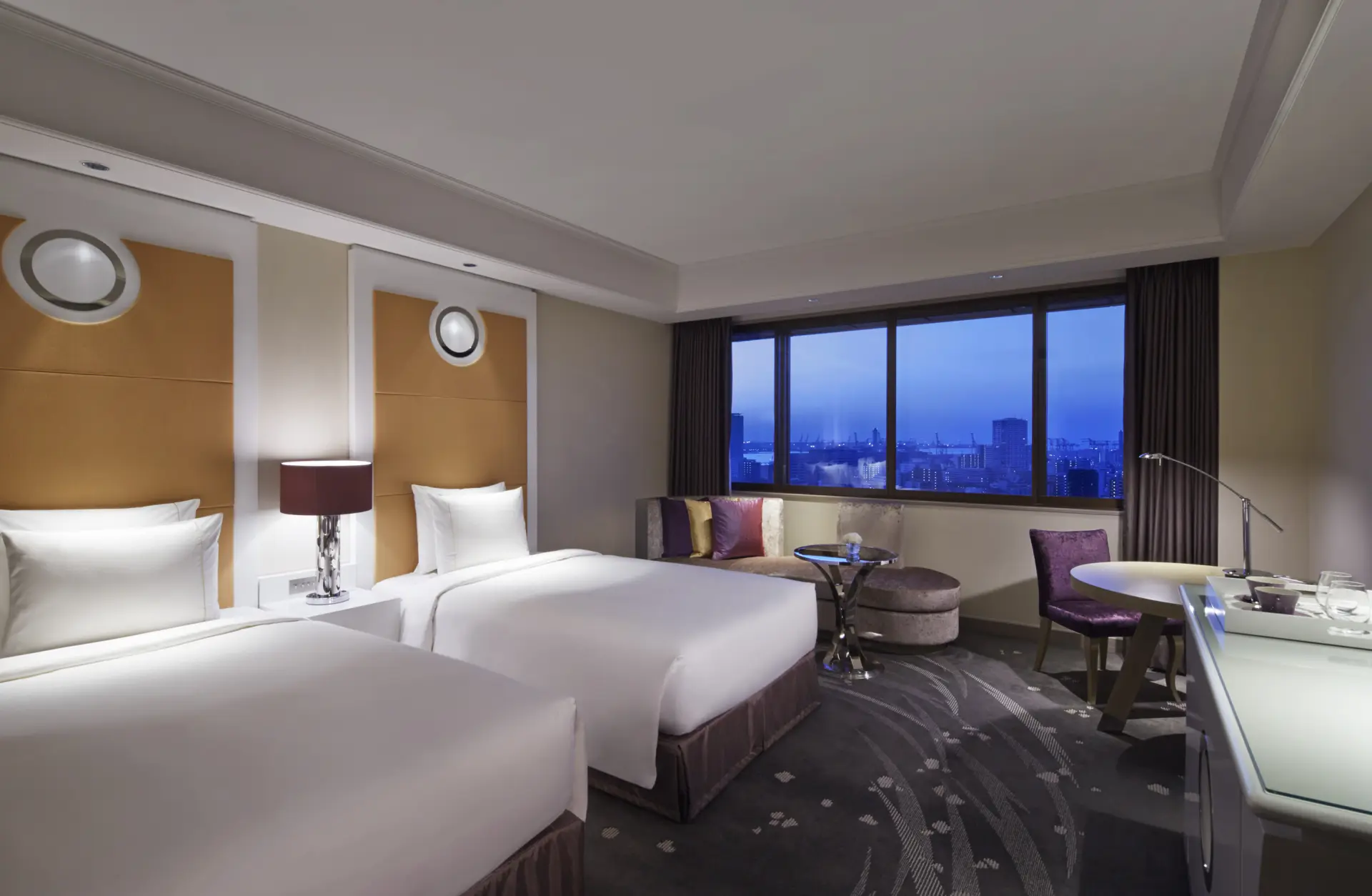
1. Tokyo Marriott Hotel
A hotel standing in Gotenyama, a historic and tranquil area known for its beautiful greenery. Even while staying in Tokyo, you can enjoy a relaxing and restful time here.
It is also conveniently located for quick access to places such as Tokyo Station, Ginza, and Roppongi, making it ideal for both business and sightseeing.
The guest rooms feature refined interiors and are equipped with high-quality bedding, luxurious bathrooms, and free high-speed Wi-Fi, while offering beautiful views of Tokyo Bay and the cityscape from the windows.
2. Tokyo Prince Hotel
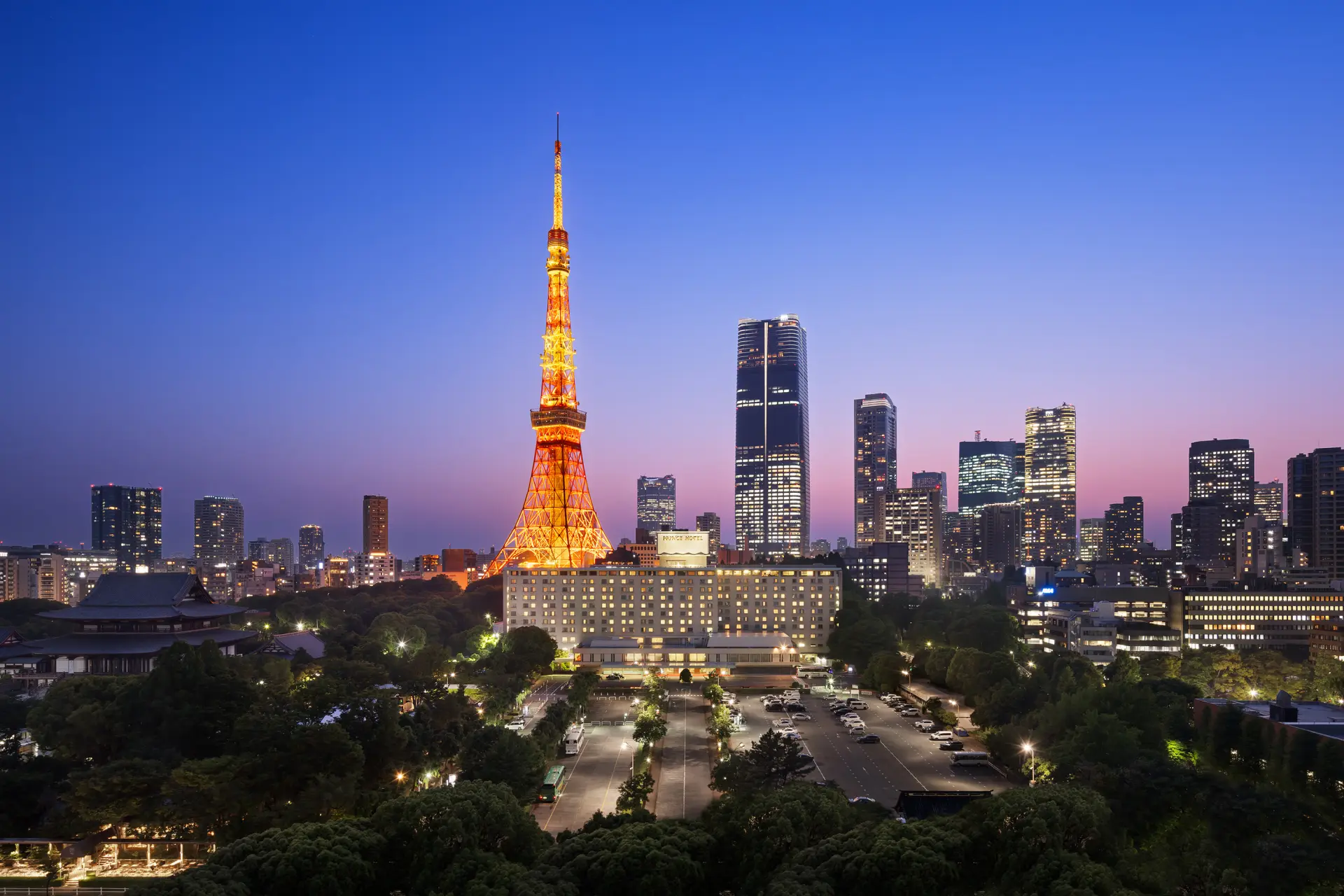
Tokyo Prince Hotel is an urban hotel operated by Seibu Prince Hotels & Resorts.
With 462 guest rooms, it offers the appeal of being adjacent to the lush Shiba Park despite its central Tokyo location. It is known as the hotel closest to Tokyo Tower and serves as a convenient base for both sightseeing and business.
Its guest rooms range from superior rooms to suites. In particular, plans that guarantee Tokyo Tower views and suite rooms for anniversaries are especially popular.
3. Hotel New Otani (Tokyo)
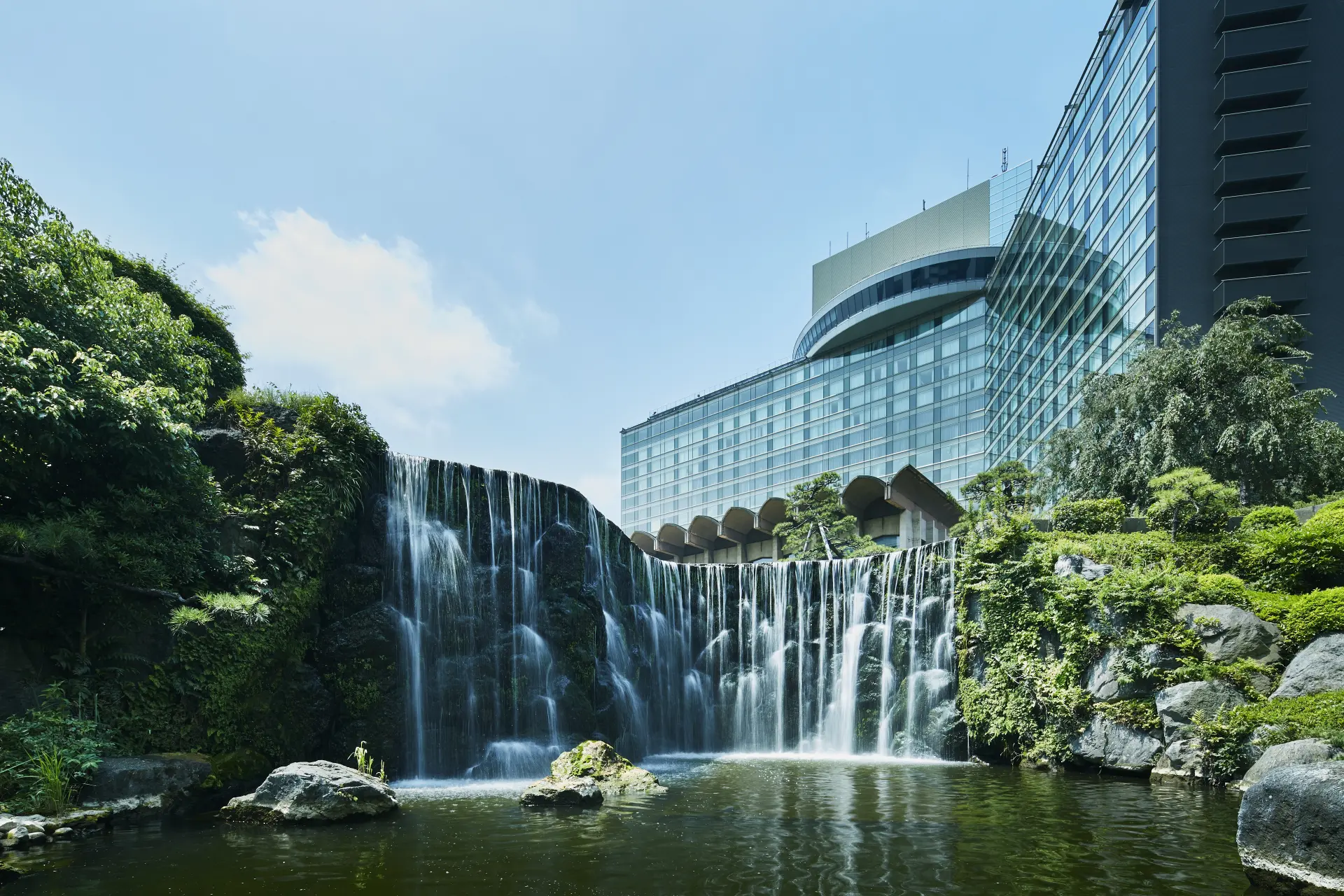
A luxury hotel opened in 1964 to coincide with the Tokyo Olympics.
With its extensive facilities and distinctly Japanese hospitality, it is popular with both domestic and international guests.
The guest rooms are divided into three different types with distinct concepts, led by The Main.
Among them, Executive House Zen on the 11th and 12th floors of The Main is especially notable for its top-class space and hospitality, having received a five-star rating for six consecutive years from a prestigious international travel guide.
Reviews
4.50
Some reviews are AI-translated.
-
Whether it's shopping, food, art, or entertainment, everything here is awesome!
-
The inside of the building is really spacious, and there are tons of shops. Perfect spot for relaxing and shopping.
-
There's a museum, a garden, and an observation deck. It's a great building to explore.



FAQ about Roppongi Hills
Q
How much is the rent at Roppongi Hills?
A
It varies depending on the floor plan and floor level, but the monthly rent is around ¥280,000 to ¥4,450,000.
Q
What is the nearest station to Roppongi Hills?
A
It is Roppongi Station on the Tokyo Metro Hibiya Line.
Q
Is the observation deck at Roppongi Hills free?
A
Tokyo City View uses variable pricing, so please check the Official website (Japanese).
Summary
Roppongi Hills is an urban complex where you can enjoy not only shopping and gourmet dining, but also Tokyo’s night views and art in many different ways.
As a landmark in Roppongi, a district popular with affluent visitors, one of its charms is the refined setting and calm atmosphere where you can spend your time in comfort.
With an appeal distinct from the commercial facilities of Shinjuku, Shibuya, and Ginza, Roppongi Hills is well worth a visit.
If you want to enjoy sightseeing, gourmet dining, and shopping in Tokyo, be sure to check out the article below as well.