

Not Just Shopping! 21 Must-Visit Popular Spots in Ginza for Great Food and Sightseeing
Ginza is one of Japan’s premier shopping districts, lined with high-end brand shops and luxurious commercial complexes.
Many travelers planning a trip to Tokyo likely have shopping in Ginza on their itinerary.
But Ginza is actually home to many places where you can also enjoy sightseeing and great food.
If you’re making the trip to Ginza, it would be a waste to enjoy only the shopping.
Be sure to visit the sightseeing spots and restaurants introduced in this article and experience the full charm of Ginza.
Of course, we also introduce popular shopping spots, so use this guide as a reference for your Ginza trip.
What is Ginza Like?
Ginza is one of Tokyo’s, and indeed Japan’s, most prestigious shopping districts. It is also known as one of the places with the highest land prices in Japan.
Ginza is lined with department stores and luxury brand shops, and just looking at the show windows is enjoyable.
Another part of its appeal is the many long-established shops and spots, such as Kabukiza Theatre, where you can feel Japan’s traditional culture and history.
There are also many top-class restaurants where you can enjoy both traditional Japanese cuisine and innovative gourmet food, making it easy to choose a place that suits your occasion and taste, from a light lunch to a full-course dinner.
Ginza-dori, the main street of the district, becomes a pedestrian-only street on weekends and national holidays, and it is also a popular photo spot where you can take commemorative pictures with the streetscape of brand shops in the background.

What is the best sightseeing season in Ginza?
Ginza is a place where you can enjoy sightseeing, shopping, and food all year round.
If we had to pick the best seasons, spring and fall are especially recommended, when the weather makes it easy to shop and stroll around the area.
What to wear in Ginza by season
- Spring (March - May): Light jacket and thin sweater
- Summer (June - August): Light clothing, short sleeves
- Fall (September - November): Light jacket, coat
- Winter (December - February): Coat, thick sweater or jacket
How do you get to Ginza?
Although Ginza has several stations, the easiest one to access from Tokyo’s major stations is Tokyo Metro Ginza Station.
The transportation options and travel times are as follows.
Ginza-dori is also only about a 15-minute walk from the Yaesu South Exit of Tokyo Station, so if you are not confident about making transfers, walking is also worth considering.
- From JR Tokyo Station
- Approx. 2 minutes via the Tokyo Metro Marunouchi Line
- From JR Shinjuku Station
- Approx. 16 minutes via the Tokyo Metro Marunouchi Line
- From JR Ueno Station
- Approx. 11 minutes via the Tokyo Metro Ginza Line
- From JR Shinagawa Station
- Approx. 11 minutes, transfer from the JR Yamanote Line to the Tokyo Metro Ginza Line
- From JR Shibuya Station
- Approx. 15 minutes via the Tokyo Metro Ginza Line
Main transportation options for sightseeing in Ginza
All of Ginza’s sightseeing spots, restaurants, and shopping spots can be visited on foot.
Nearby areas such as Yurakucho, Shimbashi, and Tokyo Station are also about a 15-minute walk away, so consider exploring them together with Ginza.
9 popular sightseeing spots in Ginza where you can experience Japanese culture and art
To help you enjoy Ginza to the fullest, here is a carefully selected list of recommended sightseeing spots you should visit.
From facilities where you can experience traditional Japanese performing arts to places where you can encounter contemporary art, Ginza has many spots where you can discover Japanese culture and art.
Between shopping stops, plan some time to visit the sightseeing spots introduced below.
1. Ginza-dori Street
Ginza-dori is the main street in Ginza, one of Japan’s leading downtown districts known for its history and elegance, lined with department stores and luxury brand shops, and comparable to New York’s Fifth Avenue and London’s Oxford Street.
Along with department stores such as Wako, Mitsukoshi, and Matsuya, and flagship stores of luxury brands such as Tiffany and CHANEL, the large-scale commercial complex GINZA SIX opened in 2017, housing not only high-end brand shops but also facilities such as a Noh theater and a tourist station.

2. Kabukiza Theatre
Kabuki, one of Japan’s traditional performing arts, is performed at theaters across the country, but the most glamorous stage is known to be Kabukiza Theatre, a theater dedicated exclusively to kabuki.
Kabukiza is a large theater with a capacity of over 1,800 people, and the performances change every month.

3. Ginza Sony Park
An “urban park” that held its grand opening in Ginza, Tokyo, on January 26, 2025.
The facility consists of 5 above-ground floors and 4 basement floors (the 4th basement level houses machinery rooms and other facilities).
Designed to embody the concept of an “urban park,” the building is only about half the height of a typical Ginza building.
By intentionally keeping the structure low, it creates open space and a new cityscape in densely built-up Ginza, giving the area a sense of openness.

4. Shiseido Gallery
Located a 5-minute walk from the Ginza Exit of JR Shimbashi Station, Shiseido Gallery is based on the concept of “discovering and creating new beauty.”
It is an art gallery operated by Shiseido, the cosmetics company that holds the top domestic market share in Japan and is also popular worldwide.
Opened in 1919, it is said to be the oldest surviving gallery in Japan.
It has hosted more than 3,100 exhibitions, and many of the artists presented there have left their mark on the history of Japanese art, making it a place that has introduced many artists to the world.
In 2001, it reopened on Basement 1 of the Tokyo Ginza Shiseido Building.
Today, it also runs a project called “shiseido art egg,” in which emerging artists hold solo exhibitions.

5. Art Aquarium Museum GINZA
Art Aquarium Museum GINZA is located on the 8th floor of the new building of Ginza Mitsukoshi, one of Ginza’s iconic department stores.
It elevates the culture of goldfish appreciation, which has continued since the Edo period (1603–1868), into works of art.
As soon as you step inside, a beautiful Japanese-style space unfolds, woven together by traditional Japanese culture and goldfish.
Various works are displayed throughout the museum, including the “Goldfish Corridor,” where columns with swimming goldfish stand on both sides of the passage, and the “Goldfish Stone Lantern,” inspired by the stone lanterns used as lighting devices at shrines and temples.
Photography is allowed at Art Aquarium, so try taking a memorable photo in this fantastical space.
There are also displays of traditional crafts such as kimono, Kutani ware, and ukiyo-e, allowing visitors to fully appreciate Japanese traditional culture and aesthetics.

6. Le Forum, Ginza Maison Hermès
An art gallery located on the 8th floor of Ginza Maison Hermès, created by the globally renowned brand Hermès.
It is organized by the Fondation d’entreprise Hermès with the aim of supporting the revitalization of the art scene.
In an open atrium space surrounded by glass blocks designed by architect Renzo Piano, it hosts four contemporary art exhibitions a year by artists from Japan and abroad.
Be sure to stop by one of only four Hermès art galleries in the world.

7. Seiko Museum Ginza
Seiko Museum Ginza is a place where you can learn not only about the history of Seiko, one of Japan’s leading long-established watchmakers, but also about the history of time and clocks themselves.
At the entrance of the building facing Namiki-dori, visitors are welcomed by “Ronde la Tour,” a giant pendulum clock featuring a 4.6-meter pendulum and multiple gears.
The museum, which spans from Basement 1 to the 5th floor above ground, displays about 500 clocks and related materials from around the world and across time, including historic Seiko products as well as sundials, pendulum clocks, and karakuri clocks.

8. Konica Minolta Planetaria TOKYO
Located inside Yurakucho Marion, Konica Minolta Planetaria TOKYO is a complex planetarium facility with a multi-purpose digital dome theater, a planetarium dome theater, and a space-themed café and shop.
It features two dome theaters: DOME1, which projects immersive visuals in up to 8K resolution from floor to ceiling, and DOME2, which uses the latest immersive sound system, SOUND DOME®, to present programs where you can experience beautiful starry skies and moving sound.
You can also enjoy unique content such as live classical performances and music events combined with beautiful, detailed visuals provided by Konica Minolta, one of the world’s leading planetarium equipment manufacturers, as well as healing planetarium programs with soothing aromas.

9. Tokyo Takarazuka Theater
Tokyo Takarazuka Theater was established in 1934 as the Tokyo base theater for the Takarazuka Revue, whose home is in Takarazuka City, Hyogo Prefecture.
It was later rebuilt starting in 1998 and reopened on January 1, 2001, marking the beginning of the 21st century.
From the entrance onward, the glamorous red carpet and sparkling chandeliers create an extraordinary atmosphere befitting a gateway to a dream world.

7 recommended restaurants in Ginza, where top-class dining spots gather
Ginza is home to first-class restaurants, from long-established favorites to famous spots serving innovative cuisine. Here are some of the most popular ones.
Between shopping and sightseeing, be sure to enjoy lunch or dinner as well.
1. Ginza Bairin Main Store
Founded in 1927, Ginza Bairin is a famous tonkatsu restaurant.
It is also well known because its founder, who had been a pharmacist, developed medium-thick sauce (tonkatsu sauce).
It uses carefully selected ingredients, including Kagoshima black pork known for its tender texture and Tsuyahime, a Yamagata brand rice that pairs well with tonkatsu.

2. Tempura Yamanoue Ginza
Tempura Yamanoue Ginza is a place where you can enjoy the signature tempura of the long-established Hilltop Hotel in Ochanomizu, which has been in business for 70 years.
Its batter is light as silk, and the seasonal vegetables and seafood, whose flavor deepens when fried, are carefully selected from around Japan.
These ingredients are stored in an “ice refrigerator” that has been used since the hotel first opened, helping keep them at optimal freshness.

3. Hanayama Udon Ginza
Founded in 1894, this udon restaurant has been loved for five generations and has locations not only at its main store in Tatebayashi, Gunma, but also in Nihonbashi and Haneda Airport.
The Ginza branch, with an upscale atmosphere befitting its location, is on Matsuya-dori behind Kabukiza Theatre.
Made with wheat from Gunma, the udon has a natural sweetness and a chewy yet springy texture.
For most menu items, you can choose between regular udon and “Oni Himokawa,” a wide noodle revived by the fifth-generation owner for the first time in about 50 years.

4. Ginza Tengoku
A long-established tempura restaurant that began in 1885 as a small street stall in Ginza 3-chome.
Even in Ginza, an area packed with famous tempura restaurants, it remains so popular that people line up for it.
On the 1st floor, it serves traditional Edomae tempura bowls, tempura, and set menus.
Affiliated restaurants have also opened in the same building, including the counter-style Ginza Tengoku Shiori on the 2nd floor, where chefs cook in front of guests and serve freshly fried tempura, and Washoku Yuuzutsu on the 3rd floor, which offers a wide selection of Japanese dishes made with seasonal ingredients, allowing you to choose the restaurant that fits your occasion and purpose.

5. Tempura Kondo
Tempura Kondo pursues the ultimate tempura with the desire to let guests discover how truly delicious tempura can be.
Its expertly calculated thin batter and light texture continue to captivate Ginza’s food lovers.
For head chef Fumio Kondo, tempura, which draws out the flavor of ingredients through heat and moisture, is not only a fried dish but also a steamed dish.

6. Tokyo Kaikan Ginza Sky Lounge
A historic French restaurant in Ginza located right in front of Yurakucho Station.
The floor is circular, and all seats are arranged along the windows, allowing guests to enjoy views of Marunouchi, Ginza, and the Tokyo Station area through large panoramic windows.
At dinner time, you can enjoy authentic French cuisine as a course meal while taking in the night view.

7. Ginza Cafe Paulista
Located along Chuo-dori in Ginza 8-chome, near Shimbashi, this café was founded in 1911.
With a history of more than 110 years, it is truly one of the most long-established cafés and an essential place when talking about the roots of café culture in Japan.
It also has a deep history, having been opened with support from the government of São Paulo State in Brazil in recognition of the founder’s contributions to immigration policy, as he was known as the father of Brazilian immigration.

5 popular shopping spots in Ginza you should visit
As one of Japan’s leading shopping areas, Ginza is home to many commercial facilities and shops, but first, be sure to visit the popular shopping spots introduced below.
By visiting commercial facilities filled with high-quality, refined items, as well as places where you can feel Ginza’s history, you will be able to fully enjoy the appeal of the area.
1. Matsuya Ginza
A long-established department store founded in 1869, with its main store on Ginza’s main street in Tokyo.
It is directly connected to Exit A12 of Tokyo Metro Ginza Station, making access very convenient.
Inside the store, which has 8 above-ground floors and 2 basement floors, you will find products in a wide range of categories, from fashion maisons from around the world and Japanese brands to Japanese tableware such as lacquerware and ceramics, as well as everyday goods, making for an enjoyable shopping experience.

2. Ginza Mitsukoshi
Ginza is famous as a luxury shopping district.
At its center stands Ginza Mitsukoshi, one of Japan’s leading long-established department stores and one of the iconic department stores of Ginza.
Mitsukoshi originally began as a kimono shop called Echigoya, and its origins date back to 1673.
The Ginza store opened in 1930, and for about 90 years it has remained one of the faces of Ginza.

3. GINZA SIX
GINZA SIX is a luxurious building that stands out even along Ginza Chuo-dori, where high-end brands line the street, and it is the largest commercial facility in the Ginza area, opened in 2017 as part of the redevelopment project of Ginza 6-chome, including the former site of Matsuya Ginza Store.
From Basement 2 to the 6th floor above ground within the 13-story building, there are more than 200 shops and restaurants, including many brands making their first appearance in Japan or opening their first store, making it a spot that has continued to attract attention since it opened.

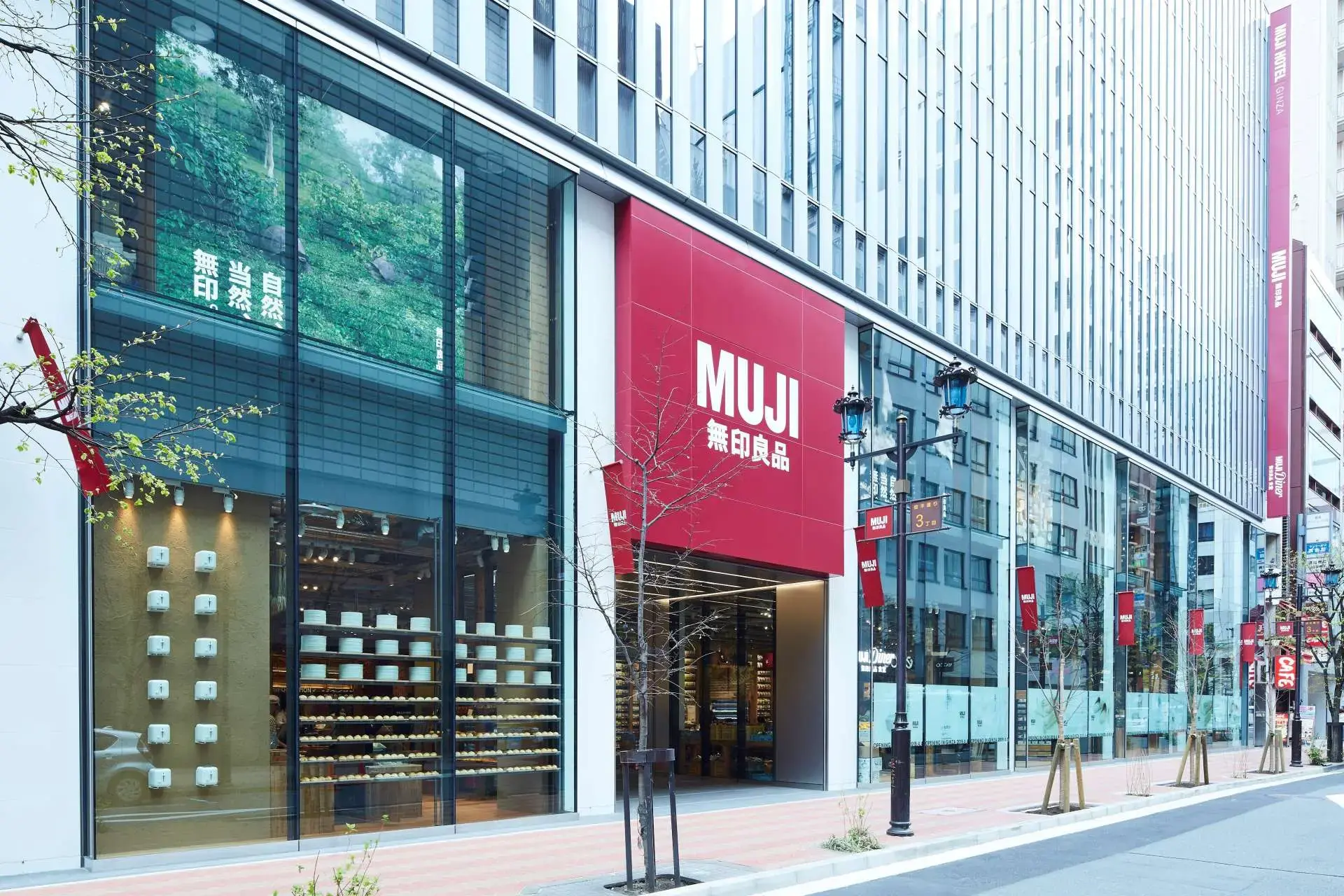
4. MUJI Ginza
This world flagship store stands along Namiki-dori in Tokyo’s luxury shopping district of Ginza.
Here, you can experience MUJI’s concept of a “pleasant life” from many different angles across clothing, food, and living.
It is a facility that presents food, clothing, and living from multiple perspectives, with seasonal ingredients, a bakery, drinks, and a restaurant serving simple food.
For clothing, it offers ReMUJI and MUJI Labo, while for living it features household goods and MUJI HOTEL, packed with ideas to enrich everyday life.
5. Hakuhinkan TOY PARK Ginza Main Store
Founded in 1899, Hakuhinkan Kankoba (department store) has long been cherished as one of Ginza’s best-known landmarks.
After several renovations, it is now an 8-story building, with floors 1 through 4 occupied by the toy specialty store Hakuhinkan TOY PARK.
It carries about 200,000 items, including games, character goods, and novelty items, with plenty to delight not only children but also adults with a playful spirit.
On the 4th floor, Hakuhinkan RACING PARK features a slot car circuit with a total length of Approx. 36 meters, where visitors can enjoy the fun of racing electric-powered mini cars.
Floors 5 and 6 house restaurants serving a variety of cuisines, including Chinese and Italian, so stop by if you need a break after playing.


Make your stay in Ginza even more special! 3 recommended hotels
If you want to enjoy sightseeing in Ginza even more, staying in Ginza is the best choice.
Here are three hotels in convenient locations for both sightseeing and shopping.
A comfortable stay will make your travel memories shine even more.
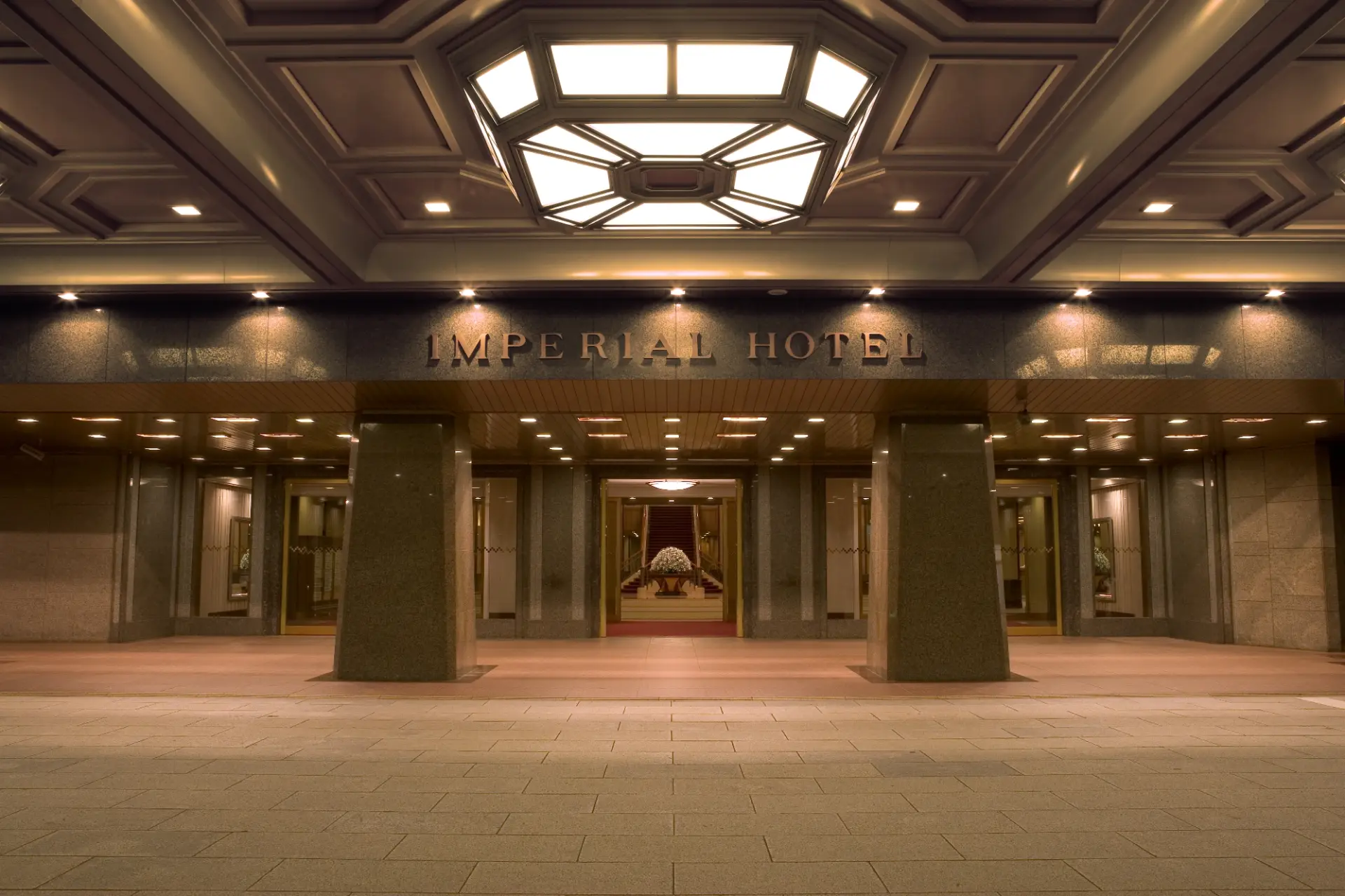
1. Imperial Hotel, Tokyo
Opened in 1890 at the request of the Meiji government, which was promoting westernization, as a hotel to welcome distinguished guests from overseas.
Today, a staff of 2,000, including experienced specialists in each field such as bell staff, concierges, and laundry staff, welcomes guests from Japan and abroad.
Its high-quality service and hospitality have made it beloved by visitors from around the world.
The pancakes served at the casual restaurant Parkside Diner on the first floor of the main building are one of its enduringly popular menu items.
The style of serving three pancakes stacked together, cooked on a dedicated griddle, has remained unchanged for more than 60 years.
2. Mitsui Garden Hotel Ginza Premier
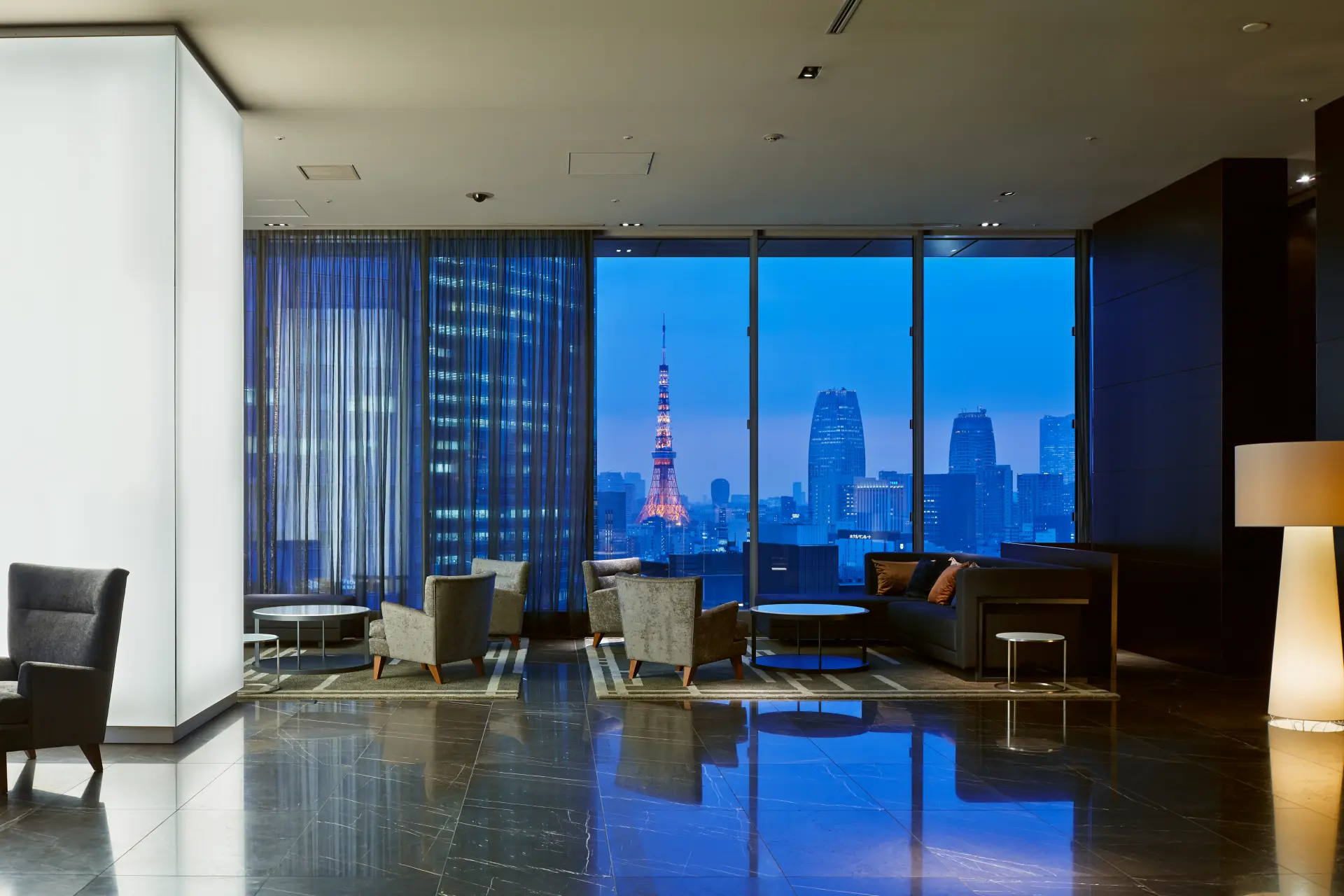
Mitsui Garden Hotel Ginza Premier is a high-rise hotel in Ginza, Tokyo, popular for its refined design, high-quality service, and views from the upper floors.
Guest rooms are located on the 17th floor and above, and all rooms have large windows.
You can enjoy glittering night views of Tokyo Tower, Tokyo Skytree, Rainbow Bridge, and more.
There are also 45 view bath rooms where you can enjoy the night view while soaking in the bathtub.
With bathrobes, bath salts, a wine opener, and glasses provided, it is also popular for anniversary stays.
3. Henn na Hotel Tokyo Ginza
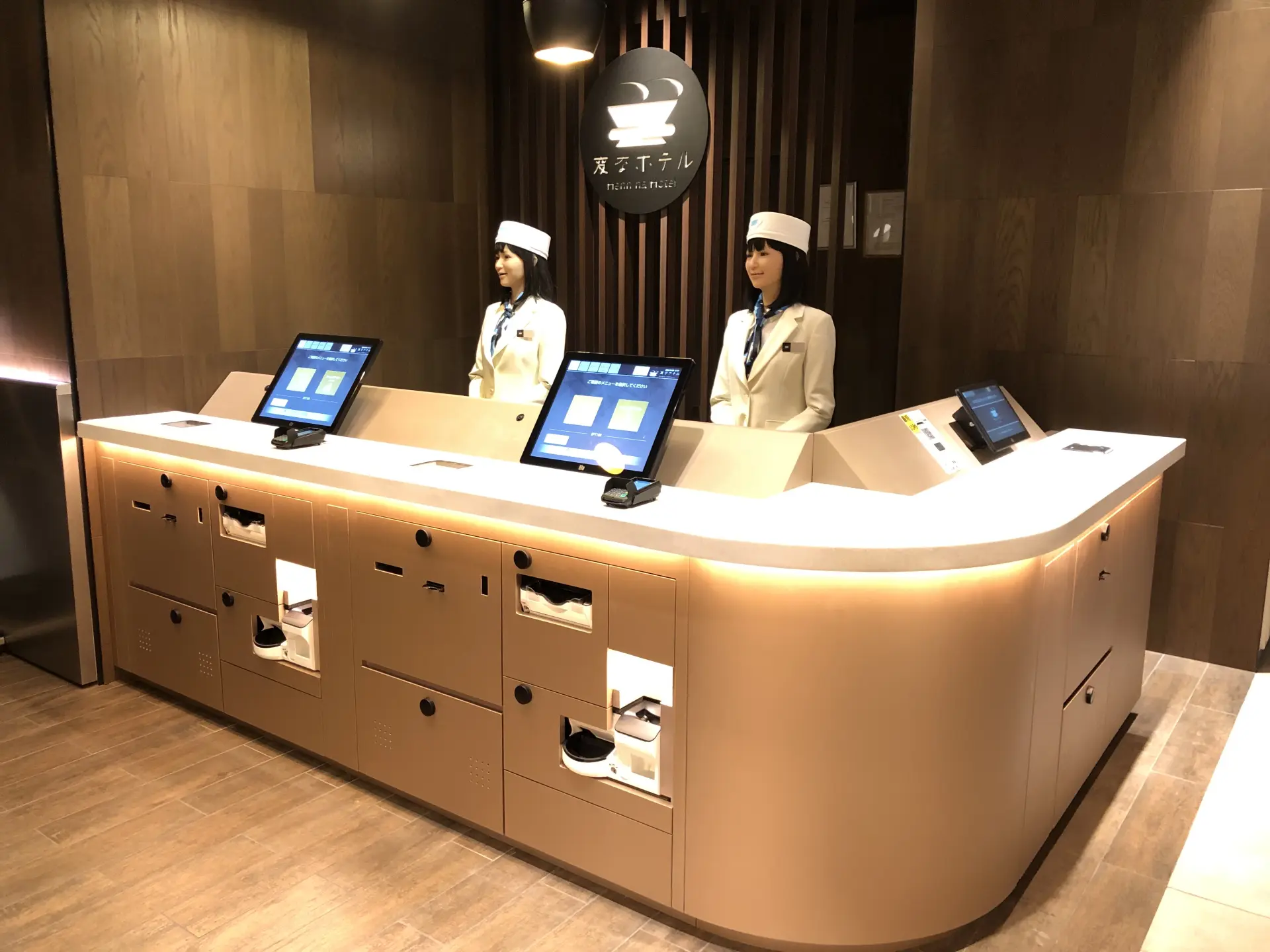
Henn na Hotel, certified by Guinness World Records® as the “world’s first hotel staffed by robots,” includes Henn na Hotel Tokyo Ginza, where humanoid robots are active at the front desk as well.
Based on the concept of “promising to keep changing,” the hotel uses various advanced technologies throughout the property.
It also features a manga corner where guests can read many popular manga titles free of charge, as well as a lounge with a calm atmosphere where breakfast, coffee, cocktails, and more can be enjoyed for free.
This makes for a relaxing hotel stay.
Close to famous Tokyo areas such as Tsukiji and Ginza, it is a hotel well suited as a sightseeing base.
Ginza sightseeing map
FAQ about sightseeing in Ginza
Q
What is the origin of the name Ginza?
A
It comes from the Edo-period mint called “Ginza.”
Q
Why are so many high-end brands and luxury stores concentrated in Ginza?
A
There are several theories, but one reason often given is that its proximity to major logistics starting points and hubs helped many shops gather and thrive there, establishing the area’s current image as an upscale commercial district.
Summary
We have introduced popular sightseeing spots, restaurants, shopping spots, and more in Ginza, one of Japan’s most famous luxury shopping districts.
Use this article as a guide to enjoy not only shopping, but also sightseeing and great food.
If you are planning to explore Tokyo, be sure to check out this article as well, which features especially worthwhile places to visit in the city.