
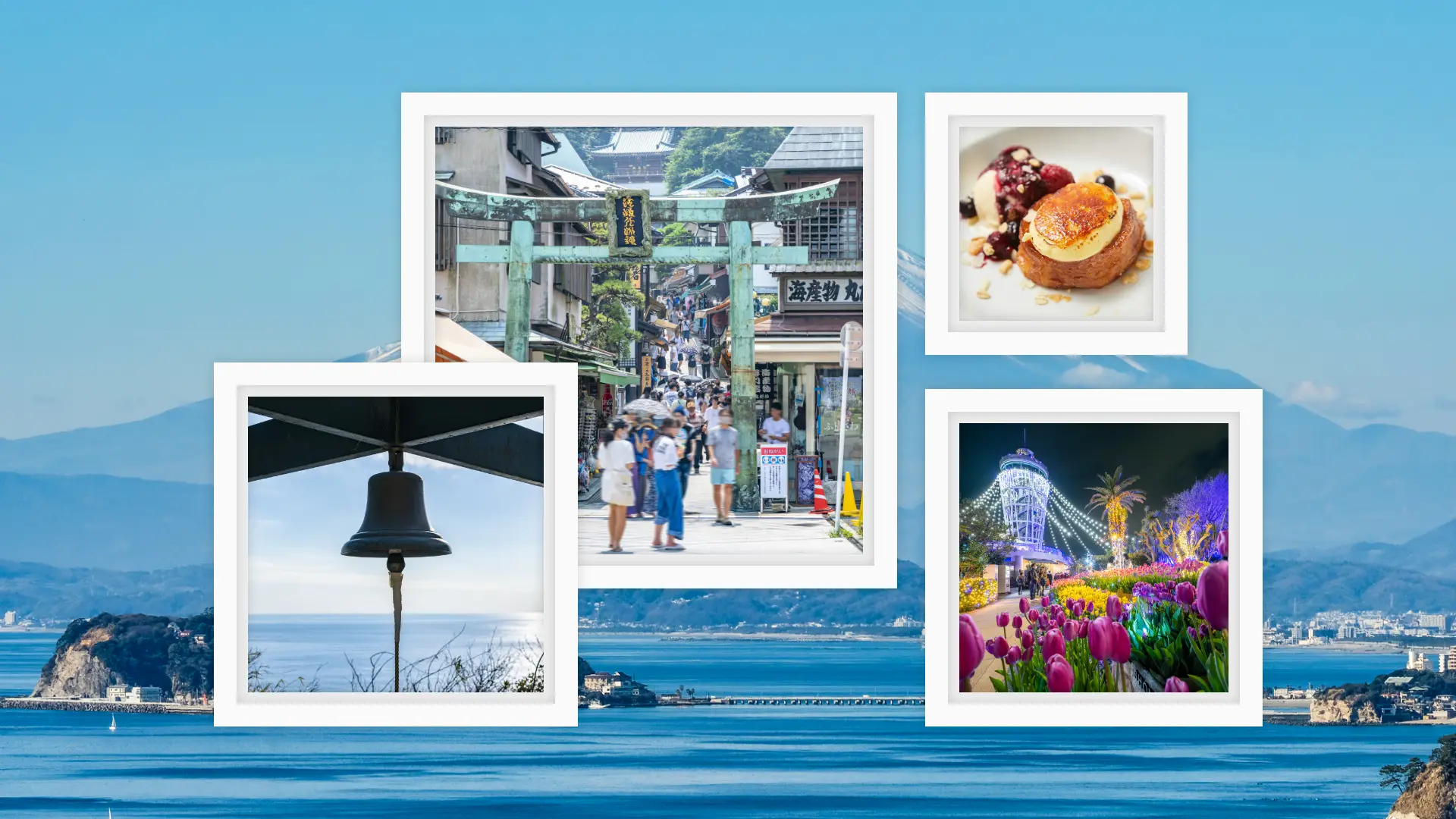
Easy Access from Tokyo! A Model Course for a Day Trip to Enoshima
Once known as a sacred island dedicated to the sea gods and Benzaiten, Enoshima is now one of the Shonan area’s most popular sightseeing destinations. It’s easy to reach on foot from the nearest station by crossing Benten Bridge, and there’s plenty to see, from historic shrines and landmarks to local Enoshima food, plus gardens and cafes where you can enjoy a resort-like atmosphere.
Here, we introduce a model course for a day trip that lets you fully enjoy the charms of Enoshima. Make the most of Enoshima’s many attractions in just one day.
What is Enoshima Like?
Enoshima, a small island with a circumference of Approx. 4 km in Fujisawa City, Kanagawa Prefecture, is a popular sightseeing destination visited by many travelers throughout the year. The island is home to a wide variety of attractions, including Enoshima Shrine, known for blessings for love and relationships, the observation lighthouse Enoshima Sea Candle, beloved as the symbol of Enoshima, the botanical garden Samuel Cocking Garden filled with seasonal flowers, and the sea cave Enoshima Iwaya. Its open atmosphere, where you can feel the sea breeze, experience history, and enjoy views of Sagami Bay and Mt. Fuji, continues to attract many visitors.
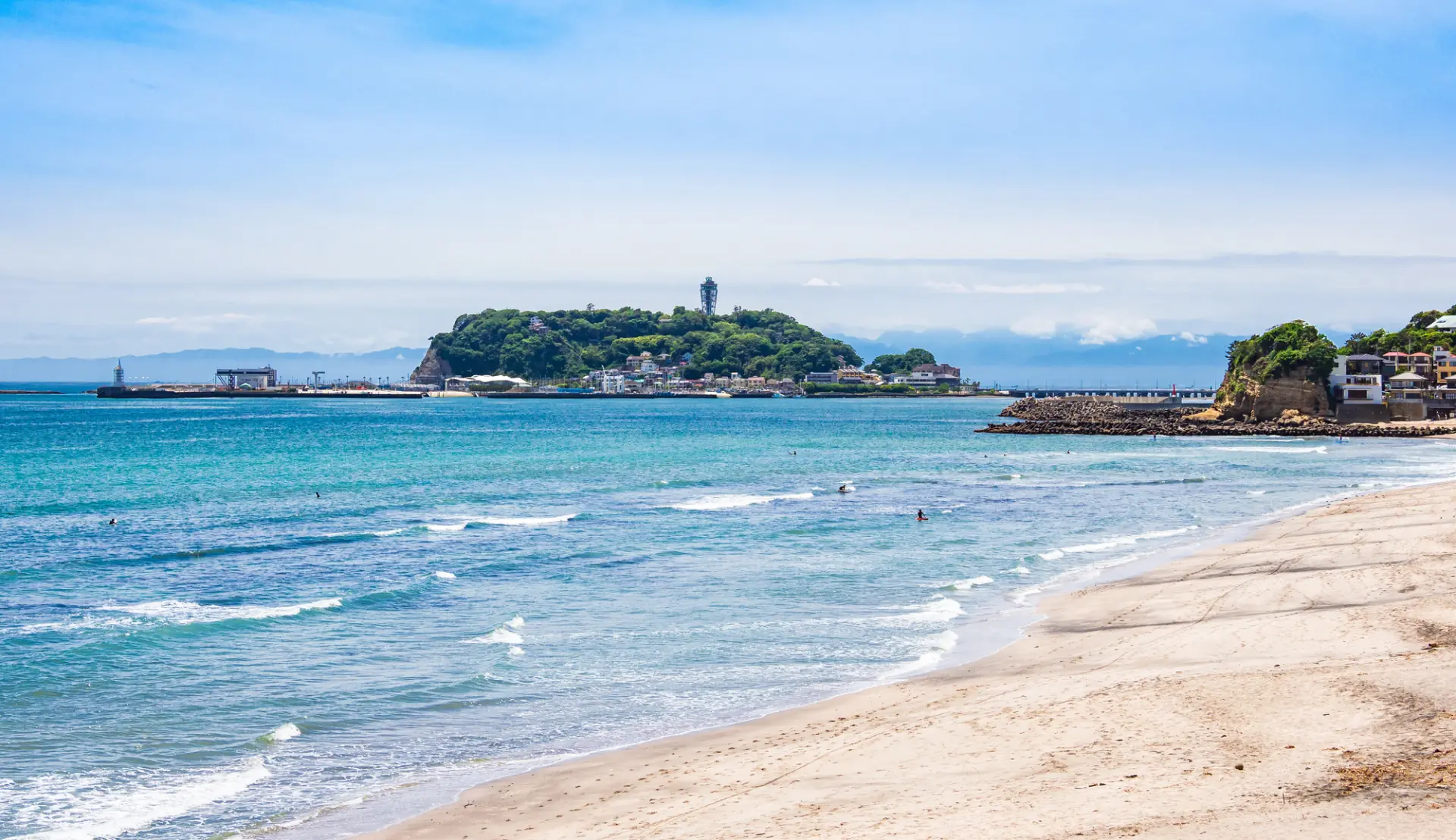
Another part of Enoshima’s appeal is its easy access from central Tokyo, at Approx. 1 hour by train from the Tokyo and Shinjuku areas, plus attractions like the Enoshima Escar and the Bentenmaru sightseeing boat, which make it enjoyable for everyone from families to couples. It’s the perfect place when you want a refreshing and easy day trip.
How Do You Get to Enoshima?
| Starting Point | Route |
|---|---|
| From Shinjuku Station |
(1) Take the Odakyu Line limited express "Odakyu Romancecar" to Katase-Enoshima Station in 1 hour 10 minutes (2) Take the "Shonan-Shinjuku Line" via the JR Tokaido Line to Fujisawa Station in 1 hour. (3) Transfer at Fujisawa Station to the Odakyu Enoshima Line and reach Katase-Enoshima Station in 6 minutes. (4) Or transfer at Fujisawa Station to the Enoshima Electric Railway and reach Enoshima Station in 10 minutes |
| From Tokyo Station |
(1) Take the "Shonan-Shinjuku Line" via the JR Tokaido Line to Fujisawa Station in 50 minutes. (2) Transfer at Fujisawa Station to the Odakyu Enoshima Line and reach Katase-Enoshima Station in 6 minutes. (3) Or transfer at Fujisawa Station to the Enoshima Electric Railway and reach Enoshima Station in 10 minutes |
| From Haneda Airport |
(1) Take the Keikyu Line from Haneda Airport Terminal 3 to Yokohama Station in 30 minutes. (2) From Yokohama Station, take the JR Tokaido Main Line to Fujisawa Station in 20 minutes. (3) Transfer at Fujisawa Station to the Odakyu Enoshima Line and reach Katase-Enoshima Station in 6 minutes. (4) Or transfer at Fujisawa Station to the Enoshima Electric Railway and reach Enoshima Station in 10 minutes |
*Please note that the number of Odakyu Romancecar trains bound for Enoshima differs greatly between weekdays and weekends/holidays.
Recommended Route for a Day Trip to Enoshima
Here’s a day trip route for Enoshima, introduced in the order you can stop by each spot.
The last place introduced, Enoshima Aquarium, is one of Enoshima’s major sightseeing attractions and is ideal when you have extra time or are visiting again.
1. Enoshima Benzaiten Nakamise Street
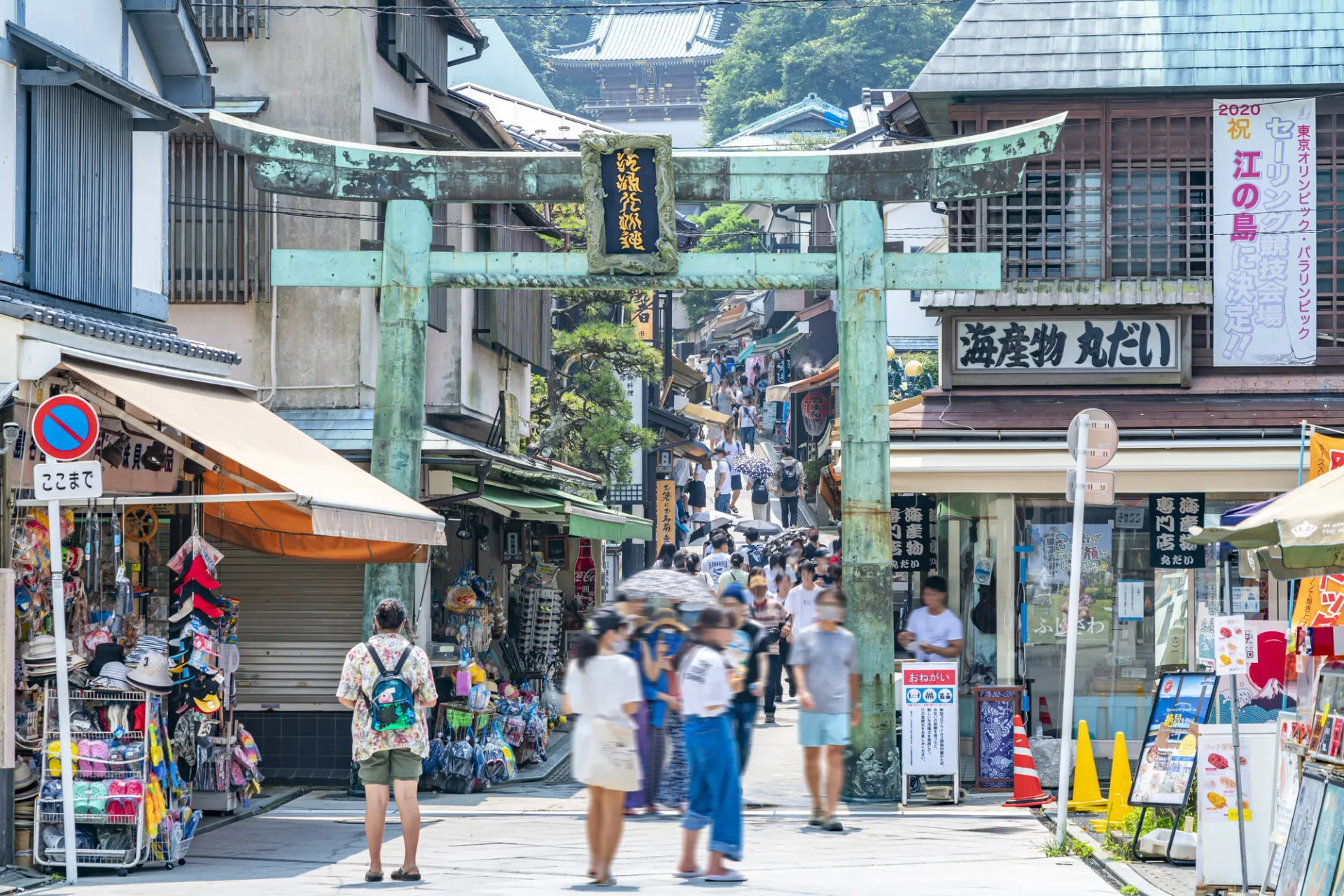
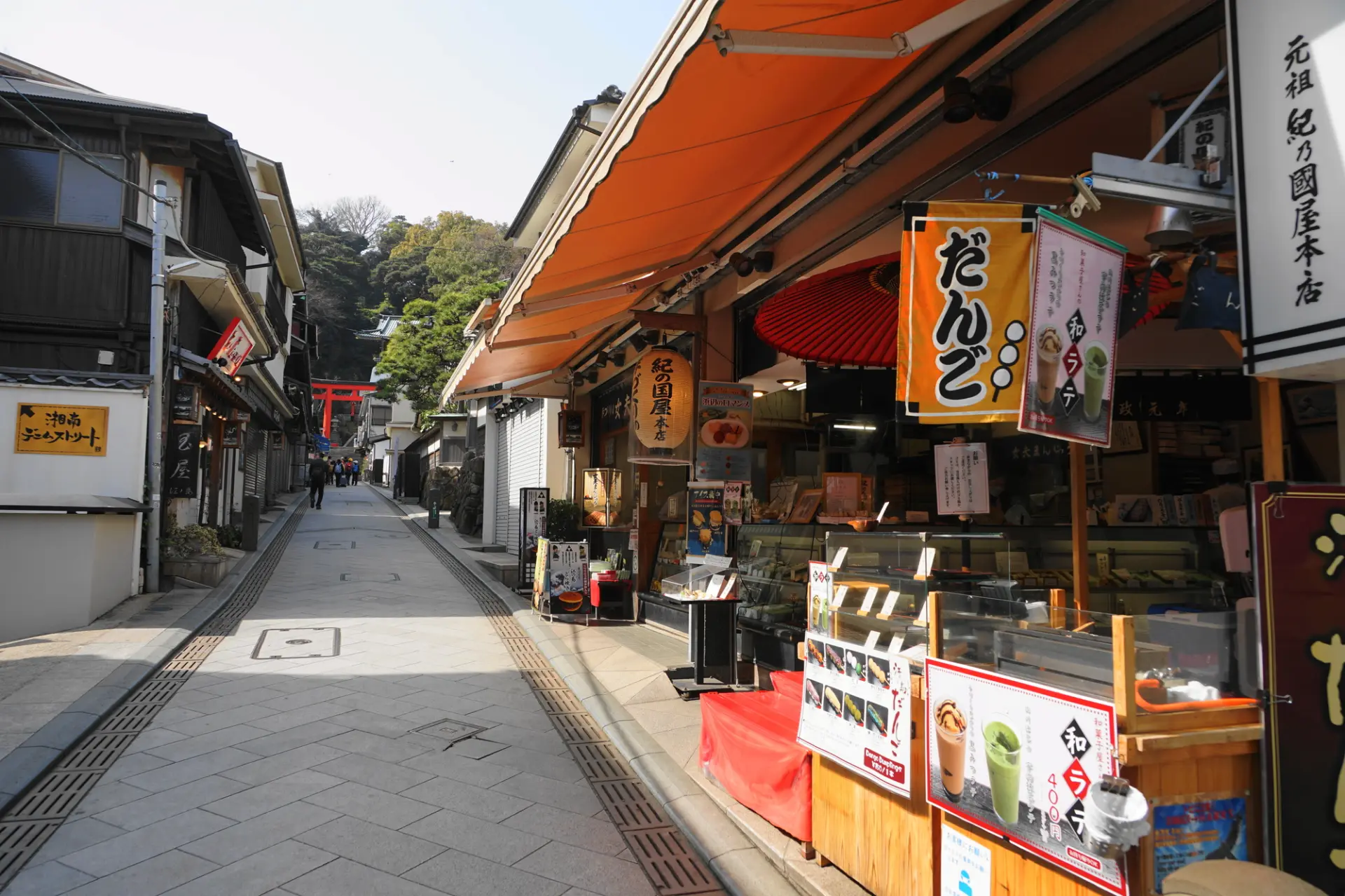
Approx. 15–20 minutes on foot from Katase-Enoshima Station on the Odakyu Line or Enoshima Station on the Enoshima Electric Railway, crossing Benten Bridge. This approach road begins at the bronze torii gate at the entrance to Enoshima and continues for Approx. 150 m to the vermilion torii gate of Enoshima Shrine. It serves as the gateway to sightseeing in Enoshima and is always lively with many visitors.
Traditional inns, souvenir shops, cafes, and casual eateries line both sides of the street, making it possible to enjoy a stroll before or after worship, Enoshima gourmet food, and souvenir shopping all at once. In addition to specialties such as fresh whitebait rice bowls and seafood bowls, there is also plenty of takeout food perfect for eating while walking, such as the striking tako senbei made by pressing a whole octopus. The scenery of old-fashioned storefronts and retro black post boxes adds even more travel charm.
2. Enoshima Shrine
Enoshima Shrine, whose shrine buildings are spread across the island’s gently elevated hill, is counted as one of Japan’s three great Benzaiten shrines. It is said to have been founded in the era of Emperor Kinmei, and since ancient times it has attracted the devotion of warriors and common people alike as a sacred place for Shugendo and Benzaiten worship. It consists of three shrines, Hetsunomiya, Nakatsunomiya, and Okutsunomiya, and is said to bring blessings such as improved financial luck, happiness, and artistic success.
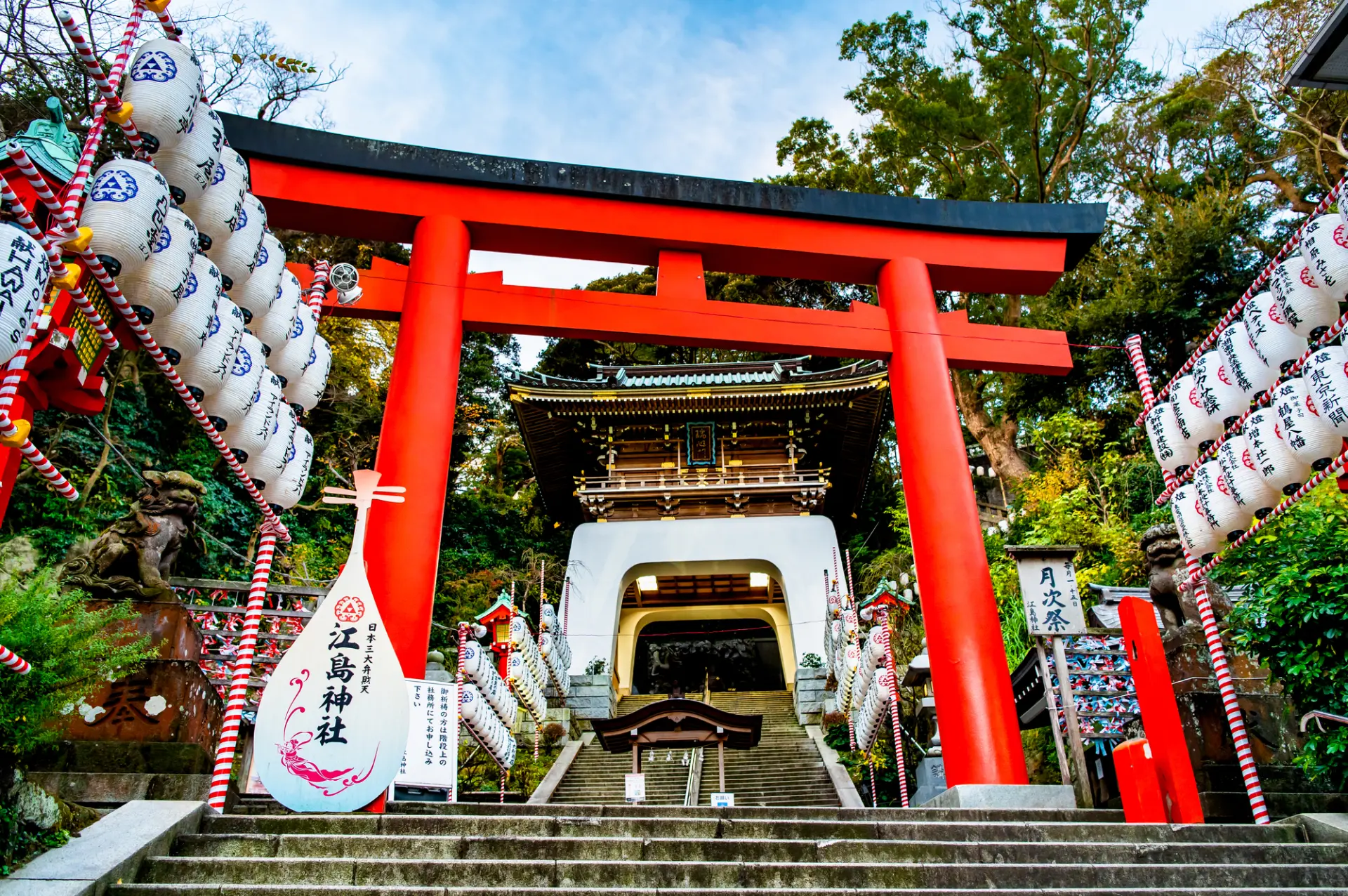
After passing through Benzaiten Nakamise Street and the approach, then climbing the stone steps, the first shrine you reach is Hetsunomiya. This shrine enshrines a goddess of the sea, and highlights include its vividly colored shrine building and the Benzaiten statue housed in the Hoanden hall. It is also popular as a spot for love and relationships, and it is said that wishes come true when you write your hope on a pink ema plaque and dedicate it here.
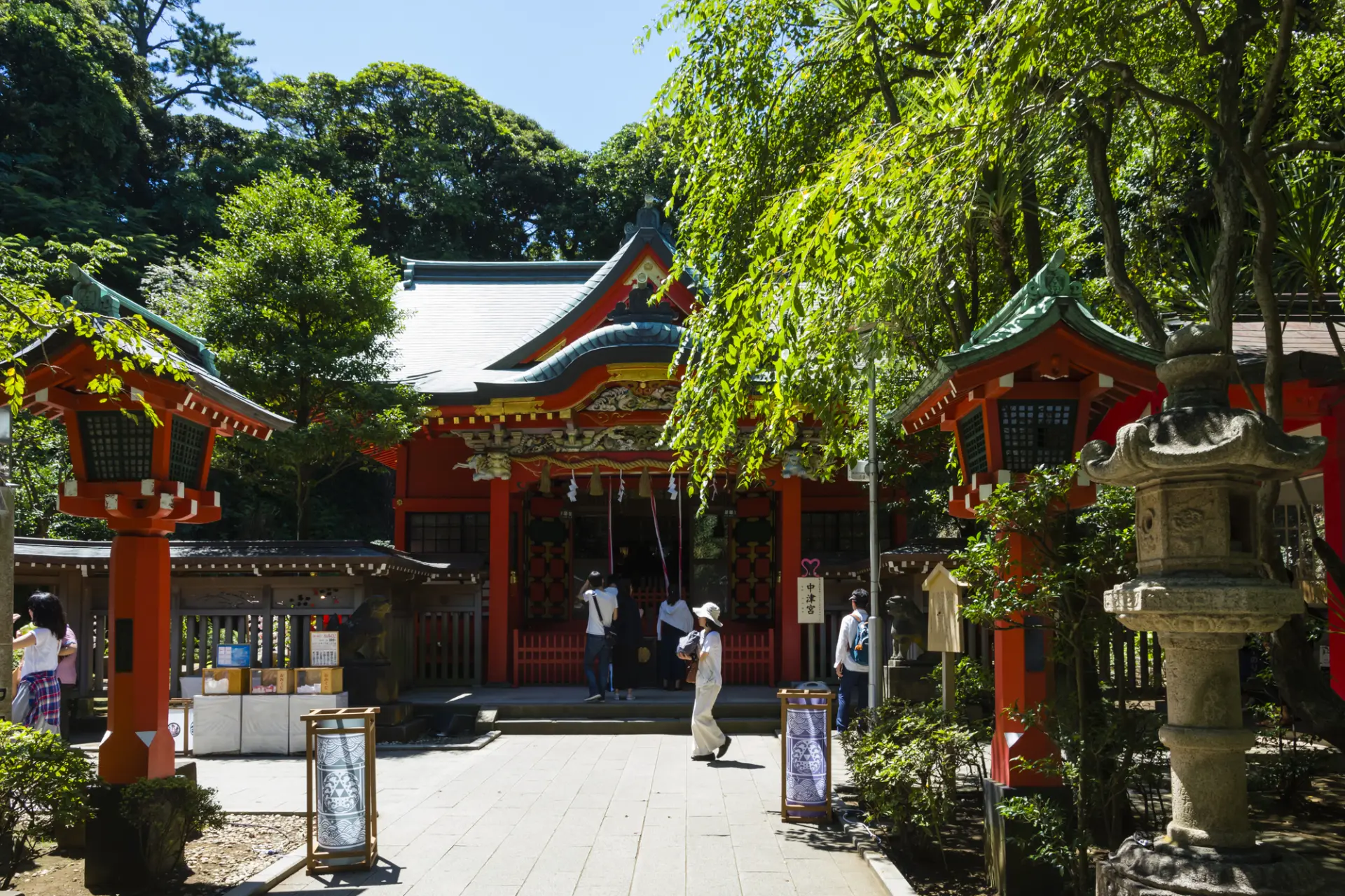
Further up, on the middle slope of Enoshima, is Nakatsunomiya, known for its striking vermilion shrine building. Its appearance from the Genroku era restoration has been recreated, and it draws many visitors seeking blessings for good relationships and improvement in the performing arts. The open view overlooking the sea is also beautiful.
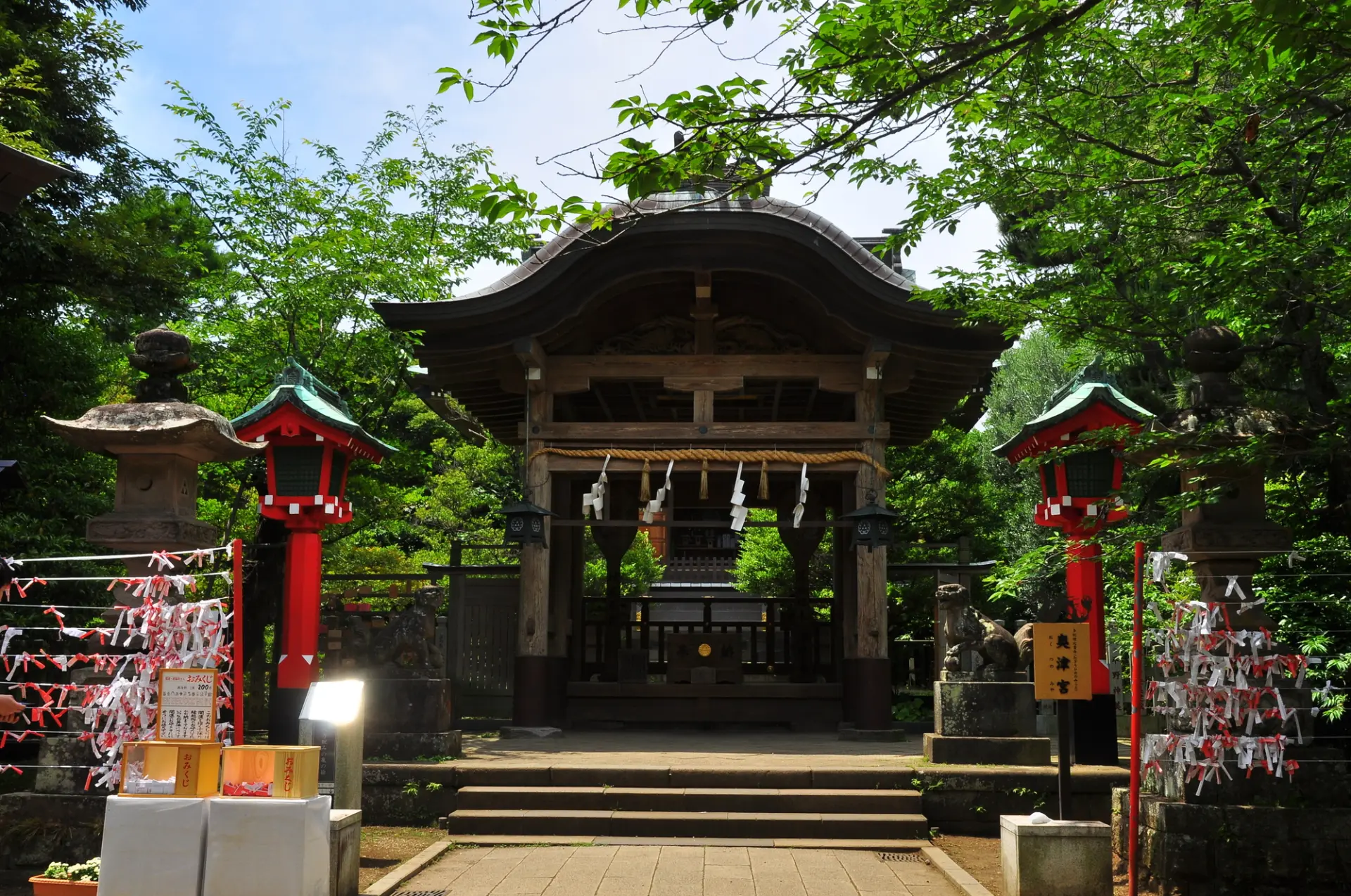
At the very back is Okutsunomiya, which has a quiet atmosphere surrounded by forest. Highlights full of history include the ceiling painting Yaho Nirami no Kame in the worship hall rebuilt in 1976, Kameishi rock shaped like a turtle, and a torii gate dedicated by Minamoto no Yoritomo.
3. Enoshima Escar
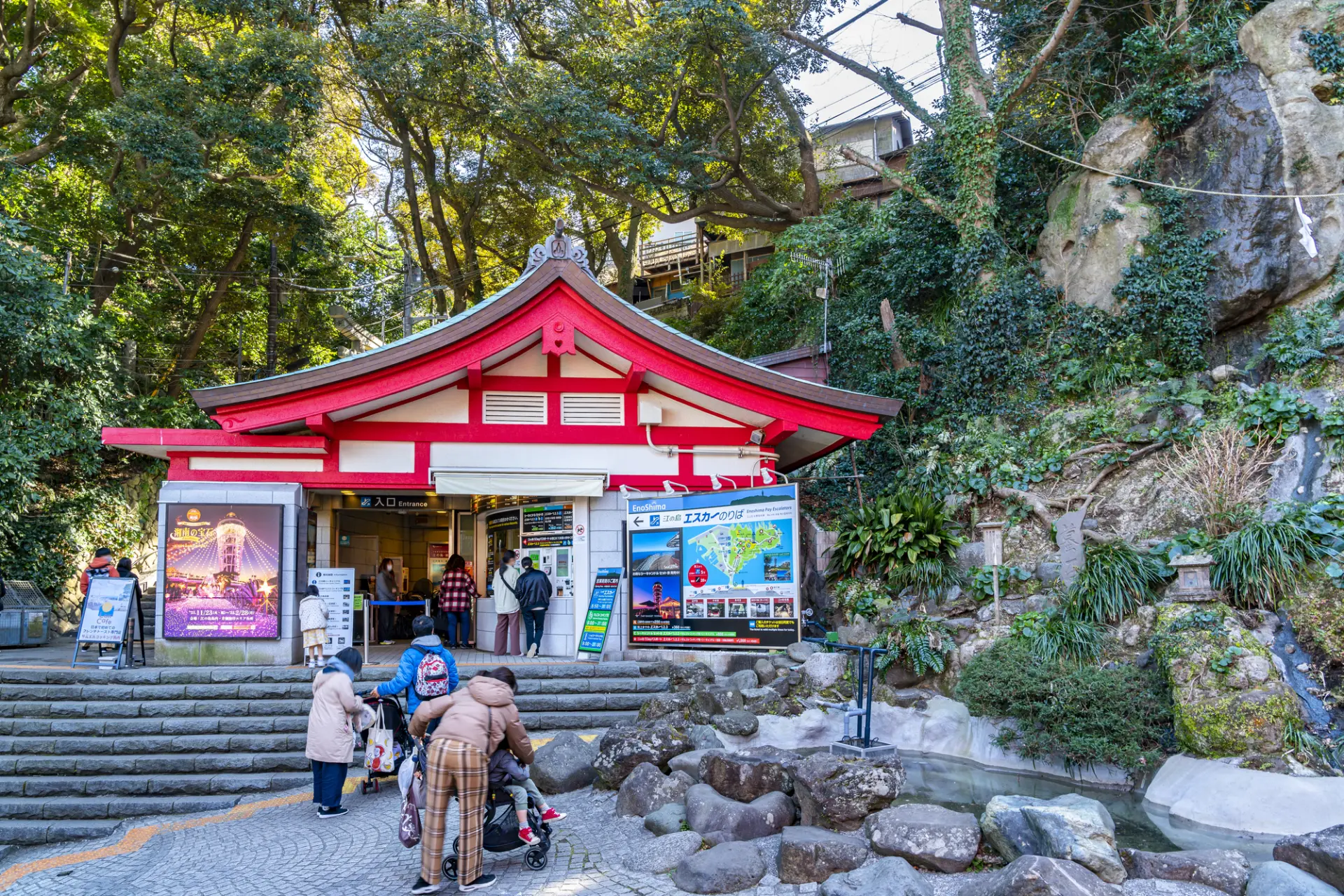
If you find the stairs and uphill paths difficult when visiting Enoshima Shrine, it is recommended to use the upward-only escalator called the Enoshima Escar. From beside the approach to Enoshima Shrine to the summit area of the island, four connected escalators cover a total length of Approx. 106 m and an elevation difference of Approx. 46 m. A slope that would take Approx. 20 minutes on foot can be climbed comfortably in about 5 minutes.
You can also stop by Hetsunomiya and Nakatsunomiya from the transfer points between each section. It is also convenient for those who want direct access to Samuel Cocking Garden and Enoshima Sea Candle at the top of Enoshima.
4. Enoshima Samuel Cocking Garden
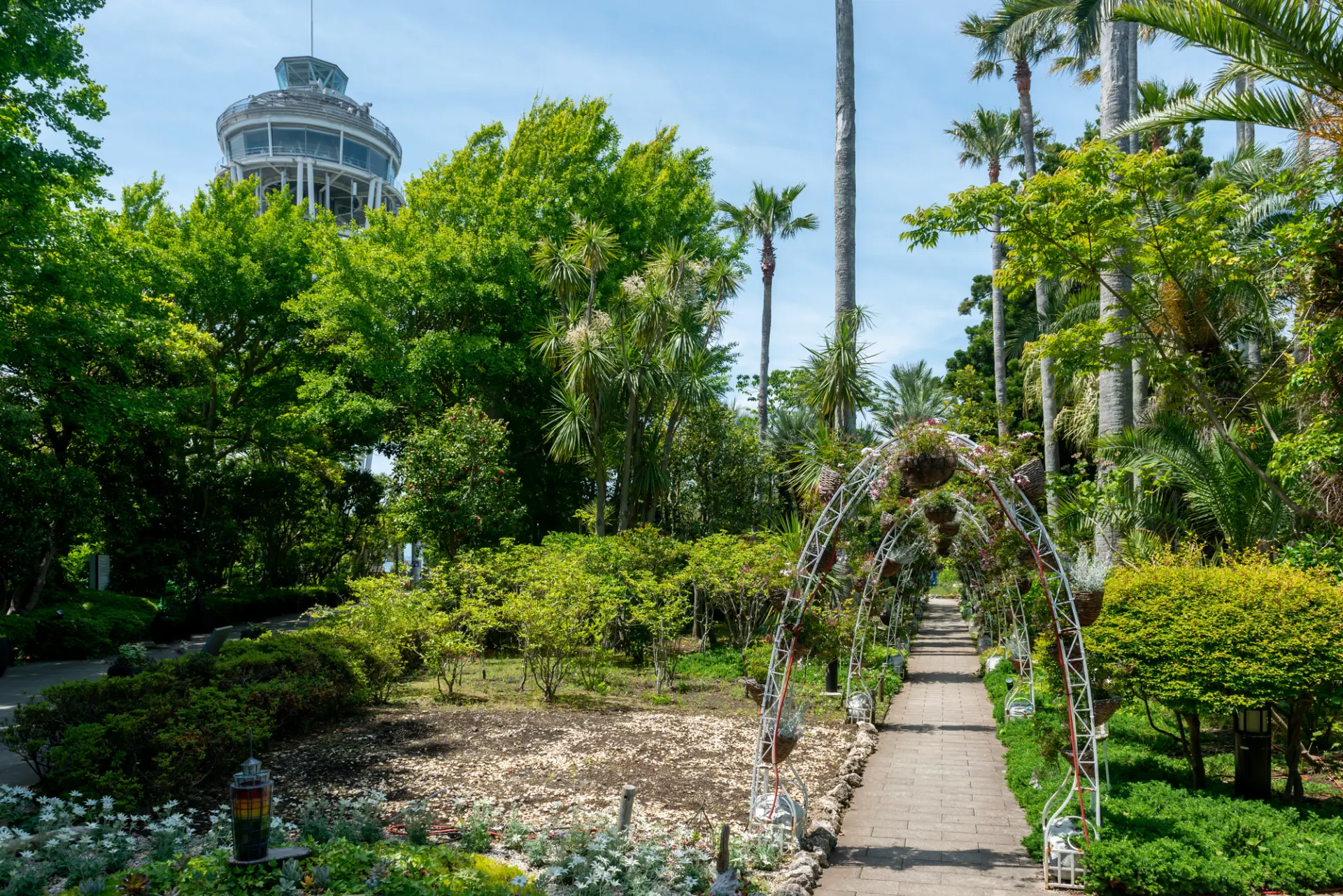
This large garden spreads across the summit area of Enoshima, where Enoshima Sea Candle stands. It originated from a Japanese-Western style garden created in 1885 during the Meiji era by British trader Samuel Cocking. Rare plants from around the world are planted across a vast site of Approx. 10,000 square meters, making it a place where visitors can enjoy plants throughout the year.
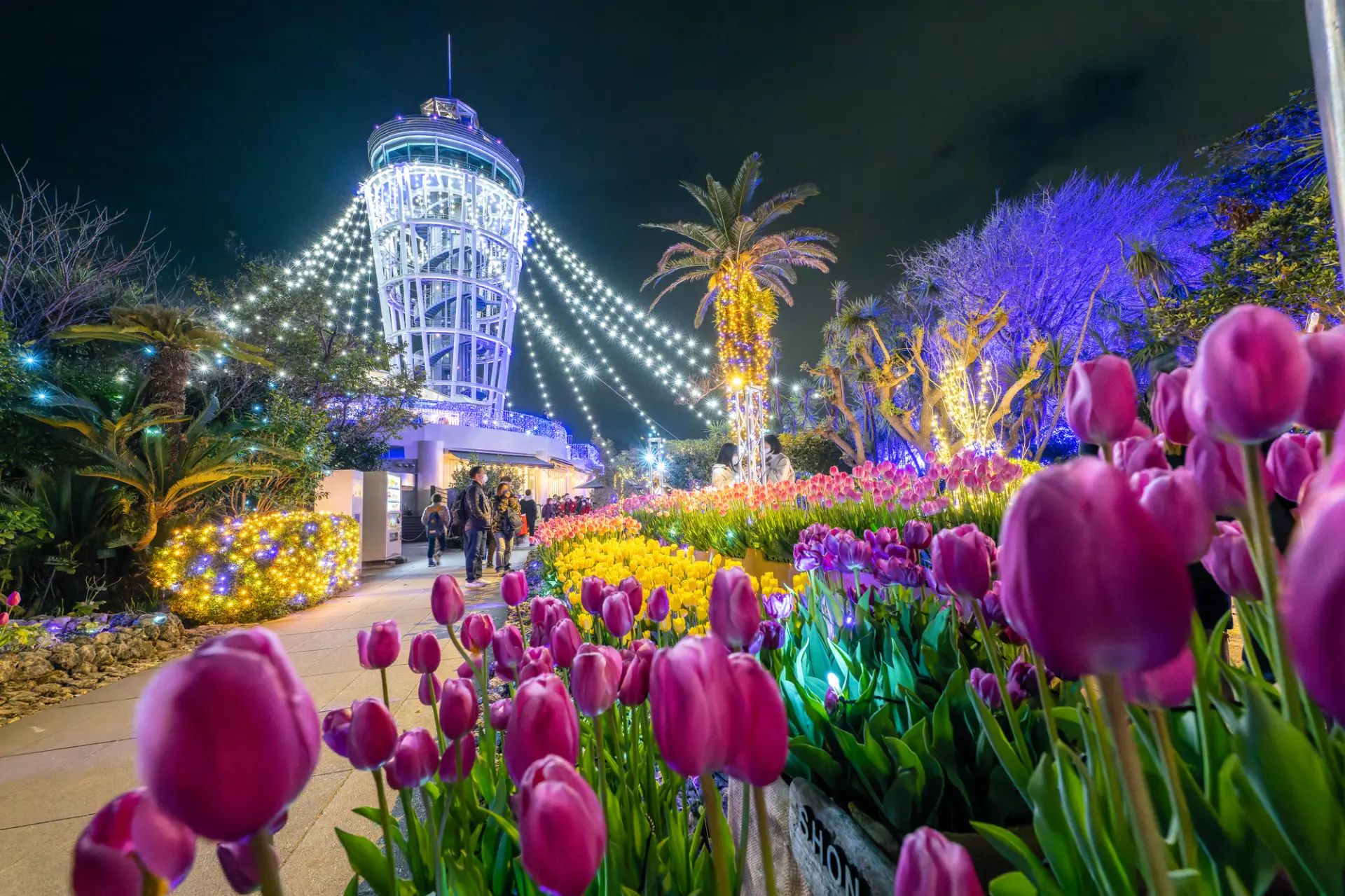
The garden has cafes, shops, and open spaces, along with a variety of attractions including the remains of a brick greenhouse that was once said to be the largest in the East and Enoshima’s symbol, Enoshima Sea Candle. Seasonal nighttime events are also held, including Enoshima Lanterns in July–August, Shonan Candle in October–November, and Shonan no Hoseki in November–February, giving the garden a different atmosphere by day and by night.
5. Enoshima Sea Candle (Enoshima Observation Lighthouse)
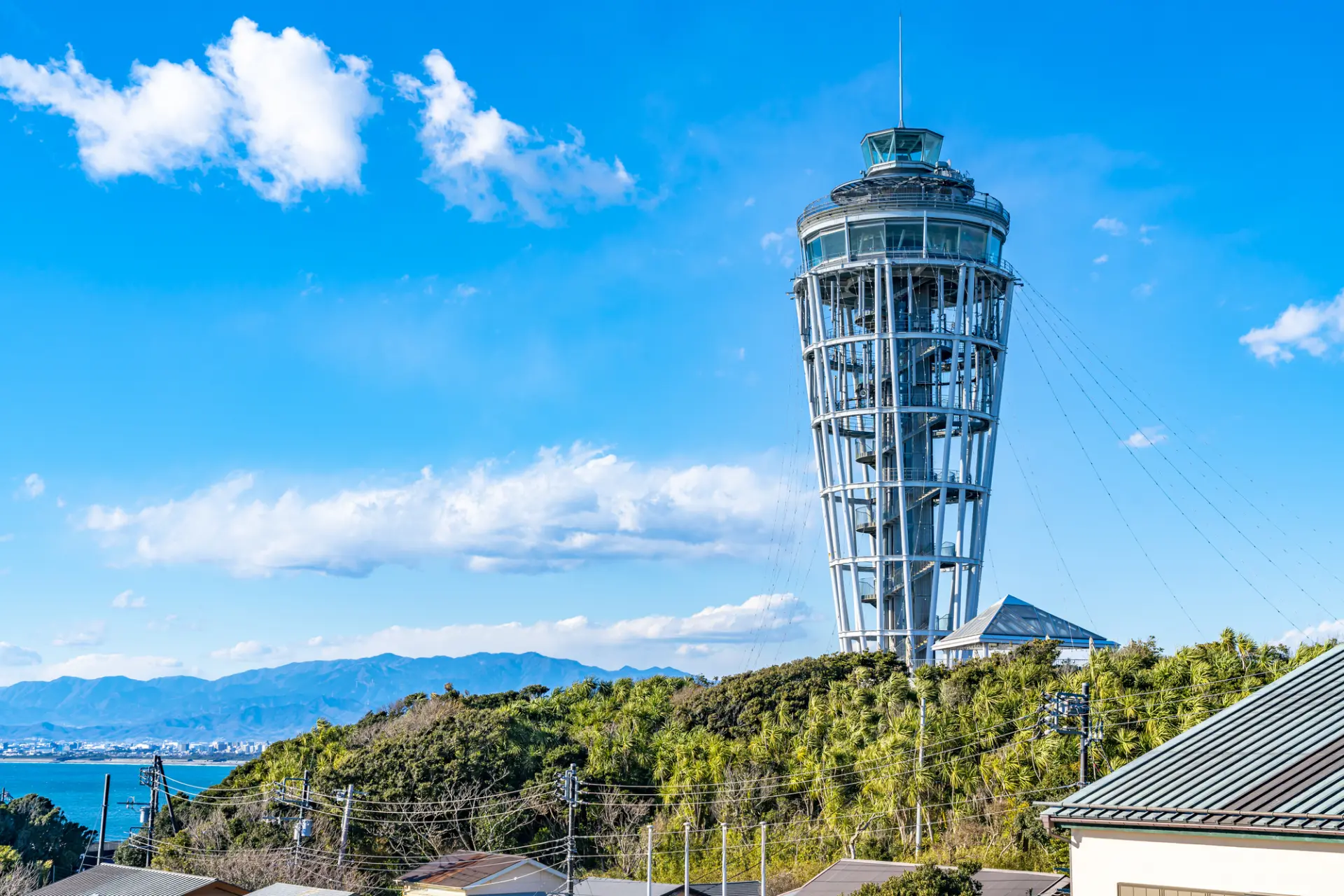
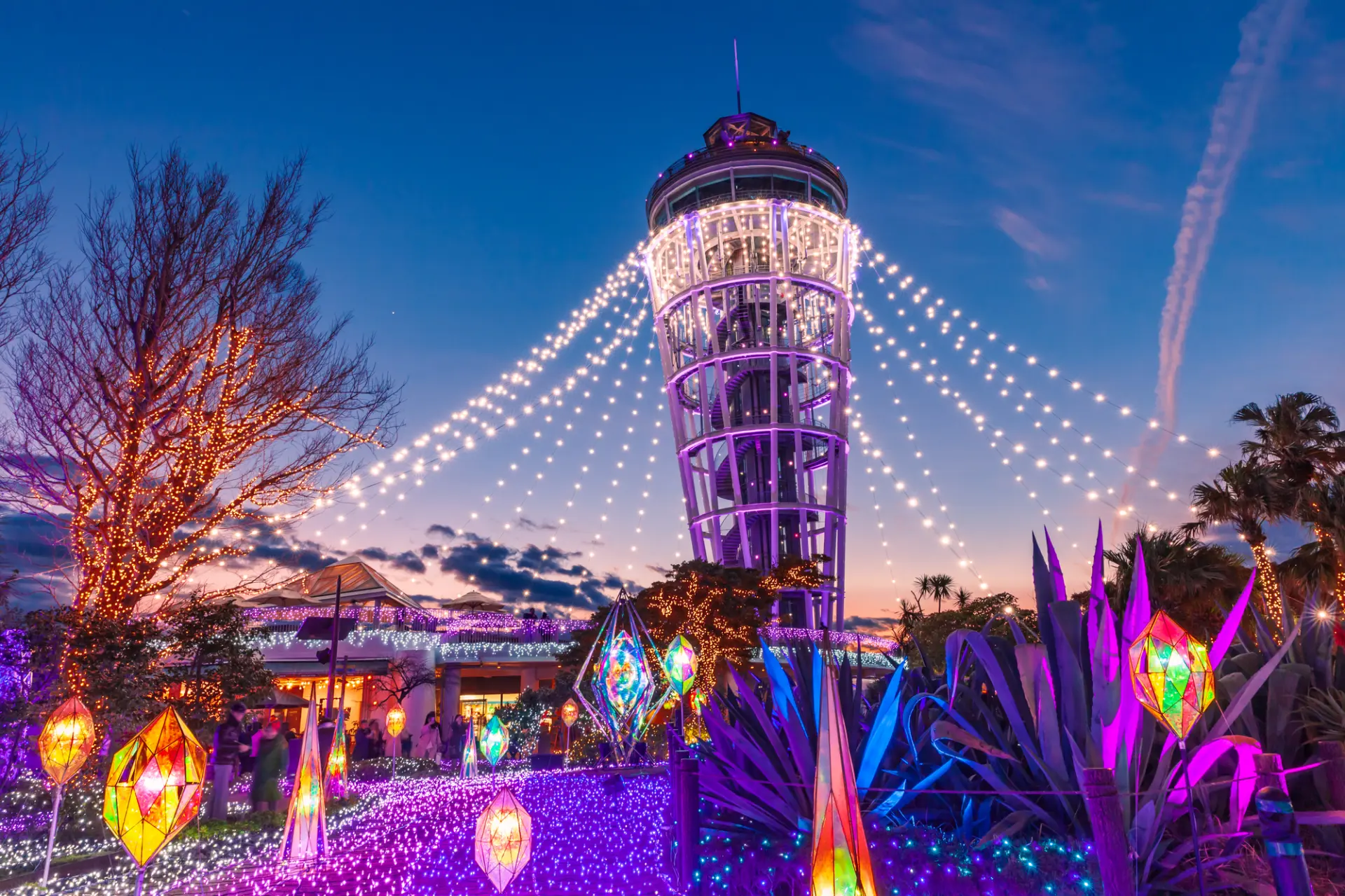
This observation lighthouse rises within Enoshima Samuel Cocking Garden and stands 59.8 m tall including the lightning rod. The former lighthouse, first established in 1951 as Japan’s first private lighthouse, was renewed in 2003. Its striking silhouette, like a glass tower, is impressive, and it is loved as Enoshima’s new symbol.
There is a glass-walled observation floor at a height of 41.75 m (101.56 m above sea level), and above that, the outdoor observation deck offers a 360-degree panorama while you feel the sea breeze. By day, you can look out over Mt. Fuji and the blue waters of Sagami Bay, and in fine weather even see as far as Izu Oshima, the Miura Peninsula, and the Yokohama area. At night, it is illuminated together with Enoshima Samuel Cocking Garden, and during illumination events you can enjoy a magical and romantic atmosphere.
6. Lover’s Hill, Ryuren Bell
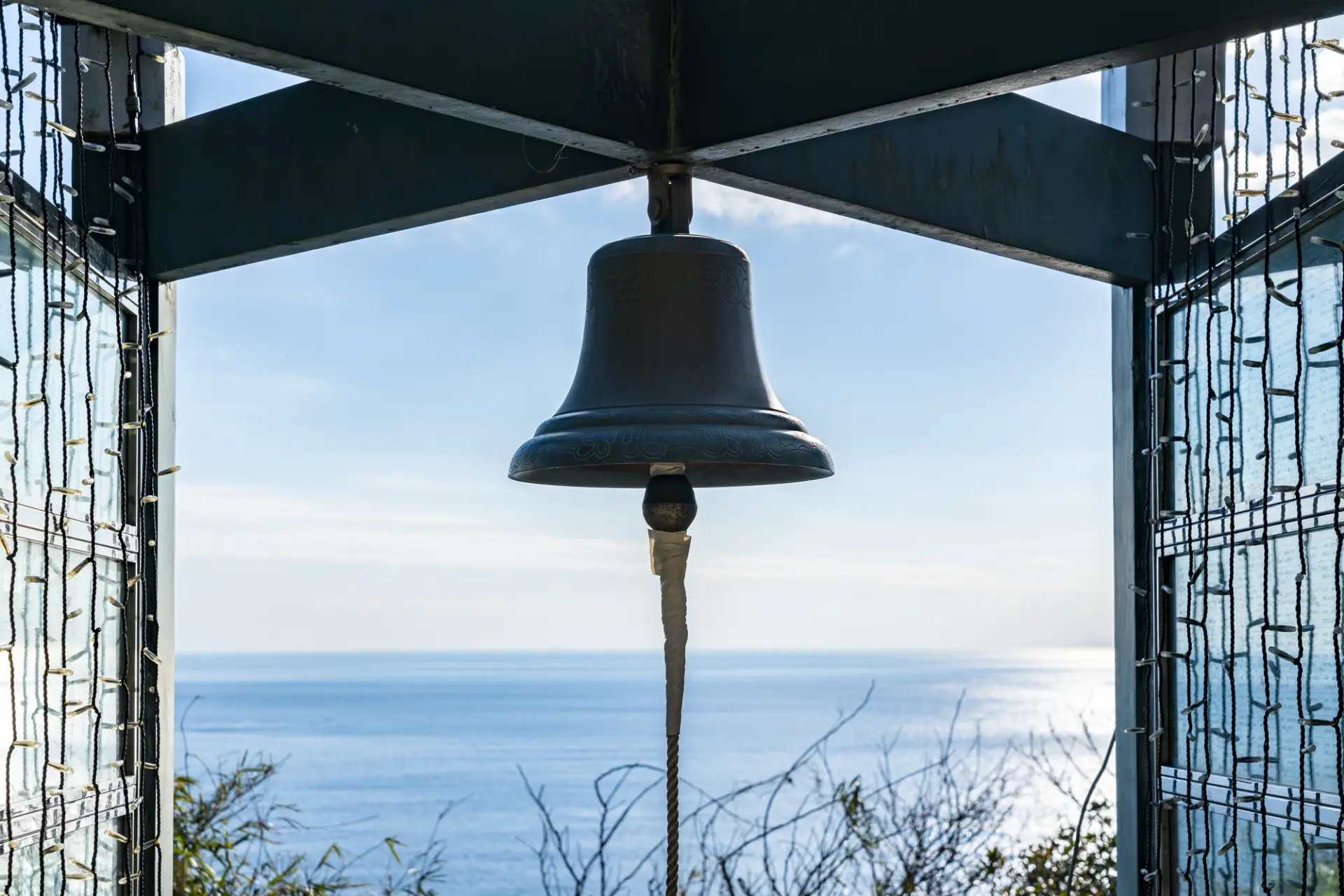
Standing on Lover’s Hill on the west side of Enoshima, this is a power spot for couples. The bell is linked to the love story of a heavenly maiden and the five-headed dragon passed down on Enoshima, and many couples visit hoping to share in that legend.
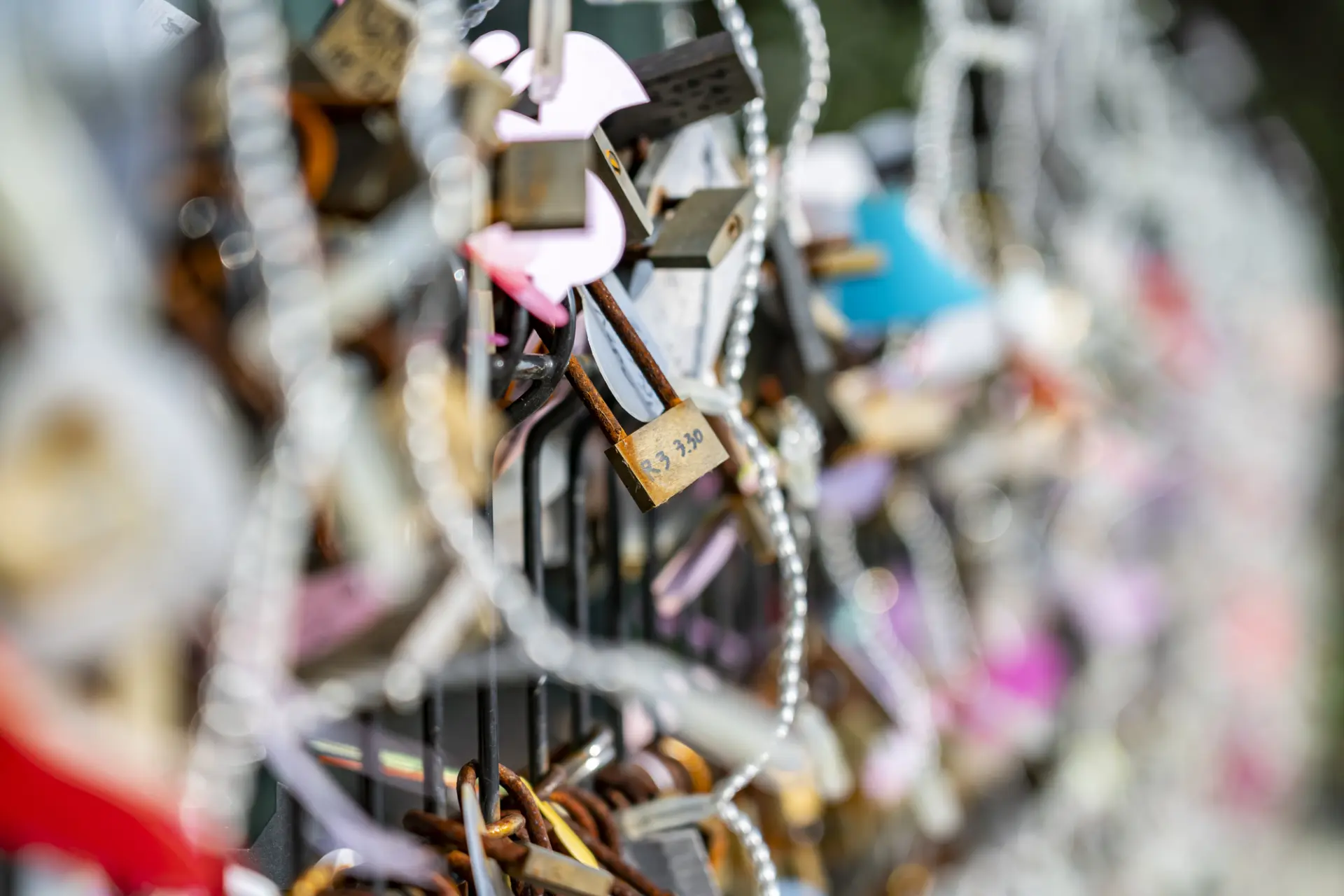
On the fence beside the bell, couples hang padlocks inscribed with their names and anniversaries, and the sight of colorful locks lined up is beautiful as well. From the hilltop, you can enjoy views of Sagami Bay and Mt. Fuji, and the scenery becomes even more romantic at sunset.
7. Enoshima Iwaya
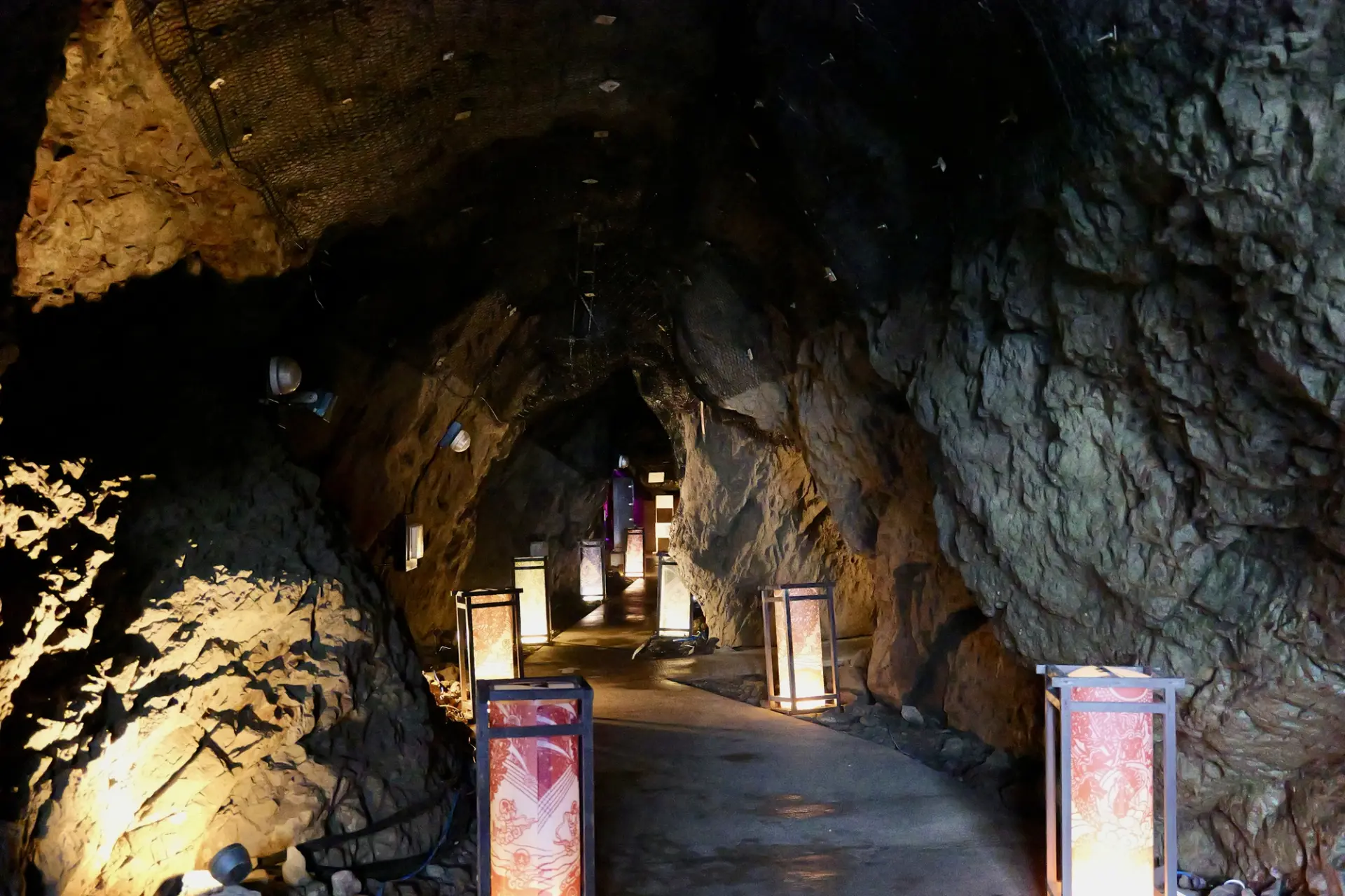
Located at the far end of Enoshima, this sea cave was formed over many years by wave erosion. It has long been revered as the birthplace of Enoshima worship, with traditions saying Kobo Daishi and Nichiren practiced here and records also remaining that Minamoto no Yoritomo prayed here for victory in battle.
Inside, the cave consists of the First Cave with a depth of Approx. 152 m and the Second Cave with a depth of Approx. 56 m, with the Second Cave said to be the setting of the dragon god legend. Stone statues and rock walls illuminated by candlelight create a mysterious atmosphere.
8. Chigogafuchi
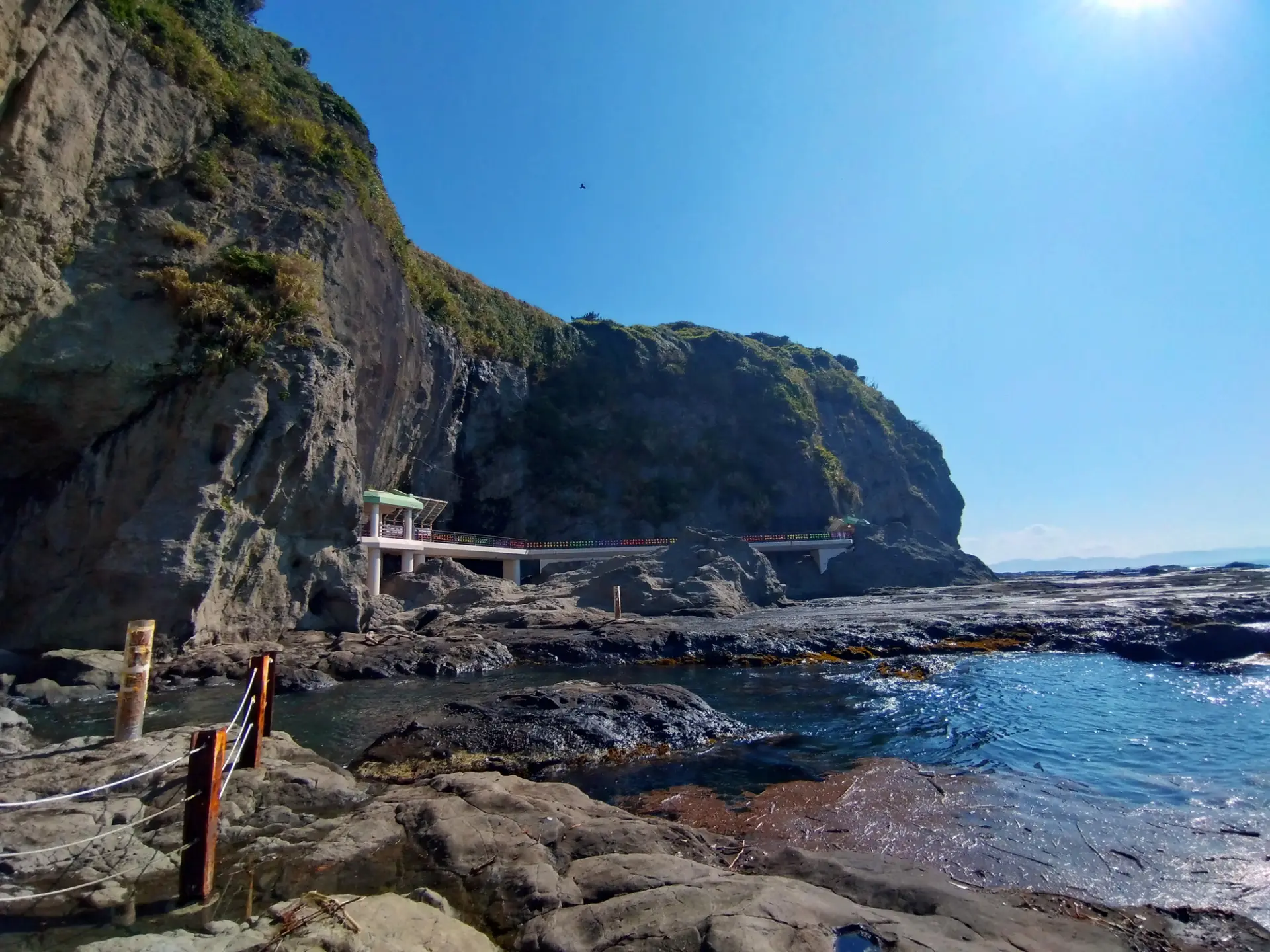
This flat rocky shore stretches along the westernmost edge of Enoshima and is named after a tragic love legend in which a child attendant named Shiragiku threw himself into the sea from here. Formed by long years of wave erosion and uplift caused by the Great Kanto Earthquake, it is a dramatic marine erosion terrace with spectacular views over Sagami Bay.
On clear days, you can see as far as Mt. Fuji and the Izu area, and during the day people can also be seen enjoying tide-pooling and fishing. At sunset, the scene of the sinking sun and the sea dyed orange is beautiful, and the spot has been selected as one of Kanagawa’s 50 Scenic Views.
9. Bentenmaru Sightseeing Boat
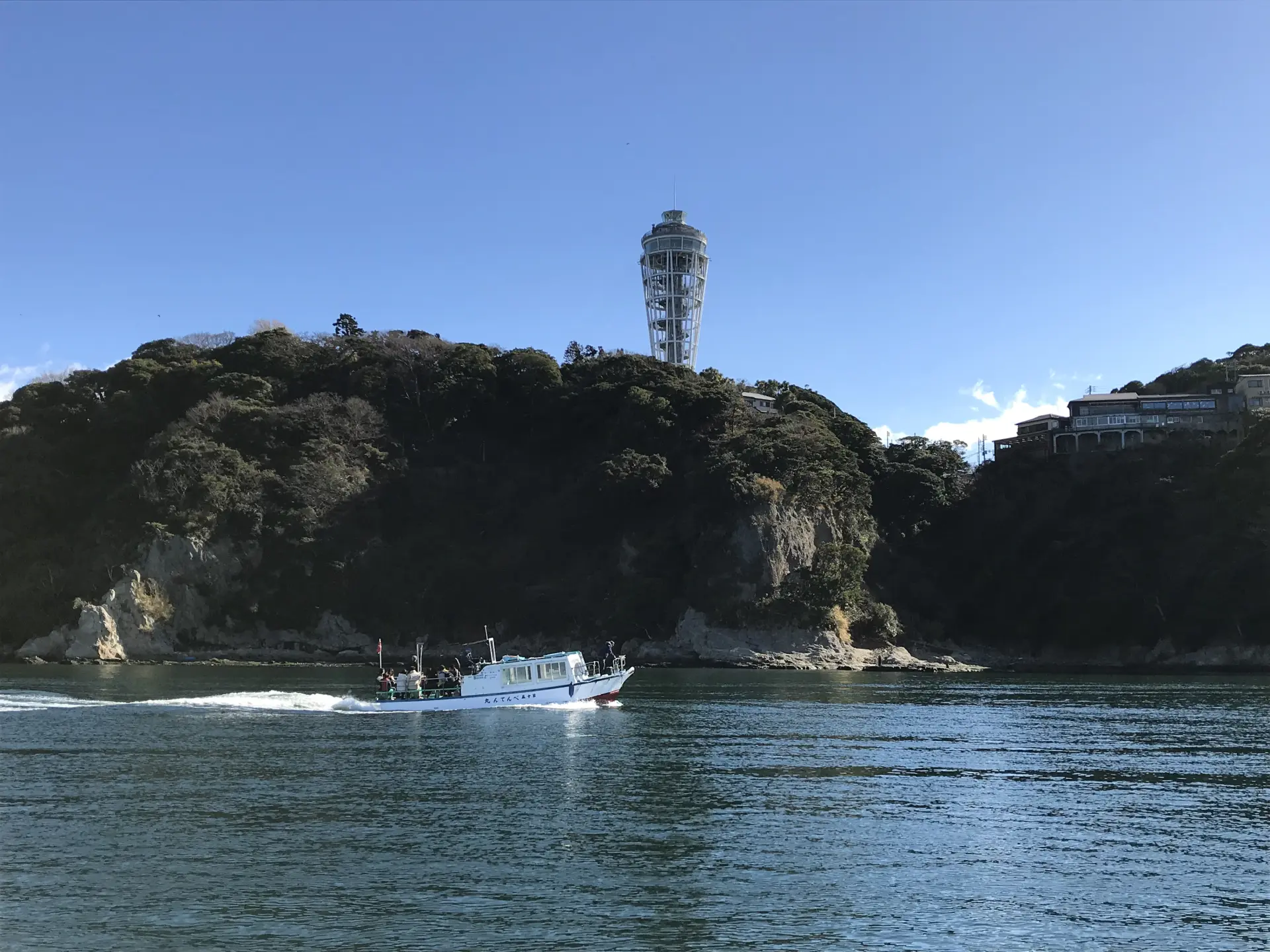
This small sightseeing boat connects the boarding area near Enoshima Benten Bridge with Chigogafuchi at the far end of Enoshima. A route with many ups and downs that takes Approx. 40 minutes on foot can be covered easily in an Approx. 6-minute boat ride. If you use it either on the way in or on the way back, sightseeing around the island becomes easier, and in this day trip plan it is used for the return trip.
From the boat, you can view Enoshima’s cliffs and Sagami Bay up close, and even though the ride is short, that cruise-like feeling is part of its appeal.
10. Enoshima Aquarium
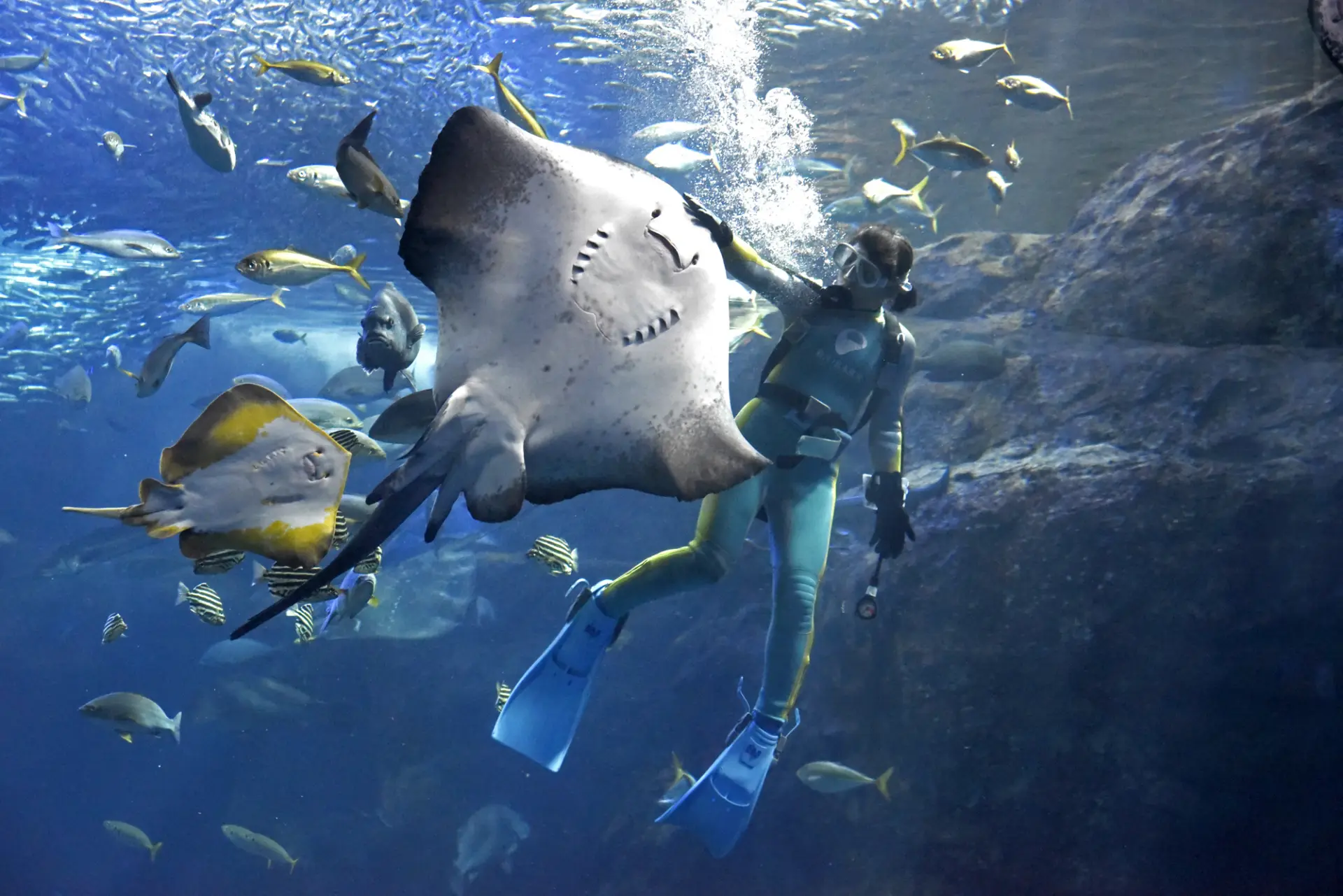
If you are staying overnight near Enoshima or have extra time, one place you should definitely stop by is New Enoshima Aquarium, affectionately known as Enosui. Located along Kugenuma Coast before crossing over to Enoshima, it is themed around the diverse marine life living in Sagami Bay and the Pacific Ocean. In its dynamic main tank, 6.5 m deep and designed to recreate the environment of Sagami Bay, you can enjoy the beautiful sight of about 20,000 fish of around 100 species, including Approx. 8,000 Japanese sardines, sharks, and rays, swimming in schools.
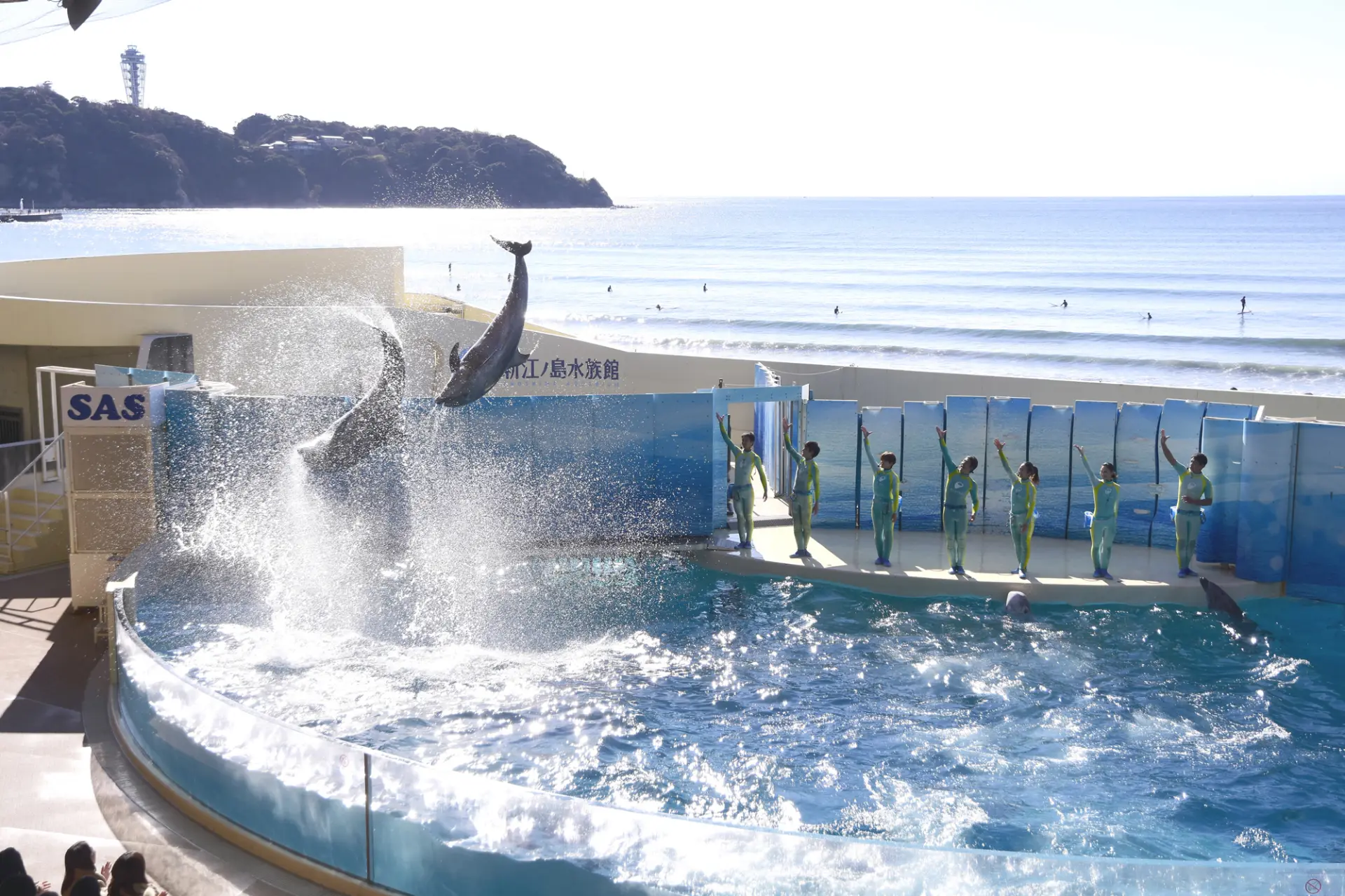
At Jellyfish Fantasy Hall, you can observe more than 40 species of jellyfish at all times, and the sight of many kinds of jellyfish drifting through the light-filled space feels like a fantasy world. At the dolphin show stadium, with Mt. Fuji and Enoshima in the background, you can watch performances by bottlenose dolphins.
Day Trip to Enoshima Model Course Schedule
- 8:00am
- Katase-Enoshima Station on the Odakyu Line, Enoshima Station on the Enoshima Electric Railway
- ...
- 3–12 minutes on foot
- 8:10am
- Enoshima Koya
- ...
- 15 minutes on foot
- 9:15am
- Enoshima Benzaiten Nakamise Street *You can also enjoy street food at Asahi Honten and Kinokuniya Honten
- ...
- 5 minutes on foot
- 9:50am
- Enoshima Shrine *Visit on foot from the Enoshima Shrine Otorii Gate or use the Enoshima Escar
- ...
- 5 minutes on foot from Enoshima Shrine Nakatsunomiya
- 11:30am
- Enoshima Samuel Cocking Garden, Enoshima Sea Candle (Enoshima Observation Lighthouse)
- ...
- 5 minutes on foot
- 1:00pm
- iL-CHIANTI CAFE Enoshima
- ...
- 15 minutes on foot
- 2:15pm
- Lover’s Hill, Ryuren Bell
- ...
- 10 minutes on foot
- 3:00pm
- Enoshima Iwaya
- ...
- 5 minutes on foot
- 3:30pm
- Chigogafuchi
- ...
- 5 minutes on foot
- 4:00pm
- Take the Bentenmaru sightseeing boat to Benten Bridge
*If you are staying overnight or have extra time: Enoshima Aquarium
Map of the Day Trip to Enoshima Model Course
Signature Rice Bowls and Street Food! 3 Popular Gourmet Spots around Enoshima
1. Enoshima Koya
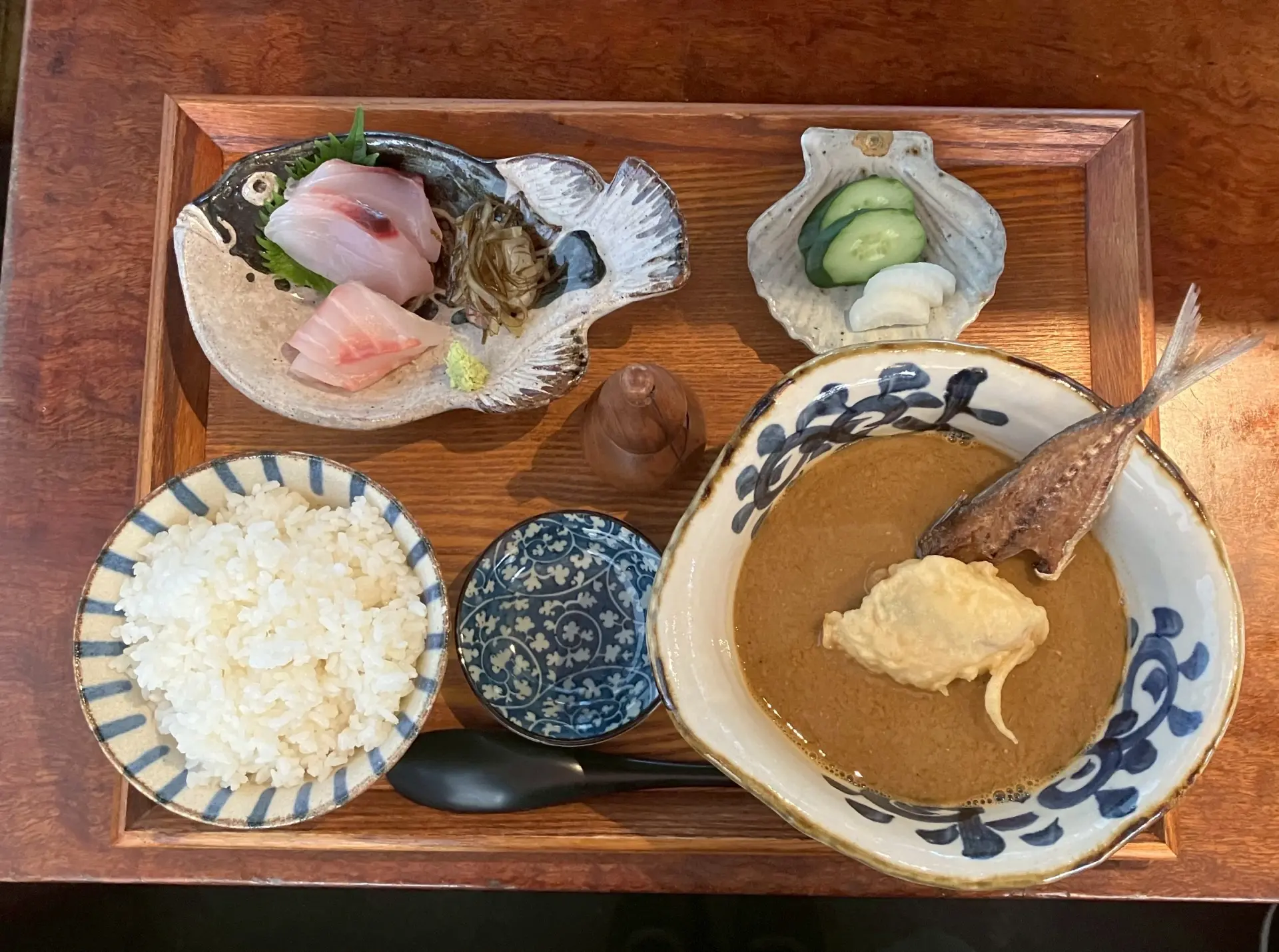
A popular seafood restaurant that uses fresh fish delivered directly from Katase Fishing Port and fishing grounds across Japan. With a location overlooking the sea in front of Katase Fishing Port, it is also recommended to stop by before sightseeing in Enoshima or visiting the aquarium. Its signature dish is the Makanai-don, a rice bowl topped with namero made from several kinds of chopped fresh fish and finished with a secret sesame sauce. The rich fisherman's soup, made by simmering dozens of kinds of fish and shellfish with vegetables, is especially popular as a breakfast menu item available from 8:00am.
2. Asahi Honten
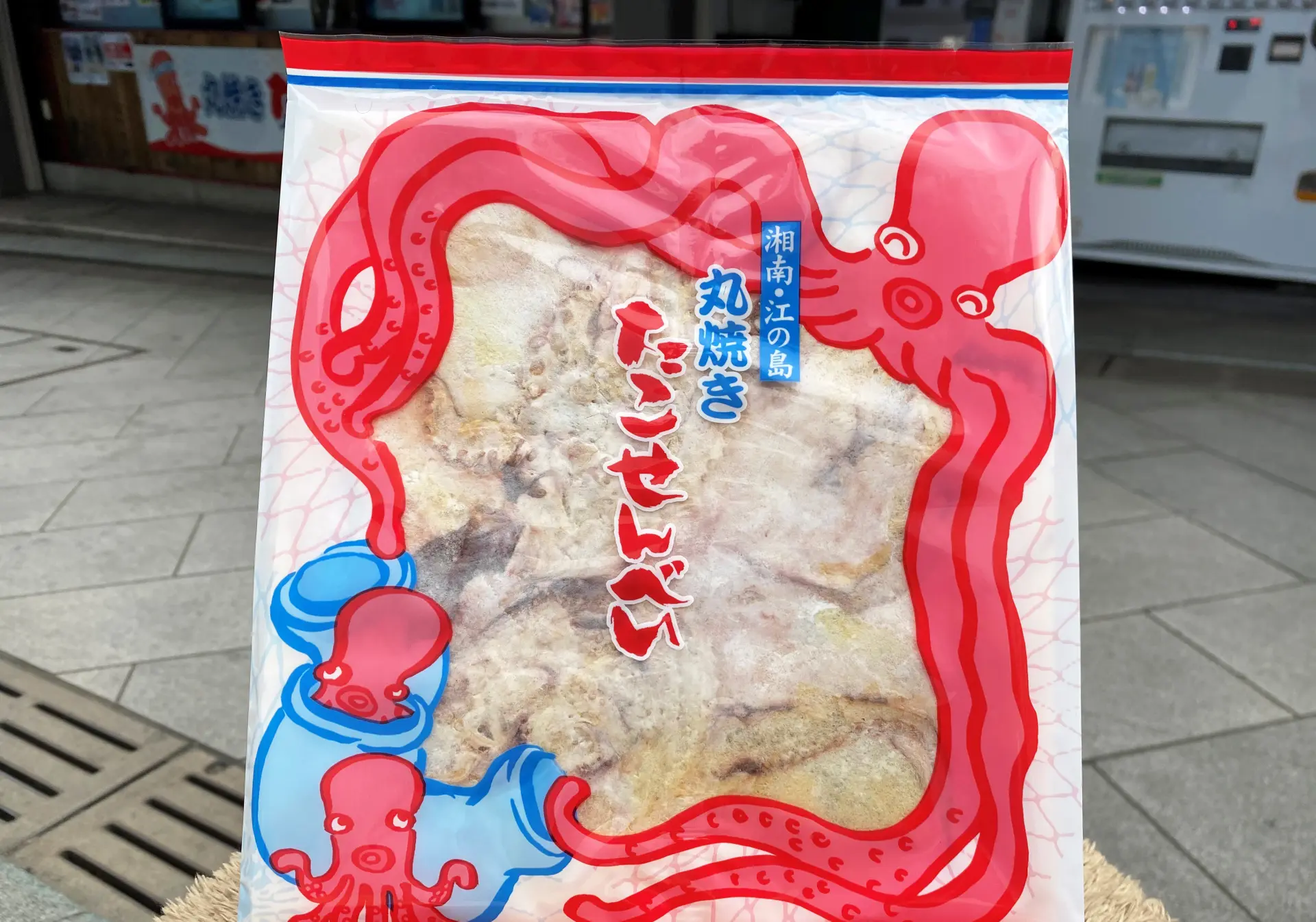
This shop on Enoshima Benzaiten Nakamise Street is known for Enoshima’s famous maruyaki tako senbei. Fresh octopus is laid whole on an iron plate, then grilled all at once under the intense pressure of one ton and high heat, creating a cracker with a crisp texture and rich flavor that is perfect for eating on the go. Many visitors stop in, drawn by the savory aroma, and lines are common.
3. Kinokuniya Honten
Founded in 1789, this long-established Japanese sweets shop is also located on Enoshima Benzaiten Nakamise Street. Its specialty is Meoto Manju, made one by one with handmade house-made sweet bean paste. You can enjoy two kinds: a brown sugar-flavored tea manju filled with chunky red bean paste, and a white manju made with sake-infused dough and smooth red bean paste.
There are also many other Enoshima-style sweets, including Enoshima Monaka shaped like shells such as turban shells and clams, Enoshima Dango with a savory secret mitarashi sauce, and Ice Monaka filled with sweet bean paste and ice cream. It is an ideal shop both for snacking during a stroll and for choosing souvenirs.
2 Cafes with Spectacular Ocean Views to Stop by during a Stroll around Enoshima
1. iL-CHIANTI CAFE Enoshima
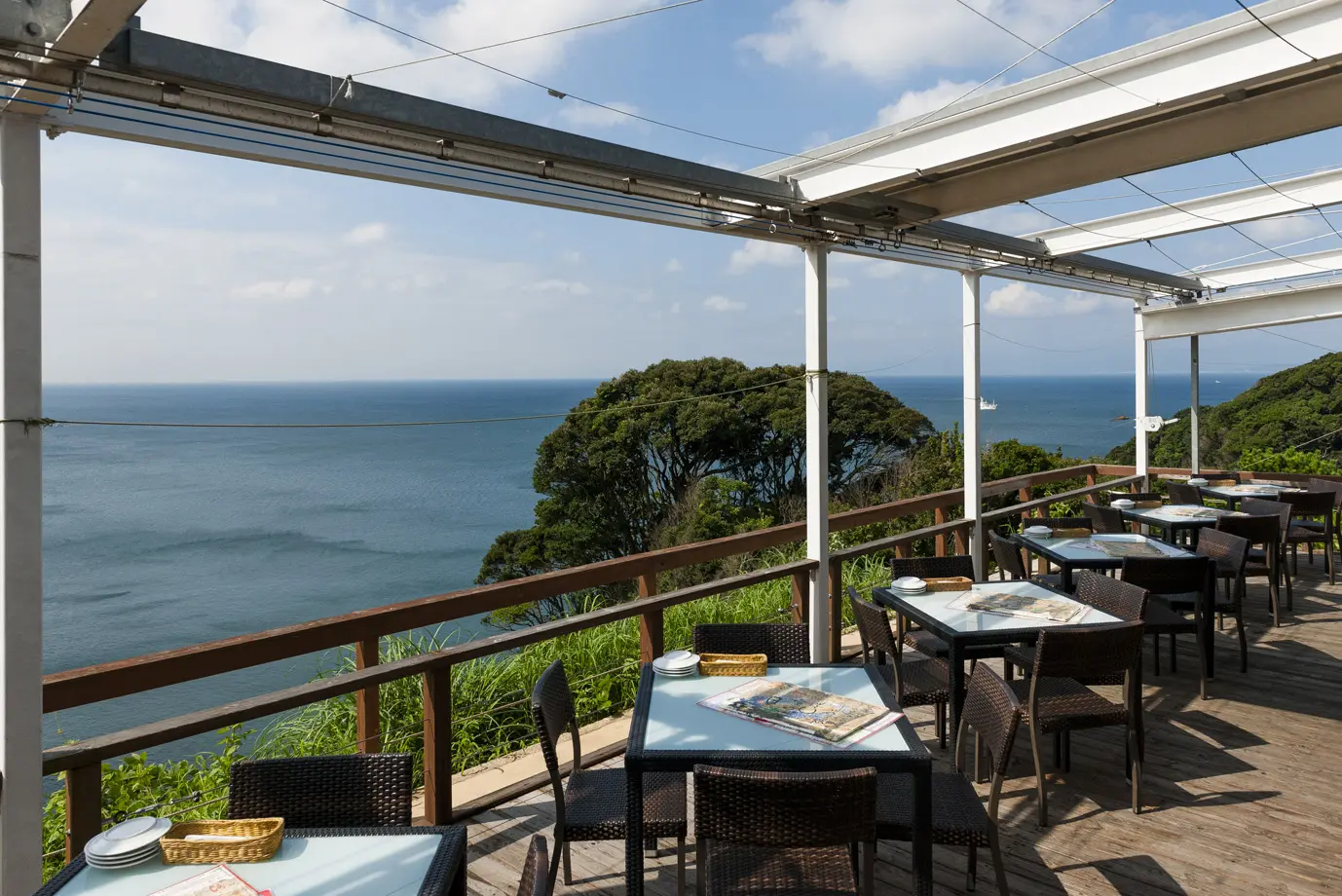
A cafe in the summit area of Enoshima with ocean views from every seat. From the open interior and terrace seating inspired by a restaurant perched on the cliffs of Sicily, you can enjoy an uninterrupted view of the vast ocean.
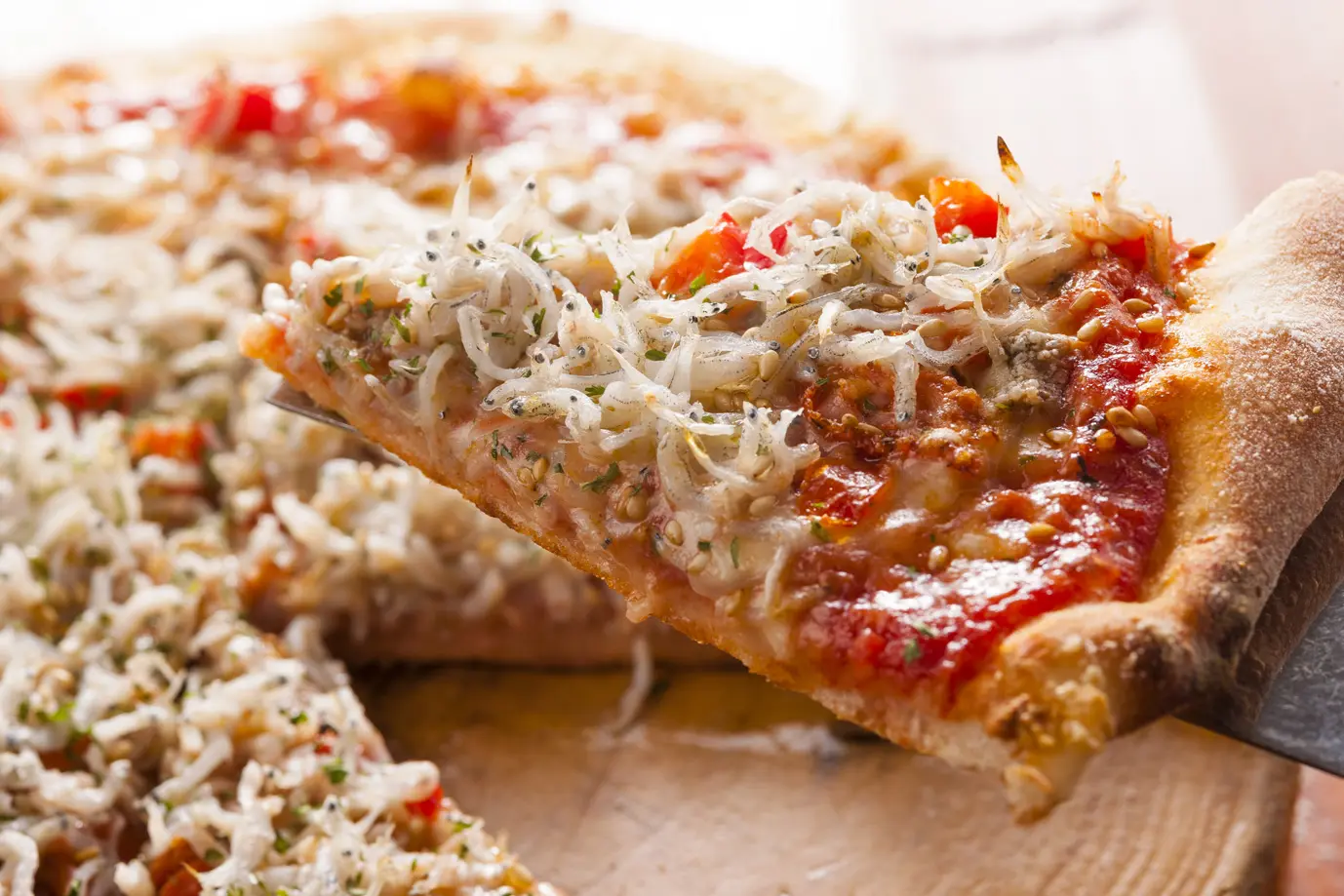
The menu is extensive, with about 100 items, including Shonan-style Italian dishes made with plenty of local seafood, such as pizza and pasta topped with whitebait. You can also relax over cafe-style sweets like gelato and tiramisu, or alcoholic drinks, while watching the sunset.
2. LONCAFE Shonan Enoshima Main Store
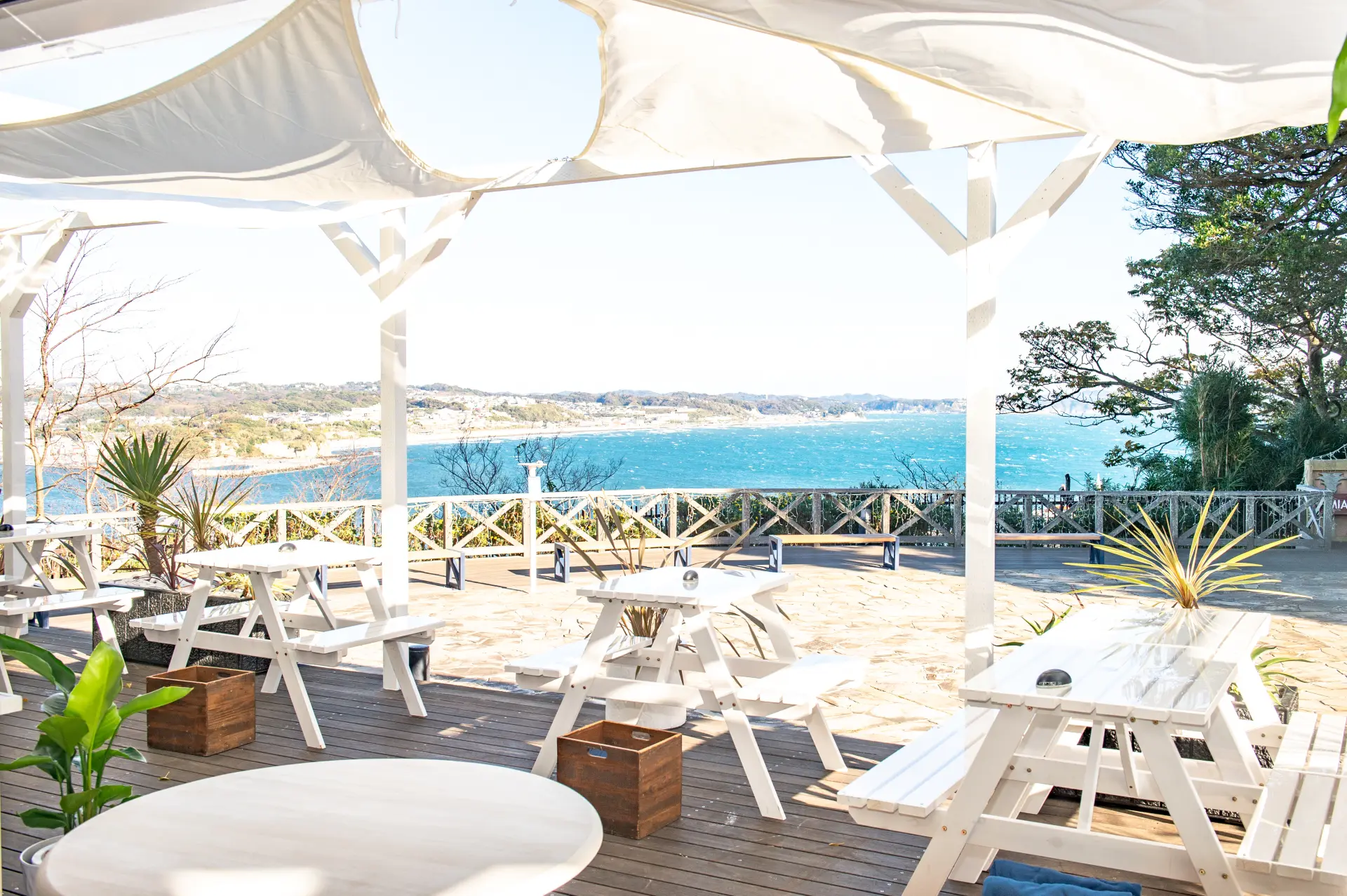
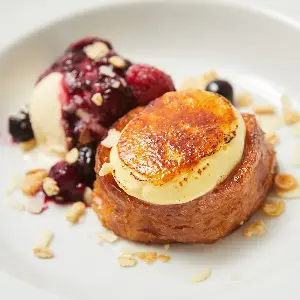
Located inside Enoshima Samuel Cocking Garden, this is Japan’s first specialty French toast cafe. Baguettes soaked slowly in the original sauce are grilled fresh for each order, creating a texture that is crisp on the outside and soft and melty on the inside.
A favorite since opening is the Rich Crème Brûlée, served on top of French toast and finished with a burner until the surface turns crisp. The slightly bitter brûlée pairs perfectly with the creamy French toast. The spectacular view from the terrace seats overlooking the coastline toward Kamakura is also highly praised, making it a popular stop during a walk around Enoshima.
Summary
With one day, you can visit Enoshima’s main spots, yet the island has such a wide variety of attractions that you can enjoy it no matter how many times you return. Various events are held depending on the season, so visiting again at a different time of year is also recommended. No matter who you come with, Enoshima offers a great time, so enjoy a fulfilling day while feeling the sea breeze.
