

Toyotomi Hideyoshi
Born to a poor farming family, he united Japan in a once-in-a-lifetime rise to power.
Toyotomi Hideyoshi rose from a poor farming family to become kampaku, the highest rank among Japan’s court nobility, and went on to unify Japan.
It’s no exaggeration to call him Japan’s greatest self-made success story.
Together with Oda Nobunaga and Tokugawa Ieyasu, he is known as one of the Three Great Unifiers of the Sengoku period.
How did someone born a farmer unite the nation, and what kind of person was he? Let’s explore his life, famous episodes, and quotes.
Highlights
-
Not born into a samurai family like Oda Nobunaga or Tokugawa Ieyasu, but into a poor farming family
-
Entered Nobunaga’s service, starting as a horse handler and sandal bearer
-
His talent was recognized by Nobunaga, and he rose from retainer to warlord
-
After learning of the Honnō-ji Incident, he pulled off the feat known as the “Chūgoku Great Return” and defeated Akechi Mitsuhide
-
Adopted into a noble family and became kampaku, the highest rank among the court nobility
-
Unified Japan in a once-in-a-lifetime rise to power
Toyotomi Hideyoshi Timeline
| Year | What happened |
|---|---|
| 1537 | Born into a poor farming family |
| 1551 | Served a retainer family under the Imagawa clan |
| 1554 | Entered Oda Nobunaga’s service as a retainer |
| 1566 | Built Sunomata Castle overnight as a forward base for an invasion |
| 1570 | Served as the rear guard at the Battle of Kanegasaki, enabling Nobunaga’s safe retreat |
| 1572 | Changed his name to Hashiba Hideyoshi |
| 1574 | Became lord of Nagahama Castle in Ōmi |
| 1582 | Captured Bitchū Takamatsu Castle using flood tactics |
| 1582 | The Honnō-ji Incident |
| 1582 | Carried out the “Chūgoku Great Return” and defeated Akechi Mitsuhide |
| 1582 | At the Kiyosu Conference to decide Nobunaga’s successor, Sanbōshi (whom Hideyoshi backed) was chosen |
| 1583 | Defeated Shibata Katsuie at the Battle of Shizugatake, cementing his position as leading successor |
| 1583 | Began building Osaka Castle |
| 1584 | The Battle of Komaki and Nagakute against the allied forces of Oda Nobuo and Tokugawa Ieyasu |
| 1585 | Appointed kampaku |
| 1590 | Forced the Hōjō clan to surrender, unifying Japan in both name and reality |
| 1592 | Invaded Korea |
| 1593 | His concubine Yodo-dono gave birth to his heir, Toyotomi Hideyori |
| 1598 | Died after falling ill |
Toyotomi Hideyoshi’s Life
Let’s trace Hideyoshi’s life from farmer to ruler, along with his key achievements.
From a poor farmer to serving Oda Nobunaga

Toyotomi Hideyoshi was born in 1537 to a poor farming family.
While wandering around Owari Province (today’s Aichi Prefecture) looking for work, he entered the service of the Matsushita family at age 15, a vassal under the Imagawa clan.
Note: A “vassal” here refers to a retainer of a retainer.
However, he left the Matsushita household after becoming the target of jealousy from other retainers due to the favor he received.
Note: There are multiple theories about why, and the truth is unclear.
Searching for work again, he met Oda Nobunaga at age 18 and became his retainer.
Rising fast under Nobunaga, becoming a domain lord

As Nobunaga’s retainer, Hideyoshi delivered results in a wide range of roles, including horse handler, sandal bearer, and kitchen administrator.
The most famous story dates from his days as a sandal bearer.
One snowy night, Nobunaga put on his sandals and noticed they were warm.
When he asked why, Hideyoshi replied, “I warmed them inside my robe,” and Nobunaga is said to have admired his thoughtfulness.
Nobunaga valued ability, and as Hideyoshi kept producing results, he was recognized and rose quickly through the ranks.
The episode that sealed his reputation was Sunomata Ichiya Castle (Sunomata “One-Night Castle”).
Oda forces struggled to build a forward base in enemy territory due to opposition.
Hideyoshi, already promoted to samurai status, proposed a solution to Nobunaga.
Upstream from the site, he had lumber cut to size in advance, then floated it down the river at night, completing Sunomata Castle in a single night.
After that,
the Battle of Kannonji Castle, where he captured a castle with a surprise night attack,
and the Battle of Kanegasaki, where he served as the rear guard and escaped enemy pursuit to protect Nobunaga’s retreat,
were among the achievements that earned him Nagahama Castle in Ōmi from Nobunaga. A poor farmer’s child rose to become a domain lord.
Hideyoshi didn’t stop there. Seeking greater power, he began the conquest of the Chūgoku region on Nobunaga’s orders.
Using tactics like flooding and blockades, along with his knack for winning people over, he advanced steadily.
A 20,000-strong army marches at incredible speed: the Chūgoku Great Return

While pushing forward in the Chūgoku region, Akechi Mitsuhide, another of Nobunaga’s retainers, rebelled. In the Honnō-ji Incident, Oda Nobunaga took his own life.
When Hideyoshi learned of Nobunaga’s death, he immediately made peace with the Mōri clan he had been fighting and rushed toward Kyoto, where Mitsuhide was.
Leading an army of 20,000, he reached Kyoto from what is now Okayama Prefecture, a distance of about 230 km, in just 10 days.
Of course, there were no bullet trains, planes, or cars, only travel on foot and horseback.
Because the pace was extraordinary for the time, this march became known as the Chūgoku Great Return.
After it, Hideyoshi defeated Akechi Mitsuhide, Nobunaga’s killer.
Consolidating power in the struggle over Nobunaga’s successor

After Nobunaga’s death, the Kiyosu Conference was held to decide who would inherit his authority and lands.
Shibata Katsuie, one of Nobunaga’s retainers, backed Nobunaga’s third son, Oda Nobutaka (おだ のぶたか). Hideyoshi, however, supported Sanbōshi, Nobunaga’s nephew, and the two sides clashed.
With Hideyoshi’s behind-the-scenes work, Sanbōshi was chosen as successor, and Hideyoshi became his guardian, effectively securing control.
This confrontation created a deep rift and escalated into war.
At the Battle of Shizugatake, Shibata and Hideyoshi fought, and Hideyoshi emerged victorious.
Oda Nobukatsu, Nobunaga’s second son and a rival successor, allied with Tokugawa Ieyasu and opposed Hideyoshi, leading to the Battle of Komaki and Nagakute.
Oda Nobuo and Tokugawa forces had around 16,000 troops, while Hideyoshi had an overwhelming 100,000.
Still, the conflict dragged on, and over time the situation grew less favorable for Hideyoshi.
So Hideyoshi approached Oda Nobuo directly with peace terms.
Nobuo accepted without consulting Ieyasu, leaving Ieyasu with no reason to continue fighting, and the war ended.
A farmer’s child unifies Japan

After the succession struggle settled, Hideyoshi pacified Shikoku, Kii (today’s Wakayama Prefecture and southern Mie), and Ecchū (today’s Toyama Prefecture).
To secure not just land but national rule, he cultivated ties with the imperial court, was adopted into the Konoe family, and was appointed kampaku by the emperor, the highest position among the court nobility.
As kampaku, he brought Kyushu under control.
He also introduced policies to stabilize his government, such as the Taikō land survey and the sword hunt.
One policy, the Sōbuji Order, banned private wars between daimyo.
The Hōjō clan, which defied the ban, was destroyed, and Kunohe Masazane, who resisted until the end, also surrendered. In a once-in-a-lifetime rise, Hideyoshi, born a farmer’s child, unified Japan.
Campaigns in Korea

After unifying Japan, he set his sights on expansion into China and launched several campaigns in Korea as a stepping stone.
Around this time, his biological son and heir, Toyotomi Hideyori, was born.
While pursuing his ambitions abroad and sensing his end was near, Hideyoshi gathered key retainers: Tokugawa Ieyasu, Maeda Toshiie, Mōri Terumoto, Ukita Hideie, and Kobayakawa Takakage.
He appointed them as the Council of Five Elders to support Hideyori after his death.
Hideyoshi later died from illness.
Note: There are multiple theories about the cause of death.
After Hideyoshi’s death, Tokugawa Ieyasu, the leading elder, seized power and founded the Edo shogunate, as many of you may already know.

Famous Quote
Like many great historical figures, Toyotomi Hideyoshi left behind many memorable quotes.
One that captures his life best may be:
“People say it’s better to dream big, but I talk about what’s within reach.”
For someone who rose from a farmer to kampaku and unified Japan, it’s surprisingly down-to-earth, isn’t it?
Hideyoshi wasn’t born into a prestigious family, or even a samurai household, he was born a farmer.
Because he couldn’t rely on status or connections to rise overnight, he kept achieving the small goals right in front of him, moving from farmer to retainer, retainer to samurai, then warlord, and finally to kampaku, the highest office among court nobles. That’s what gives this line its weight.
Hideyoshi has many more quotes, so if you’re curious, look them up.
Anecdotes
Along with his quotes, here are a few stories that reveal what Hideyoshi was like.
Nicknames: “Monkey” and “Bald Rat”
Hideyoshi’s nicknames were so harsh they sound like pure insults.
Because his face was said to resemble a monkey, he was sometimes called “Monkey.”
That’s bad enough, but Nobunaga went even further.
In a letter of encouragement Nobunaga sent to Hideyoshi’s wife Nene, who had confided in him about Hideyoshi’s cheating, Nobunaga referred to Hideyoshi as a “bald rat.”
A master of flooding tactics
Among the many castles he captured, Hideyoshi’s signature tactic was “flooding.”
This meant building embankments around a castle, filling the enclosed area with water, and forcing the defenders to surrender.
Hideyoshi was involved in all three of Japan’s “Three Great Flood Attacks”: the Siege of Bitchū Takamatsu Castle, the Siege of Ōta Castle, and the Siege of Oshi Castle.
That alone shows how skilled he was at this strategy.
The scale of these operations was astonishing, so if you’re interested, it’s worth looking into.
A master flatterer?
Like many Sengoku warlords, Hideyoshi’s name changed many times over his life.
He went from his childhood name Hiyoshimaru, to Tōkichirō, Kinoshita Tōkichirō, Hashiba Hideyoshi, Taira no Hideyoshi, Fujiwara no Hideyoshi, and finally Toyotomi Hideyoshi.
The name “Hashiba Hideyoshi” combined “Shiba” from Shibata Katsuie and “Niwa” from Niwa Nagahide, two of Nobunaga’s top retainers, and Hideyoshi chose it himself.
One theory says it was blatant flattery to win their favor.
Some colleagues even insulted him as a “brown-noser,” but since he later unified Japan, you could say flattery was a skill he used well on his way up.
More than 300 concubines?
After turning 50, Hideyoshi is said to have had more than 300 concubines.
Rather than taking just anyone, it seems he favored women from prestigious families and those known for their beauty.
It’s often said he chose women from elite lineages to overcome the insecurity of his farming background and boost his image.
Even so, more than 300 is on another level.
Buildings Connected to Toyotomi Hideyoshi
Many places across Japan today still have strong ties to Toyotomi Hideyoshi.
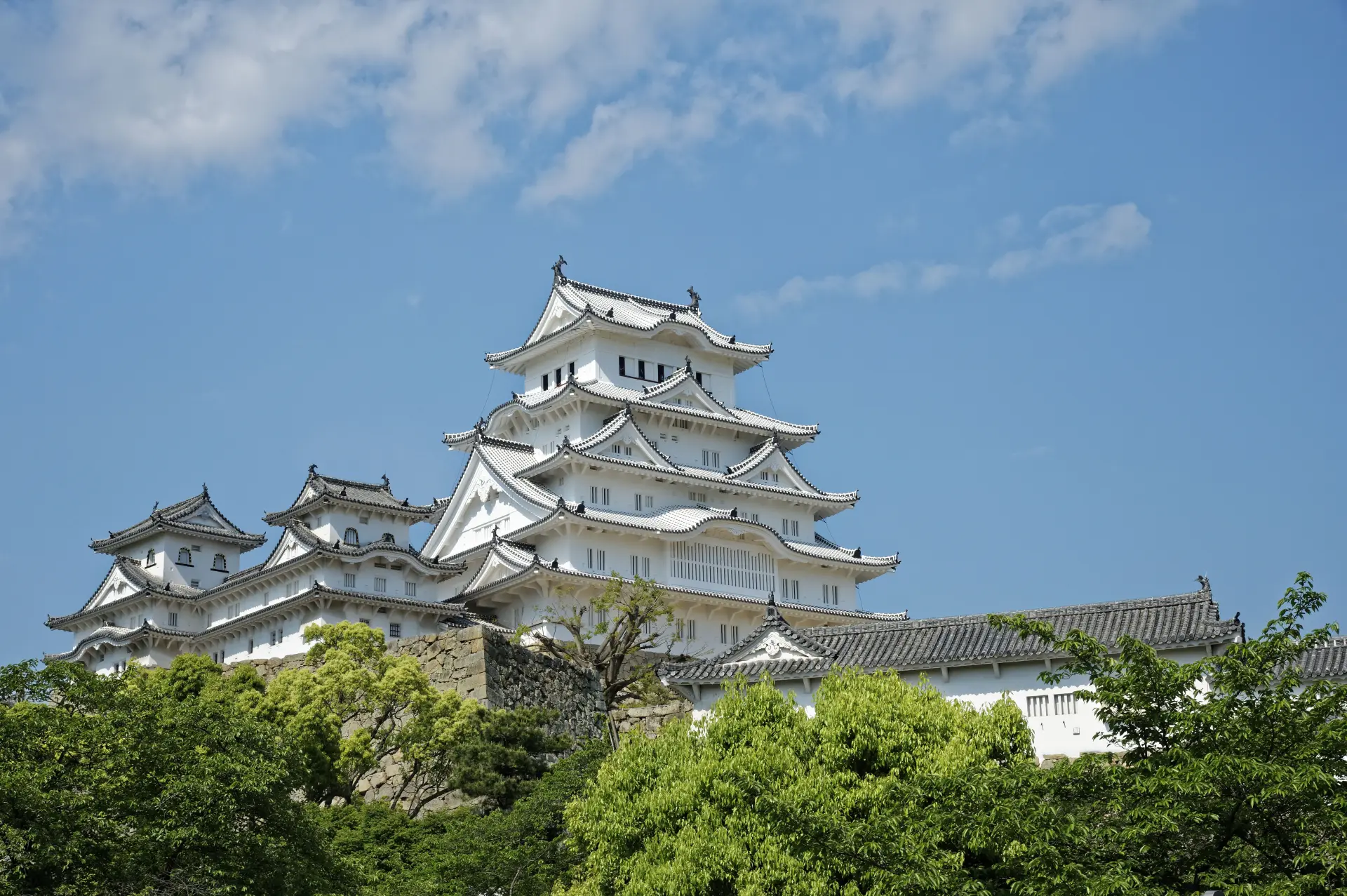
Himeji Castle, his base for the Chūgoku campaign
During his conquest of the Chūgoku region under Nobunaga’s orders, Hideyoshi used Himeji Castle as his base.
To make it suitable, he carried out various renovations.
Today, it’s a world-famous castle and a UNESCO World Heritage Site.
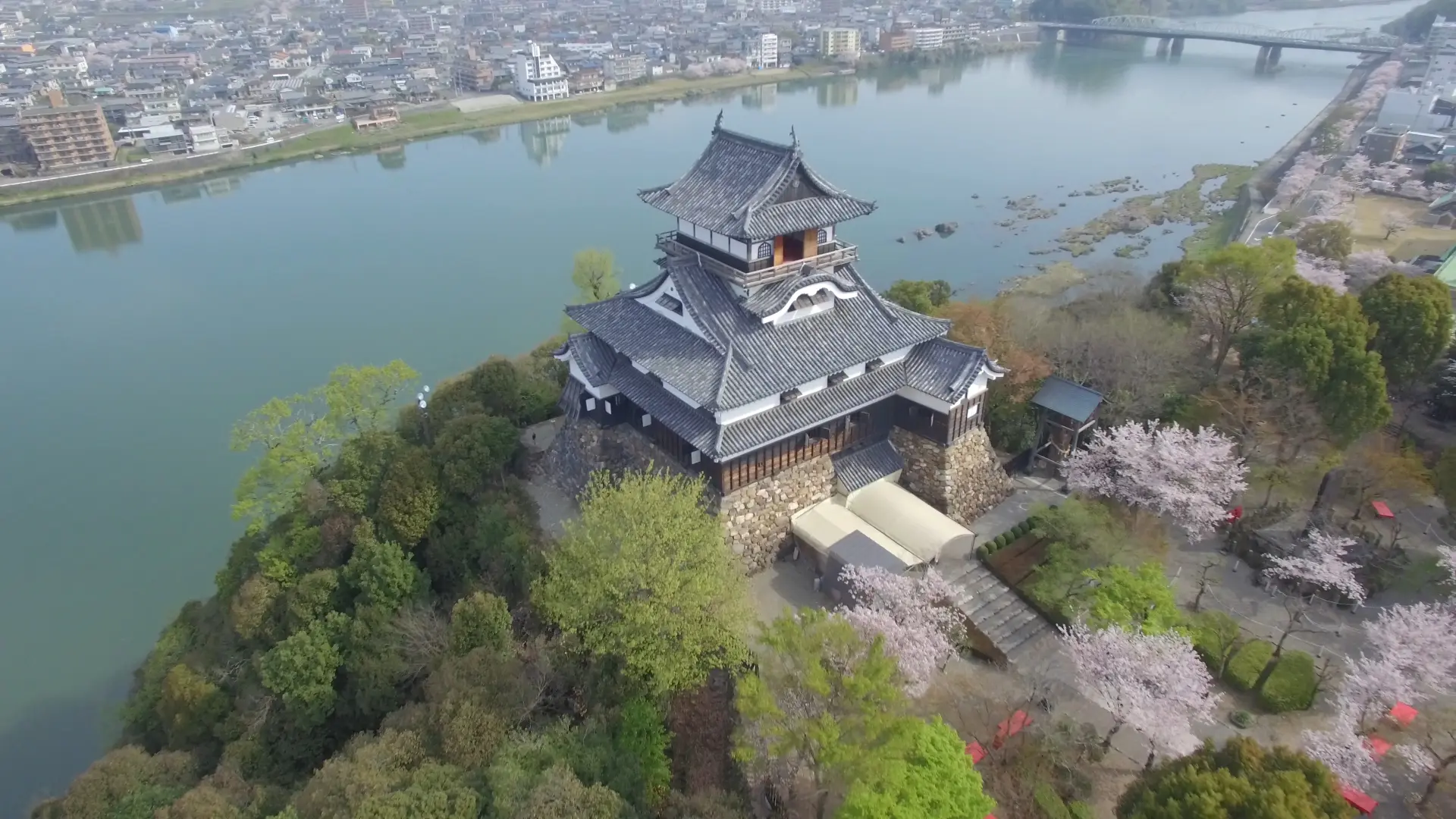
Inuyama Castle, a National Treasure he entered with 100,000 troops
At the start of the Battle of Komaki and Nagakute, Inuyama Castle belonged to Oda Nobuo’s side, but it fell to Hideyoshi’s forces, and Hideyoshi entered the castle with an army of 100,000.
Designated a National Treasure, Inuyama Castle is Japan’s oldest wooden main keep.
As one of Japan’s five National Treasure castles, it’s a must-see for castle lovers.
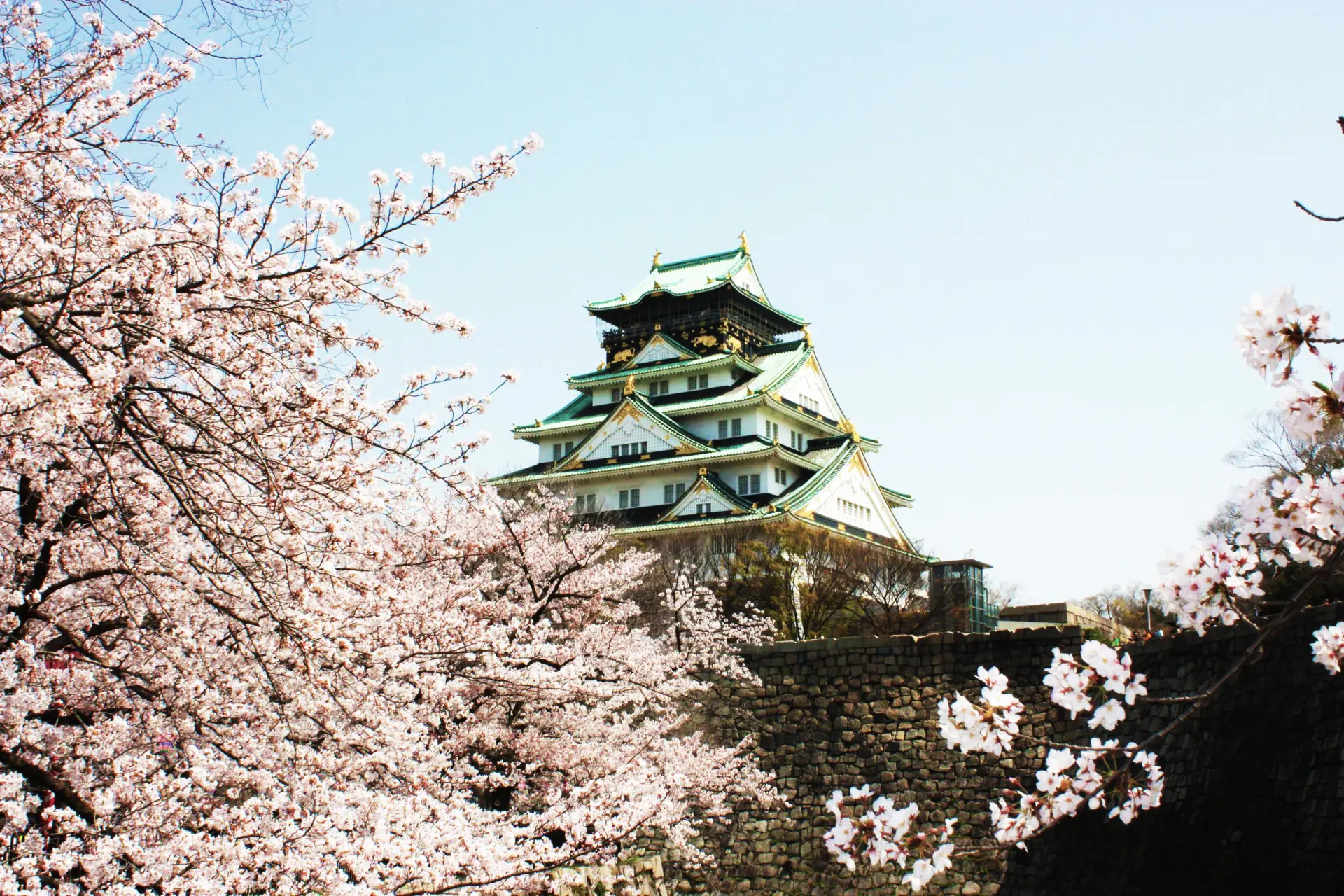
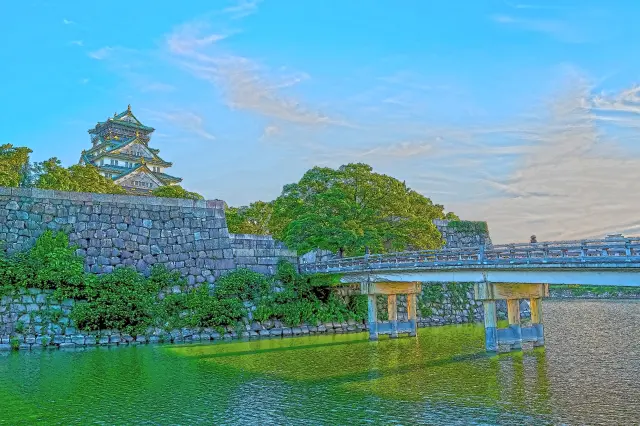
Osaka Castle, built by Hideyoshi after unifying Japan
After unifying Japan, Hideyoshi chose Osaka as his power base and built Osaka Castle.
It took 15 years to complete, and it’s said to have been 4 to 5 times larger than what remains today.
A golden keep once towered over the center of the inner citadel.
Though massive and lavish, it was completely burned down in the Summer Siege of Osaka.
The Tokugawa shogunate later rebuilt it, but it’s said to have been very different from Hideyoshi’s original.
Today, the interior is a history museum, and it’s also one of Osaka’s top sightseeing spots.
Photos
-

Japan’s greatest self-made success story: Toyotomi Hideyoshi
-

Oda Nobunaga, whom Hideyoshi served as a retainer
-

An image of Hideyoshi rising rapidly through the ranks
-

An image of the Chūgoku Great Return march
-

Kiyosu Castle, where the Kiyosu Conference was held to decide Nobunaga’s successor
-

Osaka Castle, Hideyoshi’s power base after unifying Japan
-

Tokugawa Ieyasu, appointed chief of the Council of Five Elders
Toyotomi Hideyoshi Profile
- Name
- Toyotomi Hideyoshi(とよとみ ひでよし)
- Born
- 1537
- Died
- 1598
- Age at death
- 61
- Birthplace
- Owari Province (today’s Aichi Prefecture)
Popular Articles