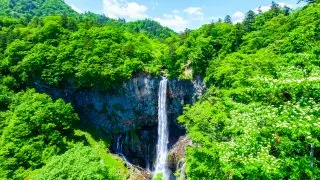
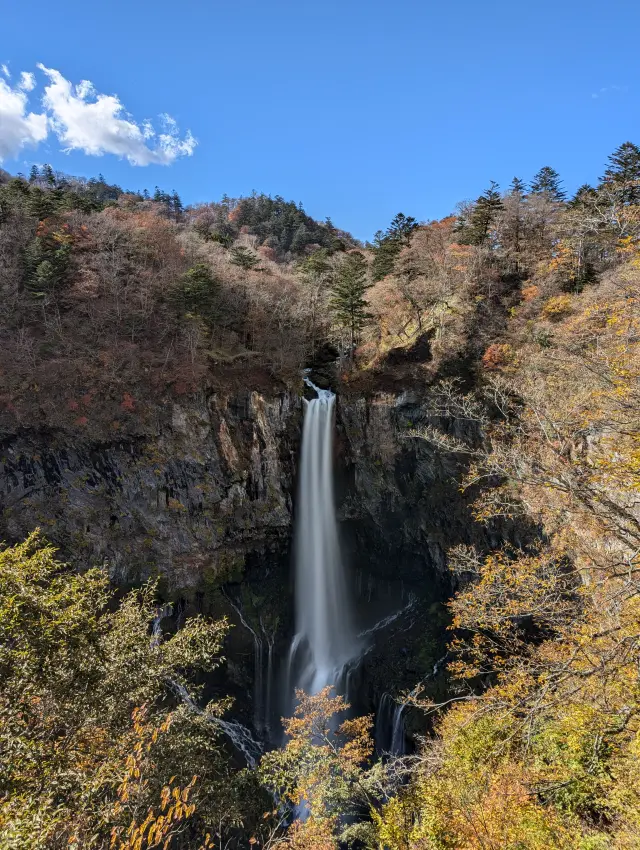
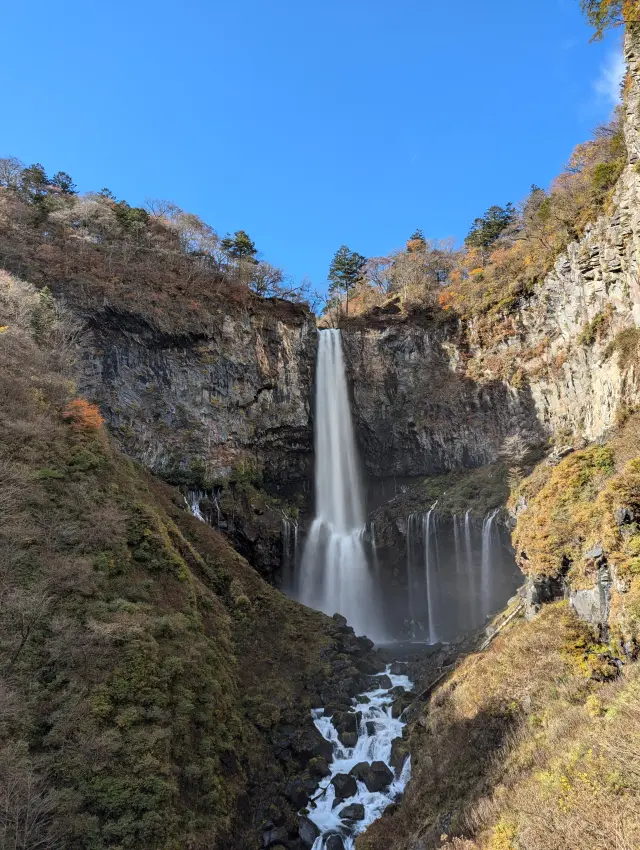
Compared to Fukuroda Falls, the flow here feels more concentrated and powerful.
Even viewing from the observation deck at a distance, the thunderous roar is seriously impressive. It’s hard to believe this force comes from the calm waters of Lake Chuzenji!
金己田's page
Reviews
Number of likes 117
-
-
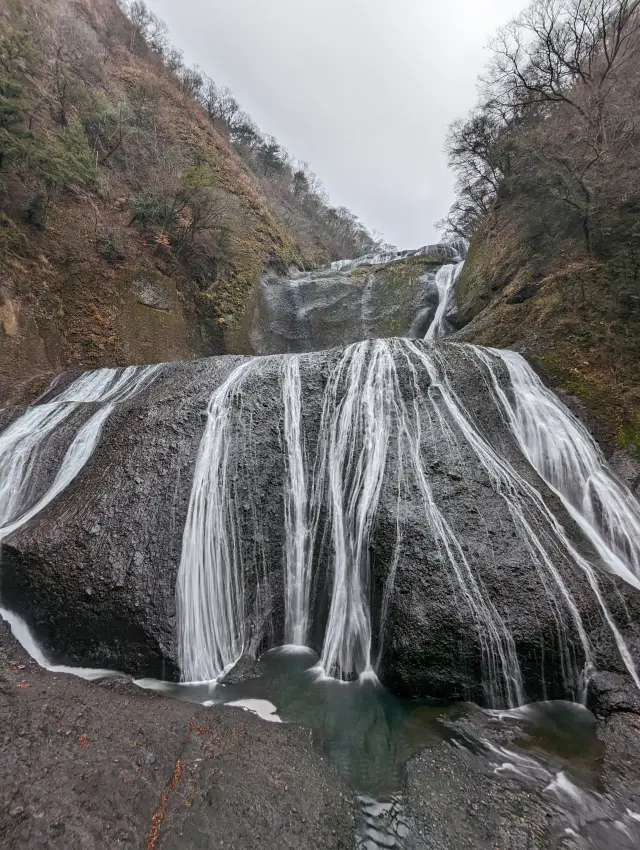
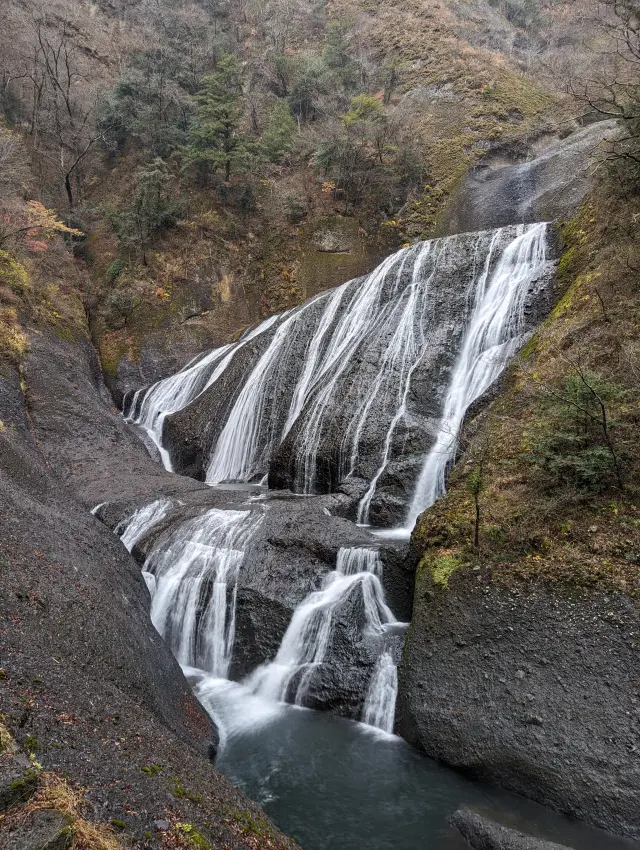
Heading north from Mito, I made it to Fukuroda Falls just to see one of Japan’s Three Great Waterfalls.
I expected something super grand and dramatic, but it was surprisingly elegant—gentle streams flowing down slowly.
There are two viewing platforms, and the different distances give you totally different views. -
-
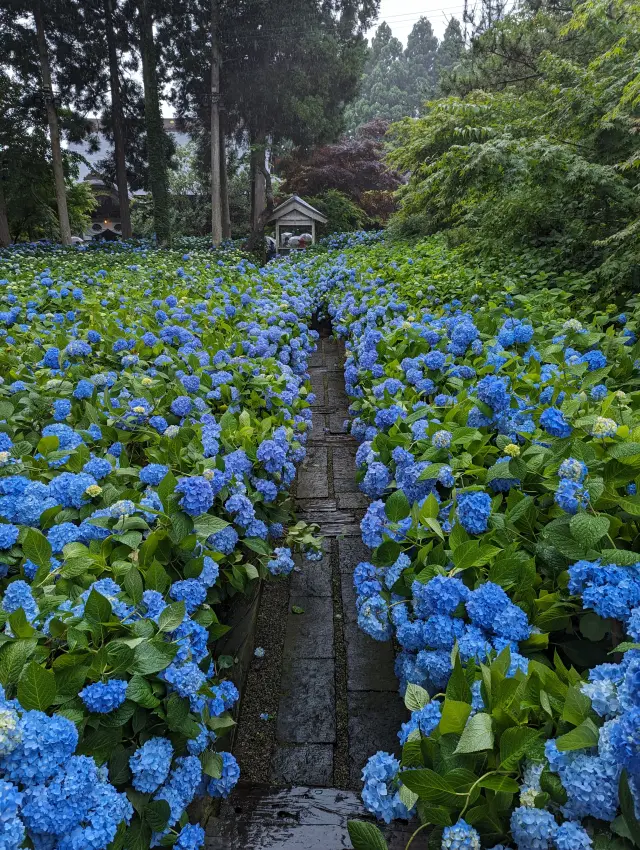
While planning my trip, I randomly came across this “must-see before you die” view, and I decided I had to go!
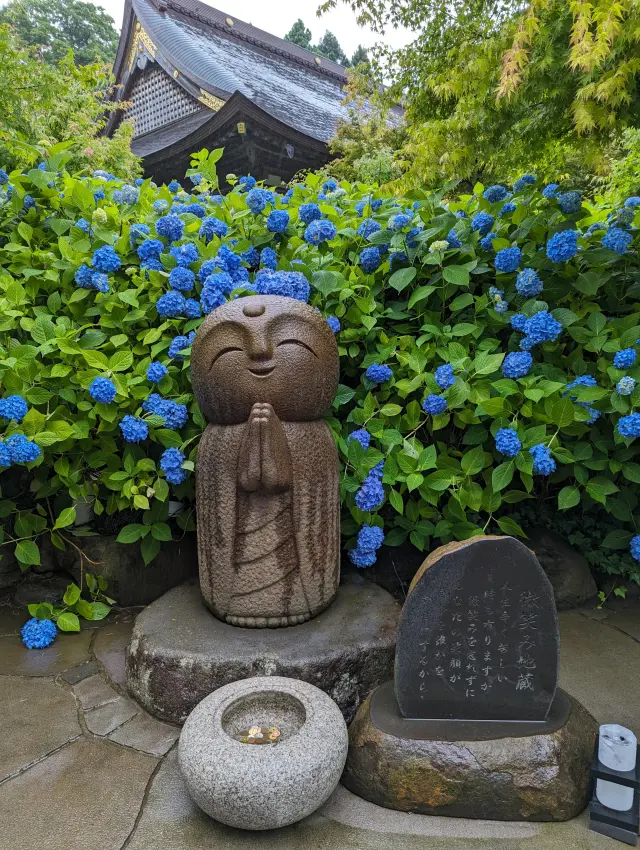
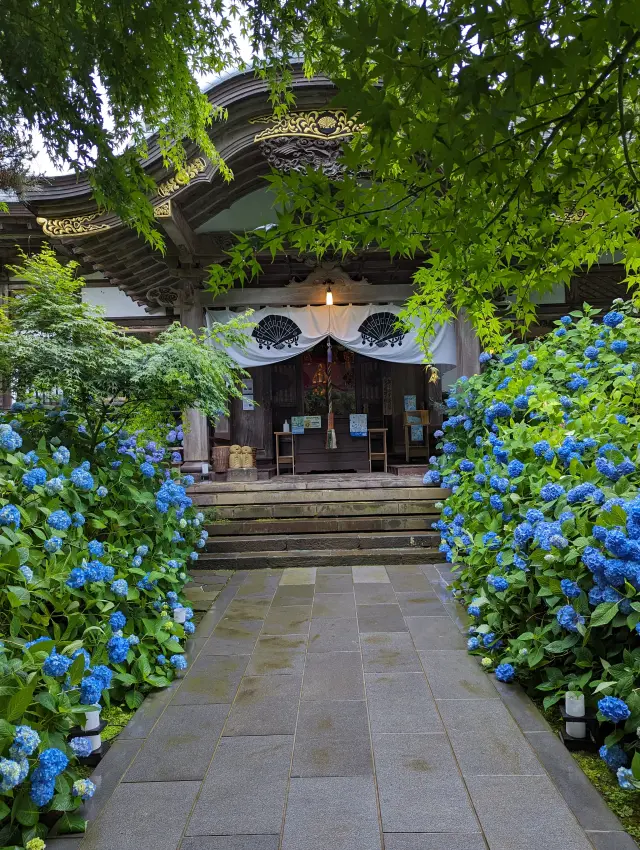
Getting there isn’t very convenient, but seeing such an incredible sea of hydrangeas for the first time was totally worth it. It really reminded me of the magic of Japan’s four seasons—and now I want to go out and collect even more seasonal scenery! -
-
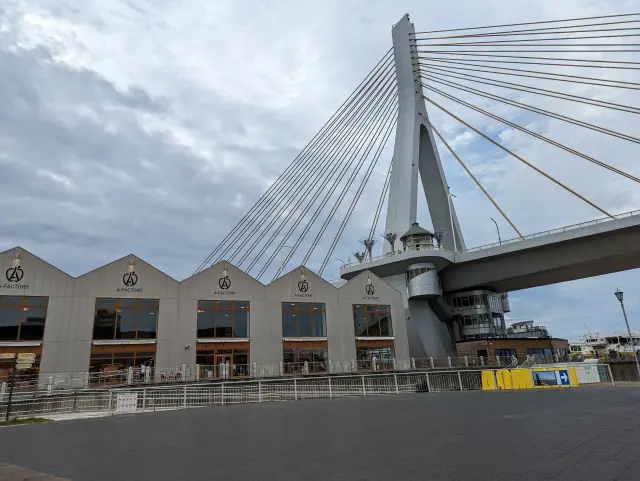
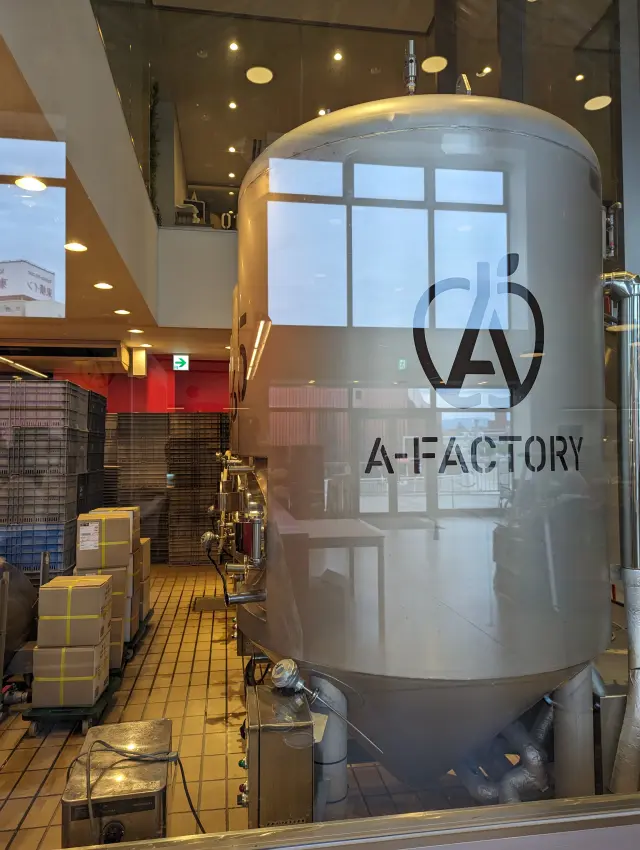
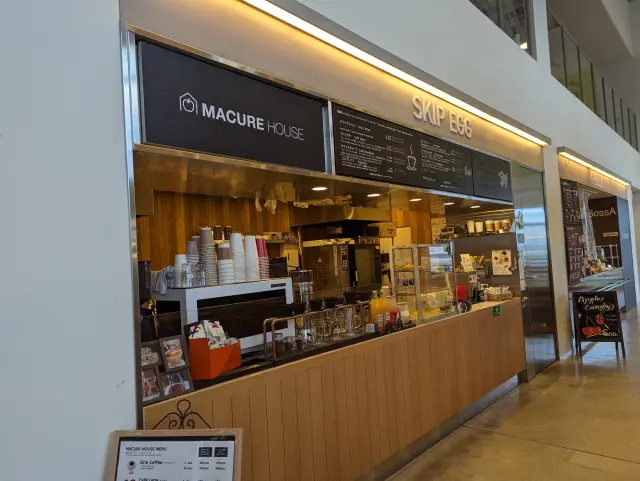
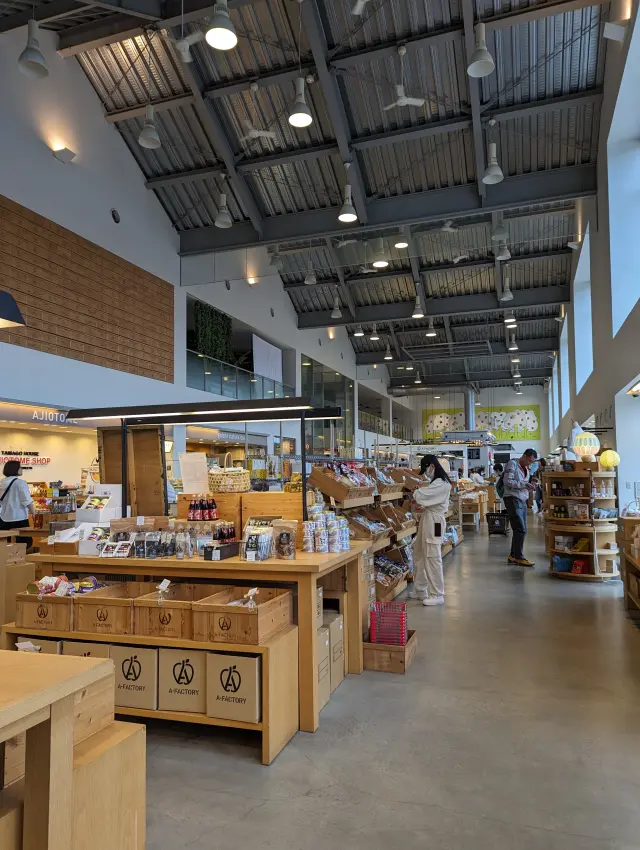
The exterior is super photogenic, and inside it’s more of a multi-purpose shopping complex. For souvenirs, compared with the nearby Aomori Prefecture Tourist Center ASPAM, the items sold here feel a bit more refined.
I also bought my second Aomori apple pie here. It was tasty, but compared to Angelique in Hirosaki, it wasn’t as memorable. -
-
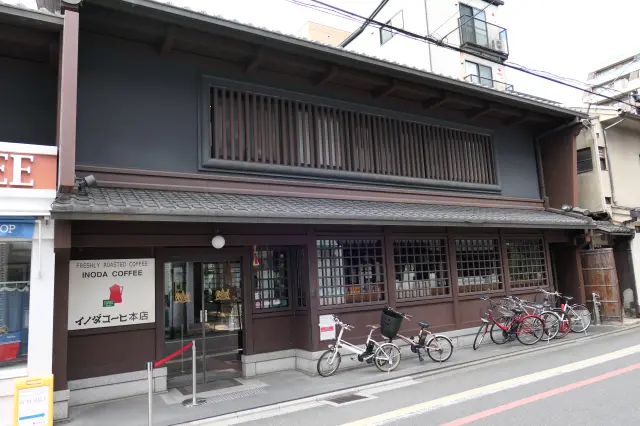
Came to Inoda Coffee to get a taste of everyday life in Kyoto.
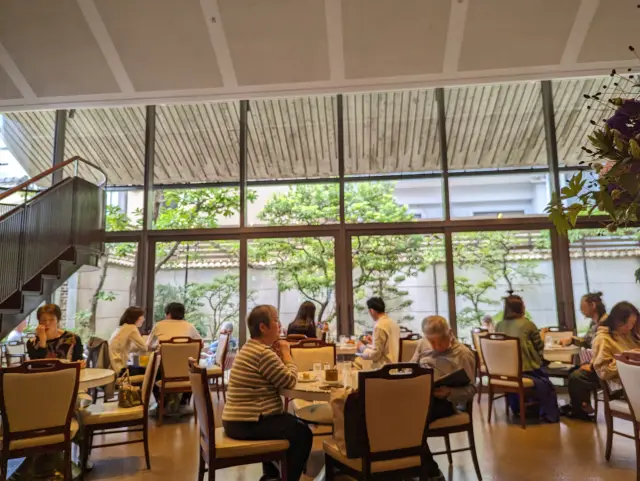
From the outside, it’s a traditional wooden building. But once you step inside, it feels like a retro Western-style café. The servers are a bit older, in red-and-white uniforms, and they move briskly between the tables.
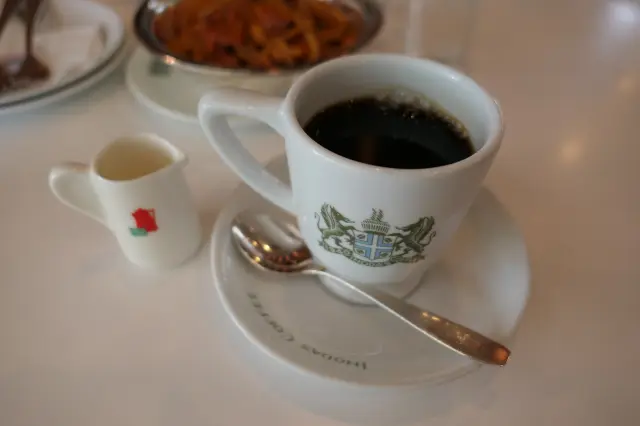
It was close to noon when I visited. I ordered an egg-salad sandwich and some pasta, along with their signature Arabica Pearl. Looking around, I noticed plenty of local seniors dining there.
On a trip, getting to experience a slice of locals’ daily routine is one of the best parts of traveling. -
-
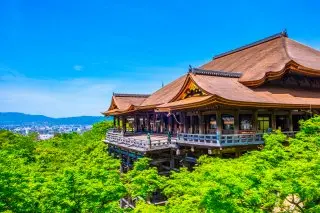
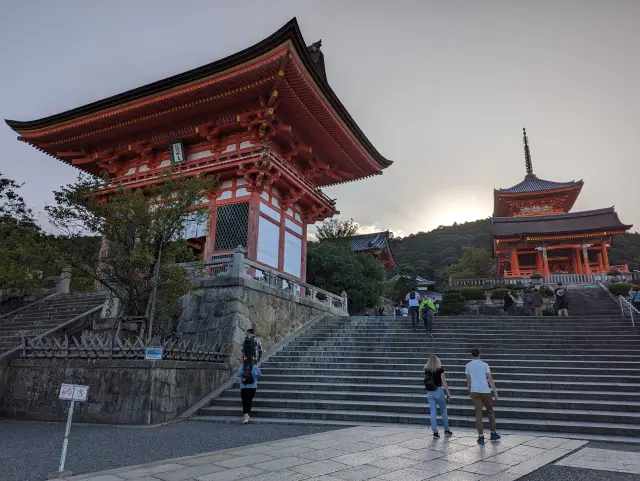
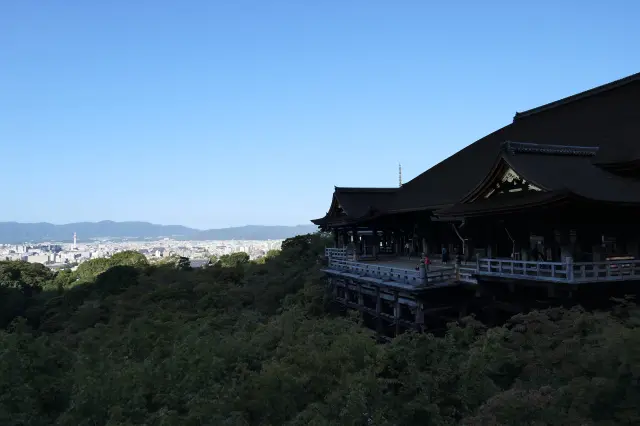
After Kiyomizu-dera’s renovations and once the pandemic had passed, I finally got to visit this famous spot.
From the moment I got off the bus, I walked up the sloped road, surrounded by that classic Kyoto scenery. I passed the Niomon Gate and the three-story pagoda, and ended up at the Kiyomizu Stage.
A super classic Kyoto sightseeing route. -
-
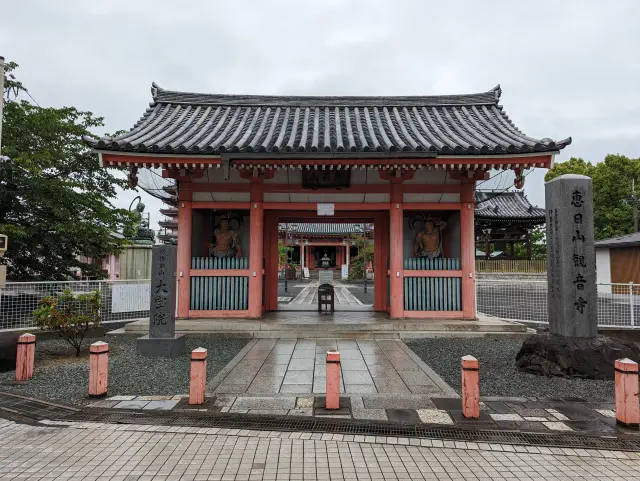
Tsukannon is considered one of the Three Great Kannon temples, along with Asakusa Kannon and Osu Kannon. But location-wise, if I hadn’t stayed near Tsu Station this time, I probably would’ve skipped it.
After actually visiting, compared with Asakusa and Osu, Tsukannon has a much quieter, more peaceful atmosphere for worship. It made it easier to really focus on the temple’s vibe and history. -
-
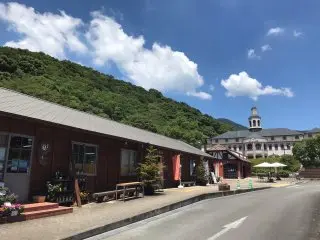
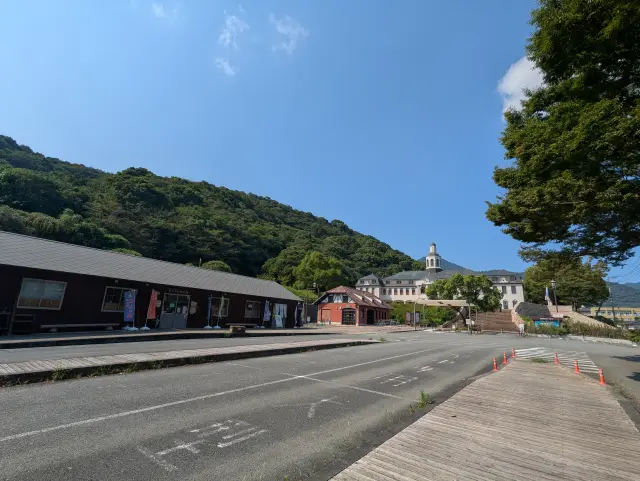
In Japan, roadside stations are a great way to get to know the local food.
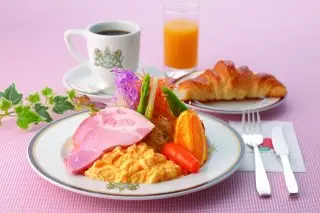
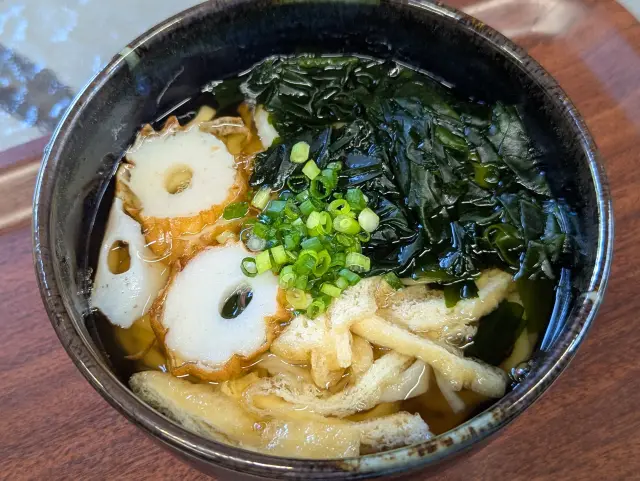
While doing the Tokushima pilgrimage, I took a little detour to Michi-no-eki Daiku-no-sato and tried a bowl of Naruto udon. Unlike Sanuki udon, the noodles are flat and irregular, more like plain wheat noodles. With a light, refreshing broth and local specialties like chikuwa fish cake and wakame, it was easy to keep taking bite after bite—even in the summer heat. -
-
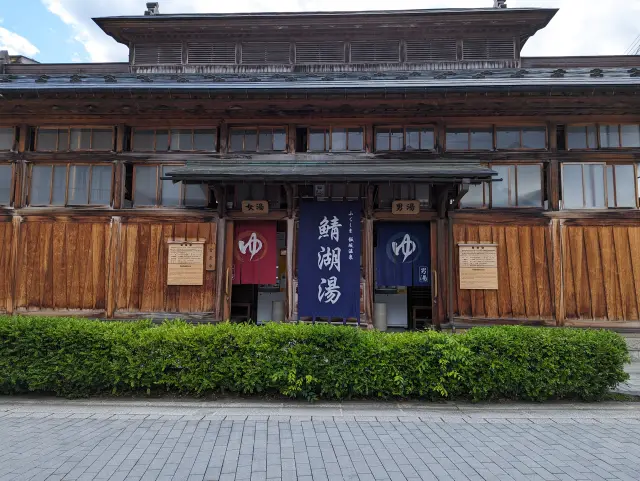
As soon as I got out of the station, I went straight to Haraiju and hopped into the nice, steaming hot spring. All my travel fatigue disappeared in an instant.
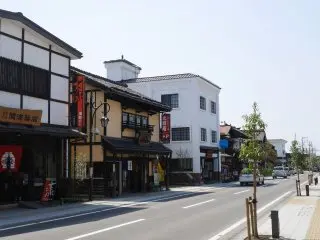
After the bath, I strolled around the onsen street. The sloped roads and historic buildings had such a great vibe.
I seriously love Iizaka Onsen! -
-
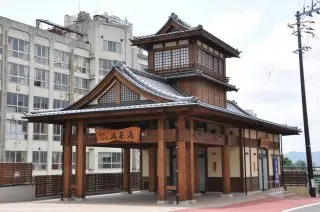
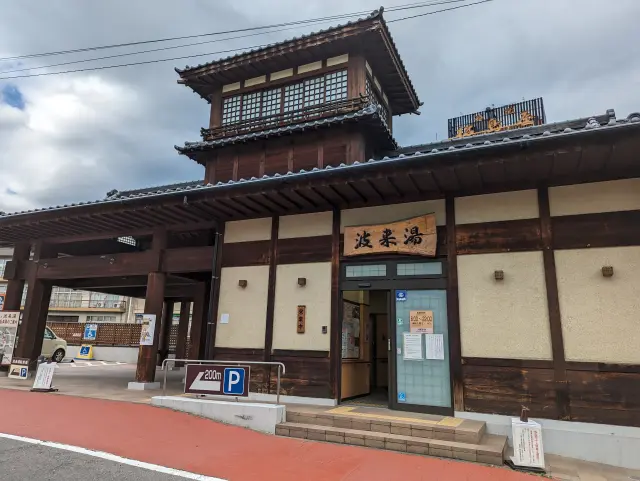
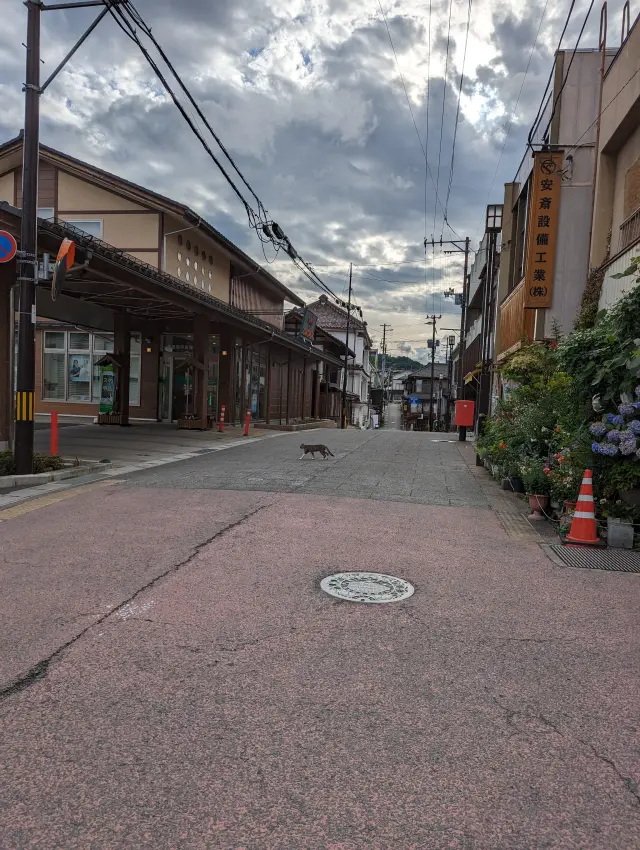
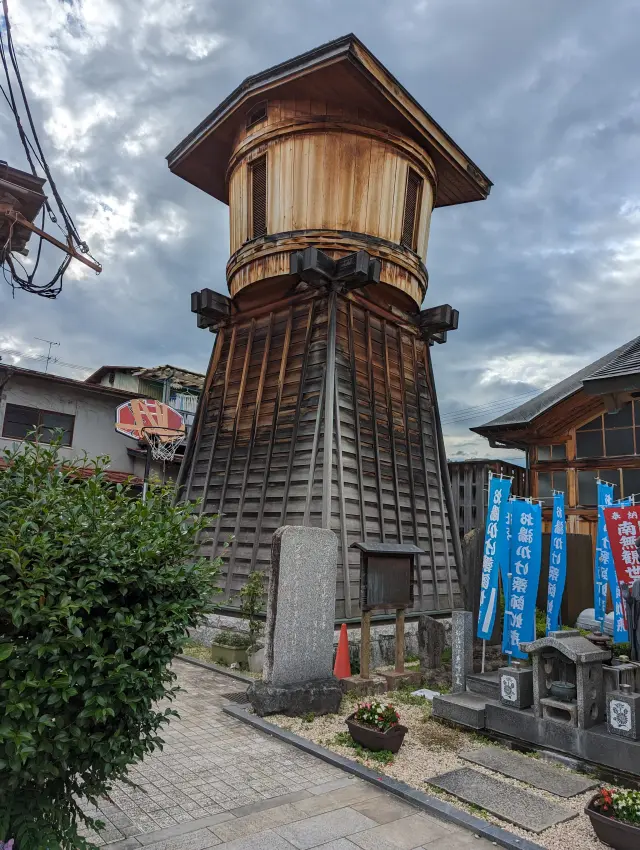
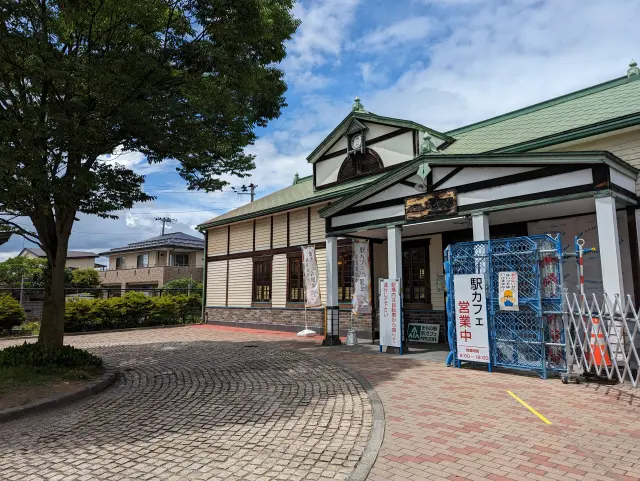
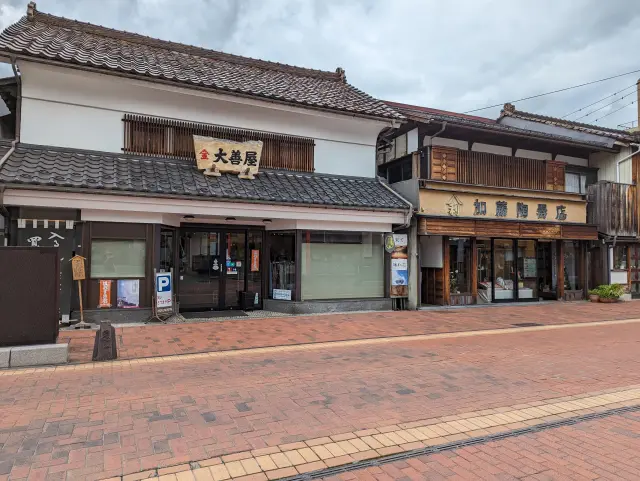
Stepping out of Nanukamachi Station felt like traveling back in time.
I loved the vibe of the street—quiet, lived-in, and not overly commercialized. -
-
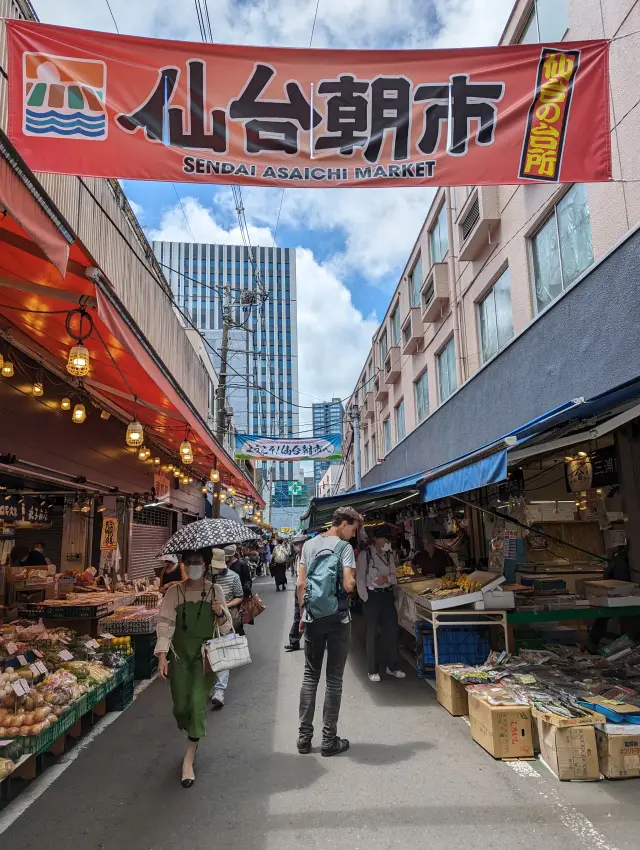
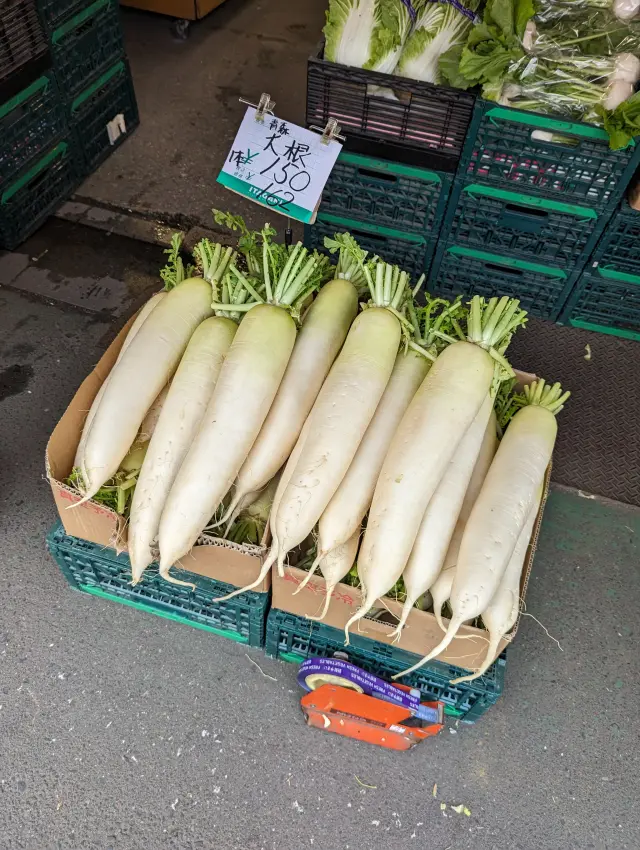
Sendai Asaichi Morning Market is a small local produce market. The streets are clean with no bad smells, and the seasonal fruits and veggies are neatly displayed.
Walking through the market and getting a feel for local everyday life is one of the best parts of traveling. -
-
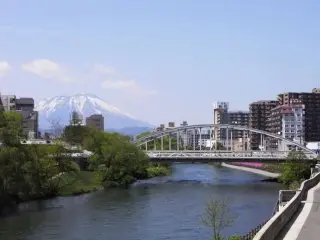
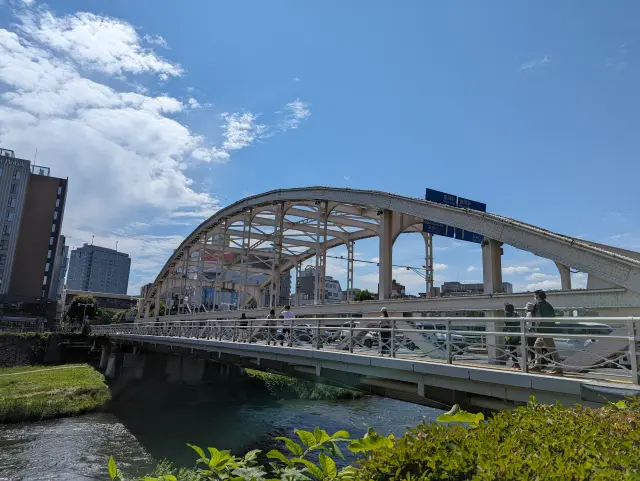
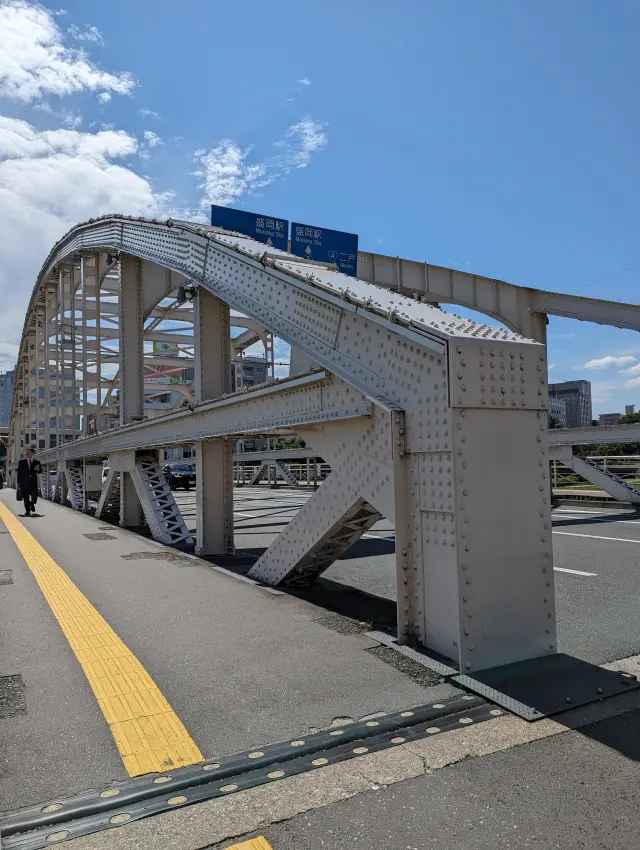
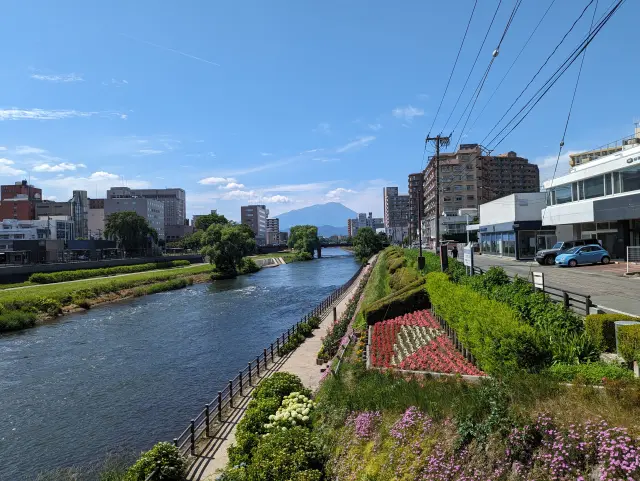
On the way from Morioka Station to downtown, you pretty much have to cross Kaiunbashi Bridge.
It feels like a symbol of Morioka, and the view of Mt. Iwate from the bridge is absolutely worth seeing! -
-
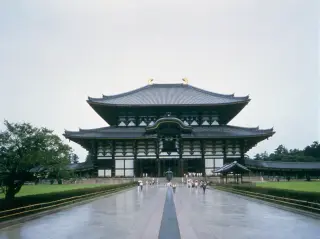
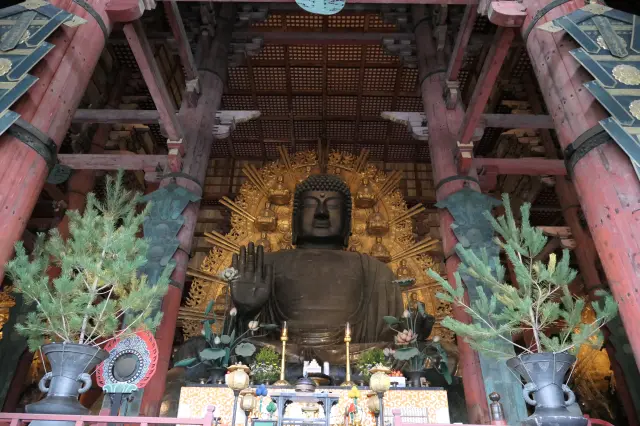
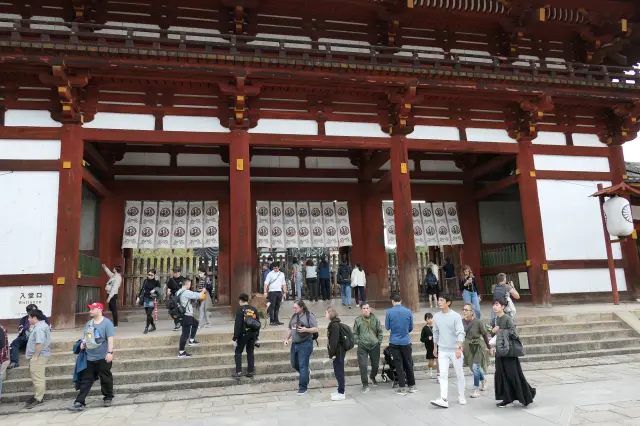
When people talk about Nara, Todai-ji always comes to mind. I visited Nara years ago but, for some reason, didn’t get to go inside. This trip finally made up for that regret.
The moment I stepped into the Daibutsuden (Great Buddha Hall), the Great Buddha instantly grabbed my attention. Tourists from all over the world were gathered in front of it, all hoping to see it up close.
With such a solemn expression, it felt like it could embrace everything. I couldn’t help but bow in respect. -
-
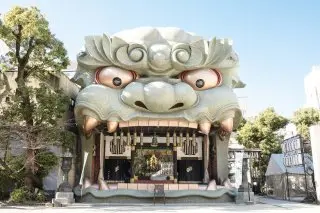
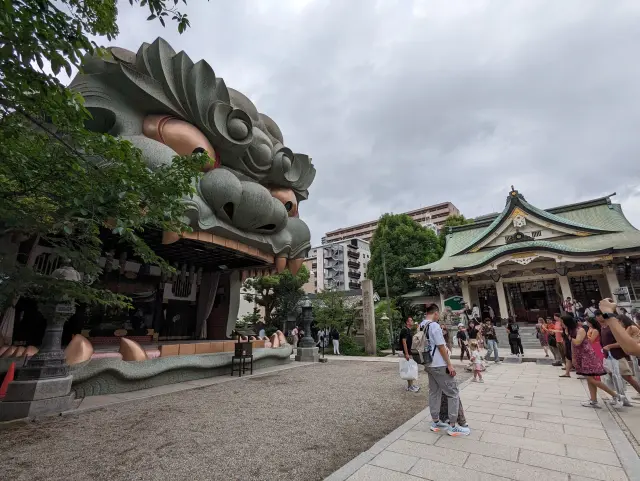
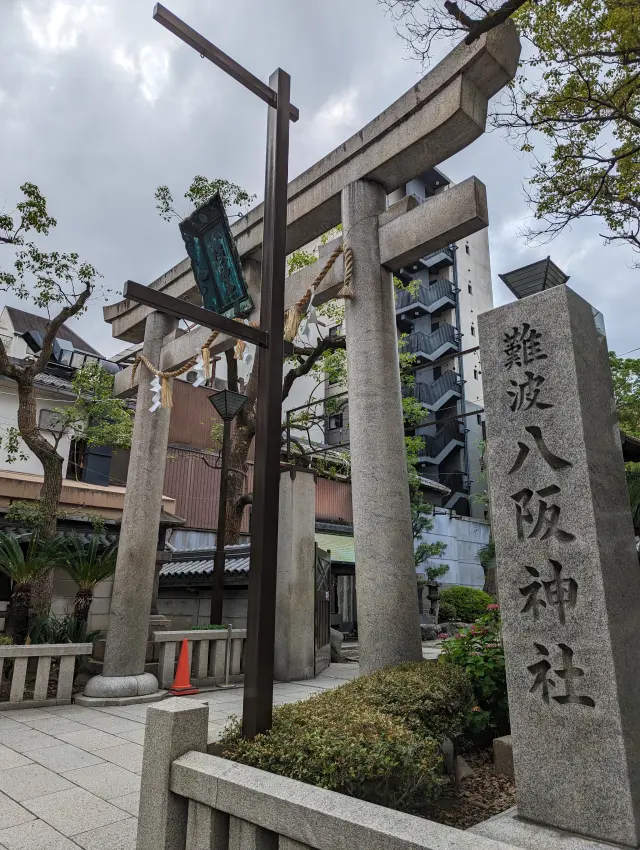
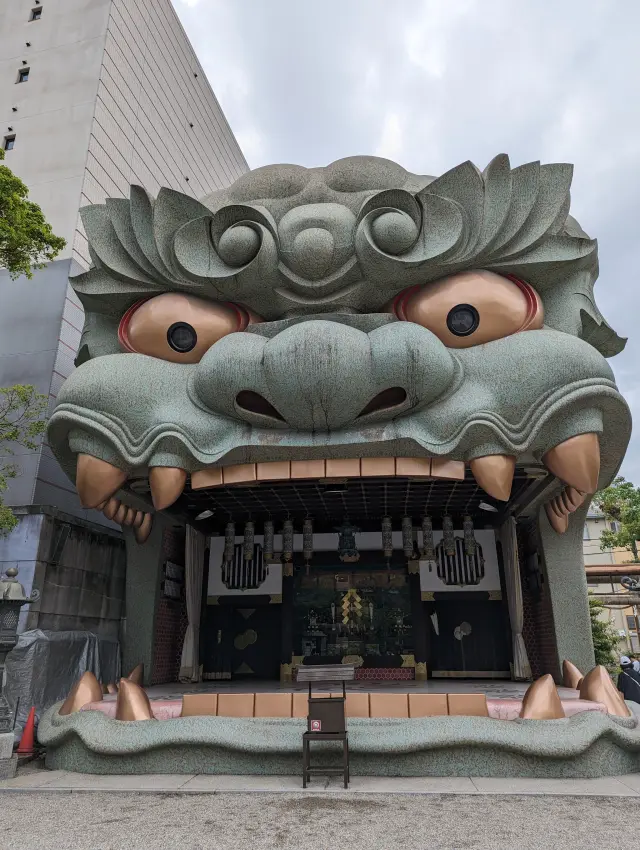
If you’re talking about symbols of Osaka, besides Shinsaibashi, Namba Yasaka Shrine has to be up there!
Tucked away in a quiet alley, that lion with its mouth wide open is seriously impressive. It’s said to ward off bad luck for people who’ve come from far away—then you can soak up a ton of good energy and head on to your next stop! -
-
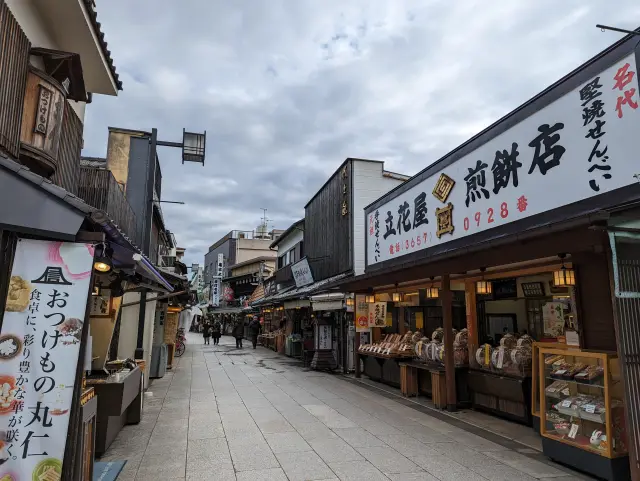
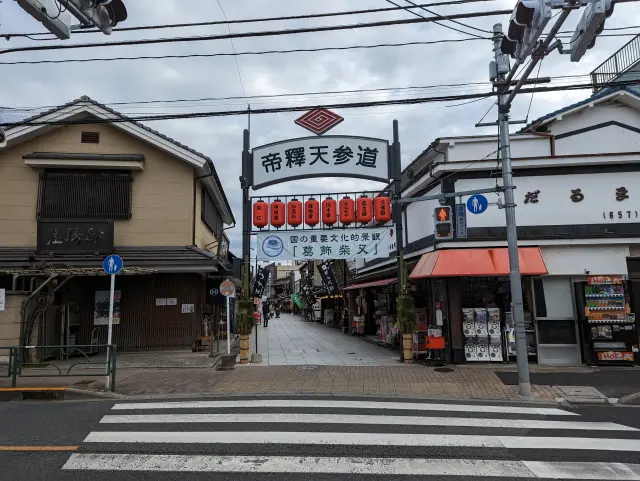
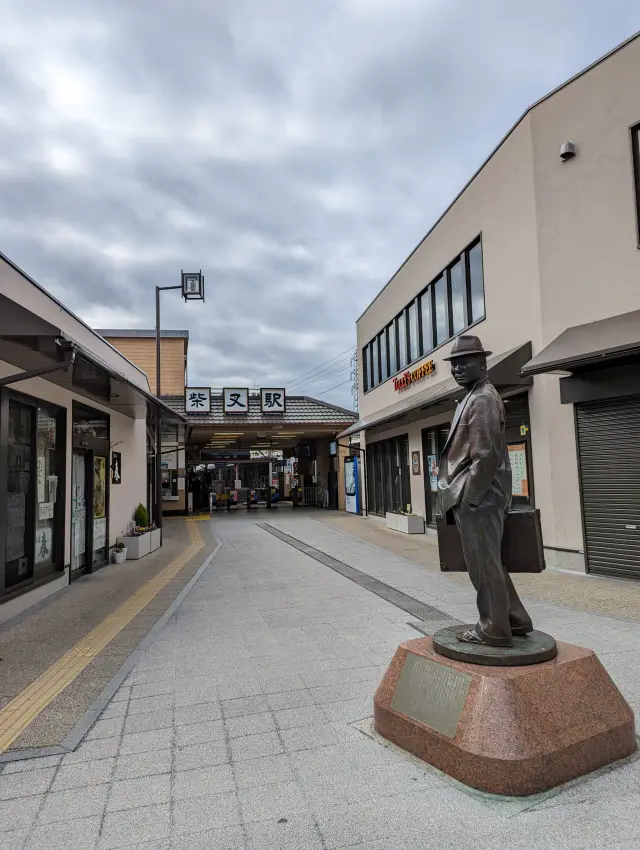
After watching Ariyoshi-kun’s “Shoujiki Sanpo,” I put “Shibamata Old Town” on my list for my next Tokyo trip!
It’s so cool to feel traditional Japan right in the middle of a huge city—the mix of old and new is exactly what makes Tokyo so charming.
The moment you step out of the station, you can really feel that classic downtown (shitamachi) vibe. This area was also a filming location for the Japanese movie series “Otoko wa Tsurai yo.” Foreign visitors might not totally relate, but that scene where the main character, Torasan, says goodbye to his sister gives Shibamata a little extra nostalgic feel. -
-
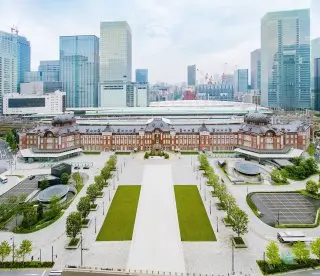
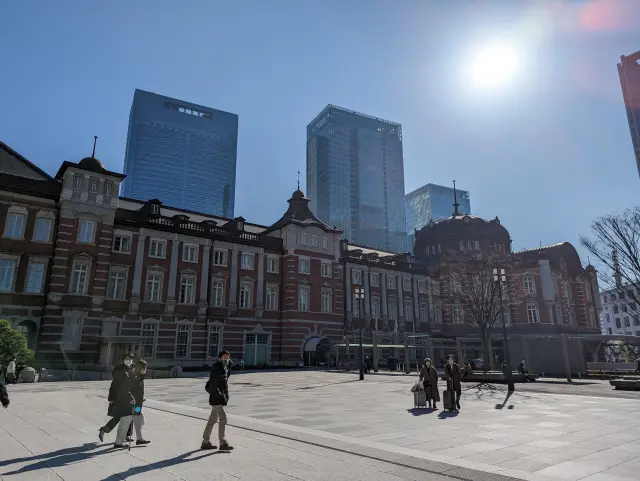
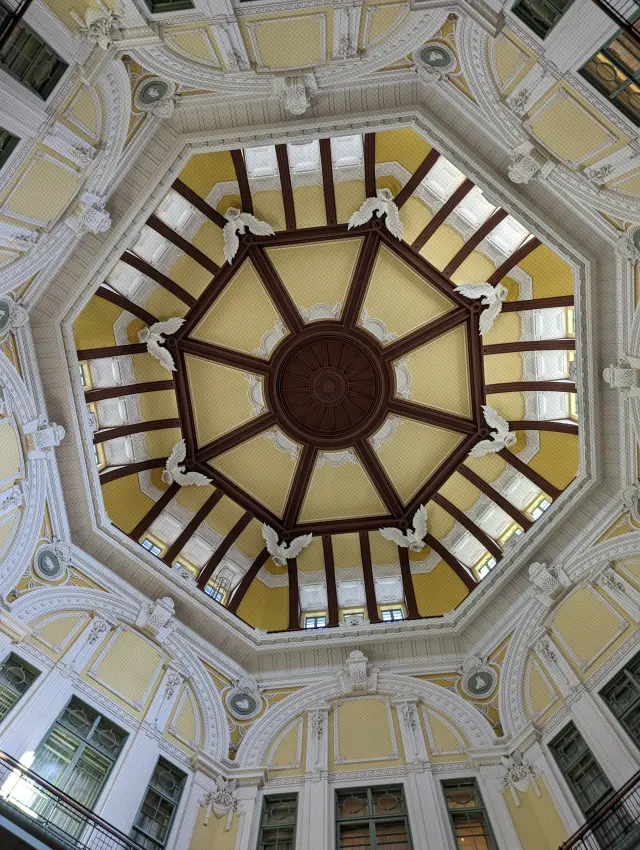
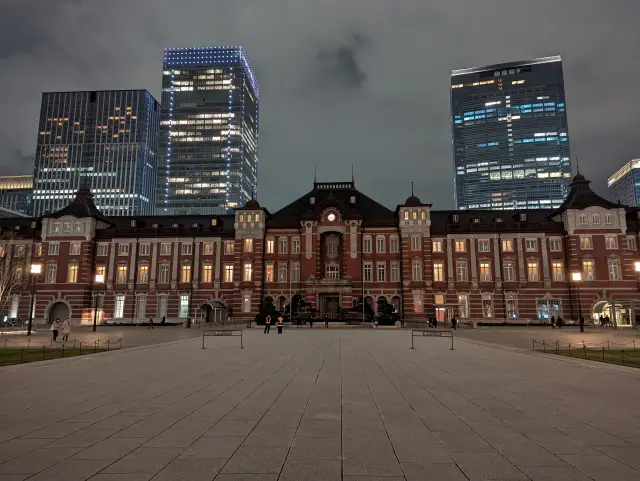
When you think of Tokyo, besides Tokyo Tower, it’s got to be Tokyo Station, right?
Surrounded by all the skyscrapers in Marunouchi, I can’t help wondering how much history Tokyo Station has witnessed since it opened in 1914.
I took this photo in Marunouchi Square, and it really captures Tokyo’s mix of tradition and innovation. For me, getting to Tokyo Station feels like I can finally say, “I’m home!”—it’s just so comforting. -
-
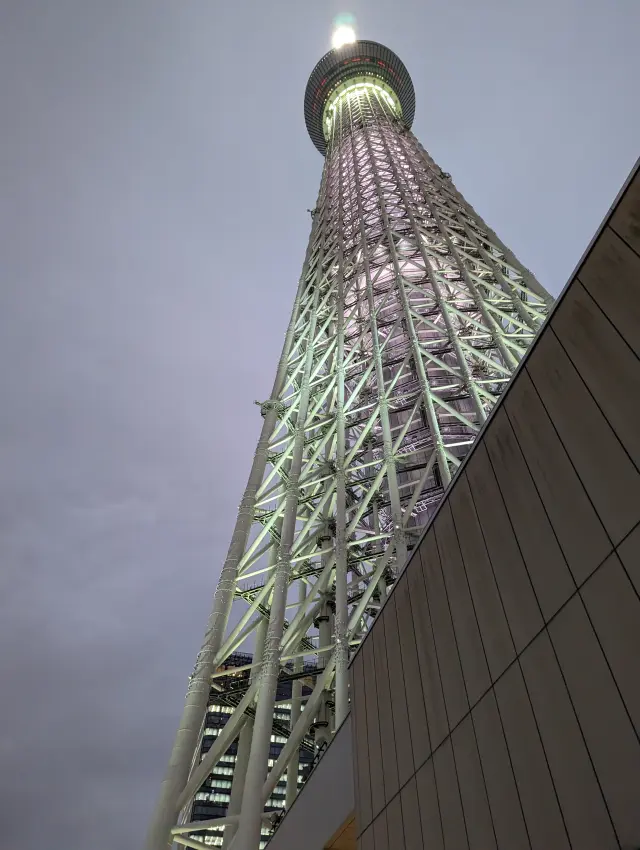
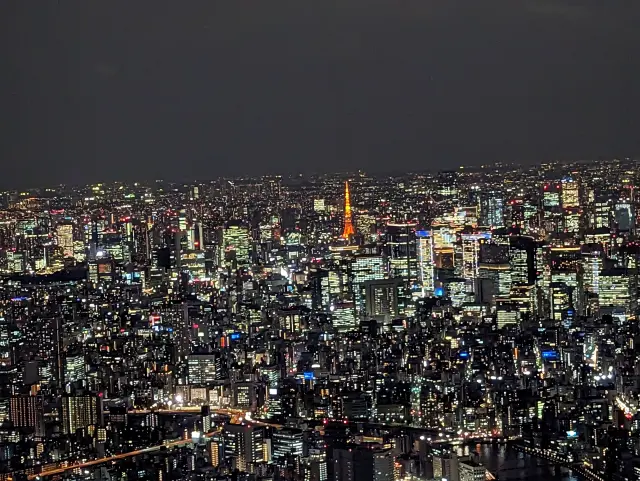
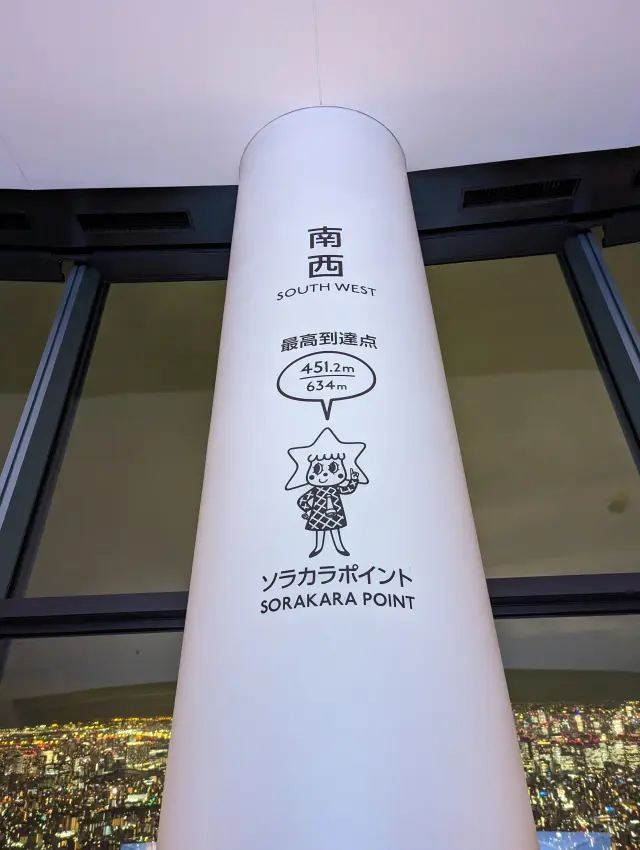
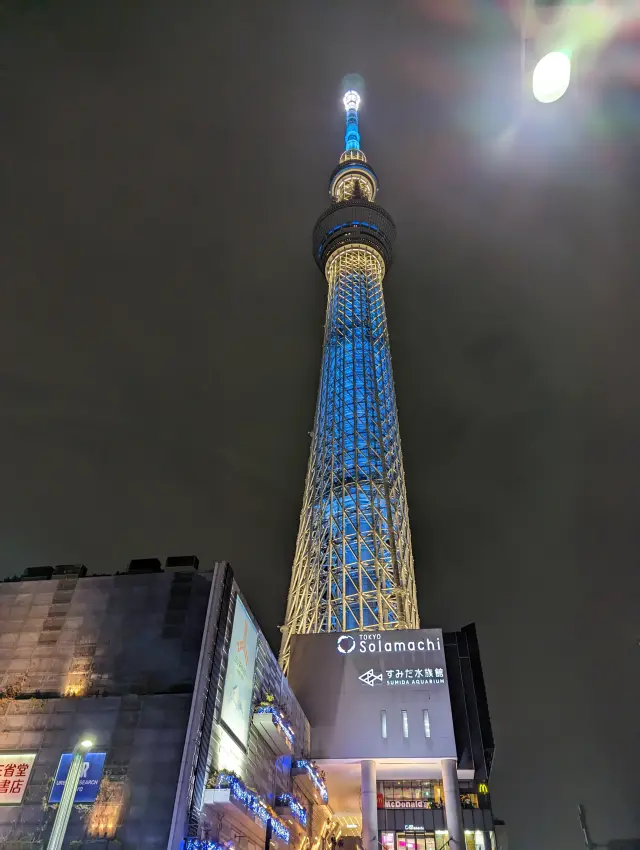
Looking out over Tokyo’s night view from the top at 450 m felt like being on a plane.
You can take in the whole city at once—the lights of this massive metropolis are dazzling.
It really makes you feel small in the best way. -
-
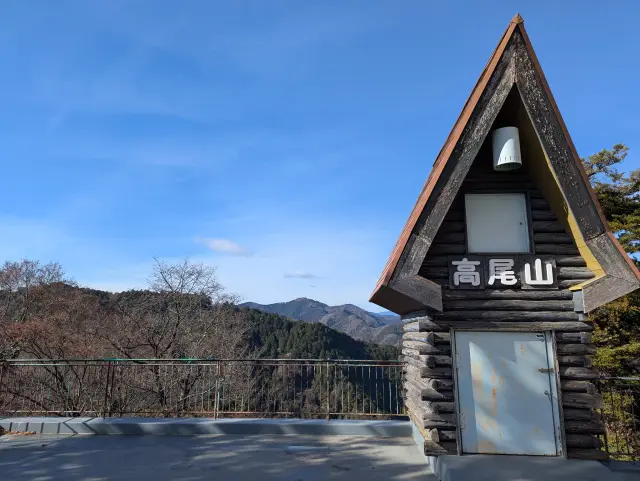
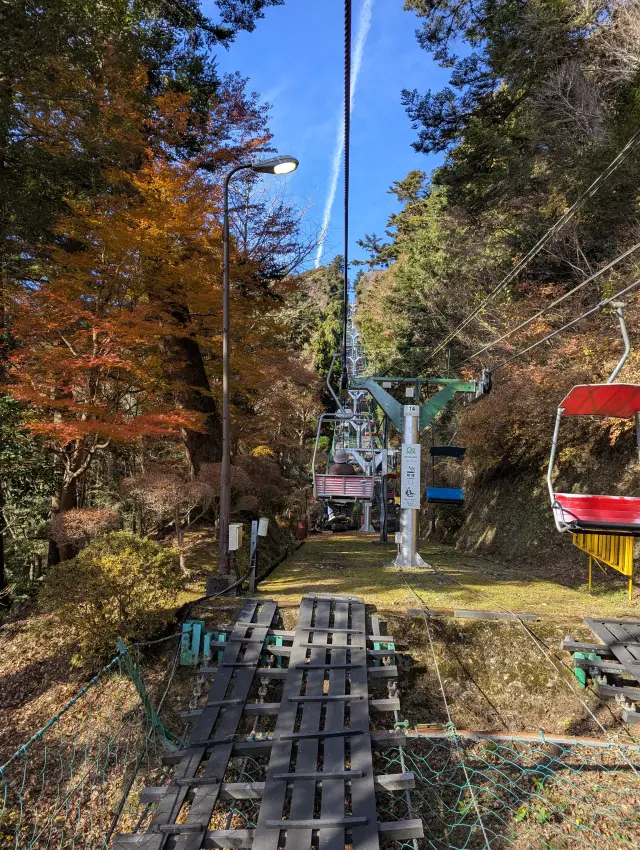
Mount Takao feels like an amusement park—starting with the chairlift, my heart was already racing.
Even though it’s a hike, it’s super beginner-friendly. The trail is gentle and easy to walk, and you can reach Yakuo-in Temple with a relaxed stroll. After praying there and taking a short break, we headed toward the summit… and that’s when the real challenge starts!
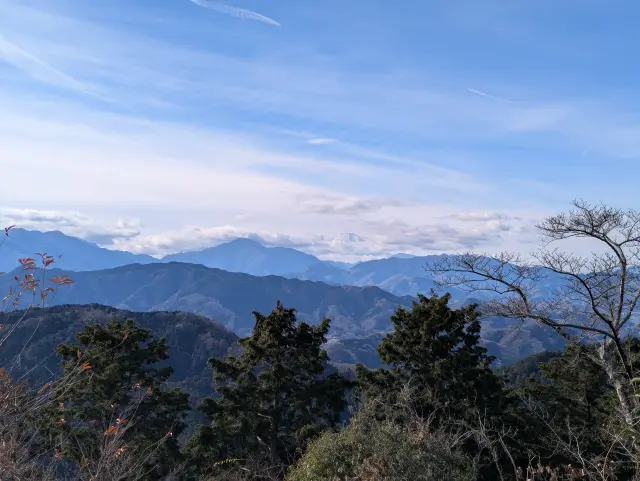
Reaching the top felt like clearing a level—so satisfying. I just found a spot to sit, ate the snacks I brought, and looked out at the mountains in the distance. Total reset for both body and mind. -
-
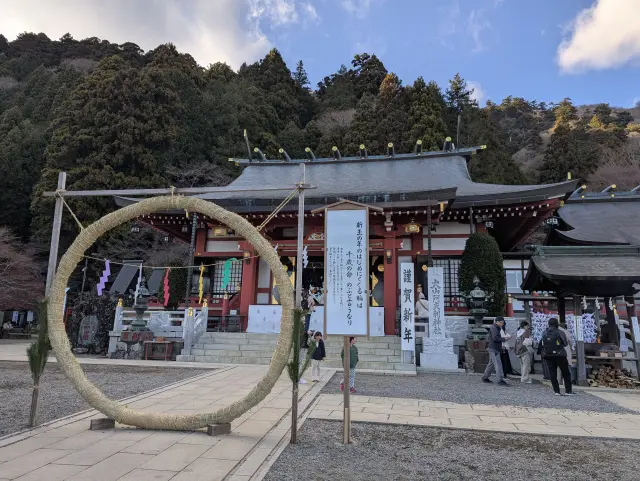
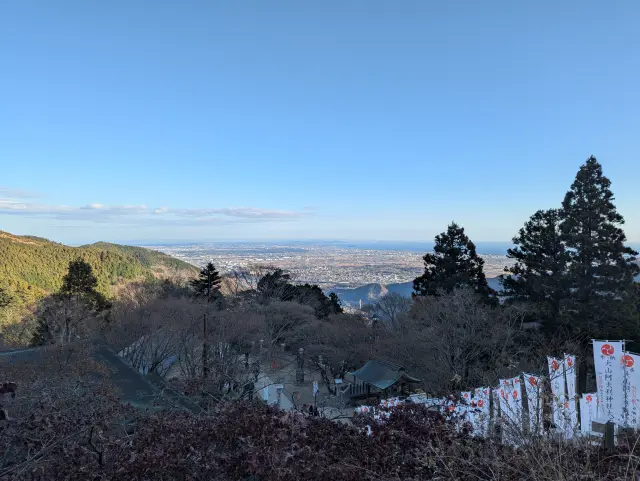
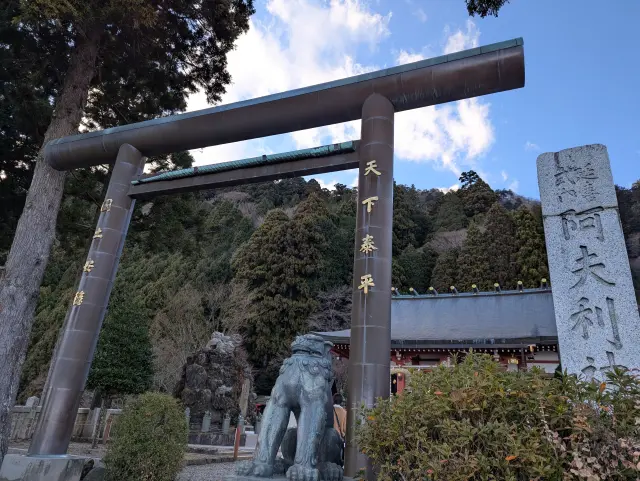
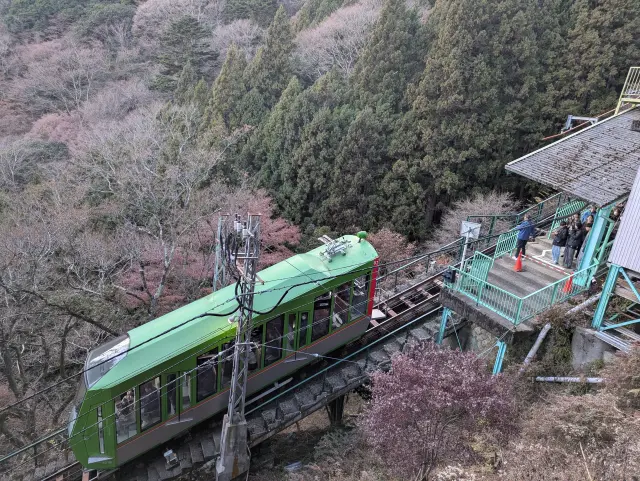
Getting to Oyama definitely takes some legwork. I got off at Isehara Station on the Odakyu Line, took a bus to the Oyama Cable Car Station, and then still had to walk about 15 minutes to reach the cable car.
After working my way up, I finally arrived at Oyama Afuri Shrine. I visited along with the New Year’s crowds, then took in the view from the shrine—soaking up the deep blue of Sagami Bay and the clear winter sky all at once. -
-
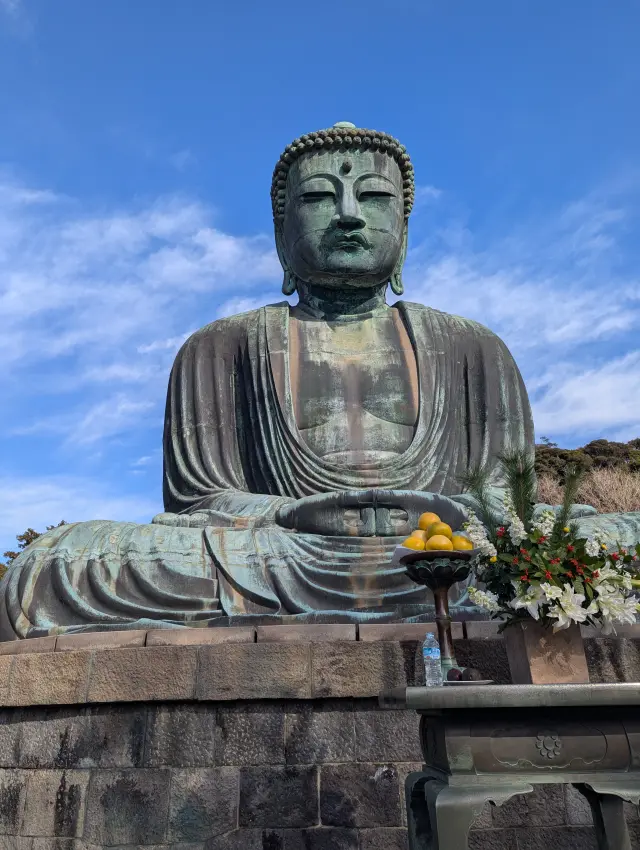
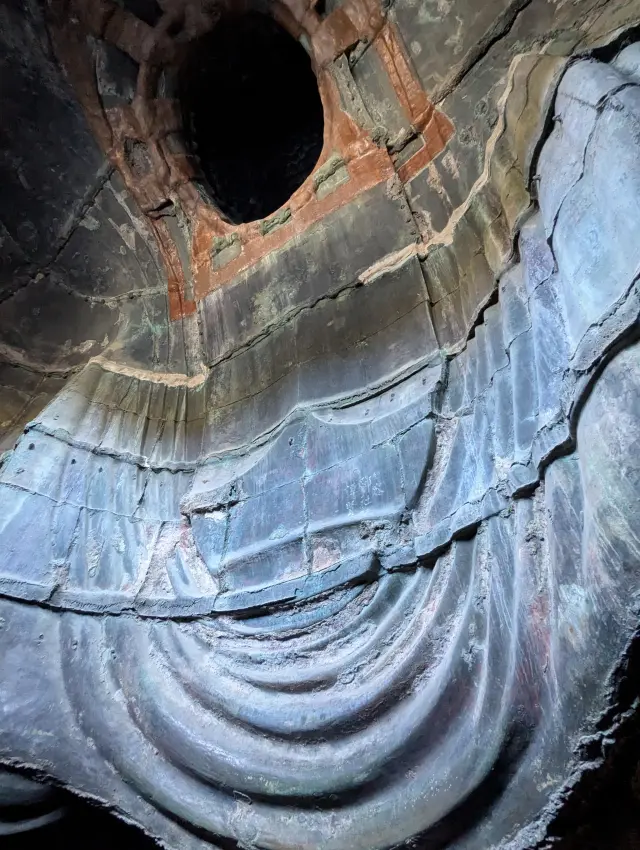
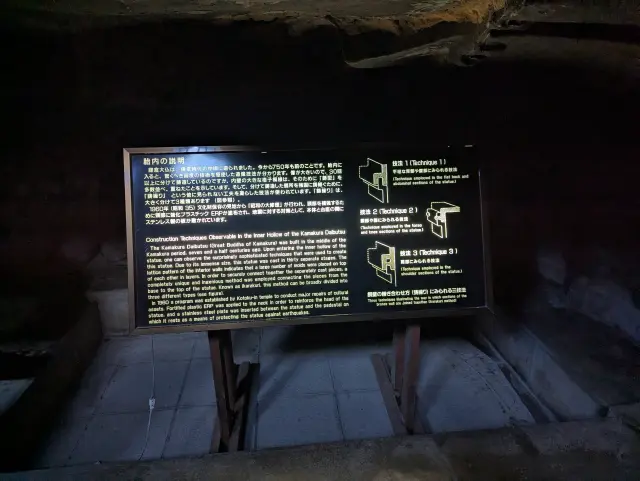
As one of Kamakura’s symbols, I missed it last time because my schedule was too tight. This time, on my return trip to Kamakura, I made it my top priority.
I read a bunch of reviews beforehand, so I knew what to expect. The grounds are small and it’s basically centered around the Great Buddha—you can finish in about 15 minutes.
Worth seeing for a first visit, but I wouldn’t really want to go a second time. -


-
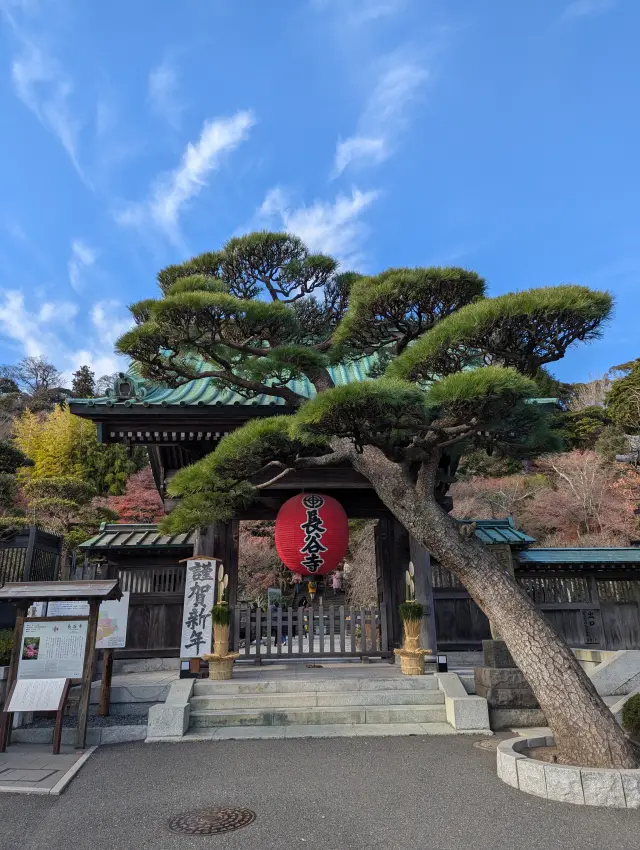
Came to Hasedera Temple for the fun of exploring.
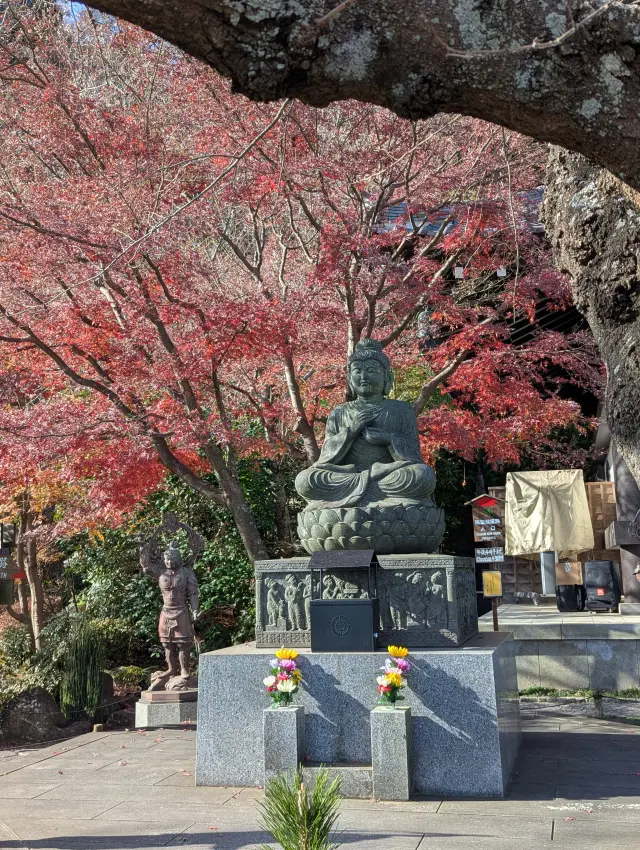
Starting with that iconic pine tree by the entrance, there are thoughtful details everywhere. The landscaping and plants change with the seasons, and even the main deity—an 11-faced Kannon—is Japan’s largest wooden carved Buddha statue.
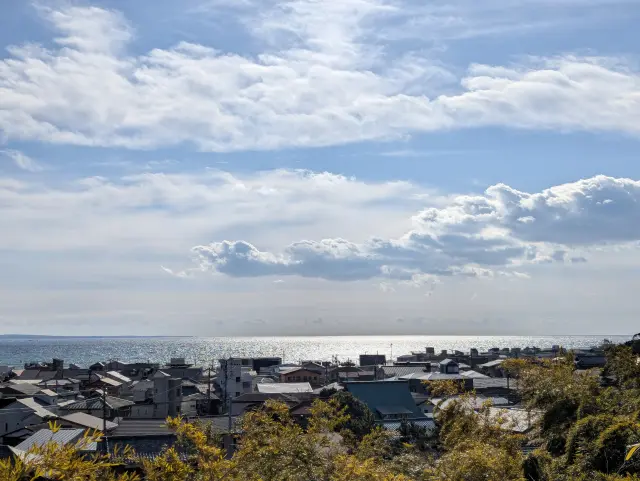
And the view of the ocean in Kamakura from the observation deck is something you can’t miss.
Hasedera is full of surprises—every turn seems to bring a little, unexpected beauty. -
-
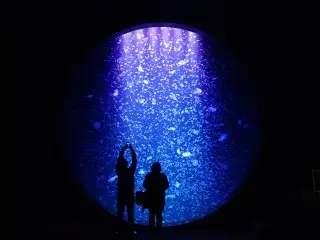
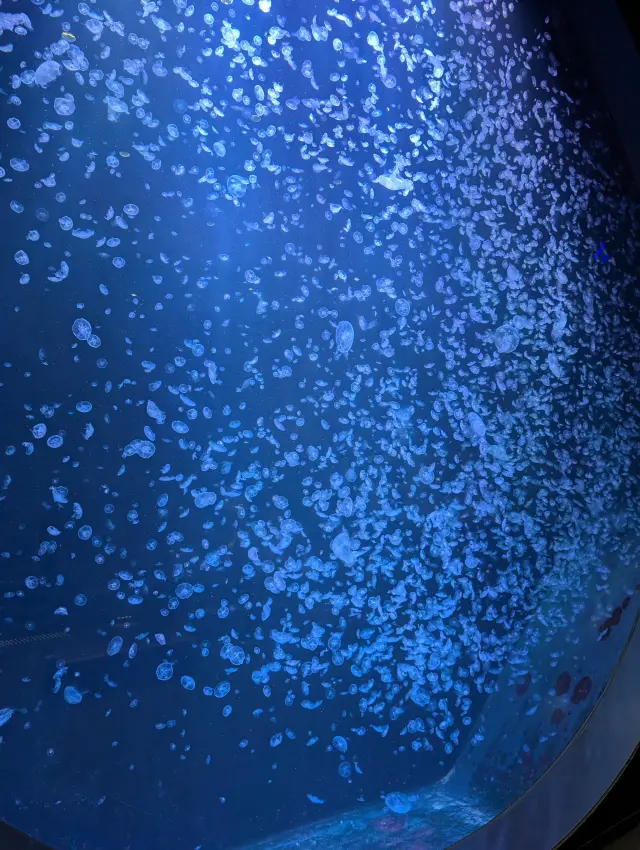
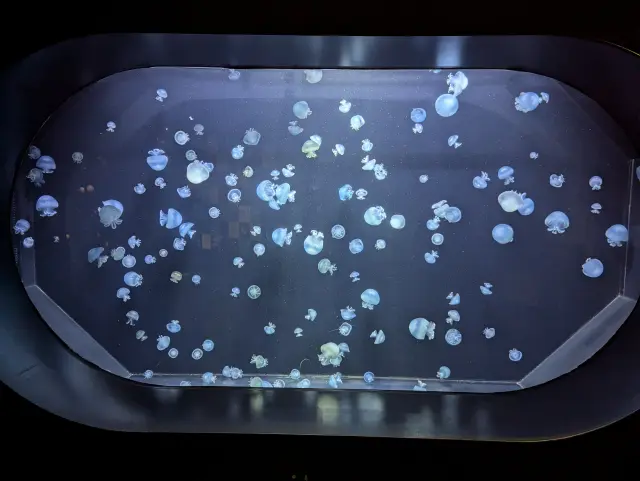
Famous for its wide variety of jellyfish, and the “Jellyfish Dream Theater” is a signature symbol of Tsuruoka tourism.
When I visited, I realized the tank itself isn’t very big, but the design is really clever. With the lighting effects and tons of jellyfish drifting around, it feels quiet, pure, and genuinely soothing.
Even if the trip is a bit of a haul, it’s worth coming for this dreamy, almost unreal view. -
-
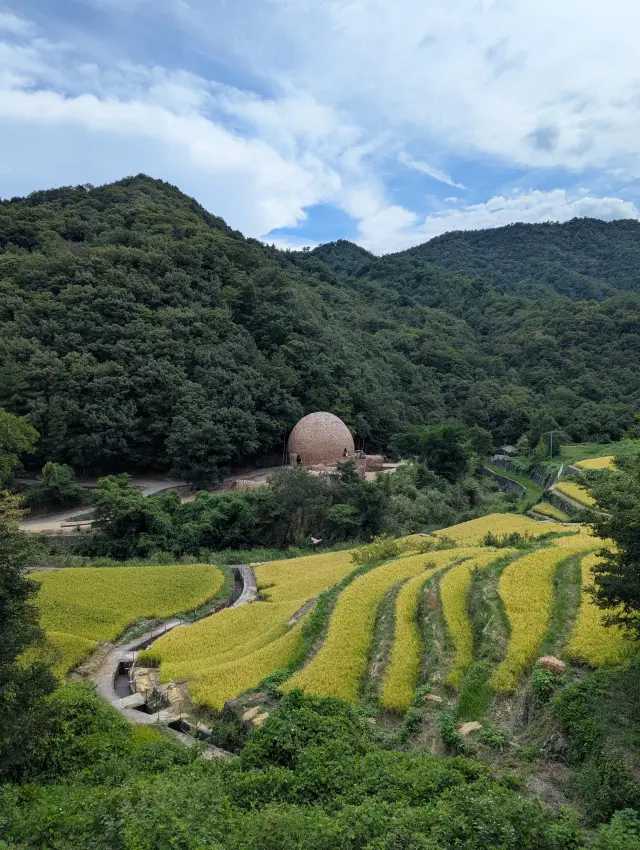
The terraced rice fields and the art pieces complement each other beautifully. Feeling the gentle breeze in nature, it was so quiet I could only hear the bamboo swaying. It really calmed my mind.
-
-
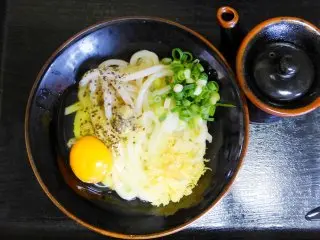
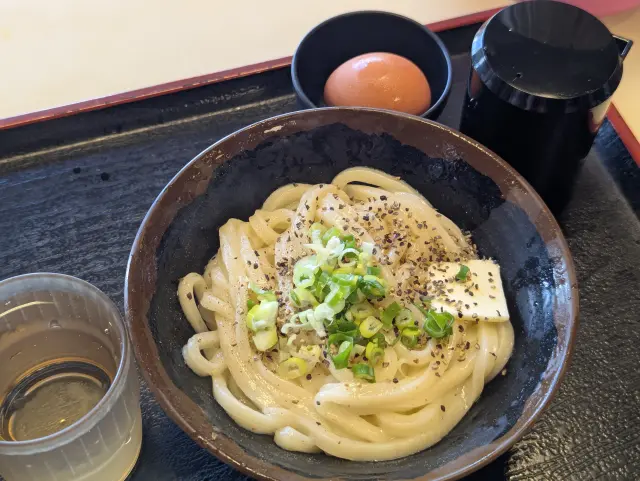
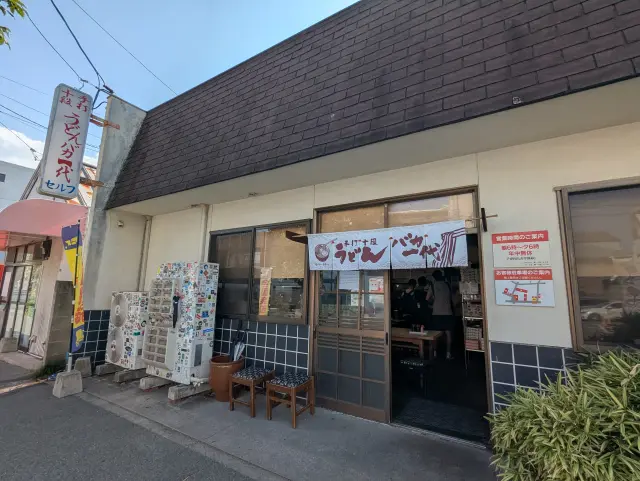
The signature dish here is the “Kama Butter Udon,” which tastes a lot like carbonara. Even though the location isn’t in a busy area, it still draws tons of food lovers.
I came after peak meal time and the place was still packed. Even so, I didn’t have to wait long to order, thanks to the staff’s smooth, well-organized service.
After mixing the butter and raw egg really well, the noodles turn super silky, and the black pepper is the perfect finishing touch. I cleaned the bowl in no time. -
-
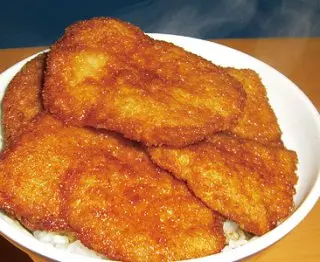
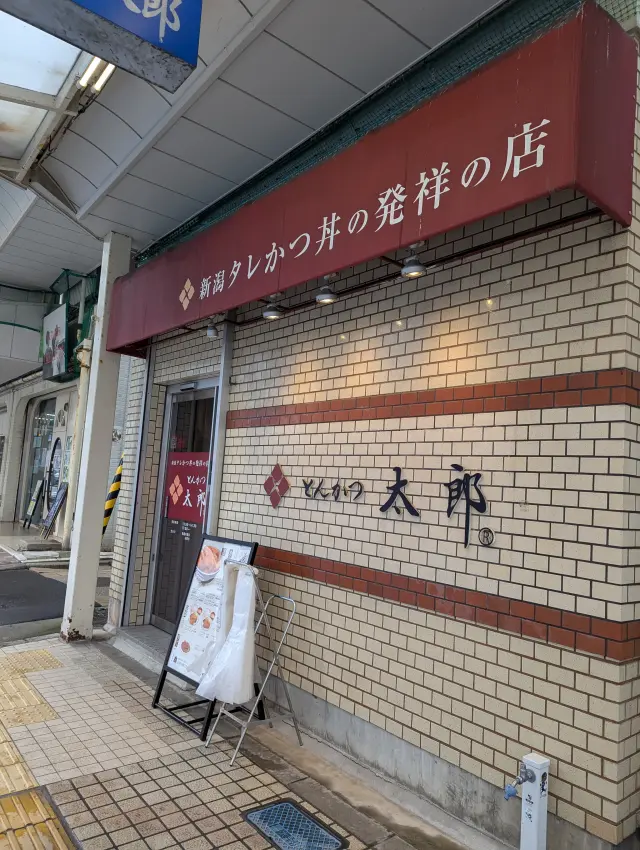
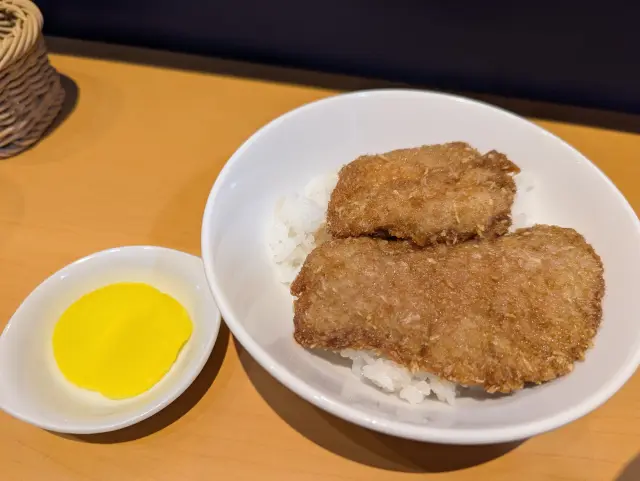
Tonkatsu Taro, the birthplace of Niigata’s sauce katsudon. Even though I’d just finished breakfast, I still wanted to try it—thankfully they have a mini bowl option.
Two sauce-coated pork cutlets laid right on top of white rice. That’s it, super simple.
It doesn’t look especially pretty, but that’s kind of the point with Niigata sauce katsudon.
The sweetness of the sauce clings to the cutlet with a bit of chew, and with Niigata rice it tastes plain and comforting in the best way. When it started to feel a little rich halfway through, adding a bit of yellow mustard or pickled daikon totally changed the flavor.
No wonder it’s a beloved local spot—by the time I finished, there was already a long line out front! -
-
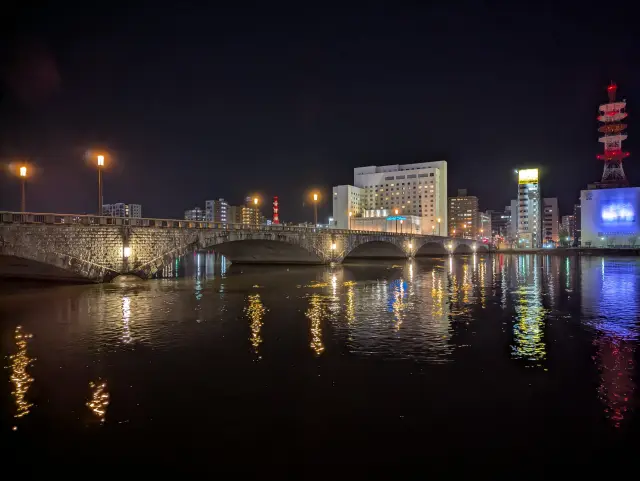
In the center of Niigata City, the Shinano River runs through town, and the city’s symbol that connects both sides is Bandai Bridge.
After a good dinner and some drinks at night, I walked over to the river. Bandai Bridge lit up after dark has a completely different vibe than during the day.
Even though it’s right in the middle of the city, it’s surprisingly quiet. Sitting on a bench by the water and just taking in the view—nights like this really hit you. -
-
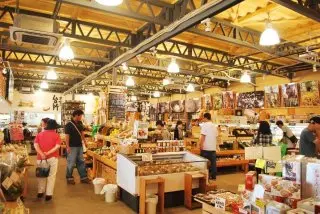
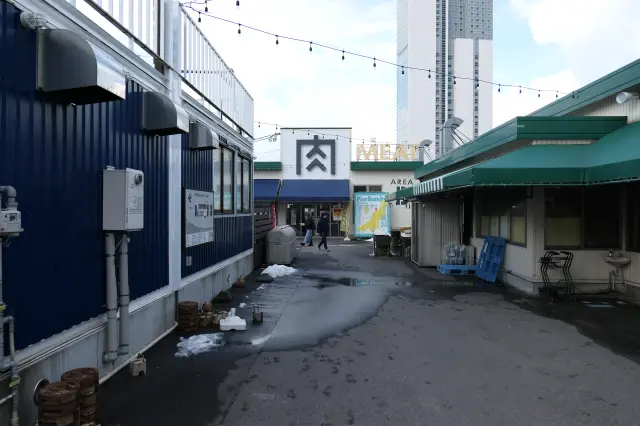
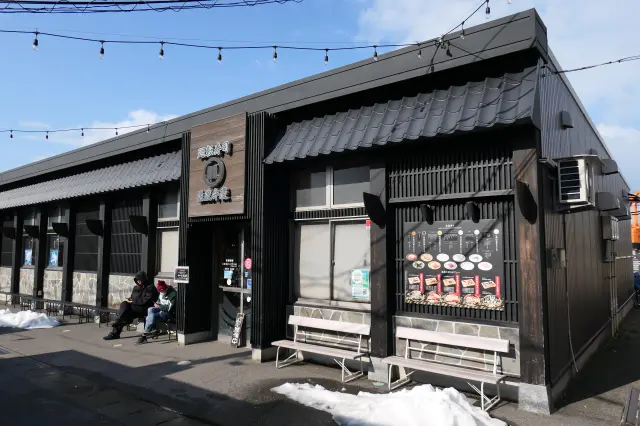
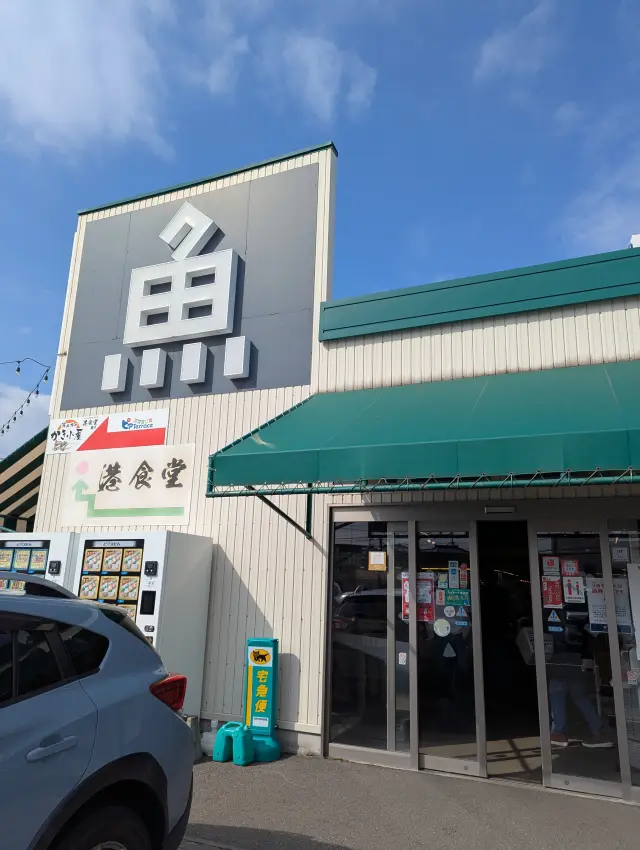
Pier Bandai is basically a one-stop spot for all of Niigata’s local eats.
You can enjoy fresh, seasonal seafood and also pick up fruits and veggies delivered straight from the farms. The Echigohime strawberries I got here were way better quality (and priced better) than at the supermarket.
It’s also nice to stroll along the harbor and look out toward Toki Messe. The whole place feels super laid-back, and they’ve got everything from local food to souvenirs.
Highly recommend stopping by. -
-
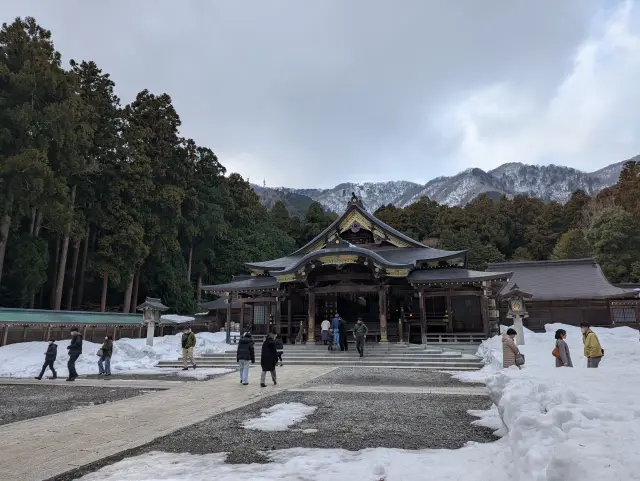
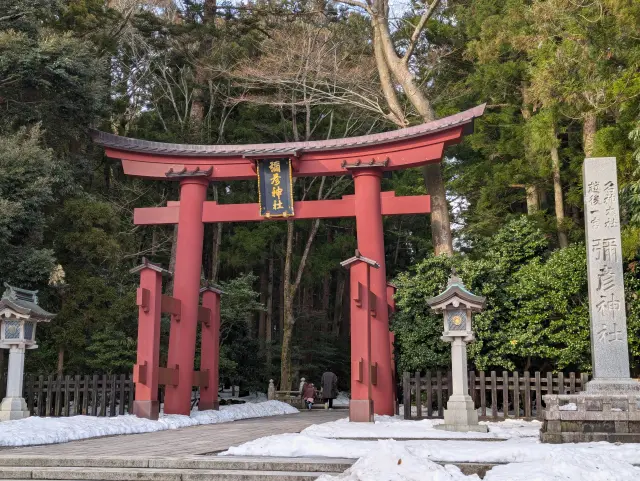
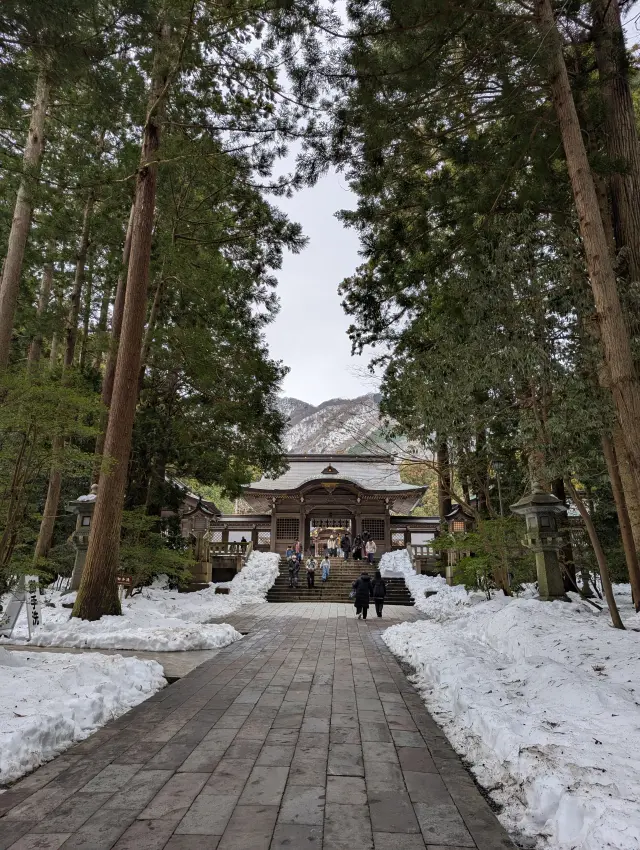
Stepping into Yahiko Shrine felt like entering sacred ground.
As soon as I started down the approach, crisp, chilly air greeted me. Towering trees line the path, and it’s quiet yet solemn.
The moment I passed through the Zuishinmon gate, the worship hall lined up with the outline of Mt. Yahiko behind it, and the whole atmosphere felt especially holy. -

-
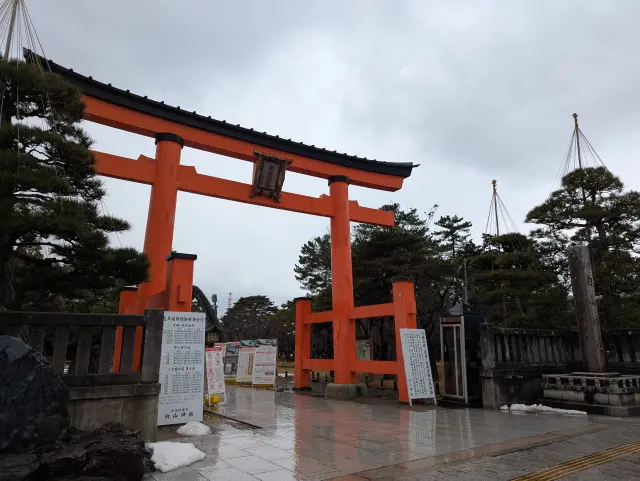
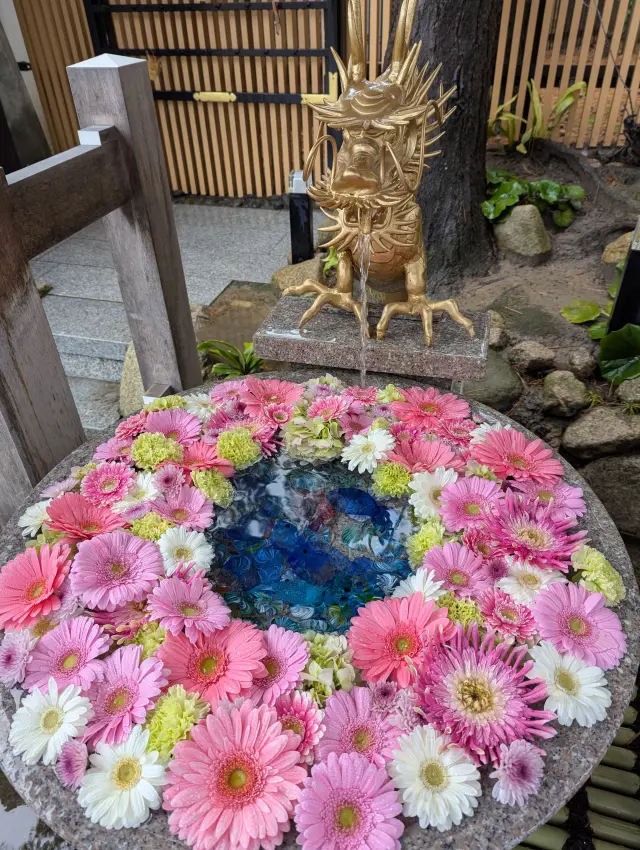
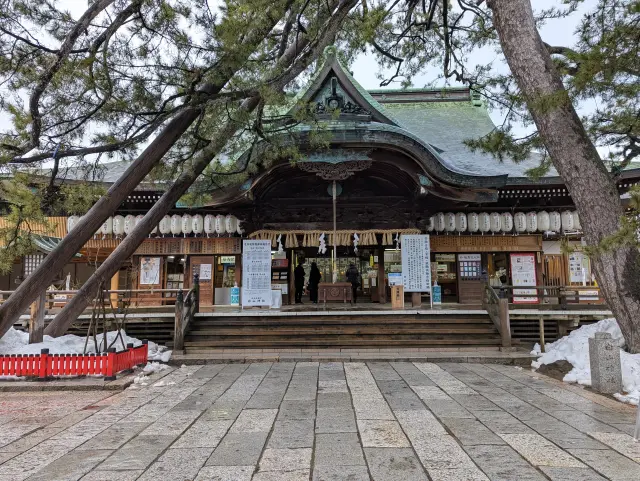
On the last day of my trip, I visited Niigata’s guardian shrine, Hakusan Shrine. As soon as I stepped inside, I was drawn to the colorful flower water basin.
After praying at the main hall, I was blown away by all the unique omamori charms and goshuin—so many to look at.
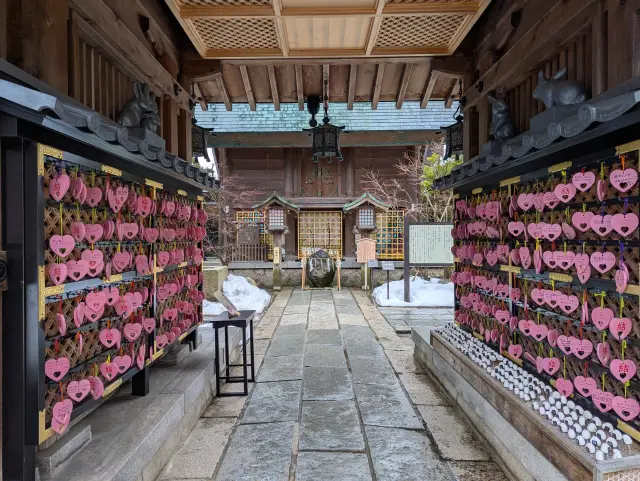
Hakusan Shrine is known for blessings like business success, good relationships, and safe childbirth. I walked past the matchmaking wall covered in ema plaques and made my way to a sacred stone called the “Hakusan Kukuri Stone.”
They say if you touch it, you can receive Hakusan’s energy. The moment I did, a gust of wind suddenly blew through, and the pinwheels on both sides started spinning. It felt like I connected with nature for a second—and it was such a magical way to end the trip. -
-
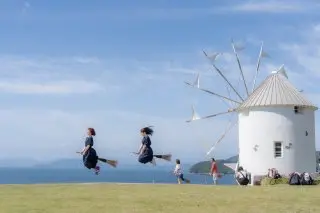
Stepping right into Kiki’s Delivery Service.
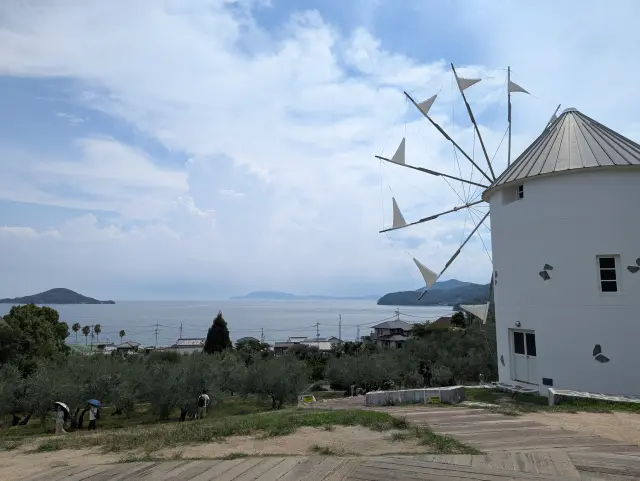
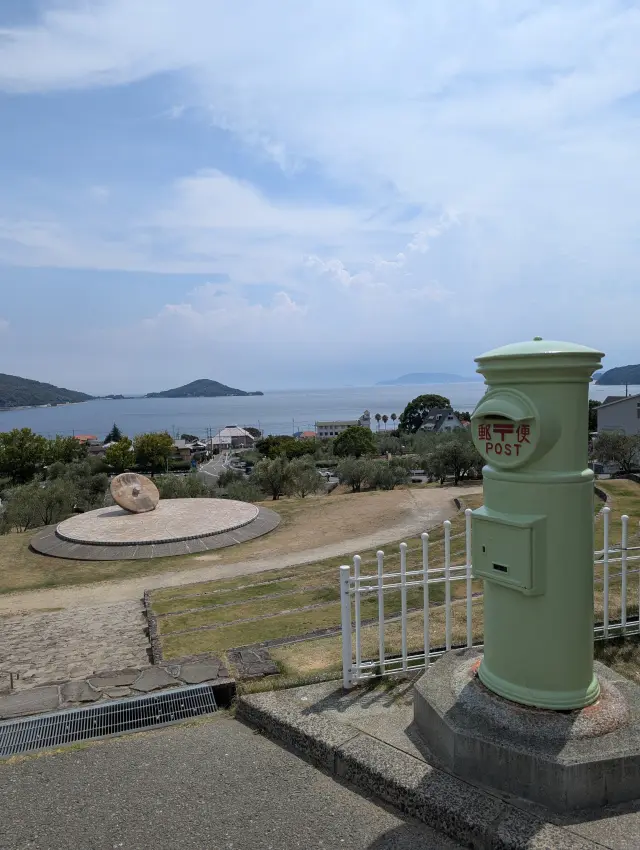
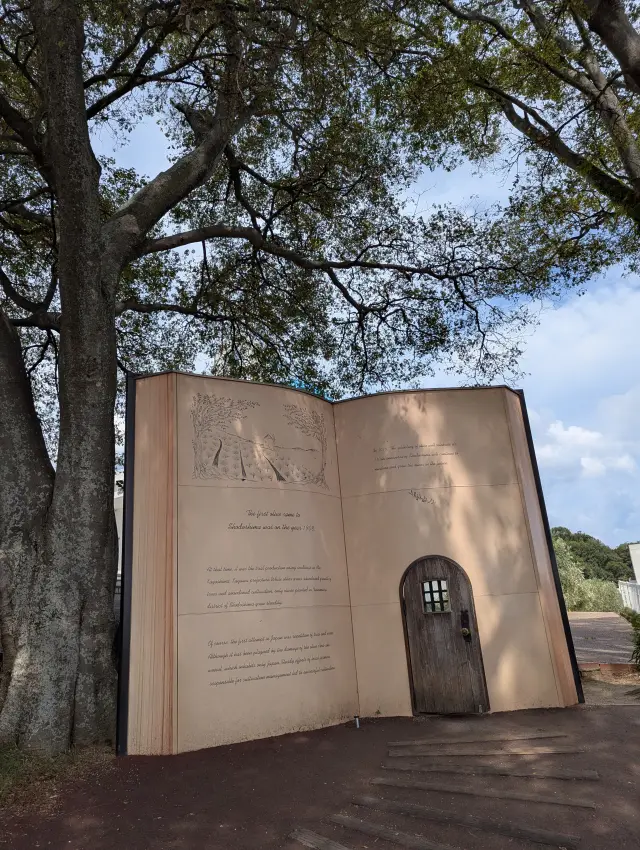
I finally made it to Shodoshima, and my first stop was Olive Park. I looked out over the Seto Inland Sea by the Greek windmill, mailed a happy postcard from the olive-green mailbox, then followed the olive trees to check out the movie spots.
The whole place has this charming, foreign vibe that kind of pulls you into a magical world without you even realizing it. -
-
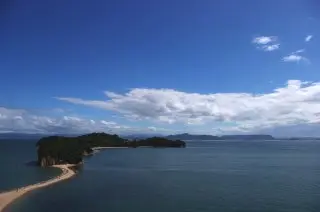
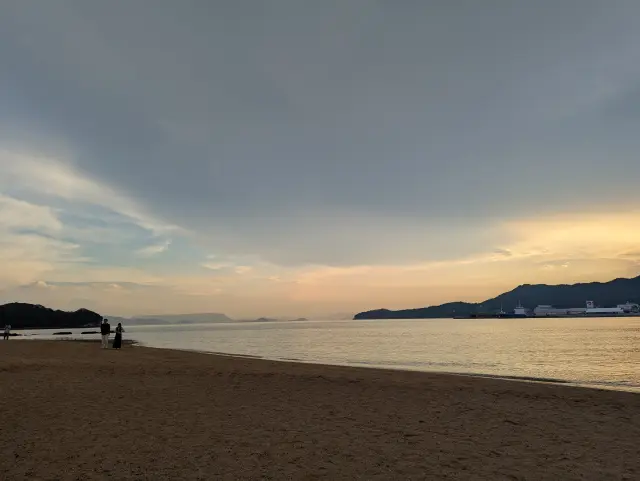
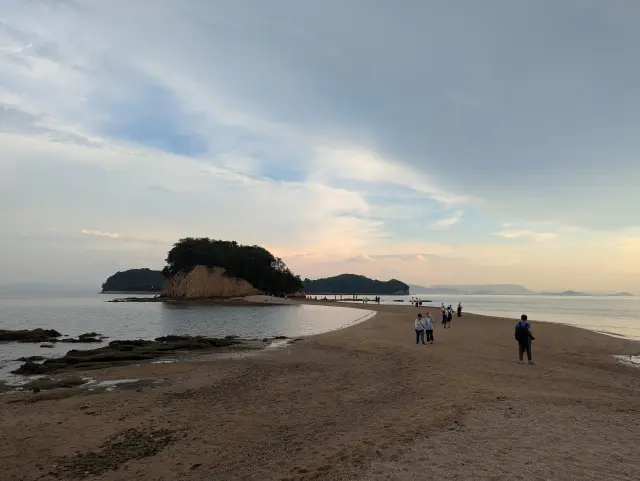
At dusk, that’s when the angel finally shows up.
The first time I came, it was still too early and Angel Road hadn’t fully appeared. As the sun slowly dipped and the afterglow lit up the water, the angel’s moment finally arrived. -
-
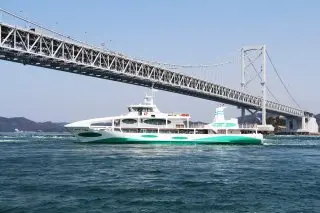
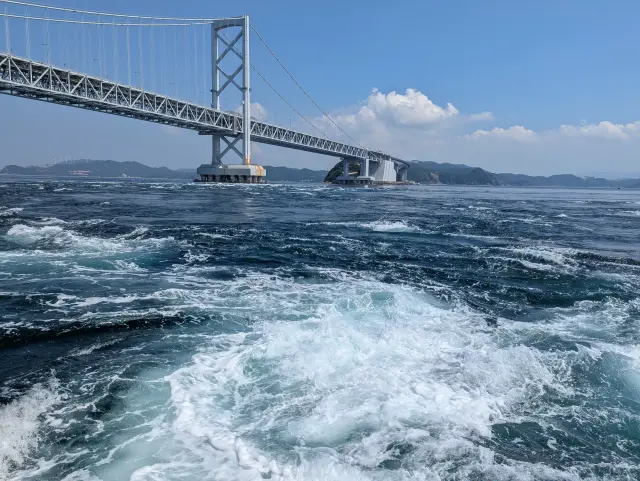
You really get to feel how incredible nature is. Even though it was only a mid tide the day we went, riding the small sightseeing boat and cruising near the whirlpools still let us fully experience how powerful they are.
-
-
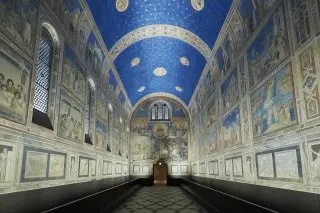
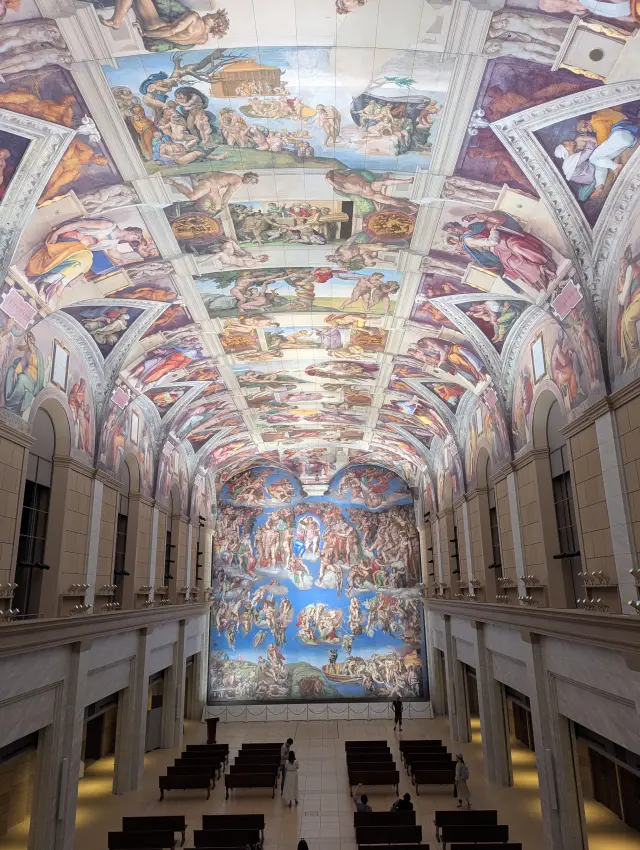
This place isn’t just a stage for the Red and White show—it’s also a doorway into world art.
They use sand from the Naruto Strait to make ceramic panels, then reproduce thousands of famous masterpieces on them. One visit and you can take in so many iconic works from around the world.
You can photograph everything, and the immersive displays make art feel a lot more approachable. -