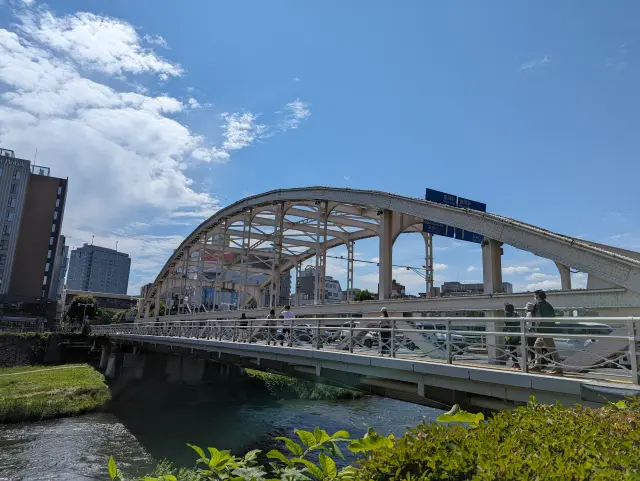
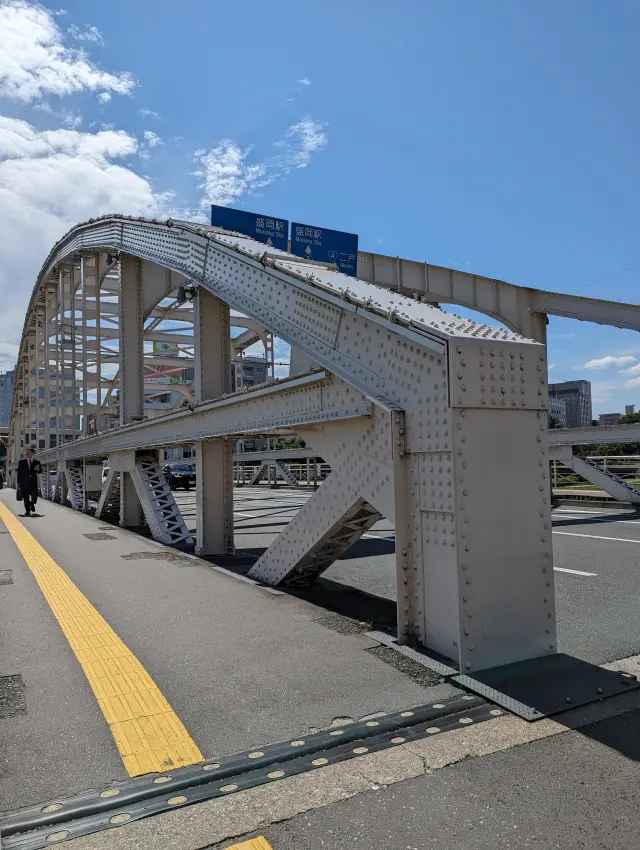
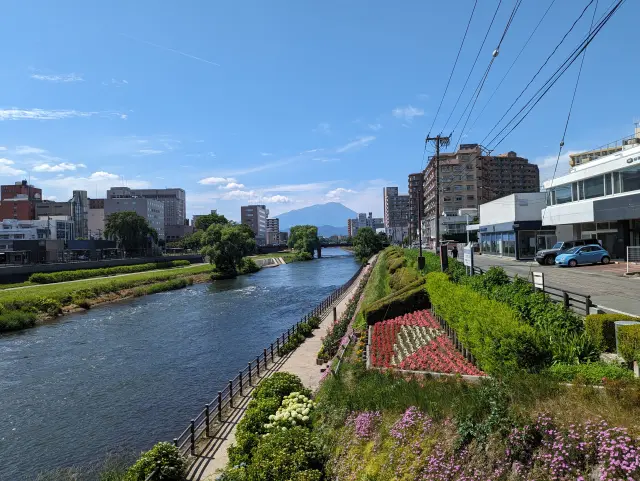
On the way from Morioka Station to downtown, you pretty much have to cross Kaiunbashi Bridge.
It feels like a symbol of Morioka, and the view of Mt. Iwate from the bridge is absolutely worth seeing!
金己田's Reviews Page 4/6
-
-
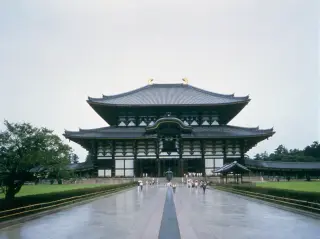
When people talk about Nara, Todai-ji always comes to mind. I visited Nara years ago but, for some reason, didn’t get to go inside. This trip finally made up for that regret.
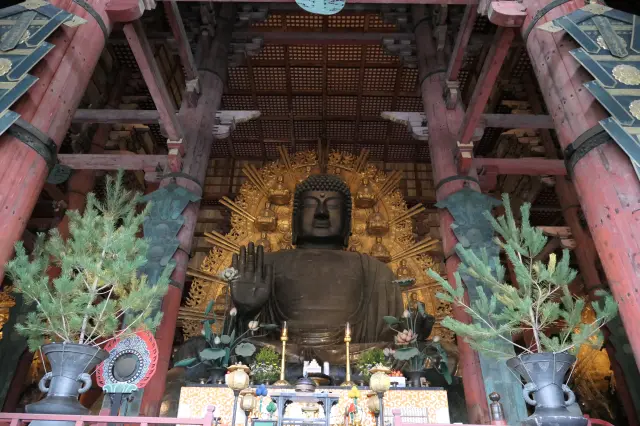
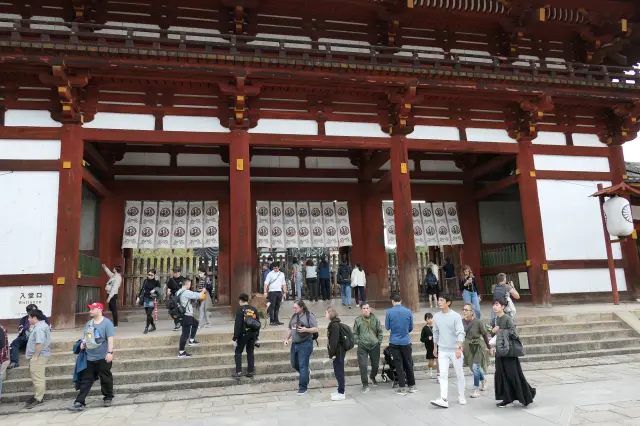
The moment I stepped into the Daibutsuden (Great Buddha Hall), the Great Buddha instantly grabbed my attention. Tourists from all over the world were gathered in front of it, all hoping to see it up close.
With such a solemn expression, it felt like it could embrace everything. I couldn’t help but bow in respect. -
-
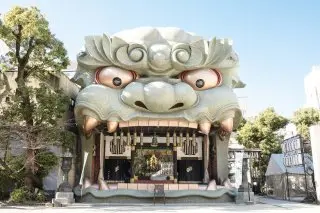
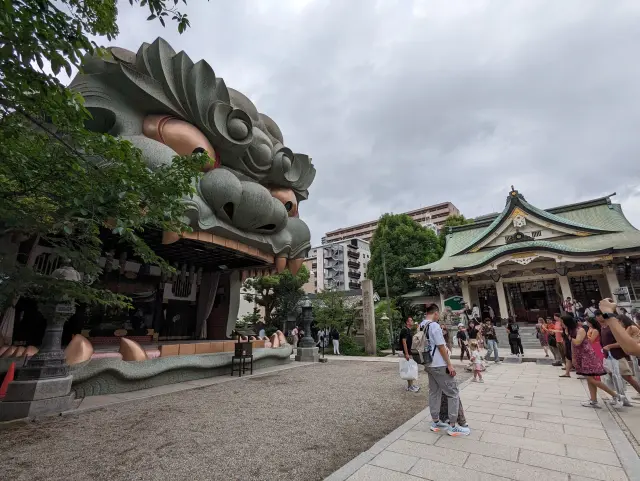
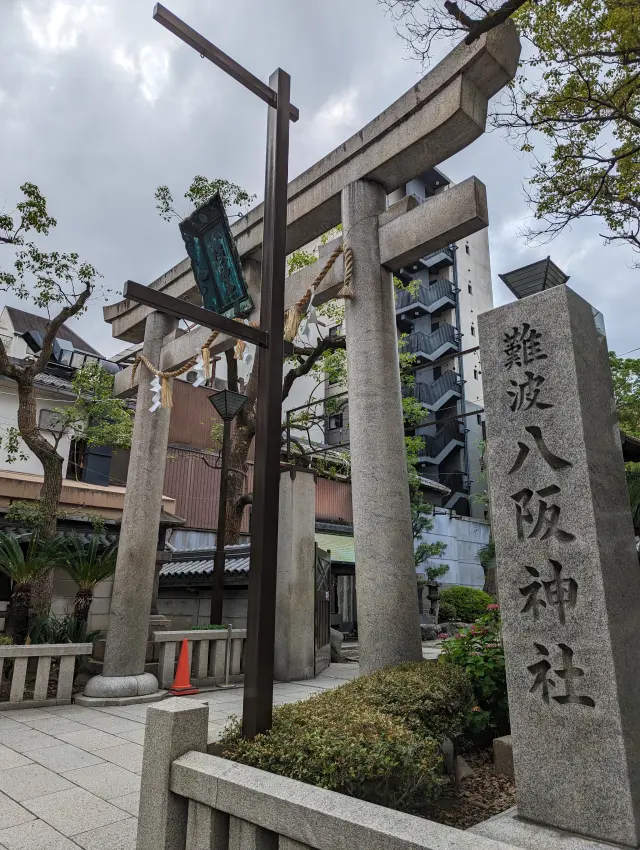
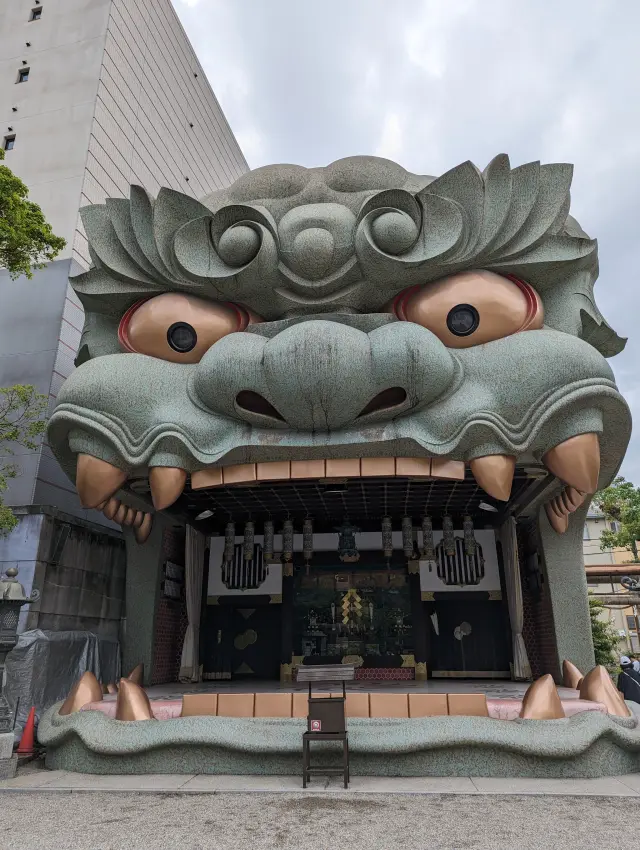
If you’re talking about symbols of Osaka, besides Shinsaibashi, Namba Yasaka Shrine has to be up there!
Tucked away in a quiet alley, that lion with its mouth wide open is seriously impressive. It’s said to ward off bad luck for people who’ve come from far away—then you can soak up a ton of good energy and head on to your next stop! -
-
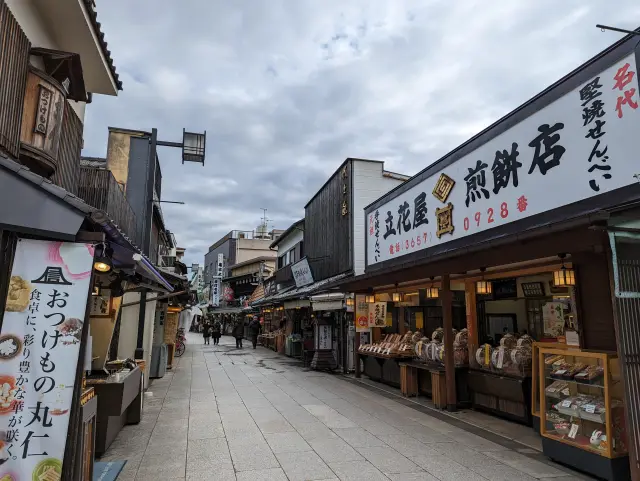
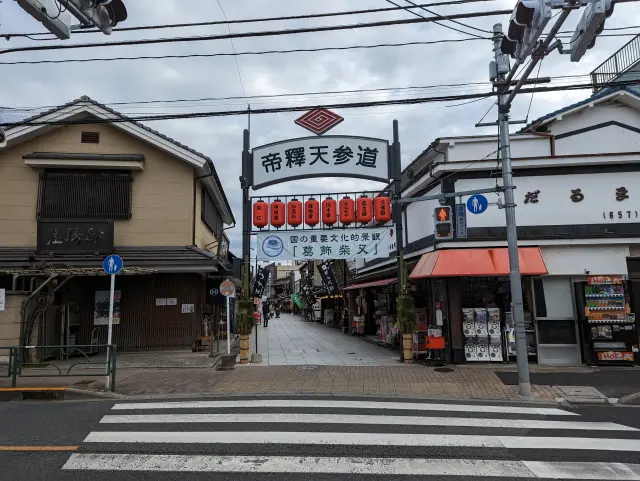
After watching Ariyoshi-kun’s “Shoujiki Sanpo,” I put “Shibamata Old Town” on my list for my next Tokyo trip!
It’s so cool to feel traditional Japan right in the middle of a huge city—the mix of old and new is exactly what makes Tokyo so charming.
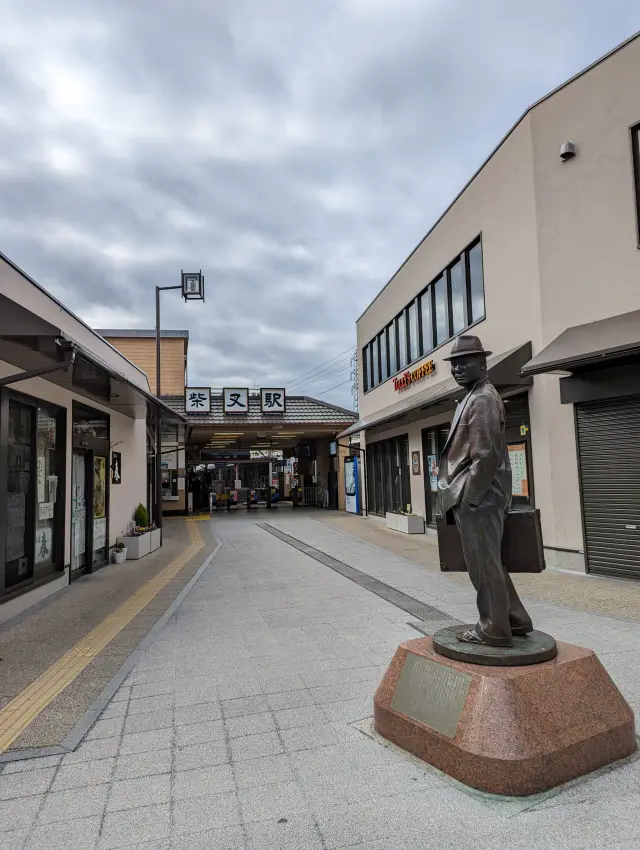
The moment you step out of the station, you can really feel that classic downtown (shitamachi) vibe. This area was also a filming location for the Japanese movie series “Otoko wa Tsurai yo.” Foreign visitors might not totally relate, but that scene where the main character, Torasan, says goodbye to his sister gives Shibamata a little extra nostalgic feel. -
-
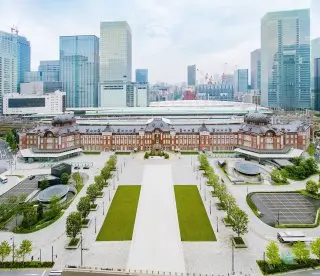
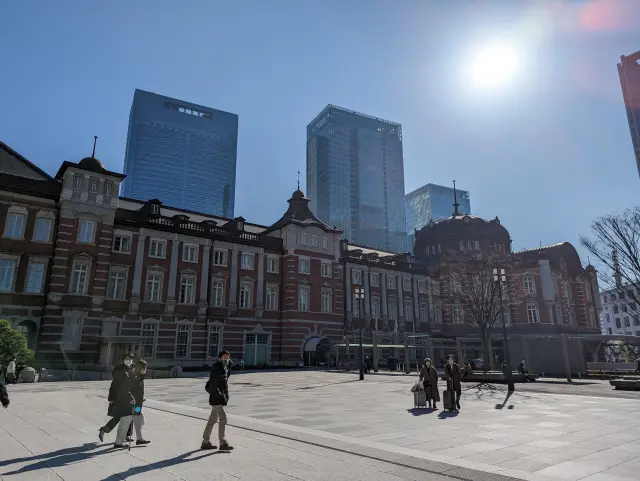
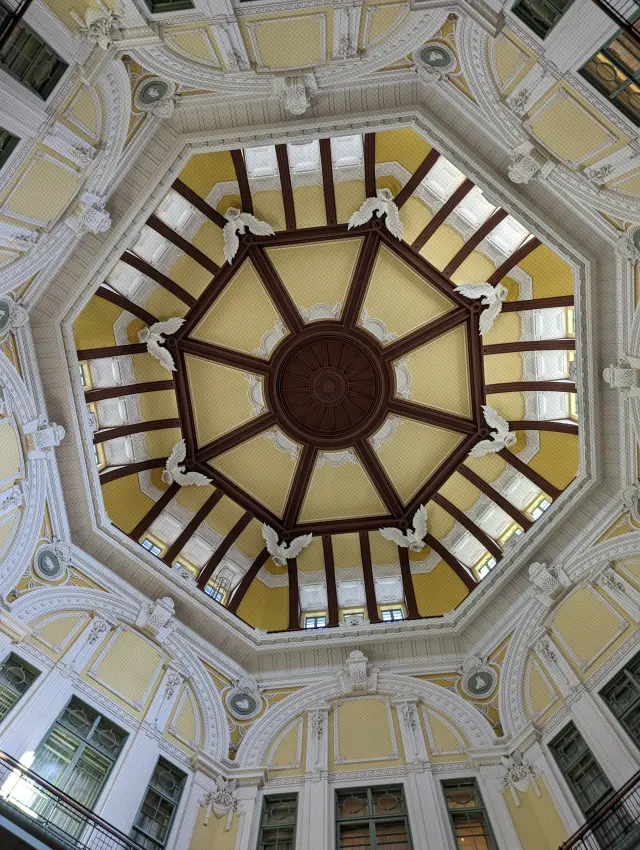
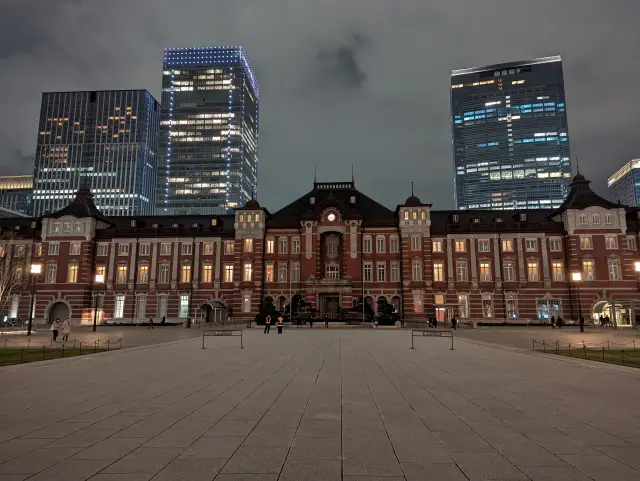
When you think of Tokyo, besides Tokyo Tower, it’s got to be Tokyo Station, right?
Surrounded by all the skyscrapers in Marunouchi, I can’t help wondering how much history Tokyo Station has witnessed since it opened in 1914.
I took this photo in Marunouchi Square, and it really captures Tokyo’s mix of tradition and innovation. For me, getting to Tokyo Station feels like I can finally say, “I’m home!”—it’s just so comforting. -
-
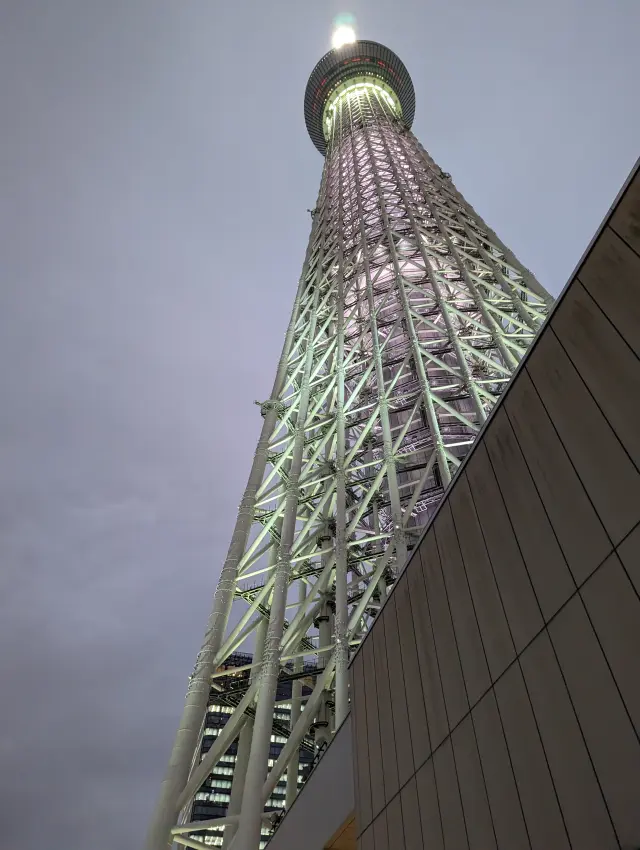
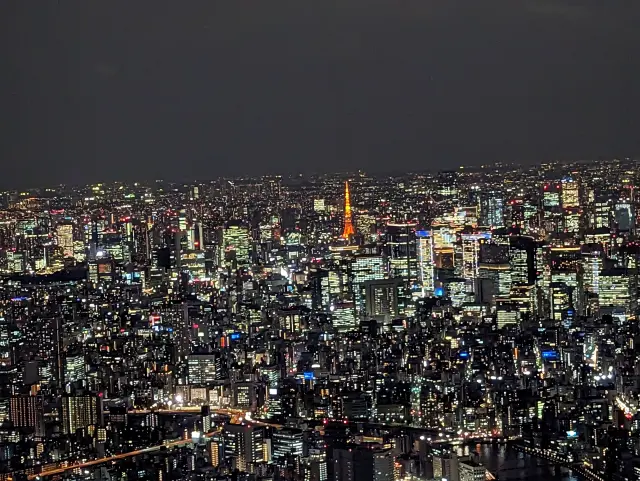
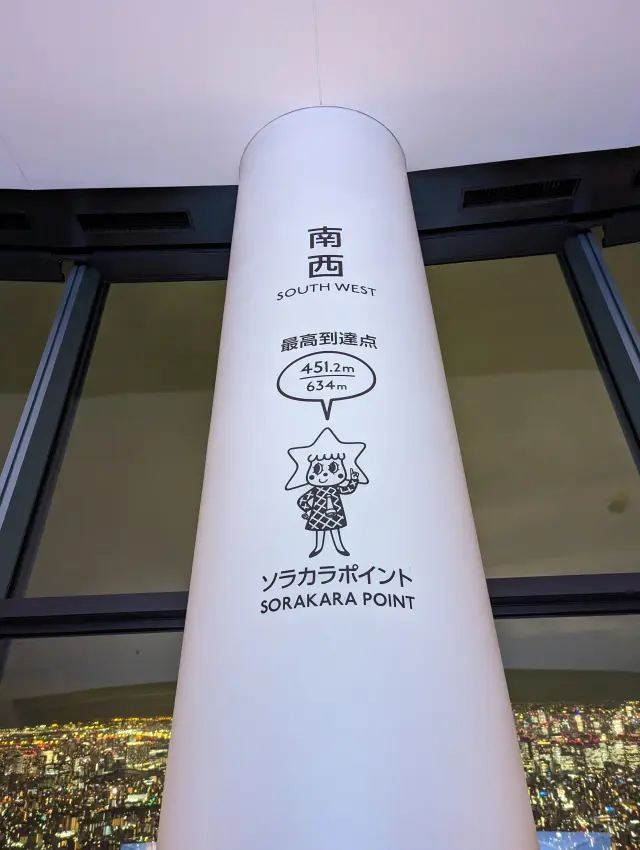
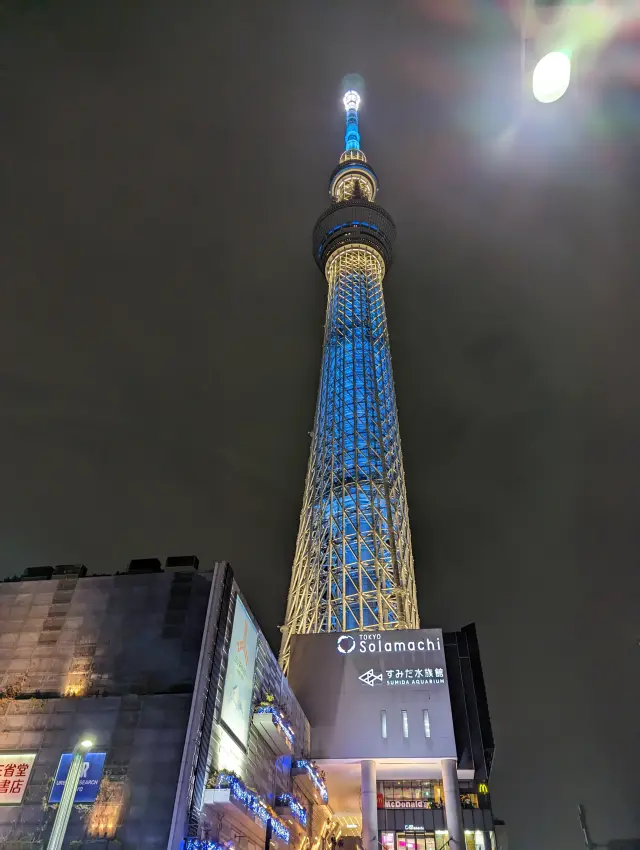
Looking out over Tokyo’s night view from the top at 450 m felt like being on a plane.
You can take in the whole city at once—the lights of this massive metropolis are dazzling.
It really makes you feel small in the best way. -
-
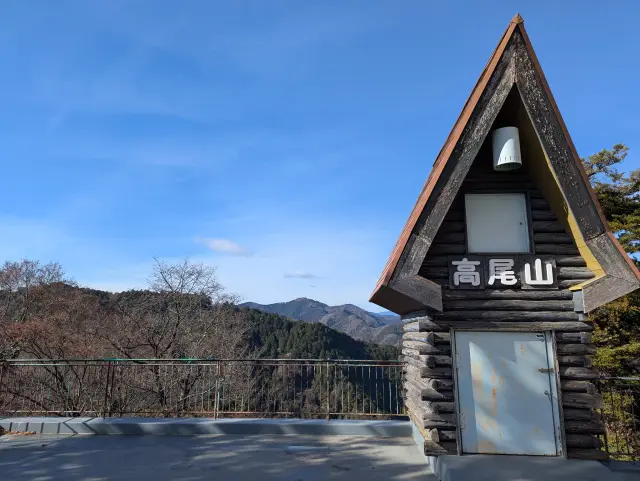
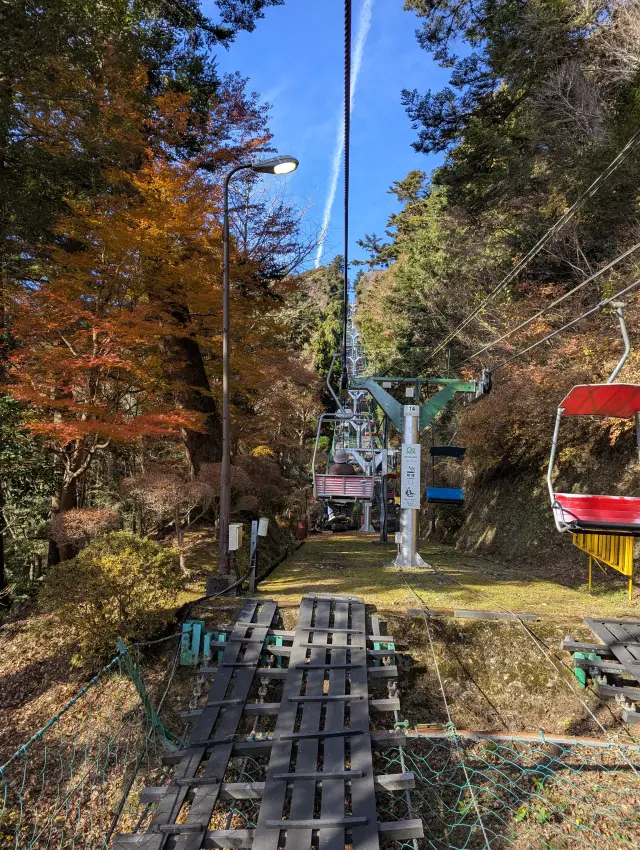
Mount Takao feels like an amusement park—starting with the chairlift, my heart was already racing.
Even though it’s a hike, it’s super beginner-friendly. The trail is gentle and easy to walk, and you can reach Yakuo-in Temple with a relaxed stroll. After praying there and taking a short break, we headed toward the summit… and that’s when the real challenge starts!
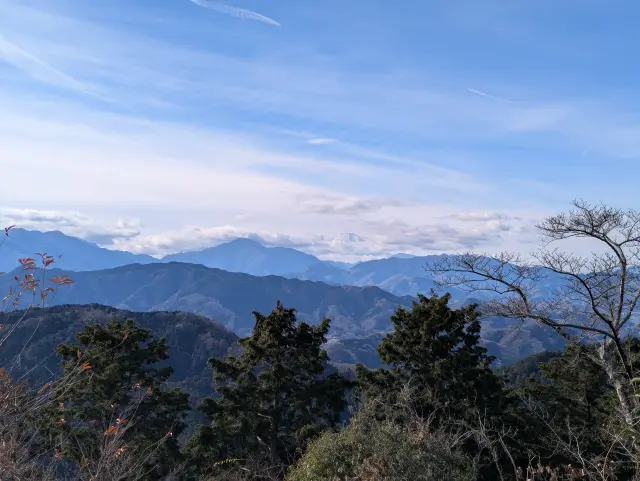
Reaching the top felt like clearing a level—so satisfying. I just found a spot to sit, ate the snacks I brought, and looked out at the mountains in the distance. Total reset for both body and mind. -
-
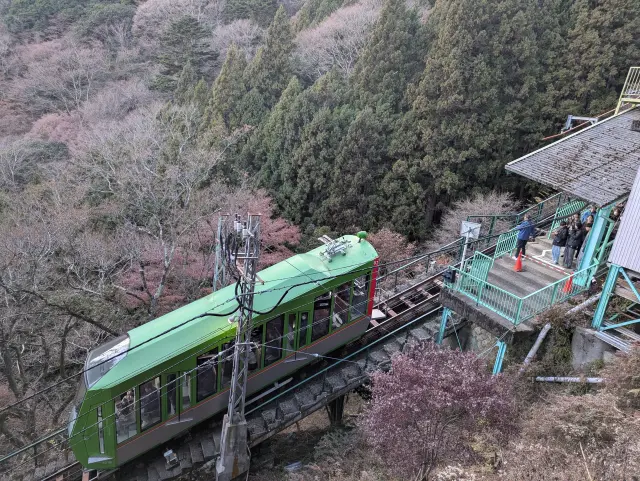
Getting to Oyama definitely takes some legwork. I got off at Isehara Station on the Odakyu Line, took a bus to the Oyama Cable Car Station, and then still had to walk about 15 minutes to reach the cable car.
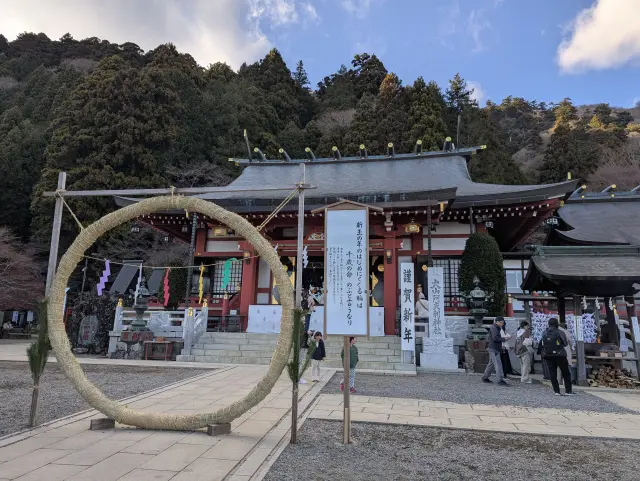
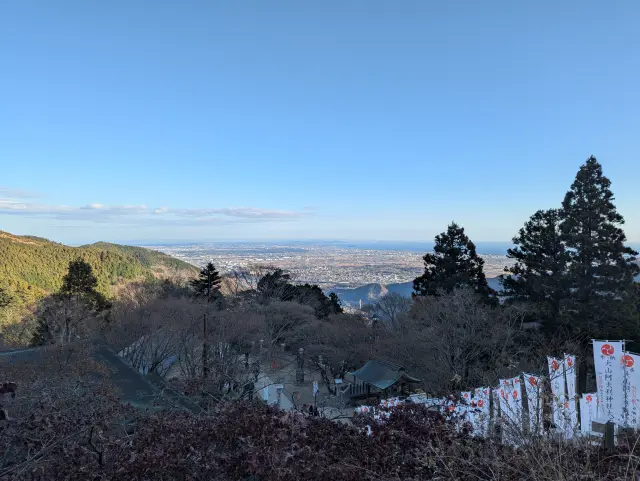
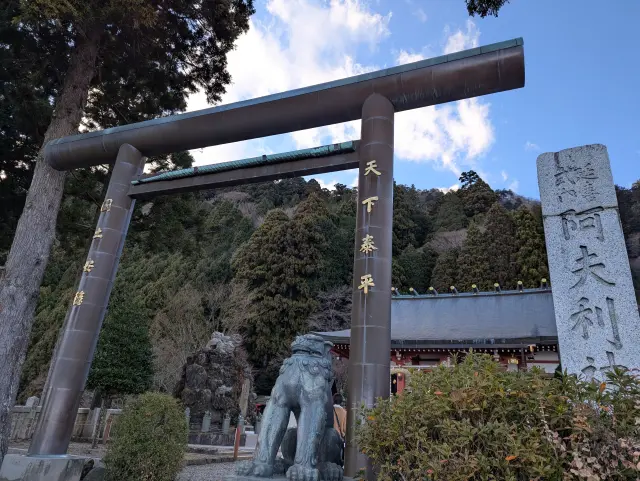
After working my way up, I finally arrived at Oyama Afuri Shrine. I visited along with the New Year’s crowds, then took in the view from the shrine—soaking up the deep blue of Sagami Bay and the clear winter sky all at once. -
-
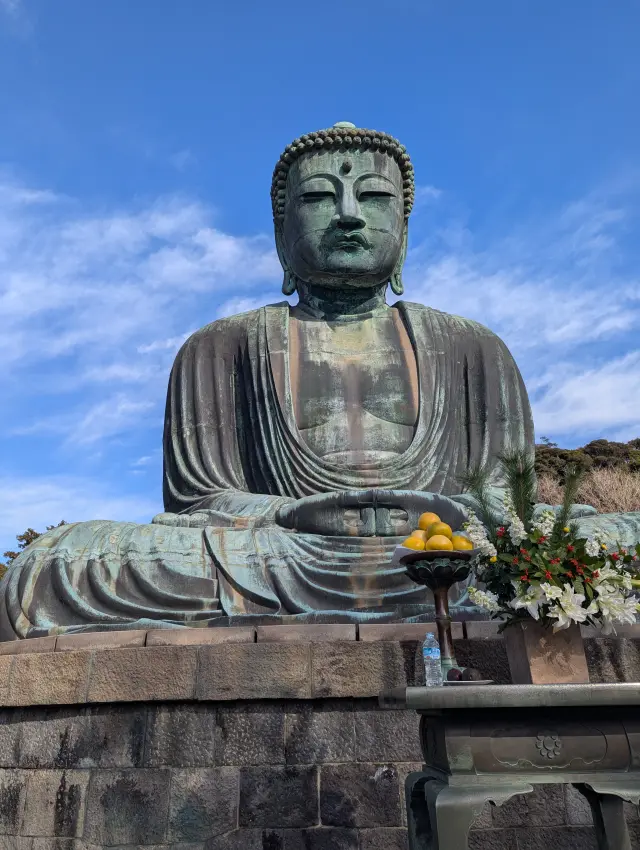
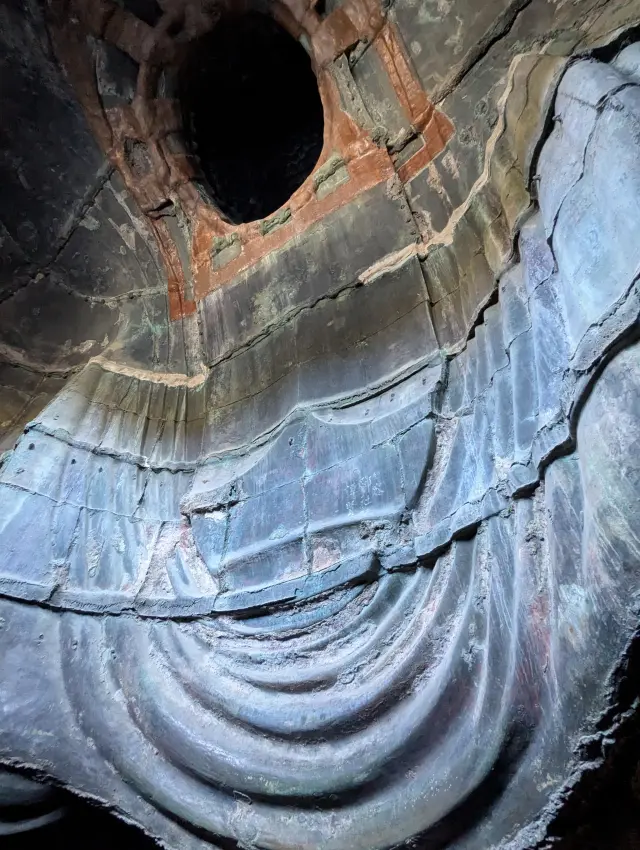
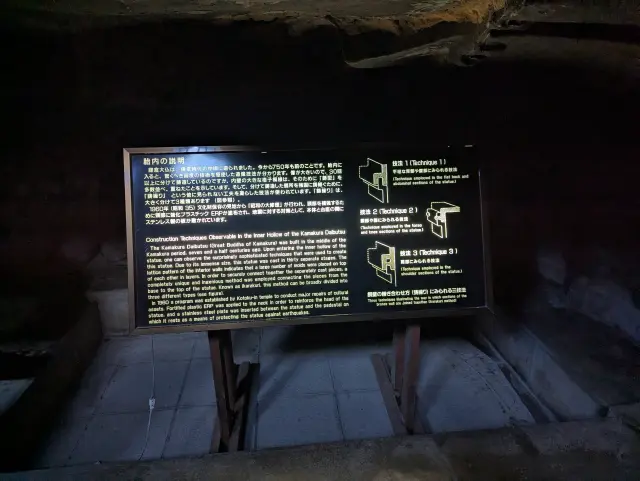
As one of Kamakura’s symbols, I missed it last time because my schedule was too tight. This time, on my return trip to Kamakura, I made it my top priority.
I read a bunch of reviews beforehand, so I knew what to expect. The grounds are small and it’s basically centered around the Great Buddha—you can finish in about 15 minutes.
Worth seeing for a first visit, but I wouldn’t really want to go a second time. -
-
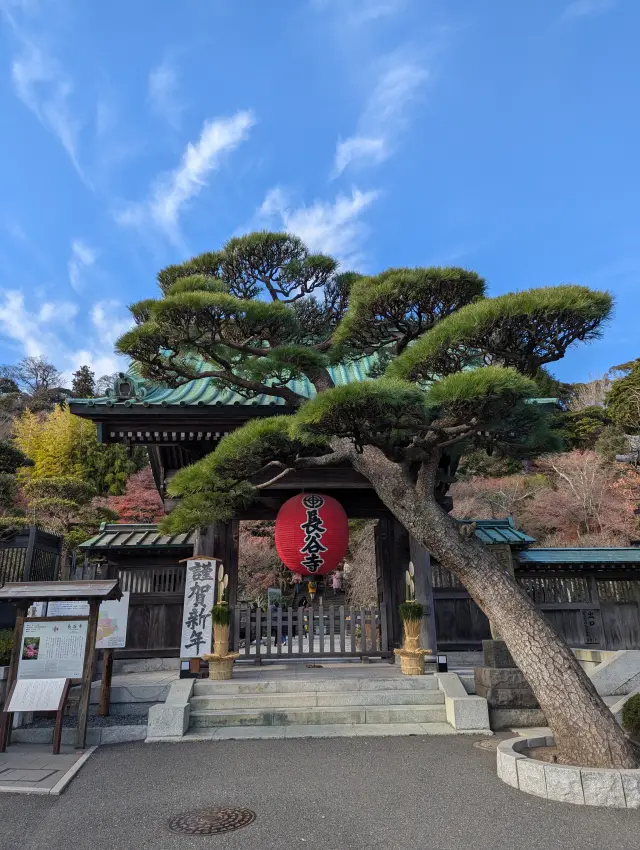
Came to Hasedera Temple for the fun of exploring.
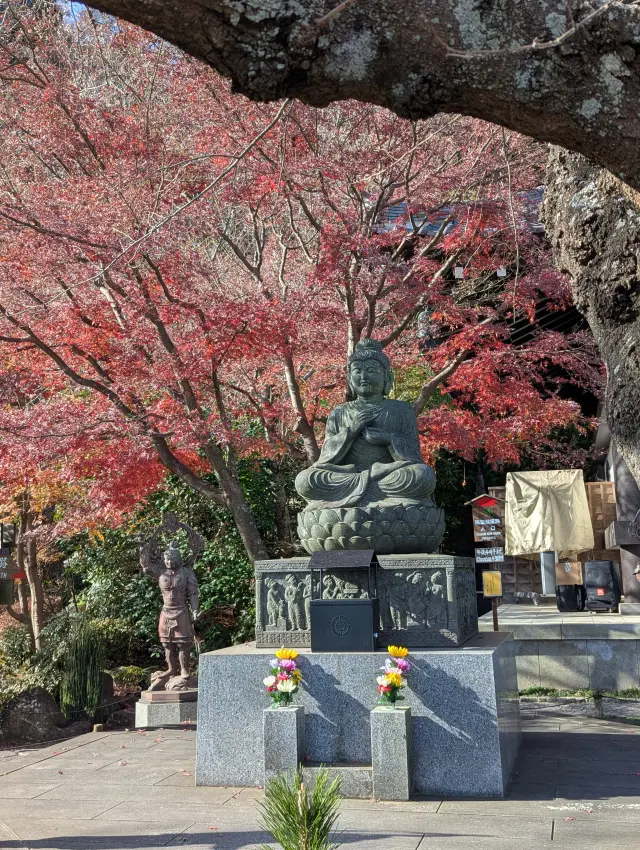
Starting with that iconic pine tree by the entrance, there are thoughtful details everywhere. The landscaping and plants change with the seasons, and even the main deity—an 11-faced Kannon—is Japan’s largest wooden carved Buddha statue.
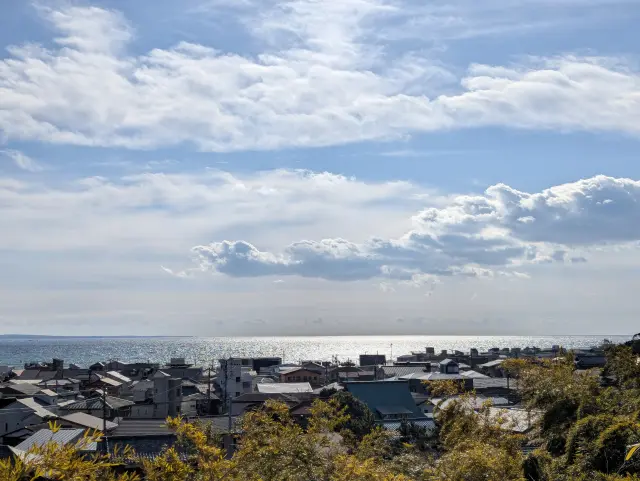
And the view of the ocean in Kamakura from the observation deck is something you can’t miss.
Hasedera is full of surprises—every turn seems to bring a little, unexpected beauty. -