
![[Saga Travel Guide] A Great Reference for First-Time Visitors](https://static.gltjp.com/glt/data/article/21000/20681/20240422_110420_26cfff23_w1920.webp)
[Saga Travel Guide] A Great Reference for First-Time Visitors
Saga is known for the wide range of experiences it offers, from rich nature and culture to local food and hot springs.
This article covers everything you need for a trip to Saga, including sightseeing spots and model courses, recommended local food, and places to visit in Fukuoka and Nagasaki that you can enjoy along with Saga.
If you want to learn about Saga’s popular attractions and sample itineraries, be sure to read this before your trip.
Saga: Stunning Scenery Shaped by Nature and Great Local Food
Saga is located in northwestern Kyushu.
It borders Fukuoka Prefecture to the east and Nagasaki Prefecture to the west, while facing the Genkai Sea to the north and the Ariake Sea to the south.
With its many mountains, one of Saga’s biggest draws is the spectacular scenery created by its rich natural surroundings.
Local food made with fresh seafood and mountain produce is also something you should not miss on a trip to Saga.
There are many other appealing attractions as well, including hot springs, festivals, pottery, and historic sites.

Saga’s Average Temperatures and What to Wear
In many parts of Saga, the average annual temperature is around 61°F, giving the area a mild climate.
It often rains in the mountains, so it is a good idea to bring a folding umbrella or rainwear.
Please also use the average temperatures and clothing suggestions below as a guide when preparing for your trip.
Average Monthly Temperatures in Saga
| - | January | February | March | April | May | June | July | August | September | October | November | December |
|---|---|---|---|---|---|---|---|---|---|---|---|---|
| Average Temperature (°C) | 5.8 | 7.0 | 10.4 | 15.3 | 20.0 | 23.5 | 27.2 | 28.2 | 24.5 | 19.1 | 13.3 | 7.8 |
Seasonal Clothing Guide for Saga
- Spring (March - May): Light jacket and thin sweater
- Summer (June - August): Light clothing, short sleeves
- Fall (September - November): Light jacket, coat
- Winter (December - February): Coat, thick sweater or jacket
Access to Saga
Saga is served by Kyushu Saga International Airport, making it accessible in Approx. 1 hour 50 minutes from Haneda Airport in Tokyo and Approx. 1 hour 10 minutes from Itami Airport in Osaka.
You can also reach it in Approx. 40 minutes by limited express train from Hakata Station in Fukuoka.
In addition to domestic flights, Kyushu Saga International Airport also makes the area easy to access from overseas.
Access from Kyushu Saga International Airport to Major Stations
Here is a detailed guide on how to get from Kyushu Saga International Airport, Saga’s main air gateway, to Saga Station and Karatsu Station, two stations often used when traveling around Saga.
Access from Kyushu Saga International Airport to Saga Station
- Route
-
1. Take the Saga Airport Access Bus from Kyushu Saga International Airport and get off at Saga Station Bus Center
2. From Saga Station Bus Center, it is Approx. a 1-minute walk to arrive
The Saga Airport Access Bus stop is outside the domestic flights exit of the 1st-floor arrival lobby. - Travel time
- Approx. 35 minutes
Access from Saga Airport to Karatsu Station
- Route
-
1. Take the Saga Airport Access Bus from Kyushu Saga International Airport and get off at Saga Station Bus Center
2. Walk from Saga Station Bus Center to Saga Station
3. Take the Karatsu Line bound for Nishi-Karatsu from Saga Station and arrive in Approx. 1 hour 6 minutes - Travel time
- Approx. 1 hour 45 minutes
Main Transportation Options in Saga
The two main ways to get around while sightseeing in Saga are city buses and trains.
With these two options, you can visit the major sightseeing spots, so be sure to make good use of them on your trip.
City buses are especially recommended for short trips, as they connect various parts of Saga City.
Train options include JR Kyushu lines such as the Kagoshima Main Line, Nagasaki Main Line, Sasebo Line, Chikuhi Line, and Karatsu Line, as well as the Matsuura Railway Nishi-Kyushu Line.
Both city buses and trains offer discount passes, so use them to your advantage.

Discount Transportation Passes to Use in Saga
Many travelers visiting Saga probably want to keep transportation costs as low as possible.
Here, we introduce transportation passes you should know about to enjoy your Saga trip at a better value.
If You Are Touring Saga City, Use the “Unlimited One-Day Pass”
The Unlimited One-Day Pass allows unlimited rides for one day on all Saga City Bus routes except temporary buses.
If you plan to mainly use city buses, be sure to take advantage of this pass.
The pass costs 1,000 yen for adults and 500 yen for elementary school children and younger.
It also comes with special perks (coupons) that can be used at 11 locations, including museums and cafes.
These perks include discounts on admission and viewing fees, as well as one free drink.
Simply present your one-day pass and coupon ticket at each location, or show the smartphone screen if you are using a digital pass, to receive the perks.

What to Know About Saga’s Areas: Highlights and Attractions
Saga Prefecture can be divided into the five areas introduced below.
If you understand the highlights and attractions of each area, it will be easier to plan your trip.
The Central Area, a Travel Hub and Starting Point for Trips Around Saga
The central area consists of Saga City, home to Kyushu Saga International Airport and Saga Station, as well as Taku City and Ogi City.
The area around Saga Station is urban, but once you leave the station district, you will find abundant nature, including mountains and the sea.
There are also sightseeing spots with beautiful scenery, such as Kiyomizu Falls, where you can feel both grandeur and beauty, and Ogi Park, selected as one of Japan’s 100 Best Cherry Blossom Spots.
Another highlight is the Saga International Balloon Fiesta, one of Asia’s largest hot air balloon competitions, held in Saga City.

The Eastern Area, Home to Ruins Dating Back to B.C.
The eastern area includes six cities and towns, such as Tosu City, which is just 12 minutes away by Shinkansen from Hakata Station in Fukuoka, as well as Kanzaki City and Yoshinogari Town.
With its many forests and mountain streams, it is an area where you can fully enjoy the outdoors.
The biggest highlight here is Yoshinogari Historical Park, one of Saga’s most popular sightseeing spots and a nationally designated Special Historic Site.
At Yoshinogari Historical Park, you can explore valuable ruins that preserve the life and culture of the Yayoi period (5th century B.C. to 3rd century A.D.).

The Northwestern Area, Known for Spectacular Scenery Created by the Sea and Pine Forests
In the northwestern area, which consists of Karatsu City and Genkai Town, you can enjoy breathtaking scenery shaped by the Genkai Sea.
Nijinomatsubara, where Approx. 1 million black pine trees stretch for 500 meters, and Nanatsugama, a scenic spot formed by basalt eroded over many years by rough waves, are especially popular for their spectacular views.
Historical architecture and traditional culture are also part of the area’s charm, including Karatsu Castle, which appears to float on the sea, and Karatsu ware.

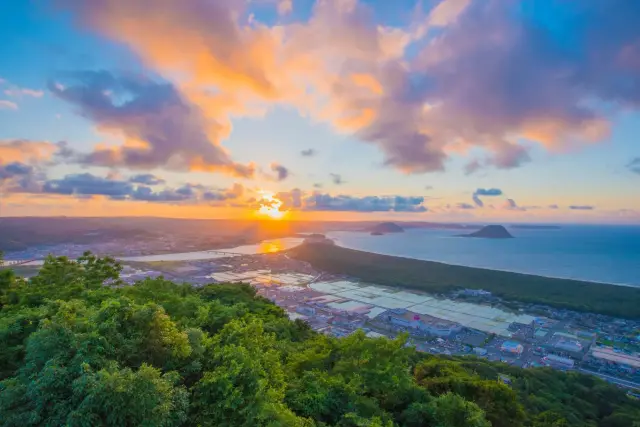
The Southern Area, Rich in Nature and History
Saga’s southern area is made up of seven cities and towns, including Takeo City and Ureshino City.
It is a lush green area with grand mountain scenery and wide-open rural landscapes.
There are also many towns and spots with deep historical roots.
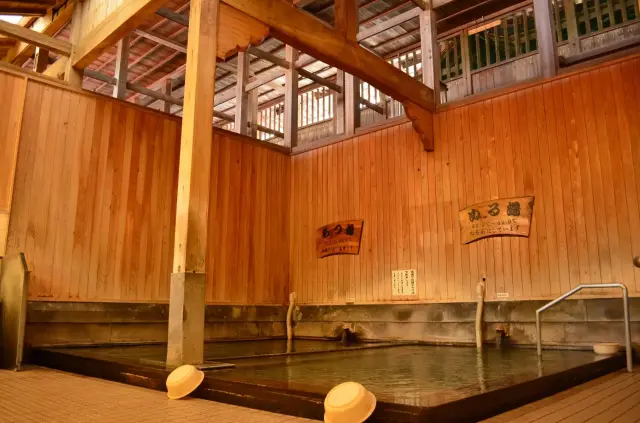
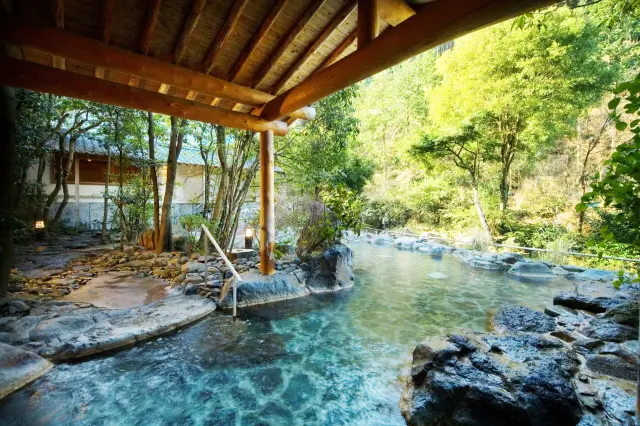
Use either Ureshino Onsen, known as one of Japan’s three great hot springs for beautiful skin, or Takeo Onsen, with a history of more than 1,300 years, as your base for enjoying Saga’s nature and history.

The Western Area, Where Porcelain Was First Made in Japan
The western area consists of Arita Town, famous for Arita ware, and Imari City.
Arita ware, Japan’s oldest porcelain, has been cherished for over 400 years not only as tableware but also as an art craft.
Its defining features are beautiful white porcelain and vivid patterns. Arita ware brightens the dining table and also makes a great souvenir.
The area is also known for local food such as Imari beef and Imari pears, along with varied scenery including the sea, mountains, countryside, and terraced rice fields.
Among them, the scenic terraced rice fields of Take no Tanada, selected as one of Japan’s 100 Best Rice Terraces, are especially worth seeing.


How Many Days You Need to Enjoy Saga
If you only want to visit Saga’s famous sightseeing spots, 1 night and 2 days is enough.
Add the 1-night, 2-day Saga model course introduced below to a trip plan for nearby Fukuoka or Nagasaki, both of which are easy to access from Saga, and enjoy exploring Kyushu.

1-Night, 2-Day Model Course Around Saga’s Popular Attractions
If you want to visit Saga’s popular and famous sightseeing spots, be sure to use the model course below as a reference.
You will be able to enjoy the very best of Saga, including Karatsu’s spectacular scenery, traditional crafts, culture, and historic hot springs.
Day 1: Enjoy the Spectacular Scenery and Culture of Popular Karatsu
On the first day of this model course, you will visit popular scenic spots in Karatsu as well as places where you can experience history and traditional culture.
It is an early start, but the beautiful scenery of Karatsu is sure to wake you right up.
6:50am Start from Saga Station
Day 1 starts from Saga Station.
Transfer between buses from Saga Station Bus Center and head for Yobuko.

9:30am Take in the Powerful Scenery of “Nanatsugama”
Nanatsugama is a scenic spot that is also designated as a National Natural Monument.
The dramatic cliffs, deeply carved by the rough waves of the Genkai Sea, create a powerful sight you should not miss.
As its name suggests, seven caves line the coast, and inside them you can see columnar joints, where the rock surfaces are lined up like pillars in a regular pattern.
Take a sightseeing boat departing from Yobuko Port every hour and experience the astonishing power of nature.

11:00am Enjoy Street Food at the “Yobuko Morning Market”
After enjoying the spectacular views of Nanatsugama, take a taxi for Approx. 10 minutes to the Yobuko Morning Market and have lunch there.
One of Japan’s three major morning markets, Yobuko Morning Market has nearly 50 stalls lined up, where you can enjoy freshly made hot squid shumai, tempura, pressed squid crackers, and more as you walk and eat.
The market ends at 12:00pm, so be sure to buy any food that catches your eye early.

1:40pm Take in a Panoramic View of Karatsu from the Observation Deck of “Karatsu Castle”
After filling up at Yobuko Morning Market, walk to the Showa Bus Yobuko Terminal and take a bus to Karatsu Castle.
From the nearest bus stop, Karatsu Castle Entrance, it is a 20-minute walk to Karatsu Castle.
Karatsu Castle is also known as Maizuru Castle because the pine forest stretching out to the left and right from the castle looked like a crane with its wings spread.
Its greatest attraction is the beauty of its scenery.
From the observation deck on the top floor of the main keep, enjoy a sweeping panorama of the Genkai Sea and the pine forest.


2:30pm Receive Blessings for Good Fortune at “Hoto Shrine”
After enjoying the view from Karatsu Castle, walk to the Hoto Shrine Pier and board the connecting ferry departing at 2:10pm for Takashima Port.
The ferry runs infrequently, so please be careful.
Located a 3-minute walk from Takashima Port, Hoto Shrine is famous as a shrine where lottery tickets win, because some worshippers have won large lottery prizes after visiting.
After praying at the shrine building, also visit the grave of the guardian deity Nozaki Oki no Kami Tsunayoshi beneath the main hall to receive blessings for good fortune.
The grounds also offer unique charms such as the Hito Mamori, believed to bring luck in winning the lottery, so be sure to check them out.

3:30pm Tour the Luxurious Spaces of the “Former Takatori Residence”
After visiting Hoto Shrine, board the connecting ferry departing Takashima Port at 3:00pm and return to Hoto Shrine Pier.
Once you arrive at Hoto Shrine Pier, visit the Former Takatori Residence, about a 10-minute walk away, once home to the “coal mining king of Hizen” (present-day Saga and Nagasaki prefectures).
Built in 1905 as both a private residence and guest house, it stands on a spacious site of Approx. 2,300 tsubo, with two large buildings: a grand hall wing and a residential wing.
Enjoy this lavish space filled with intricate design elements throughout, including cedar sliding door paintings featuring 29 types and 72 panels of wisteria and wild cherry blossoms, as well as transoms decorated with plant relief carvings and cut-out animal motifs.

4:20pm Admire Beautiful Cultural Assets at the “Hikiyama Exhibition Hall”
After touring the Former Takatori Residence, head to the Hikiyama Exhibition Hall, Approx. a 20-minute walk away.
The hall permanently displays 14 hikiyama floats used in Karatsu Kunchi, the festival that represents the Karatsu region.
Hikiyama are festival floats decorated with flowers, figures, and various other ornaments.
These gorgeous, powerful, and beautiful floats are designated as Important Tangible Folk Cultural Properties of the prefecture.
Take your time observing the sculptural beauty created by skilled artisans.

5:20pm Relax and Recharge with the Scenery and Spa at “Karatsu Seaside Hotel”
After visiting the Hikiyama Exhibition Hall, take a taxi for Approx. 10 minutes to Karatsu Seaside Hotel.
Relax and soothe the day’s fatigue with views over Karatsu Bay right in front of you, along with the open-air observation bath, sauna, and the infinity pool known as the Rooftop Thermal Bath.

Day 2: Experience Saga’s Traditional Crafts and History
On the second day, you will visit the area where Arita ware, one of Saga’s most famous traditional crafts, is produced, as well as an area known for its historic shrine and hot springs.
10:40am Start from Oteguchi Bus Stop
Day 2 starts at Oteguchi Bus Stop, Approx. 10 minutes by taxi from Karatsu Seaside Hotel.
Take a bus from Oteguchi Bus Stop and head to Imari Station.

11:40am Enjoy Imari Beef Around Imari Station
Have lunch while waiting for the next train from Imari Station to Arita, your next destination.
There are many restaurants around Imari Station where you can enjoy Imari beef, known for being tender and rich in sweetness and flavor.
Enjoy Imari beef in the style you like best, whether as yakiniku, hamburger steak, or steak.

1:30pm Discover the Appeal of Arita Ware on “Sarayama Street”
Take the train from Imari Station to Arita Station, then stroll around Sarayama Street, located a 30-minute walk from the station.
Sarayama Street is lined with galleries where you can admire Arita ware and shops where you can buy it, making it a great place to fully enjoy its charm.
It is also recommended to buy Arita ware as a souvenir from Saga.
Every year from late April to early May, the Arita Ceramic Fair is held here.
From new spring pieces and high-end works to original creations by young artists, a wide variety of porcelain products gather in one place, so if your timing works out, be sure to enjoy the fair as well.

2:45pm Stroll Through the White Porcelain Space of “Tosan Shrine”
Be sure to also stop by Tosan Shrine, located a little off Sarayama Street.
One of the shrine’s highlights is its beautiful grand torii gate made of porcelain. It is also unusual in having porcelain amulets.
Other structures typically found at shrines, such as lanterns and guardian lion-dog statues, are also made of porcelain.
Take a walk through this white porcelain space, something rare even across Japan.

4:20pm Receive Matchmaking Blessings at “Takeo Shrine”
After visiting Tosan Shrine, walk to JR Kami-Arita Station. From JR Kami-Arita Station, take a train to Takeo-Onsen Station, then walk Approx. 20 minutes to Takeo Shrine.
The main enshrined deity of Takeo Shrine, which has 1,200 years of history, is Takenouchi no Sukune.
Known as Japan’s longest-living deity, he is said to bring blessings for victory, good fortune, and protection from misfortune.
You should also take note of the Meoto Hinoki, a pair of cypress trees joined at the base, believed to embody the divine power of Emperor Chuai and Empress Jingu, the shrine’s enshrined deities.
Many people visit to pray not only for romantic relationships, but also for connections with people, work, and money.

5:20pm Soothe Your Travel Fatigue at “Takeo Onsen”
After visiting Takeo Shrine, head on foot to Takeo Onsen, located Approx. 20 minutes away.
Takeo Onsen is a historic hot spring area with a history of 1,300 years, and its name is even recorded in the Hizen no Kuni Fudoki, a text compiled in the Nara period (710–794) that summarizes the climate, customs, and legends of what is now Saga and Nagasaki prefectures.
It is a historic hot spring said to have been used by notable figures such as Miyamoto Musashi, the famous swordsman of the Edo period (1603–1868).
Soak in its gentle waters and slowly ease away the fatigue of your journey.

3 Local Dishes You Shouldn’t Miss in Saga
From here, we introduce three carefully selected local dishes from Saga.
Saga is full of appealing food, including fresh seafood, dishes made with Saga-branded meat, and even Saga’s own style of champon.
When you visit Saga, be sure to try the dishes introduced here.
1. Yobuko Squid Sashimi
Yobuko in Saga Prefecture is famous as a fishing ground where delicious squid are caught.
Squid caught in Yobuko, known as “Yobuko squid,” is called the king of squid and is highly popular for its remarkable transparency, texture, and sweetness. Its firm and delicious bite is something you will not find in other ingredients.
Rather than preparing it too much, it is best enjoyed simply as sashimi.

2. Sicilian Rice
Sicilian Rice is a dish of rice topped with salad, stir-fried meat and onions, finished with mayonnaise.
There are several theories about its origin, but it is said that “Sicilian Rice” began as a staff meal that was popular with employees, then was arranged to look more attractive and served to customers.
It is a simple dish, but the impression changes completely depending on the ingredients and seasoning, so it is fun to compare it at different restaurants.
Some versions even use Saga-branded meat for a more luxurious take on Sicilian Rice.

3. Champon
When people hear “champon,” they may strongly associate it with Nagasaki, but Saga also has its own local version of champon.
Saga’s champon has evolved in its own way and is characterized by lots of vegetables and strong seasoning.
Be sure to compare Saga’s champon, with its generous ingredients such as vegetables, thick chewy noodles, and pork-bone broth, with Nagasaki champon.

Best Cherry Blossom Spots to Visit on a Spring Trip to Saga
If you are traveling to Saga in spring, be sure to add cherry blossom spots to your itinerary.
Mifuneyama Rakuen features Approx. 2,000 cherry trees in a Japanese garden spread across a vast site of Approx. 150,000 tsubo, about the size of 10 Tokyo Domes.
Among the most popular cherry blossom spots are Kagamiyama, where the mountain trail turns into a tunnel of cherry blossoms, and Asahigaoka Park, where cherry blossoms color stone walls and former samurai residences, creating a distinctly Japanese atmosphere.
If you are planning your trip based on the model course, Mifuneyama Rakuen near Takeo Onsen and Kagamiyama in Karatsu will be especially easy to add.
In most years, the best time to see the cherry blossoms is from late March to early April.
However, please note that the timing may vary depending on the weather and temperature.


Best Autumn Foliage Spots in Saga to Add to Your Fall Trip
If you are visiting in fall, add Saga’s famous autumn foliage spots to your itinerary.
At Kounoan, the contrast between the deep green moss of its nationally designated scenic garden and the crimson autumn leaves is especially beautiful.
You can also enjoy stunning fall scenery at places such as Daikozenji Temple, colored by 500 maple trees, and Seikei Park, where beautiful autumn leaves harmonize with man-made beauty.
Many spots are at their best from mid-November to late November in most years, but the timing can vary depending on the year’s climate, temperatures, and the specific location, so please keep that in mind.


Make Time for Fukuoka Too, Home to Great Food and Attractions
If you are thinking about a trip to Saga, be sure to make time for Fukuoka as well.
From Saga Station, you can reach Fukuoka (Hakata Station) in Approx. 40 minutes by taking the JR Nagasaki Main Line limited express Relay Kamome No. 66 bound for Mojiko.
Fukuoka Prefecture is known not only for food such as Hakata ramen, but also for its many sightseeing spots with a wide variety of attractions.
For more on Fukuoka’s appeal, sightseeing spots, and popular local food, please check the article below.

Consider Visiting Sasebo in Nagasaki, Known for Theme Parks and Natural Scenery
If you are traveling to Saga, Nagasaki is another destination you should definitely consider adding to your plans.
Sasebo is just 1 hour from Saga Station by limited express, making it easy to visit.
Within Nagasaki Prefecture, Sasebo City is an area packed with popular sightseeing spots.
Sasebo’s appeal lies in how fully you can experience nature, with places such as Huis Ten Bosch, where you can enjoy beautiful flowers, an aquarium, and facilities offering sightseeing cruises and marine leisure activities.
For popular sightseeing spots in Nagasaki, including Sasebo, please also refer to the article below.

FAQ about Traveling to Saga
Q
What season is recommended for traveling to Saga?
A
Fall is especially recommended, thanks to the mild weather and the Karatsu Kunchi festival.
Q
What sightseeing spot in Saga is recommended for a family trip with children?
A
Yoshinogari Historical Park offers hands-on programs, making it a fun way to experience history.
Summary
In this article, we have comprehensively introduced the information you need for a trip to Saga, including its appeal and highlights, main transportation options, sample sightseeing courses, and local food.
If you do not know much about Saga or are visiting for the first time, we hope you will use the sightseeing spots and model course introduced here as the basis for planning your trip.
If you would like to learn more about Saga’s sightseeing spots, the article below is also recommended.