
![[Complete Guide to Kyoto Station] What to Read Before Your First Trip to Kyoto](https://static.gltjp.com/glt/data/article/21000/20827/20241029_104210_0ca12b22_w1920.webp)
[Complete Guide to Kyoto Station] What to Read Before Your First Trip to Kyoto
Kyoto Station is a place you will likely visit when traveling to Kyoto or heading from Kyoto to other parts of Japan.
Inside and around the station, you will find many shops selling items unique to Kyoto, along with plenty of attractive spots to explore.
However, Kyoto Station is large and complex, and if you do not understand the layout or know where your destination shop is in advance, you may end up wasting time just trying to find your way.
In this article, we will introduce the highlights of Kyoto Station and recommended commercial facilities so that even first-time visitors can enjoy it.
We also cover restaurants, accommodations, and popular nearby attractions.
If you make good use of Kyoto Station, sightseeing in Kyoto and the wider Kansai region will be more comfortable and enjoyable.
Before your first trip to Kyoto, be sure to read this article and put it to good use.
What is Kyoto Station Like?
Kyoto Station is the gateway to Kyoto.
In addition to the Shinkansen and conventional rail lines, many routes serve the station, including limited express trains such as the Thunderbird connecting the Hokuriku area and the Kuroshio running toward Wakayama, making access from many regions excellent.
There are also limousine buses connecting the station with Kansai International Airport and Itami Airport, making it one of the easiest stations for international visitors to use.
After first opening in 1877, Kyoto Station went through rebuilding and renovations, and the current fourth-generation station building was completed in 1997.
The modern station interior, designed by architect Hiroshi Hara, blends into the cityscape, and one of its defining features is the panoramic view of the city from the rooftop.
Inside the station, there are also plenty of highlights such as the Grand Staircase and the Skyway.
Around the station, hotels, shopping malls, restaurants, and other facilities form a major commercial area packed with places to enjoy.

3 Things You Should Know Before Visiting Kyoto Station
Kyoto Station is always busy with all kinds of people, regardless of their purpose or nationality, and it can be confusing if you are not used to it.
First-time international visitors in particular are likely to face stressful situations, such as losing track of where they are or taking longer than expected to reach their destination.
To help you avoid that as much as possible, here are three points you should know in advance.
Please use them as a reference to make your trip more comfortable.
Rail Lines and Buses Serving Kyoto Station
Kyoto Station is a major transportation hub and highly convenient for both sightseeing and business.
There are 8 rail and Shinkansen lines and many bus services, so be careful not to board the wrong one and pay attention to where the ticket gates are.
The rail lines and buses serving the station are summarized below.
Rail Lines Serving Kyoto Station
- JR Lines (conventional lines)
- Sagano Line, Nara Line, Kosei Line, Tokaido Main Line, Kansai Main Line
- Shinkansen
- Tokaido Shinkansen
- Private Railway
- Kintetsu Kyoto Line
- Subway
- Karasuma Line
Buses Serving Kyoto Station Bus Terminal
- Kyoto City Bus
- Keihan Kyoto Kotsu
- Kyoto Bus
- Keihan Bus
*In addition to the above, many highway buses, sightseeing buses, and airport limousine buses also serve the station.
Main Exits of Kyoto Station
As mentioned above, multiple rail lines serve Kyoto Station, and the station itself is complex, so many tourists end up getting lost.
For that reason, it is a good idea to check in advance which exit is closest to your destination and what route you should take after getting off the train.
Regardless of where you are going, it is especially worth remembering the two main exits: the Central Exit (Karasuma Exit) and the Hachijo Exit.
A simple overview is summarized in the table below.
| - | Main spots outside the exit | Main situations for use |
|---|---|---|
| Central Exit (north side) | Kyoto Tower/Kyoto Station Building/Hotel Granvia Kyoto | When going to the spots listed at left, when staying at a hotel near the Central Exit, or when taking city buses to major sightseeing spots such as Kinkaku-ji Temple and Arashiyama |
| Hachijo Exit (south side) | Kyoto Avanti/ASTY Kyoto/Kintetsu Meitengai Miyakomichi | When going to the spots listed at left, when staying at a hotel near the Hachijo Exit, or when taking a highway bus to Itami Airport or Kansai International Airport |
*Please note that the Central Exit and the Shinkansen Central Exit are different.
Kyoto Tourist Information Center "Kyoto Navi"
If you get lost at Kyoto Station or need help with anything during your Kyoto trip, head to the Kyoto Tourist Information Center, "Kyoto Navi."
Located on the second floor of the North-South Free Passage, Kyoto Navi provides a wide range of tourist information, including sightseeing guidance, accommodation information, and ticket sales for public transportation passes and events.
In 2012, it received the highest rank, Category 3, under the foreign tourist information center certification system by the Japan National Tourism Organization (JNTO).
Staff who can assist in English, Chinese, and Korean are always available and carefully respond to a wide range of visitor needs, so feel free to ask for help.

3 Must-See Spots Inside Kyoto Station Before You Depart
When you visit Kyoto, make time to enjoy the highlights inside Kyoto Station and the nearby shopping facilities before heading out to the famous sights.
Kyoto Station is more than just a terminal. It is also packed with things to enjoy as a sightseeing spot in its own right.
Here, we will introduce three attractive free spots, so be sure to stop by.
1. The "Grand Staircase" Lit Up with Illuminations
This dynamic structure of 171 steps is the symbol of the Kyoto Station Building.
It stretches all the way from the center toward the west to the Sky Terrace, with a total length of 70 m and a height difference of Approx. 30 m.
Its biggest attraction is the Graphical Illumination Plus display, which changes constantly over time (from evening to 10pm).
About 15,000 LEDs are embedded in the first 125 steps of the staircase, bringing color to the city with seasonal designs such as fireworks and Halloween themes.
-

The Grand Staircase connecting the center of the station to the Sky Terrace
-

Illumination on the Grand Staircase
2. The "Skyway" with Panoramic Views of the North Side of the Station
This glass-walled passage on the 10th floor of the Kyoto Station Building is about 185 m long and about 45 m high, connecting the west and east sides.
As its nickname "Skyway" suggests, it offers a thrilling experience that feels like walking in the sky.
It also has excellent views, allowing you to take in sweeping scenery including Kyoto Tower and the cityscape.
At night, an illumination event called STAR BRIDGE begins, creating a futuristic tunnel of light.
It is also perfect for a date, so it is especially recommended for couples.

3. The "Sky Terrace" Where You Can Enjoy Kyoto's Scenery and Atmosphere
A free observation spot located on the rooftop of the Kyoto Station Building.
Both areas are remarkably open for a station facility and offer sweeping views of Kyoto's cityscape.
The Sky Terrace is a spacious rooftop observation deck and a hidden gem where you can look out over sightseeing landmarks such as Kyoto Tower and Nijo Castle.
The sunset and night views are especially beautiful, and it is also popular as a place for commemorative photos.
At the adjacent rest area, Happii Terrace, you can sit on a bench and relax.
The sight of bamboo swaying in the wind gives the area a distinctly Kyoto-like atmosphere.
The magical nighttime view lit up after dark is also not to be missed.

Find Items Unique to Kyoto! 5 Popular Shopping Spots Around Kyoto Station
Here are five popular shopping facilities around Kyoto Station.
Each has its own charm and distinctive features, offering many ways to enjoy shopping, dining, and more.
Many shops represent Kyoto especially well, making these spots perfect for trying Kyoto food and picking out souvenirs.
Use them in all kinds of situations, such as before starting your Kyoto trip, during free time, or before heading home.
1. Kyoto Station Building
A large station building directly connected to Kyoto Station, housing shops, restaurants, a hotel, and cultural facilities.
On Basement Level 2 through the 1st floor, the Kyoto Station Building Specialty Shopping Zone The CUBE features shops selling Kyoto-style souvenirs, sweets, trendy fashion, and lifestyle goods.
On the west side of the station building is JR Kyoto Isetan, home to popular fashion and cosmetics brands and always bustling with tourists and locals enjoying shopping.

2. Kyoto Porta
In 2023, Kyoto Ekimae Chikagai Porta, which opened Approx. 40 years ago as Kyoto's first underground shopping mall, and the Kyoto Station Building Specialty Shopping Zone The CUBE were integrated.
It was reborn as a large-scale shopping mall fitting for the gateway to the international tourist city of Kyoto.
With more than 220 stores, it offers a wide variety of categories, from gourmet food and clothing to cosmetics, lifestyle goods, and souvenirs.

3. JR Kyoto Isetan
A large department store located on the west side of the Kyoto Station Building and directly connected to Kyoto Station.
From Basement Level 2 to the 11th floor, it brings together shops offering a wide range of items, from fashion and cosmetics to gourmet foods and crafts.
There are especially many shops carrying Kyoto specialties, Japanese sweets, and Japanese lifestyle goods, making it a great place to look for Kyoto-style souvenirs.
On the 11th-floor restaurant level, you will find 15 restaurants, mainly serving Japanese cuisine such as sukiyaki, tempura, and sushi.

4. ASTY Kyoto
A multi-purpose commercial facility facing the north-south free passage at Kyoto Station.
It is located between the Shinkansen Central Gate and the Kintetsu Kyoto Station ticket gate, and is broadly divided into three areas.
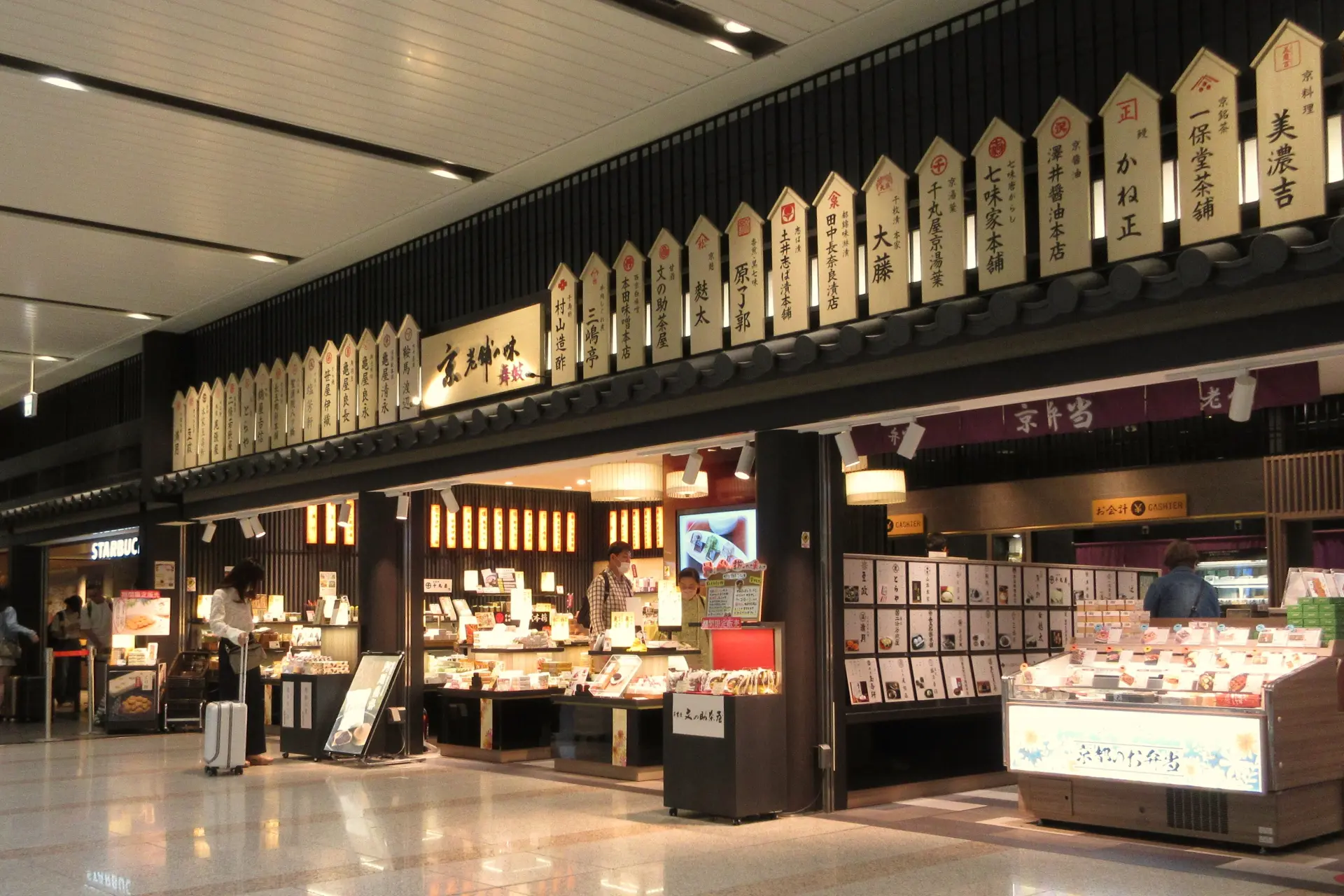
On the 1st floor, there is ASTY Road, lined with shops ideal for souvenir shopping, as well as an area called Kyoto Omotenashi Koji, where nearly 30 restaurants and lifestyle goods stores representing Kyoto are gathered.
On the 2nd floor, ASTY Square and the area inside the Shinkansen ticket gates house souvenir shops and ekiben stores, with a wide selection of Kyoto specialties and famous boxed meals.
It is one of the best places for souvenir shopping, taking a break, or having a meal.
5. Kintetsu Meitengai Miyakomichi
A narrow shopping area about 200 m long, located within a few minutes on foot from the Hachijo Exit of Kyoto Station.
It opened in 1964 and underwent partial renovations in 2018, giving the whole area a clean and calm atmosphere.
Along this arcade, themed around "Modern Ancient Capital Style," Approx. 40 shops offer Kyoto-style souvenirs, Japanese food, and lifestyle goods, letting you enjoy dining and shopping at a relaxed pace.
You can also feel the atmosphere of Kyoto here, so even a casual stroll during spare time is sure to be enjoyable.

5 Popular Restaurants at Kyoto Station Known for Great Taste, Service, and Convenience
There are many restaurants in and around Kyoto Station. Here are five especially popular ones.
All of them are long-established establishments with a long history, highly rated not only for their food but also for their service and presentation.
If you get hungry around the station, be sure to stop by for lunch or dinner.
1. Kyoto Wakuden
Wakuden is a traditional Japanese restaurant specializing in Kyoto cuisine.
Its dishes are known for the theme of "rustic charm and delicacy," and you can enjoy beautifully presented cuisine made with seasonal ingredients.
Kyoto Wakuden is located in Eat Paradise on the 11th floor of JR Kyoto Isetan, directly connected to Kyoto Station.
It offers course meals only, with different numbers of dishes, many of which combine Kyoto tradition with a modern sensibility.
If you want the full experience, ordering the omakase course is a good choice.
At the counter seats, where the chefs prepare the dishes right in front of you, you can also enjoy the special experience of watching the cooking process up close.

2. Hashitate
A restaurant operated by Wakuden, the Kyoto cuisine establishment that represents Kyoto.
It is located in the annex of JR Kyoto Isetan, in Eat Paradise in front of the JR West Exit ticket gate of the restaurant floor.
The name Hashitate comes from Amanohashidate, the famous sightseeing spot in Tango where the business was founded.
Centered on rice bowls and noodles, it is popular with a wide range of age groups for offering the refined taste of a traditional restaurant, with seasonal ingredients and flavorful dashi, in a casual style.

3. Moritaya JR Kyoto Isetan Branch
A restaurant run by Seigyusha Moritaya, which opened in 1869 as Kyoto's first specialty beef shop.
It is located in Eat Paradise on the 11th floor of JR Kyoto Isetan, directly connected to Kyoto Station.
You can enjoy premium wagyu dishes such as sukiyaki, shabu-shabu, and beef stew.
Each dish is an exceptional item, with tender fat and a melt-in-your-mouth texture.
You can also sense the restaurant's commitment to ingredients in details such as Kyoto-grown rice and fresh vegetables.
It is certainly not inexpensive, but you can enjoy a luxurious experience worth the price.
It is also nice that the restaurant has semi-private tatami rooms for more private use.
In addition to the food, another attraction is the excellent location overlooking the Kyoto mountains and Kyoto Tower.
Especially during the Gozan Okuribi fires in August, a beautiful view unique to Kyoto spreads out before you.

4. Kamado Takitate Gohan Doi Kyoto Station Hachijo Exit Branch
A Japanese restaurant operated by Doi Shibazuke Honpo, a long-established Kyoto pickle maker.
It is located in ASTY Road in the east area on the 1st floor of ASTY Kyoto, directly connected to Kyoto Station.
One of its main attractions is being able to enjoy a variety of side dishes, including its signature shibazuke pickles, obanzai, and seasonal vegetable pickles, together with rice cooked in a traditional kamado stove.
If you order set meals such as the Saikyo-Marinated Salmon Set or the Saikyo-Marinated Spanish Mackerel Set, you can enjoy free refills of rice, miso soup, and pickles.
Its breakfast buffet is especially popular, so if you plan to visit, morning is recommended (9am–10:30am).
At a reasonable 1,320 yen, you can enjoy a wide variety of side dishes and have a wholesome meal.

5. Hararyokaku Kyoto Station Hachijo Exit Branch
Hararyokaku is a long-established business founded in Gion in 1685.
It is known for traditional Kyoto spices and condiments, and its signature Kuroshichimi is especially loved by many people.
The Hachijo Exit branch is located in ASTY Road in the east area on the 1st floor of ASTY Kyoto, directly connected to Kyoto Station.
With its calm Japanese-style atmosphere, the restaurant serves noodles and rice dishes, making it a perfect place when you want a filling meal.
Among the many menu items, the tantanmen made with sesame noodles and the original soy sauce ramen called Gion Black, flavored with Kyoto-style broth, are especially recommended.
Each table is stocked with Kuroshichimi and other distinctive spices, so another appealing point is being able to customize the flavor and heat to your liking. On your way out, be sure to buy some Kuroshichimi as a souvenir.

Staying in Kyoto for the First Time? 3 Recommended Hotels Around Kyoto Station
If this is your first time sightseeing in Kyoto, staying around Kyoto Station is a great choice.
You can check in soon after getting off the train, and access to the airport and major sightseeing areas is excellent, making it highly convenient in many ways.
As mentioned above, there are also many shopping malls and restaurants around the station, so you can make good use of your spare time.
We are about to introduce three recommended hotels, so choose one that suits your trip.
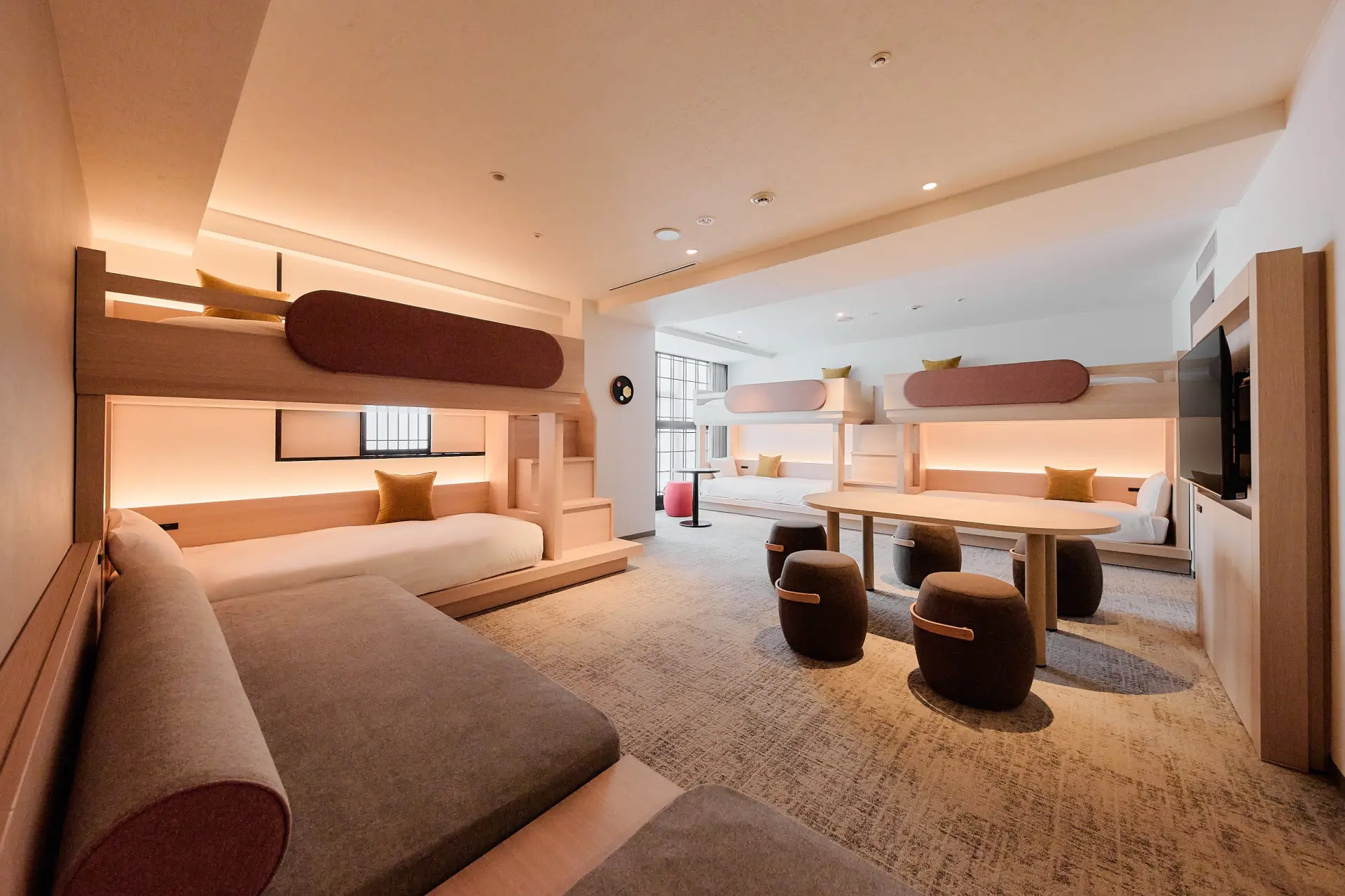
1. Kyoto Tower Hotel
A hotel located inside the Kyoto Tower Building, directly beneath Kyoto Tower, which stands right in front of JR Kyoto Station and welcomes visitors at the gateway to Kyoto.
Not only is it directly connected to Kyoto Station through the underground shopping area, but the bus terminal is also just a short walk away. Higashi Hongan-ji Temple and Nishi Hongan-ji Temple are also within walking distance, making it a great base for sightseeing in Kyoto.
2. Kyoto Century Hotel
Kyoto Century Hotel boasts an excellent location, just a 2-minute walk from JR and subway Kyoto Station. While it is ideally located for both sightseeing and business, once you step inside, a modern classical space awaits, making you forget the bustle of the city.
More than 90 years have passed since its founding in 1928. While carrying on the spirit of omotenashi cultivated over many years, the hotel welcomes guests with services that meet the needs of the times.

3. Hotel Granvia Kyoto
Hotel Granvia Kyoto is a deluxe hotel directly connected to JR Kyoto Station.
In addition to its ideal location as a sightseeing base, it is also highly regarded for its quality service and has received many awards over the years.
One of the hotel's defining features is its warm hospitality, tailored to guests visiting for a variety of reasons so that each one can have a satisfying stay.
For example, a concierge team of more than 10 staff members works together to make suggestions based on your needs.
Whether you are unfamiliar with the area or want recommendations for specific types of places, they can respond to many kinds of requests, which is reassuring during your stay.
There are also many other attractions within the hotel, including restaurants where you can enjoy Kyoto's food culture and an art gallery displaying nearly 1,000 works.

5 Tourist Spots Around Kyoto Station to Add to Your Itinerary
Kyoto is home to some of Japan's most iconic landmarks, including Kinkaku-ji Temple and Kiyomizu-dera Temple.
Because Kyoto Station is often used as a travel base, it is easy to overlook, but there are actually many attractive sightseeing spots in the surrounding area as well.
Here, we will introduce five especially famous places, so be sure to visit them.
1. Kyoto Tower
It rises right in front of you as soon as you exit the ticket gates at Kyoto Station.
Built with the image of a lighthouse illuminating the city of Kyoto, it stands 131 m tall and is the tallest building in central Kyoto. Since opening in 1964, it has welcomed more than 32 million visitors.
From the observation deck 100 m above ground, you can enjoy a full panoramic view of Kyoto's cityscape. On clear days, you can even see Osaka through the free telescopes installed there.

2. Higashi Hongan-ji Temple
Higashi Hongan-ji Temple is located in Karasuma Rokujō, not far from Kyoto Station. Its formal name is Shinshu Honbyo, and it is the head temple of the Otani sect of Jodo Shinshu, built in 1602 on land donated by Tokugawa Ieyasu to Shonin Kyonyo.
It has many valuable buildings, including the Goei-do Gate, said to be the tallest double wooden temple gate in Japan, and six structures including the Goei-do Hall are designated as Important Cultural Properties of Japan.

3. Kyoto Aquarium
A large inland aquarium that opened in March 2012 inside Umekoji Park near Kyoto Station.
Inside its 10 zones, it keeps and exhibits Approx. 15,000 living creatures of about 250 species, including the Japanese giant salamander, a Special Natural Monument of Japan that lives in the Kamo River, as well as Cape penguins, spotted seals, fish, and jellyfish.
The Penguin Relationship Chart, which shows the relationships among 59 penguins, has become a popular topic because their complex relationships seem almost human.

4. Kyoto National Museum
Opened in 1897 as the Imperial Kyoto Museum.
It houses Approx. 14,600 items in its collection, centered on artworks and cultural properties deeply connected to Kyoto, as well as Japanese and Asian antiquities and archaeological materials.
From these, it presents exhibitions and special exhibitions featuring archaeological artifacts, ceramics, sculptures such as Buddhist statues, paintings from the Heian period to the early modern era, calligraphy, textiles, lacquerware, metalwork, and other art crafts that reflect Kyoto's rich history.

5. To-ji Temple
A temple built together with Sai-ji Temple two years after the capital was moved to Heian-kyo in 794.
Sai-ji fell into ruin at the end of the Heian period, but the buildings of To-ji, though destroyed by fire many times, were repeatedly rebuilt. The Kondo Hall rebuilt by Toyotomi Hideyori and the five-story pagoda rebuilt by Tokugawa Iemitsu still remain, and both are designated National Treasures.

FAQ about Kyoto Station
Q
Where is recommended for shopping at Kyoto Station?
A
Large shopping facilities such as Kyoto Porta and JR Kyoto Isetan are recommended.
Q
Can I have lunch inside Kyoto Station?
A
Yes, you can. Inside the station, you will find many different genres, including Kyoto cuisine, Japanese food, Western food, and Chinese food, so you should be able to find a place you like.
Summary
We have introduced the charms of Kyoto Station, focusing on recommended spots inside and around the station.
As the gateway to Kyoto and the Kansai region, Kyoto Station is also an entertainment spot in its own right.
From rooftop observation areas with sweeping city views to large shopping facilities filled with Kyoto-style souvenirs, restaurants, and shops, it offers plenty to see and do.
It is a place that both adults and children can enjoy, so be sure to include sightseeing at Kyoto Station in your plans.
Also check out this article, which introduces Kyoto's classic landmarks and local gourmet food that are especially recommended for first-time visitors.