

A Journey to Inspire Your Senses: 13 Tokyo Neighborhoods You Should Visit
Tokyo, Japan’s capital, is home to a wide variety of neighborhoods, each with its own distinct character.
Among them, Harajuku and Shibuya are world-famous and popular as trendsetting hubs.
At the same time, some travelers may be more interested in destinations known for subculture and retro streetscapes rather than the famous places everyone knows.
This article introduces Tokyo neighborhoods where you can experience a range of cultures, including art, music, and literature.
1. Shimokitazawa: Where Many Genres of Culture Intersect
Located in Setagaya City, Tokyo, Shimokitazawa is an easily accessible area where the Odakyu Line and Keio Inokashira Line intersect, about 7 minutes by train from Shibuya Station.
Affectionately known as “Shimokita,” it is a hub of subculture with enduring popularity among young people and emerging creators.
The neighborhood has a free-spirited and distinctive atmosphere that fosters its own unique culture. Its narrow alleys are lined with vintage clothing stores, record shops, and art galleries.
Another part of Shimokitazawa’s appeal is the collection of deep, one-of-a-kind spots where you can find vintage items and unique pieces.
It is also famous as a theater district thanks to its many small playhouses, making it a great place to experience the performing arts.
It is especially perfect for fans of fashion, music, and art, and recommended for those who want to enjoy the neighborhood with their own sense of style.

2. Koenji: A Neighborhood with a Local Feel and Distinctive Culture
Located in Suginami City, Tokyo, Koenji is an area with convenient access via the JR Chuo Line, JR Sobu Line, and Tokyo Metro Marunouchi Line.
It has a unique character where retro and modern blend together, and is known for its distinctive, deeply rooted culture.
Often called one of Tokyo’s leading subculture towns, its streets are lined with quirky vintage clothing stores, variety shops, and cafés, along with many live music venues and small theaters.
Galleries and street art blend into the everyday scenery, drawing people from all kinds of backgrounds.
At the same time, its 17 shopping streets, large and small, still retain a Showa-era atmosphere, where you can enjoy warm, old-fashioned shopping experiences.
Local community events are also held frequently, including the Awa Odori dance festival and Koenji Festival, so there is always something to keep visitors engaged.
Koenji does not feel like a typical tourist spot in a good way, and is recommended for those who want to experience a truly local atmosphere.

3. Kichijoji: A Calm Neighborhood with Deep, Hidden Spots
Located in Musashino, Tokyo, Kichijoji is a highly accessible area served by three rail lines, the JR Chuo Line, JR Sobu Line, and Keio Inokashira Line, and is Approx. 15 minutes by train from Shinjuku Station.
It is a popular neighborhood that consistently ranks near the top of lists of the most desirable places to live, with an appealing atmosphere where city life and nature are in harmony.
The whole neighborhood and the people passing through it have a calm air, where you can feel both good old charm and new culture.
Large commercial complexes and cultural facilities stand around the station, while lush parks spread out a little farther away.
At the same time, one of its attractions is that it also has alleyways lined with izakayas glowing with red lanterns, as well as areas full of unique shops and gourmet spots.
Because the neighborhood is calm overall, it is recommended for those who want to take their time exploring a variety of spots.

4. Kanda: A Good Old Town Filled with Retro Spots
Located in Chiyoda City, Tokyo, Kanda is an area almost exactly halfway between Tokyo Station and Akihabara Station.
It has a long history of flourishing as a center of learning and culture since the Edo period (1603–1868).
Today, it has a strong image as a business district, but it still retains its old-fashioned charm, giving visitors a sense of both nostalgia and freshness at the same time.
From the area around Kanda Station lined with restaurants to Kanda Ogawamachi, where sporting goods stores gather, there are many diverse districts along its walking routes, offering a wide range of ways to enjoy the area.
In addition to long-established restaurants and historic shrines and temples, there are also modern cafés and art galleries, where you can enjoy its distinctive atmosphere.
It is especially recommended for people who love traditional Japanese culture and history, as well as those who want to experience modern Tokyo.

5. Jimbocho: Books, Curry, and Classic Cafés Full of Nostalgia
Located in Chiyoda City, Tokyo, Jimbocho is an area centered around Jimbocho Station on the Toei Shinjuku Line, Toei Mita Line, and Tokyo Metro Hanzomon Line.
It is also close to the Kanda area mentioned above, and the area is often called the Kanda, Jimbocho area, so it is a good idea to explore them together when you visit.
If you were to describe Jimbocho in one phrase, it would be “a town of books.” Kanda Jimbocho Secondhand Bookstore District is lined with more than 130 used bookstores and is said to be the largest of its kind in the world.
Each one is more than just a bookstore, specializing in fields such as literature, history, and foreign-language books, with impressively extensive selections.
Of course, there are also plenty of new-book stores, and the area is especially strong in subculture fields such as railways and manga.
Events are also held regularly, including the autumn favorites Kanda Used Book Festival and Jimbocho Book Festival, and the area is lively every day with many events large and small.
It is also home to many classic cafés and famous curry restaurants, where you can enjoy both books and food in calm spaces perfect for reading.
This is a neighborhood well worth visiting for book lovers, bookstore hoppers, and fans of classic cafés and curry.

6. Nakameguro: A Neighborhood Dotted with Sophisticated Hideaways
Located in Meguro City, Tokyo, Nakameguro is an area centered around Nakameguro Station on the Tokyu Toyoko Line and Tokyo Metro Hibiya Line.
Close to Shibuya, Daikanyama, and Ebisu, it is known for its urban yet approachable atmosphere.
The neighborhood as a whole combines refined maturity with casual charm, and the seasonal natural beauty along the Meguro River is also a highlight.
Spring is especially popular, when Approx. 800 cherry trees come into bloom and many people enjoy the illuminated rows of blossoms.
While commercial facilities and restaurants line the area in front of the station, a short walk will take you to hidden bars and stylish boutiques, and discovering something new each time you visit is one reason for its popularity.
At night, the drinking districts come alive and reveal another side of the neighborhood as a social spot for adults.
It is recommended for trend-conscious young people and anyone who wants to experience a source of culture and trends.

7. Aoyama: Where Art, Architecture, and Fashion Inspire the Senses
Spanning Minato City and Shibuya City in Tokyo, Aoyama is a stylish area with a luxurious feel.
Aoyama is the collective name for Kita-Aoyama and Minami-Aoyama, and mainly refers to the area around Omotesando Station and Gaienmae Station.
Adjacent to Shibuya, Harajuku, and Roppongi, it is highly popular as an elegant neighborhood for adults.
In particular, the Approx. 900 m zelkova-lined avenue is dotted with flagship stores of famous brands, antique shops, and cutting-edge galleries.
There are also many buildings designed by world-renowned architects, so for people with an eye for design, the sights are endless even just walking around.
Along with art spots such as museums, the backstreets are home to restaurants run by top chefs and popular sweets shops, where you can also enjoy a quiet moment.
It is recommended for highly stylish people well versed in fashion and art, and for anyone who wants to spend quality time.

8. Kiyosumi-Shirakawa: Where Downtown Charm and Café Culture Live On
Located in Koto City, Tokyo, Kiyosumi-Shirakawa is an area centered around Kiyosumi-Shirakawa Station on the Tokyo Metro Hanzomon Line and Toei Oedo Line.
It flourished as a riverside warehouse district from the Edo period, and with factories and timberyards later built there as well, it still has an old-fashioned atmosphere.
Matching its streetscape that retains downtown charm, many of its restaurants, variety shops, galleries, and other stores have distinctive retro storefronts.
At the same time, redevelopment has progressed in recent years, and the area has also been attracting attention as a hidden spot with a modern sensibility.
It is especially known as one of Tokyo’s top café battlegrounds, with a wide range of shops competing here, from modern coffee shops led by Blue Bottle Coffee’s first store in Japan to classical roasteries.
It is recommended for those who want to enjoy coffee and spend time at a leisurely pace in a quiet, green setting.

9. Kagurazaka: Where You Can Discover Old Tokyo and Great Food
Located in Shinjuku City, Tokyo, Kagurazaka is an area that spreads out around Waseda-dori Avenue.
It flourished as a hanamachi, a district of geisha houses and pleasure quarters, from the Edo period to the Taisho period (1912–1926), and even now its atmospheric streets are marked by stone-paved alleys and traditional ryotei restaurants.
Step into the backstreets and you can strongly feel the atmosphere of those days, almost as if you had traveled back in time.
Incidentally, Waseda-dori is home to a rare reversible one-way traffic system, where the direction changes depending on the time of day, so it is interesting to look at the road at different times.
While it has a distinctly Japanese atmosphere, it is also called “Tokyo’s Little Paris,” and is lined with authentic French restaurants and specialty wine shops.
The comfort created by the coexistence of old and new, Japanese and Western, is a defining feature of Kagurazaka.
It is recommended for those who want to enjoy an adult stroll while experiencing history and culture.

10. Nippori: A Neighborhood with Somehow Nostalgic Streetscapes
Located in Arakawa City, Tokyo, Nippori is a major transportation hub served by six rail lines: the JR Yamanote Line, Keihin-Tohoku Line, Joban Line, Keisei Main Line, Nippori-Toneri Liner, and Skyliner.
It offers direct access from Narita Airport and is also convenient for reaching Haneda Airport and the Ueno area, making it a convenient area for travelers from Japan and abroad.
The streets retain a strong sense of nostalgic downtown charm, wrapped in an atmosphere that somehow feels familiar.
It is also the gateway to the Yanesen area, which includes Yanaka, Nezu, and Sendagi, and is known for its varied scenery that keeps you engaged even after a full day of walking.
One especially famous spot is Yanaka Ginza Shopping Street, where shops preserving a Showa-era atmosphere line the street and make it a great place for snacking and shopping.
Narrow alleys that stir a sense of adventure spread out all around, and one of the joys here is the once-in-a-lifetime encounters waiting down unfamiliar paths.
It is also known as a fabric district with a wide selection of textiles and handicraft supplies, making it recommended for people who enjoy crafts and making things by hand.

11. Sangenjaya: Where Retro and Trends Meet
Located in Setagaya City, Tokyo, and at the intersection of the Tokyu Den-en-toshi Line and Setagaya Line, Sangenjaya is an area with an upscale feel.
Popularly nicknamed “Sancha,” it is known for its balance of urban convenience and abundant greenery, just Approx. 5 minutes by train from Shibuya.
Because many celebrities and well-known figures live in the area, it also has a strong image as a fashionable neighborhood.
The area around the station is lined with noteworthy cafés and restaurants often featured in the media, where you can experience the latest trends.
At the same time, it also has a local downtown side, with friendly drinking districts, shopping streets, and public bathhouses.
One of Sangenjaya’s distinctive charms is how its atmosphere changes from area to area, allowing you to enjoy many different faces, both old and new. It is recommended for those who want a city walk that feels different from the usual.
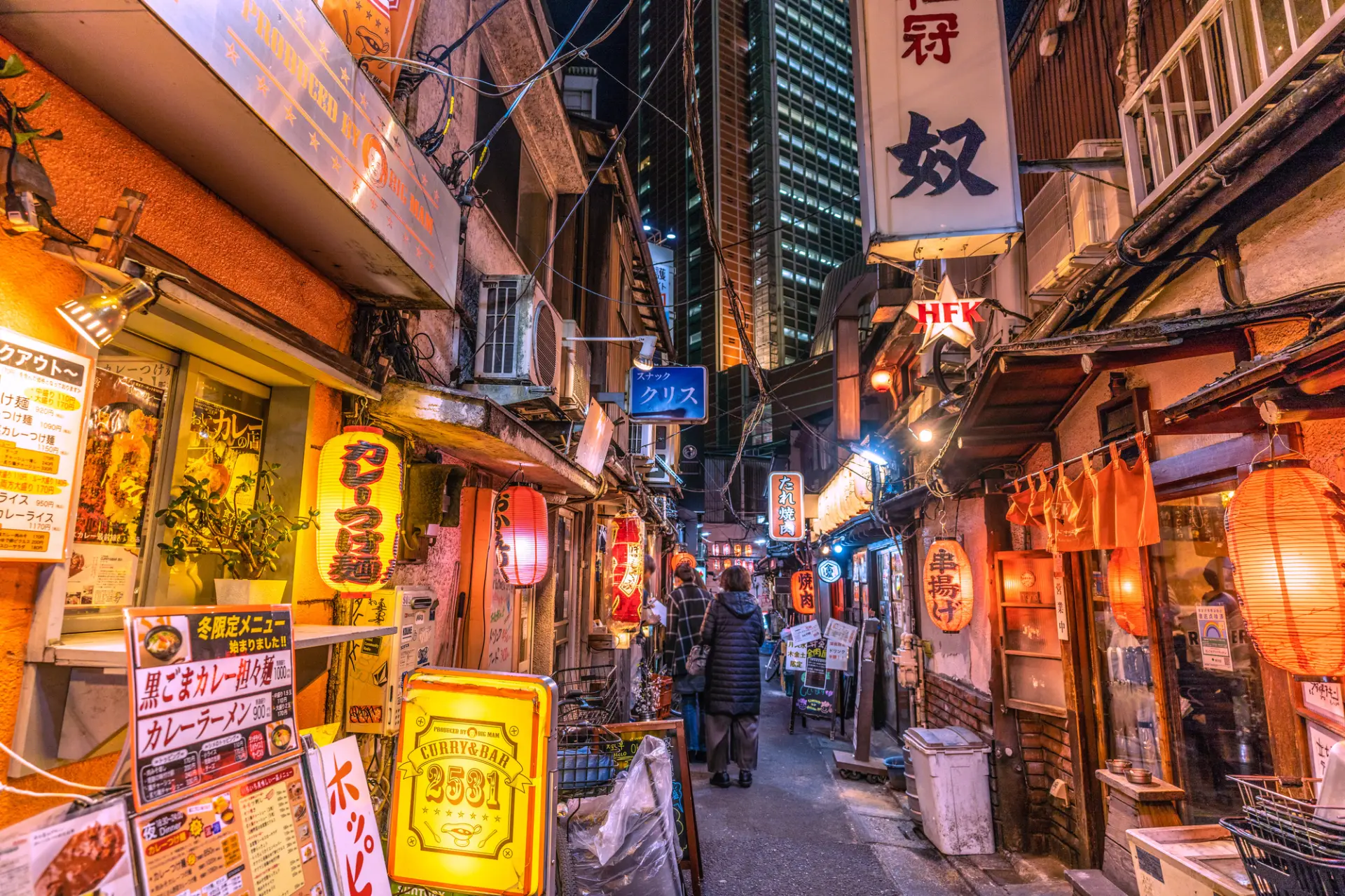
12. Kuramae: Where Craftsmanship and Creativity Thrive
Located in Taito City, Tokyo, Kuramae is an area along the Sumida River not far from Asakusa.
It once prospered as a town of artisans and wholesalers, and even today the streets still retain traces of that old character.
At the same time, in recent years it has also gained attention as a spot known as “Tokyo’s Brooklyn.”
This is because renovations that make use of old buildings while preserving history have been progressing, bringing an increase in cafés, variety shops, and ateliers.
The atmosphere of renewal and creativity in the neighborhood resembles the flow of Brooklyn, New York, and it is especially popular among young creators and designers.
Kuramae is also deeply rooted in a culture of craftsmanship that values artisanal skill and handwork, and is home to many unique shops packed with things to see.
Stylish without being too flashy, it is recommended for those who want to leisurely enjoy both old and new Tokyo.

13. Okushibuya: A Neighborhood That Inspires the Senses and Invites Adults to Wander
Located on the west side of Shibuya Station in Tokyo, Okushibuya refers to an area spanning Kamiyamacho, Tomigaya, and Udagawacho.
It is a relatively new name that became established around 2010, and the area has developed a culture all its own.
About a 10-minute walk away from the lively center of Shibuya, you will find a quiet residential area with the atmosphere of a hidden retreat.
Walk wherever your curiosity takes you, and one appealing shop after another appears, from book cafés tucked into back alleys to stylish interior shops that make you want to stop in.
Because it has not been heavily developed as a tourist destination, there are many small shops, each with its own personality and warmth.
It is recommended for those who want to enjoy an urban stroll while finding favorite spots of their own.

FAQ about Neighborhoods Where You Can Experience Tokyo’s Culture
Q
Which neighborhood is easy to access from Tokyo Station and good for enjoying subculture?
A
Kanda, which retains old-fashioned charm, and Koenji, where you can enjoy a local feel, are recommended.
Q
Which neighborhood is easy to access from Shinjuku Station and good for enjoying subculture?
A
Kichijoji, where good old charm and new culture coexist, and Shimokitazawa, a hub of subculture, are recommended.
Q
Which neighborhood is easy to access from Shibuya Station and good for enjoying subculture?
A
Nakameguro, where you can feel a refined atmosphere and unique sense of style, and Sangenjaya, where each area offers a different atmosphere, are recommended.
Summary
This article has introduced 13 Tokyo neighborhoods known for subculture and old-fashioned charm.
None of them are major tourist spots, but each has a wide range of attractions, and experiencing their unique atmosphere is sure to inspire your senses.
If any of them caught your interest, be sure to pay a visit.