
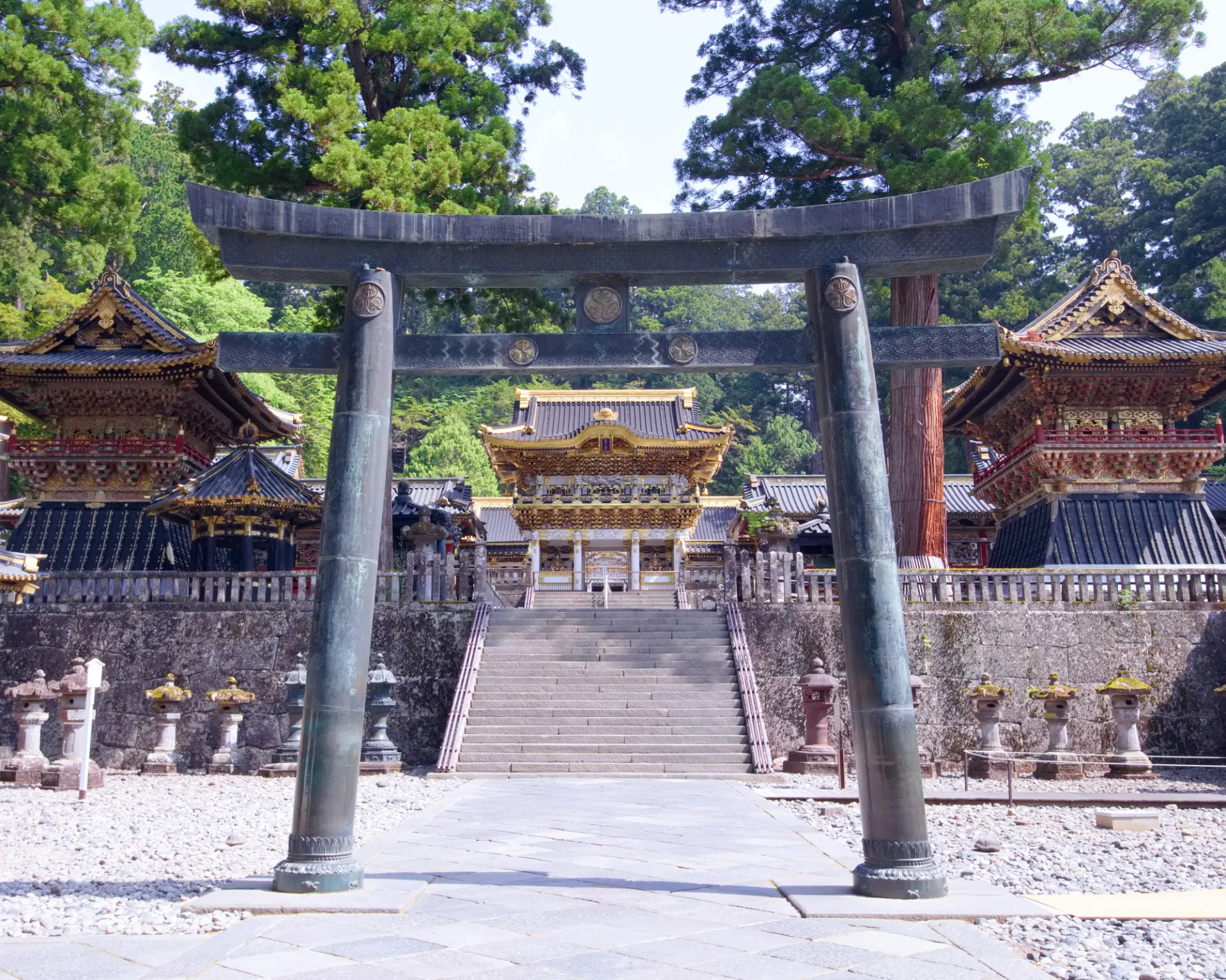
13 Things to Know Before Visiting Nikko Toshogu Shrine
Nikko Toshogu Shrine is a sacred power spot dedicated to Tokugawa Ieyasu, the great hero who brought an end to Japan’s Warring States period.
It is widely known, but not many people are familiar with much beyond its lavish architecture and Ieyasu’s achievements.
In fact, the shrine has remarkable depth, with fascinating traditions, beliefs, and craftsmanship found throughout.
In this article, we introduce trivia and useful tidbits that will help you enjoy your visit to Nikko Toshogu Shrine even more.
We’ve also put together interesting insights on its historical background and architectural style, so be sure to read to the end.
3 Things to Know About the Origins and History of Nikko Toshogu Shrine
First, let’s look at some trivia and little-known facts about the origins and history of Nikko Toshogu Shrine.
Many people know the name Nikko Toshogu Shrine, but few know what it looked like when it was first founded or why it was registered as a World Heritage Site.
Keeping these points in mind will give you a fresh perspective and make your visit even more enjoyable.
1. Nikko Toshogu Shrine enshrines Tokugawa Ieyasu
Nikko Toshogu Shrine is the head shrine of all Toshogu shrines and enshrines Tosho Daigongen, the deified form of Tokugawa Ieyasu, as its principal deity.
Its origins come from Ieyasu’s deathbed wish: “Bury my body at Kunozan, and after the first anniversary of my death, build a small hall on Mt. Nikko and enshrine me there.”
Following his will, Ieyasu was first buried at Kunozan in Shizuoka in 1616, the year of his death, and then enshrined in a small mausoleum in Nikko called Toshosha in 1617.
Later, in 1645, it was granted the title of miya by the imperial court and renamed Toshogu.
By the way, “Tosho” means “to illuminate Japan from the east,” while “gongen” refers to the syncretic belief that a Buddha can appear in the form of a Shinto deity.
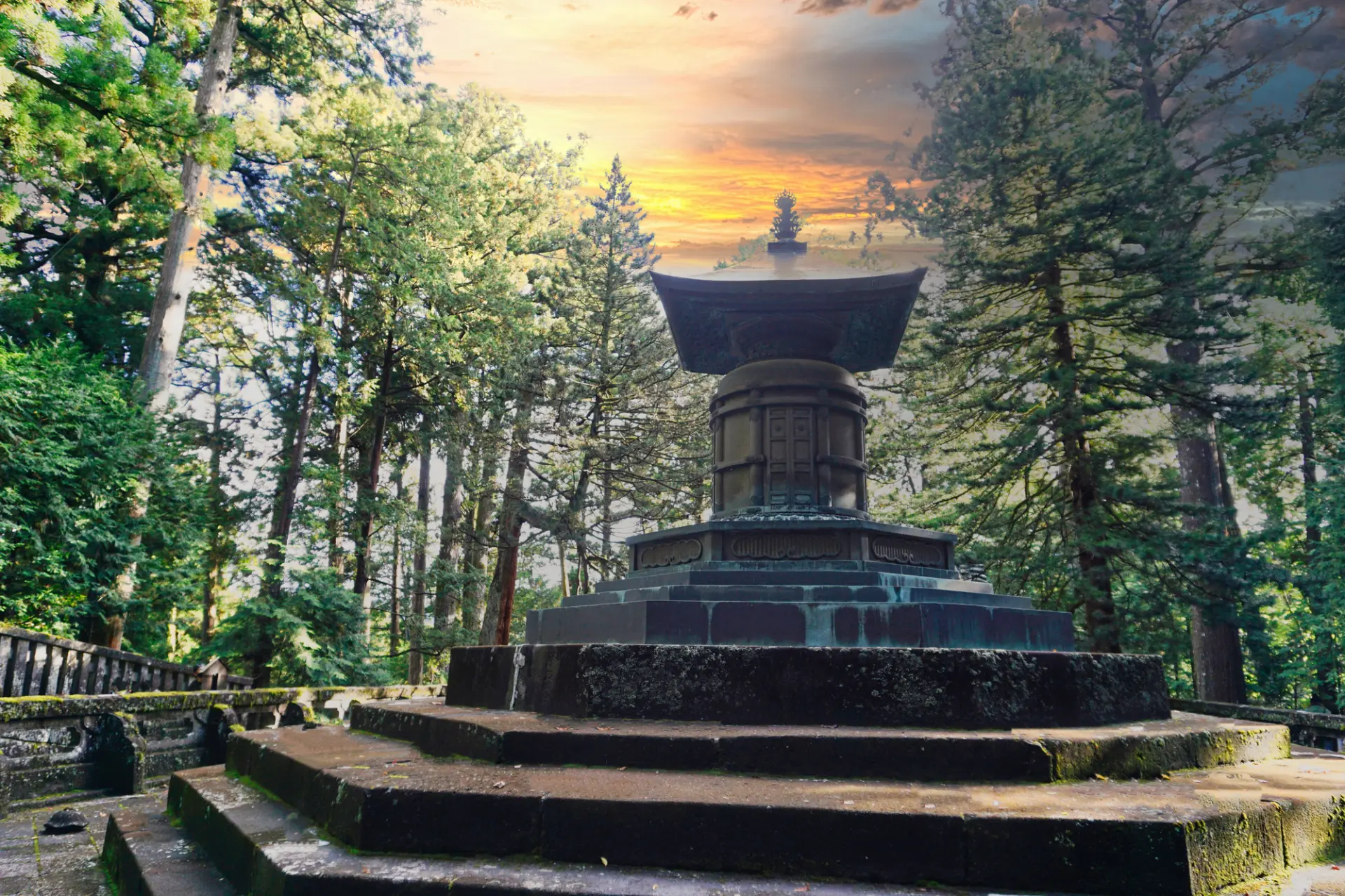
Today, his remains are enshrined at the Okusha Inner Shrine, in the Goboto pagoda, which is Tokugawa Ieyasu’s tomb, so we recommend visiting Okusha during your trip.
2. From a simple shrine at the time of its construction to a lavish masterpiece built at a cost of Approx. 1 million ryo
Toshogu Shrine, founded by the second shogun Tokugawa Hidetada, was originally small and simple, just as his father had wished.
Most of the lavish decorative features seen today were created during the “Great Kanei Renovation” ordered by the third shogun, Tokugawa Iemitsu.
Iemitsu, who held deep respect for his grandfather, decided on the large-scale renovation in order to make Nikko Toshogu Shrine a magnificent mausoleum.
Construction began in 1634, and after fully rebuilding the main structures, the work was completed in 1636, the 21st anniversary of Tokugawa Ieyasu’s death.
As a result, Nikko Toshogu Shrine was transformed into a shrine complex that displayed Tokugawa Ieyasu’s prestige while also symbolizing the authority of the Edo shogunate.
What is especially remarkable is the high level of craftsmanship and aesthetic sense, as the fundamental architectural style and decorations have remained almost unchanged to this day.
The total construction cost of Approx. 1 million ryo, or about 10 billion yen in today’s value, was fully covered by the shogunate, making it a national-scale undertaking.
3. Why Nikko Toshogu Shrine was registered as a World Heritage Site
Nikko Toshogu Shrine was registered as a UNESCO World Cultural Heritage Site in 1999 under the name “Shrines and Temples of Nikko,” together with Rinnoji Temple and Futarasan Shrine. The three main reasons for its recognition are as follows.
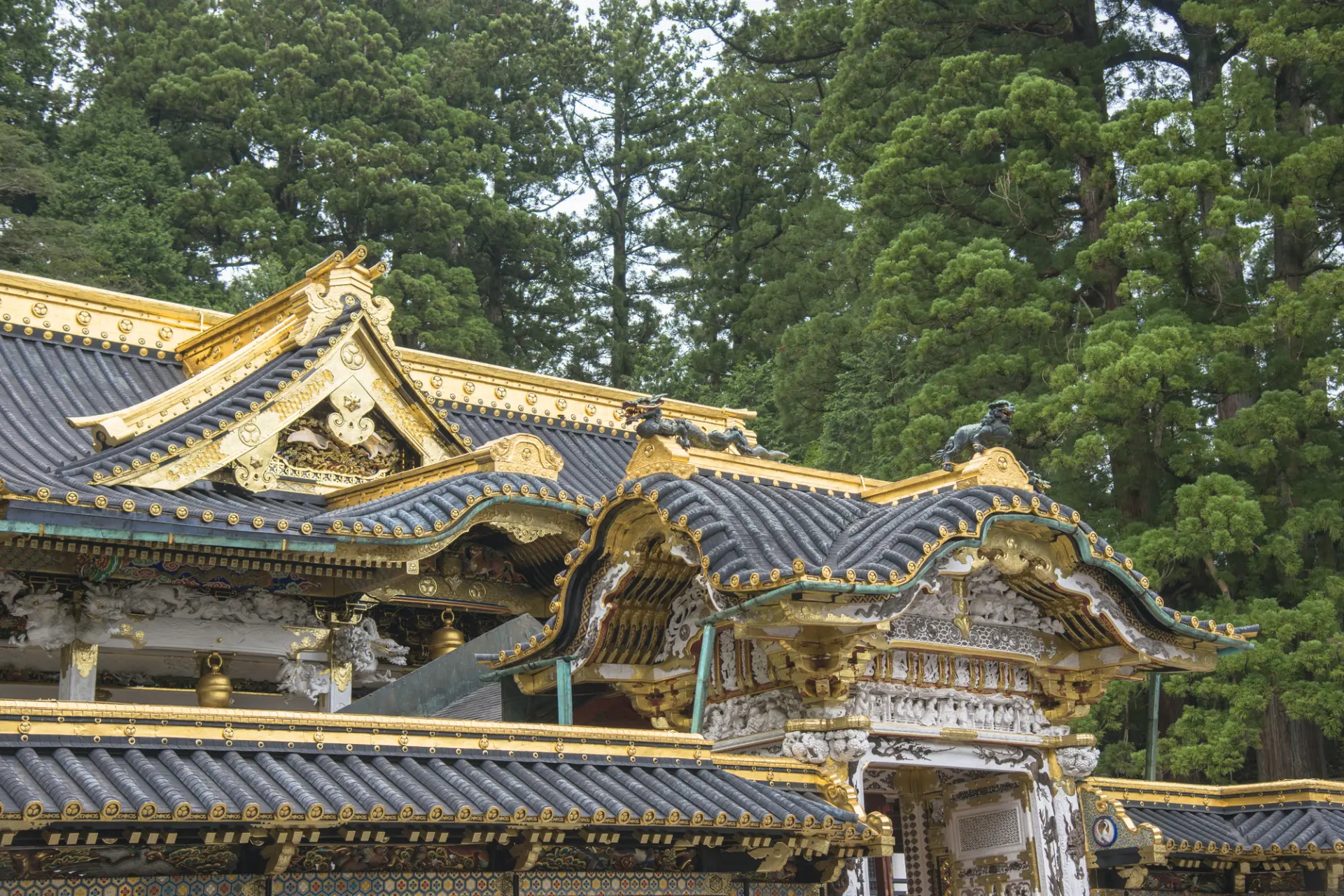
- Its exquisitely detailed carvings and vividly colored decorations are of an exceptionally high standard even by international comparison, making it a masterpiece that represents the finest architectural techniques and artistry of its time.
- The surrounding natural environment and the buildings are in beautiful harmony, creating a highly complete religious space shaped by the syncretic faith of Shinto and Buddhism.
- The 103 buildings that make up the Shrines and Temples of Nikko, including 9 National Treasures and 94 Important Cultural Properties, have been well preserved and form a systematic cultural asset group that conveys the building techniques of the time as well as the close connection between religion and politics.
Overall, it can be said that the site was recognized not simply as a group of ornate buildings, but as a place where premodern technology, faith, and landscape together hold “universal value.”
10 Fascinating Facts That Will Help You Enjoy Nikko Toshogu Shrine Even More
Next, here are some bits of trivia and little-known facts you should check out for yourself at Nikko Toshogu Shrine.
Nikko Toshogu Shrine is packed with highlights of all kinds, from its lavish architecture and historical value to fascinating stories and beliefs connected to its buildings.
Knowing these in advance will make your visit even more rewarding and help you enjoy the shrine to the fullest.
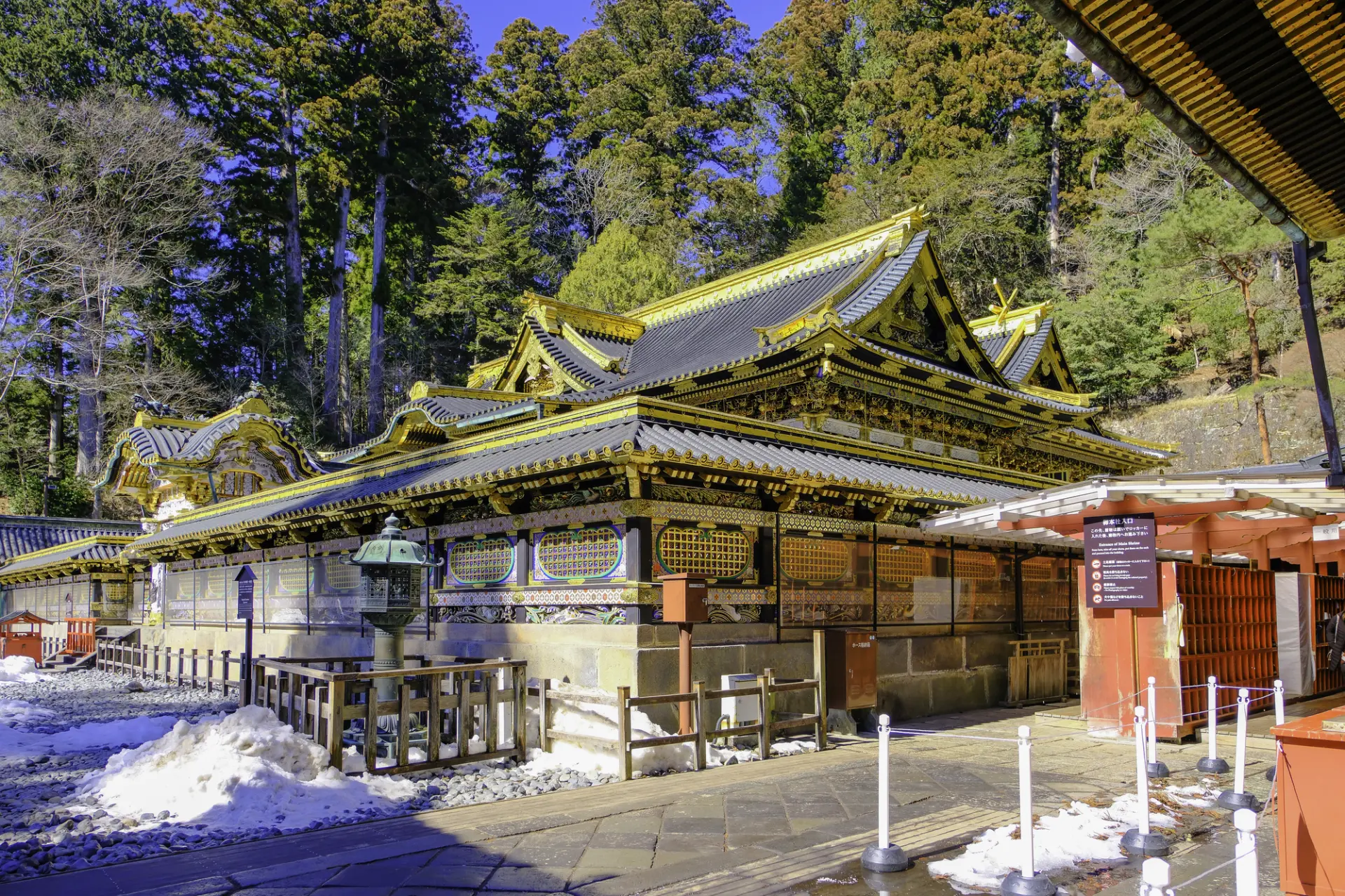
Nikko Toshogu Shrine is one of the finest examples of the gongen-zukuri architectural style
Nikko Toshogu Shrine is one of the finest examples of the gongen-zukuri style used in shrines and temples.
Gongen-zukuri is a style in which the main sanctuary and the worship hall are connected by an intermediate offering hall called the ishi-no-ma or ai-no-ma, and when seen from above, the layout resembles the katakana character “エ.”
On the floor plan, the worship hall is placed at the front, the main sanctuary at the rear, and the middle section connects them so that worshippers naturally direct their attention from the worship hall toward the sacred main sanctuary.
It also often features an irimoya roof, a tsumairi entrance, and eaves in a highly ornate design, while decorative elements such as the projecting porch and kara-hafu curved gable enhance its visual impact.
The rebuilding carried out during the Great Kanei Renovation mentioned above is considered the completed form of gongen-zukuri, and it later became a model for many shrine buildings.
Its origins date back to the Heian period, from 794 to 1185, but the name gongen-zukuri comes from Tosho Daigongen.
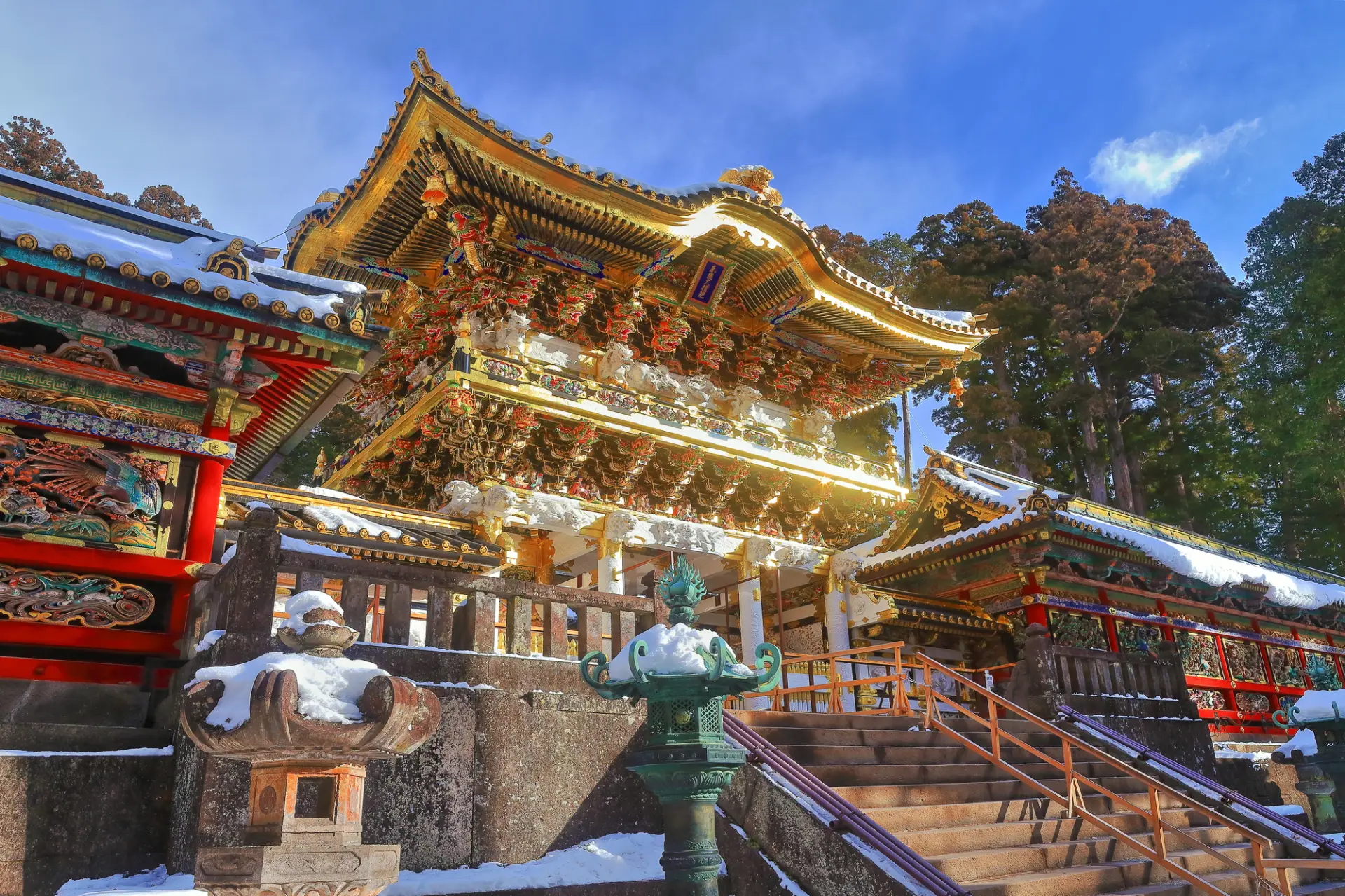
Why Yomeimon Gate is called the “Higurashi Gate”
Yomeimon Gate, a National Treasure famous as the most beautiful gate in Japan, is also known as the “Higurashi Gate” because of its overwhelming artistic beauty and cultural depth.
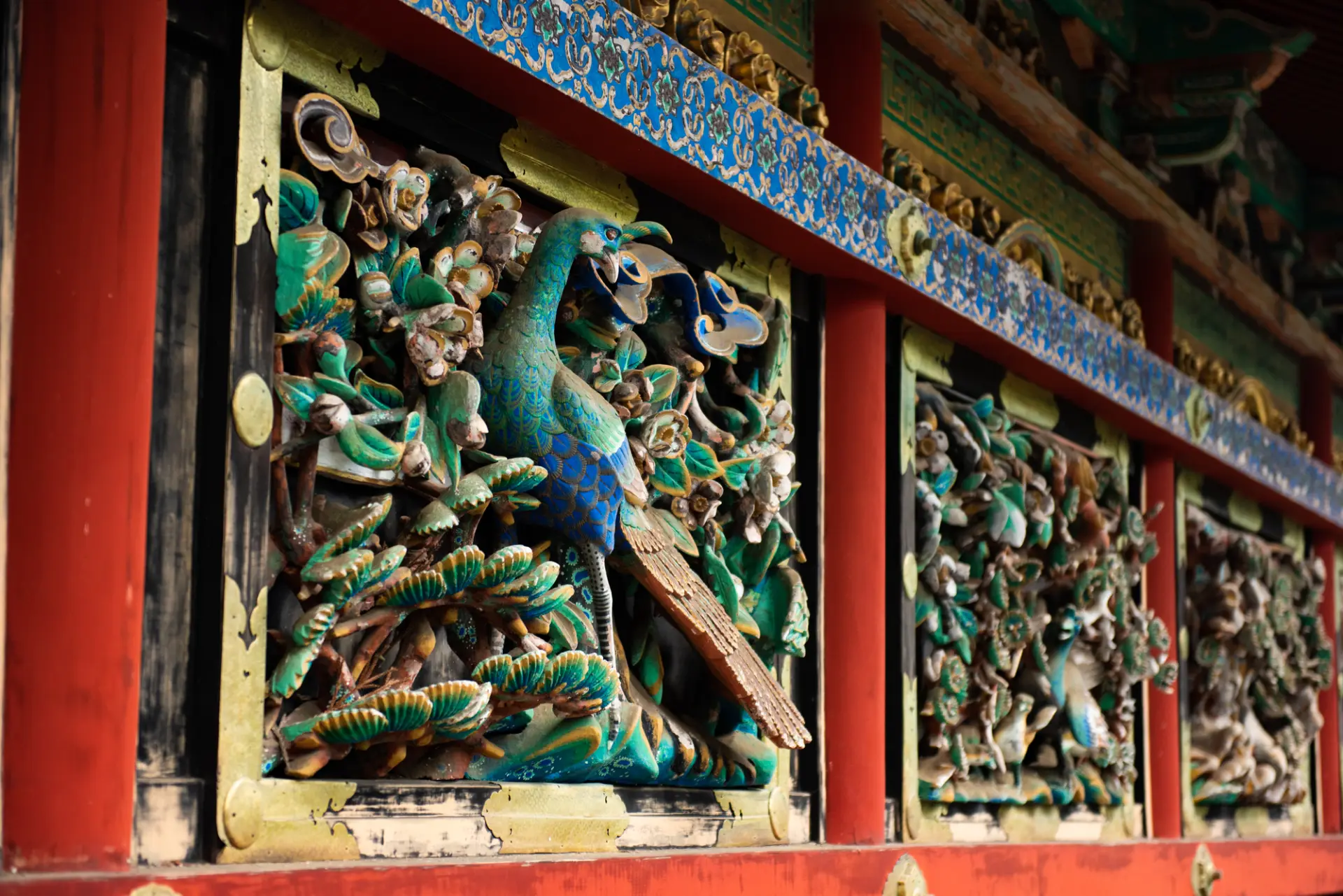
The gate features more than 500 carvings, brilliant colors, and extensive use of gold leaf, bringing together the full range of early Edo-period craftsmanship and offering countless details to admire.
Its nickname comes from the idea that visitors “never tire of looking at it until sunset,” and it is said that Tokugawa Iemitsu himself was deeply impressed by its beauty.
The carvings cover a wide range of subjects, including sages, people, animals, and plants, and each one contains its own story or message, including the well-known “Wise Play of the Chinese Children.”
You are likely to notice something new every time you look, making it easy to lose track of time while admiring it.
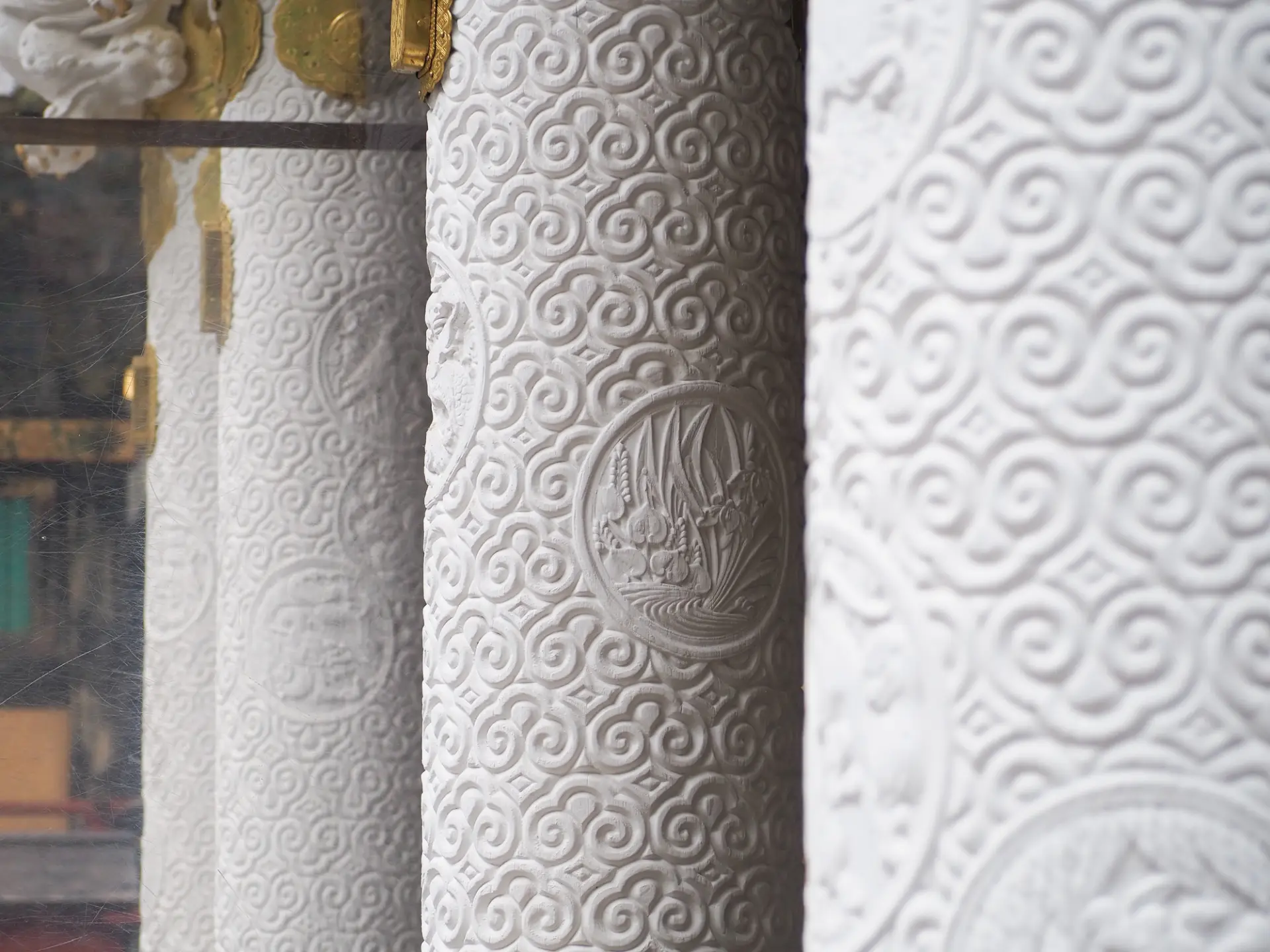
The upside-down pillar of Yomeimon Gate reflects Japanese philosophy and aesthetics
Yomeimon Gate has just one “upside-down pillar,” the second pillar from the west on the north side.
An upside-down pillar is a pillar whose carving is intentionally reversed, and at Yomeimon Gate, the swirling guri pattern is carved upside down.
This is based on an ancient belief that evil can slip into anything made perfect.
A deliberately imperfect element was added on purpose, with no structural problem, reflecting the onmyodo idea of warding off misfortune.
It also expresses a uniquely Japanese sense of beauty: “what reaches fullness begins to decline,” so an unfinished element was included to preserve the building’s longevity and harmony.
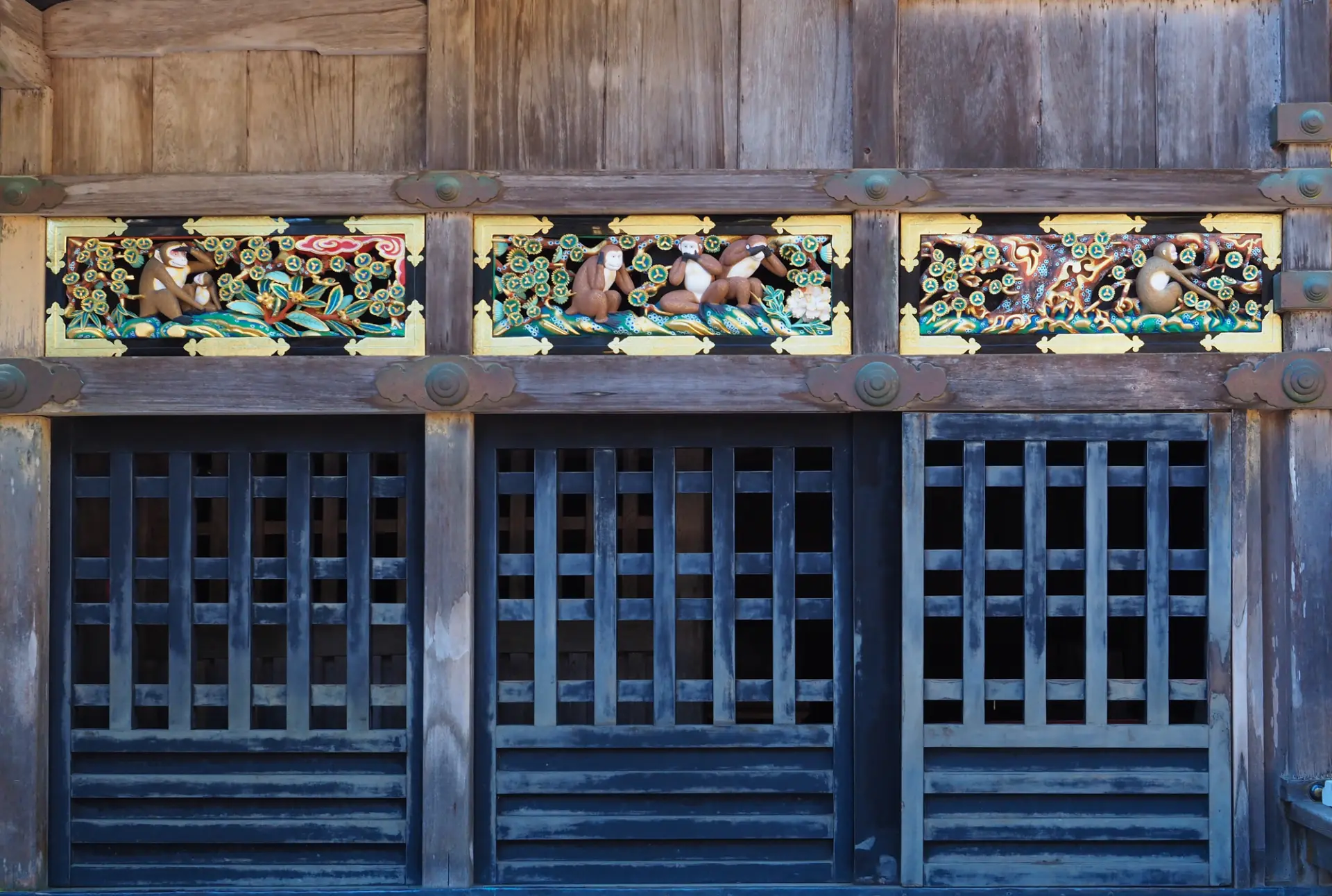
The famous “Three Wise Monkeys” are just part of a set of eight carvings
The “Three Wise Monkeys” of Nikko Toshogu Shrine, see no evil, speak no evil, hear no evil, are the famous carving of three monkeys on the nageshi beam of the Sacred Stable within the shrine grounds.
Each monkey covers its eyes, mouth, or ears with its hands, expressing the moral lesson to see, speak, and hear no evil.
In fact, the Three Wise Monkeys are only one part of a series of eight carvings depicting the life of a monkey, representing different stages of growth.
A simple outline of the story and its message is as follows.
- Infancy: A mother praying for her child’s future happiness, expressing warm parental love and hope for the child
- Childhood: A curious child, expressing guidance so the child will grow into a fine adult
- Youth: A scene just before independence, expressing preparation for growing into adulthood
- Adulthood: A monkey with lofty ambitions, expressing a young person looking ahead to the future
- Setback and comfort: One monkey looking downward and another placing a hand on its back, expressing the importance of encouragement and friendship
- Love: A depiction of the emotions of romantic 고민, expressing the awkwardness of love and emotional growth
- Marriage: Two figures standing side by side and facing forward, expressing a couple overcoming difficulties together
- Pregnancy: A pregnant figure, expressing the responsibility of becoming a parent and the cycle of life that nurtures the next generation
The meaning behind the “Sleeping Cat”
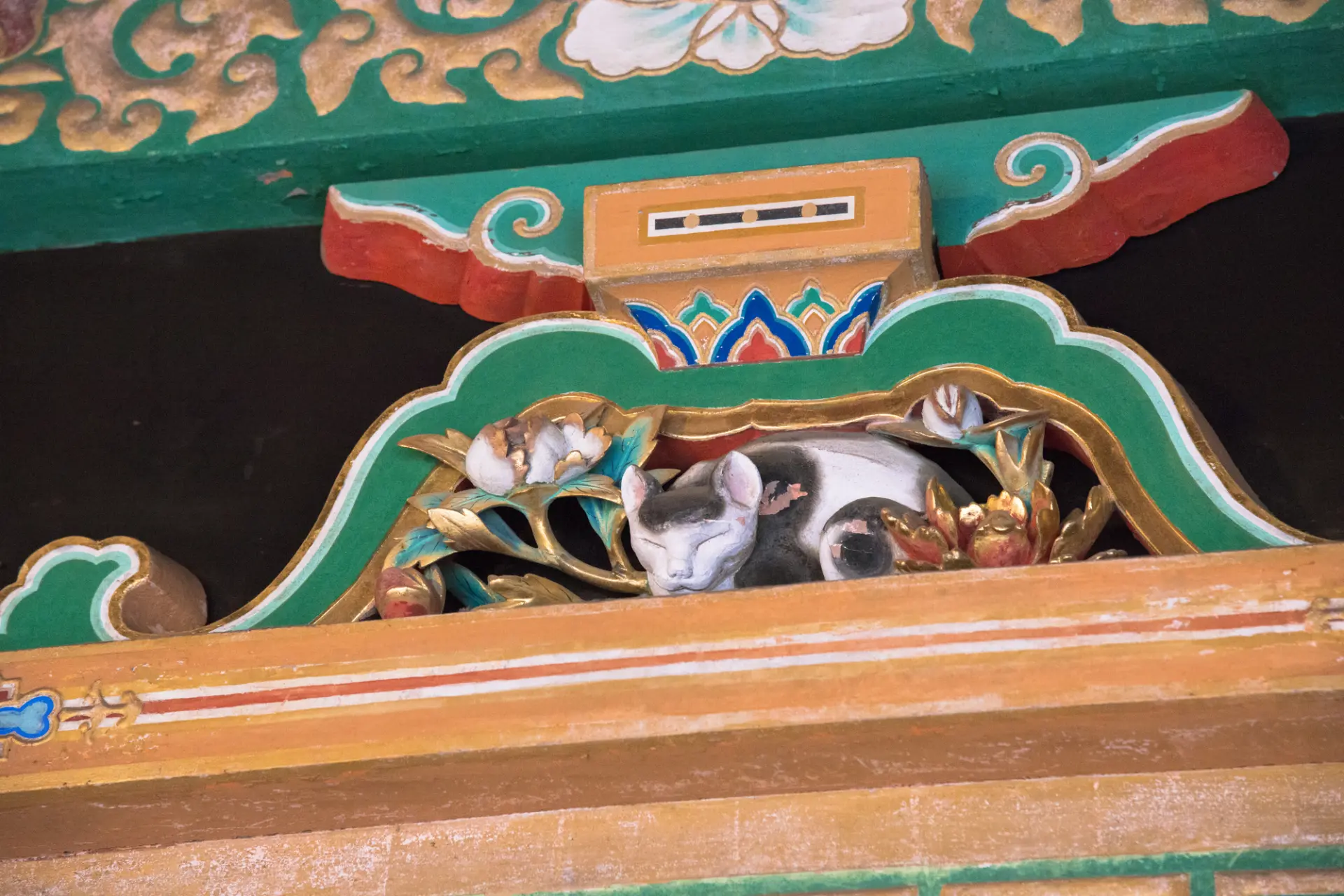
The “Sleeping Cat” at the east corridor entrance to Okusha Inner Shrine is a small decorative carving designated as a National Treasure.
It is said to be the work of the master craftsman Hidari Jingoro from the Edo period, 1603–1868, and the image of the sleeping cat represents a harmonious world free from conflict and danger, meaning the peace and stability of the Tokugawa shogunate.
In fact, it is posed so that it can spring at an enemy at any moment, meaning it is never off guard and remains firmly defensive, and depending on the angle, its eyes may appear open. The two sparrows carved behind it are also worth noticing.
Because cats and sparrows, normally natural enemies, are shown peacefully together, the Sleeping Cat is generally regarded as a symbol of peace.
These layered meanings are part of what makes it so interesting, as the way you interpret it can change depending on your perspective.
Kamijinko Storehouse features a unique elephant carving created from imagination
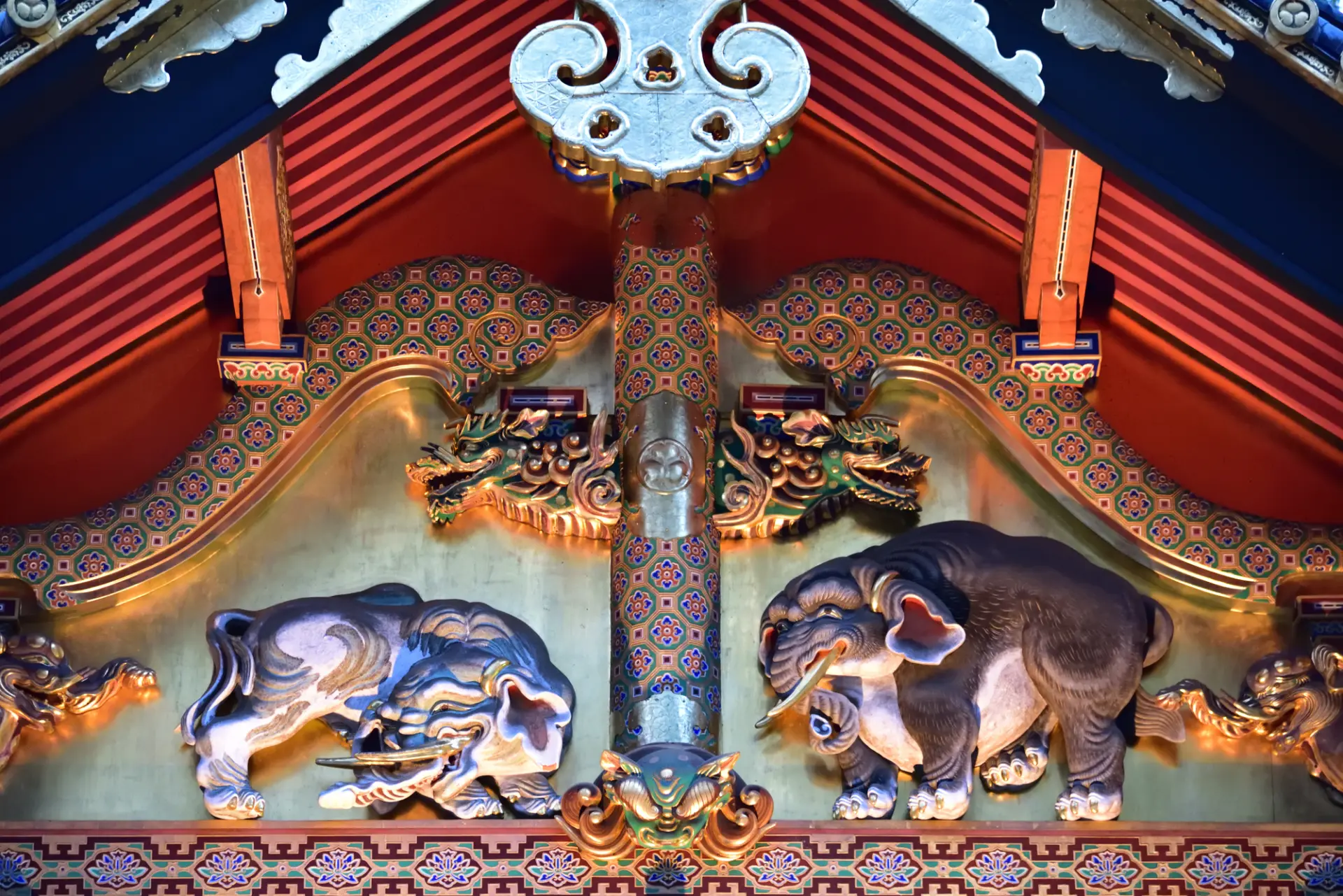
The “Imaginary Elephants” are a very rare and distinctive set of carvings created purely from imagination by an artist who had never actually seen an elephant and relied only on hearsay and books.
It is said that the preliminary sketch was drawn by the painter Kano Tanyu.
Its asymmetrical design, three tails, mammoth-like body hair, and golden tusks are marked by bold exaggeration full of creativity and artistry.
Its unusual shape and nonrealistic style have made it popular with visitors, and along with the Sleeping Cat and the Three Wise Monkeys, it is counted among the “Three Great Carvings of Nikko.”
The Imaginary Elephants are carved beneath the roof gable of Kamijinko, an Important Cultural Property and one of the three sacred storehouses within Nikko Toshogu Shrine.
Can you hear a dragon cry? The “Suzu-nari Dragon” of Yakushido Hall
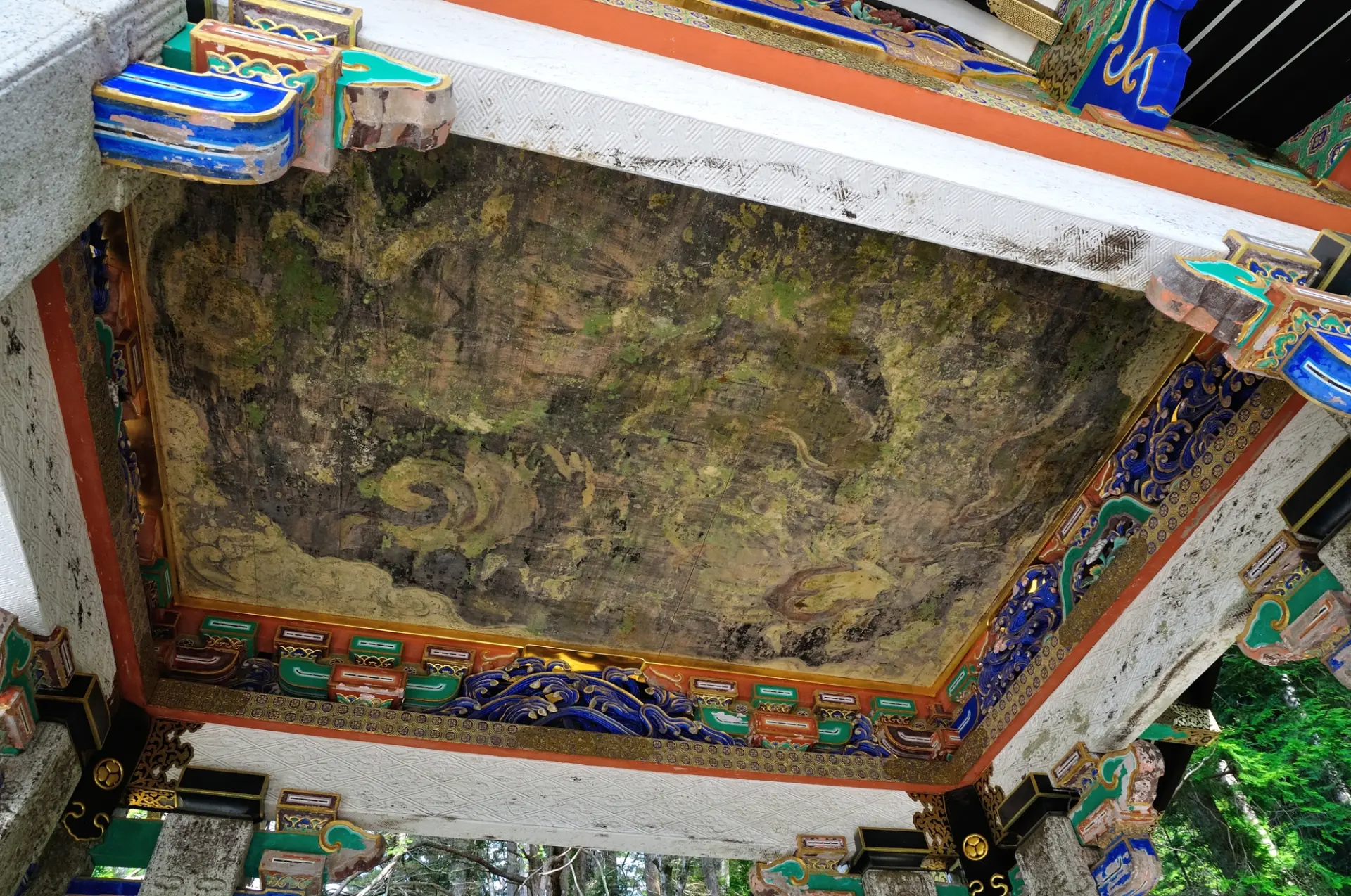
The Important Cultural Property “Suzu-nari Dragon” is a giant ink painting of a dragon on the ceiling of Yakushido Hall, also known as Honjido Hall, at Nikko Toshogu Shrine.
If you strike wooden clappers or clap your hands directly beneath the painting, the resonance between the ceiling and floor produces a long echo that is clearly different from the sound heard elsewhere.
Because it sounds as if the dragon itself is crying out, it is known as the “Crying Dragon” or the “Suzu-nari Dragon.”
This phenomenon is actually caused by flutter echo, in which rapidly repeated reflected sounds combine and seem to continue for longer, created by the structure of the ceiling.
It offers a mysterious experience that makes use of acoustic effects, so be sure to try it for yourself when you visit.
The wish-granting sacred cedar “Kanae-sugi” located at the Inner Shrine
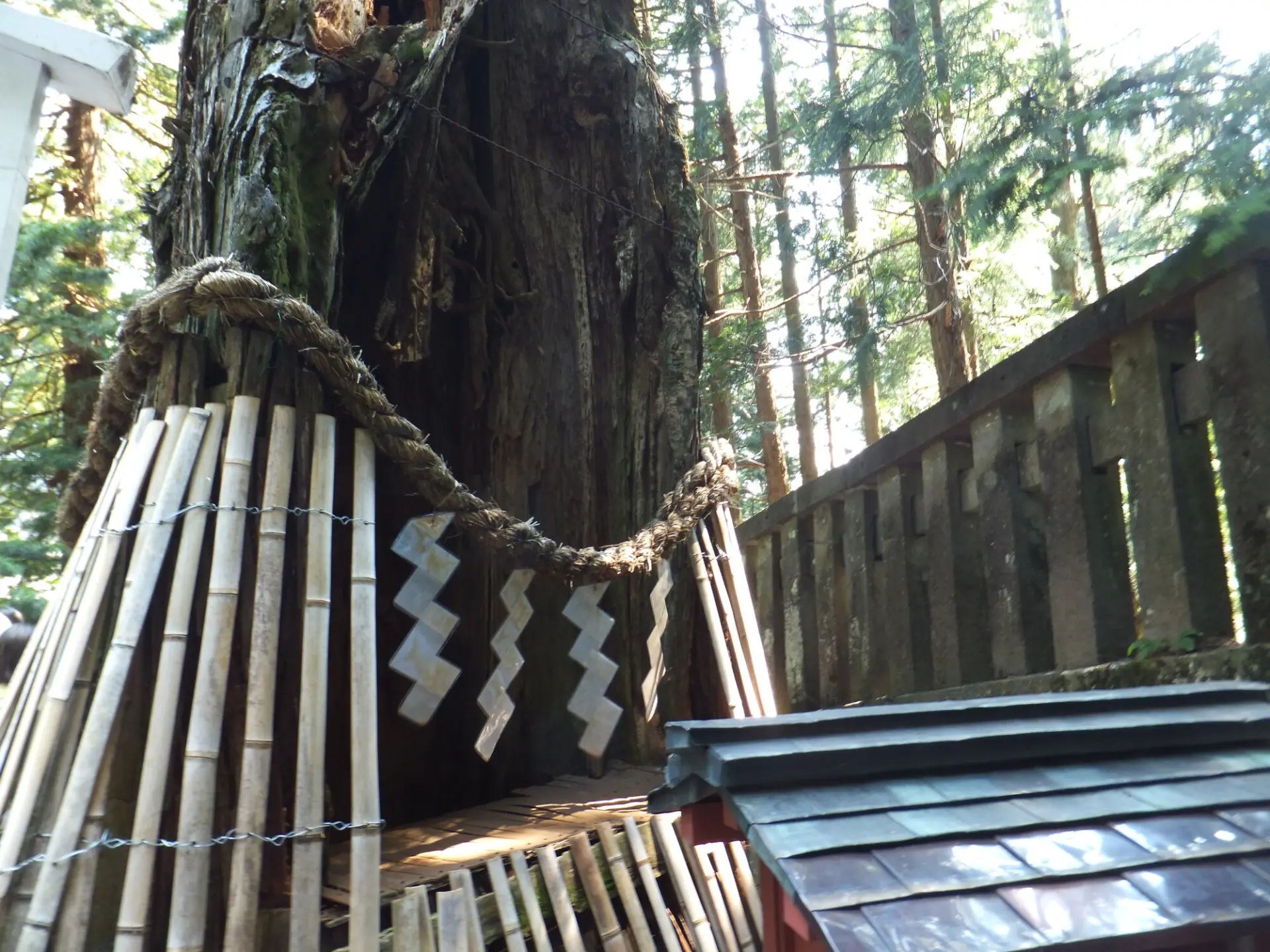
“Kanae-sugi” is a giant sacred cedar tree over 600 years old, standing beside the Goboto pagoda at the top of the 207 stone steps along the approach to Okusha Inner Shrine.
It has long been revered as a power spot where wishes are said to come true if you pray toward the hollow in the cedar.
It is thought that the name naturally spread because the tree came to symbolize a sacred atmosphere, long life, and the protection of Tokugawa Ieyasu.
Even today, it remains one of the representative spots at Nikko Toshogu Shrine, with a steady stream of worshippers stopping by to make wishes.
The five-story pagoda that suffered no major damage even in the Great East Japan Earthquake
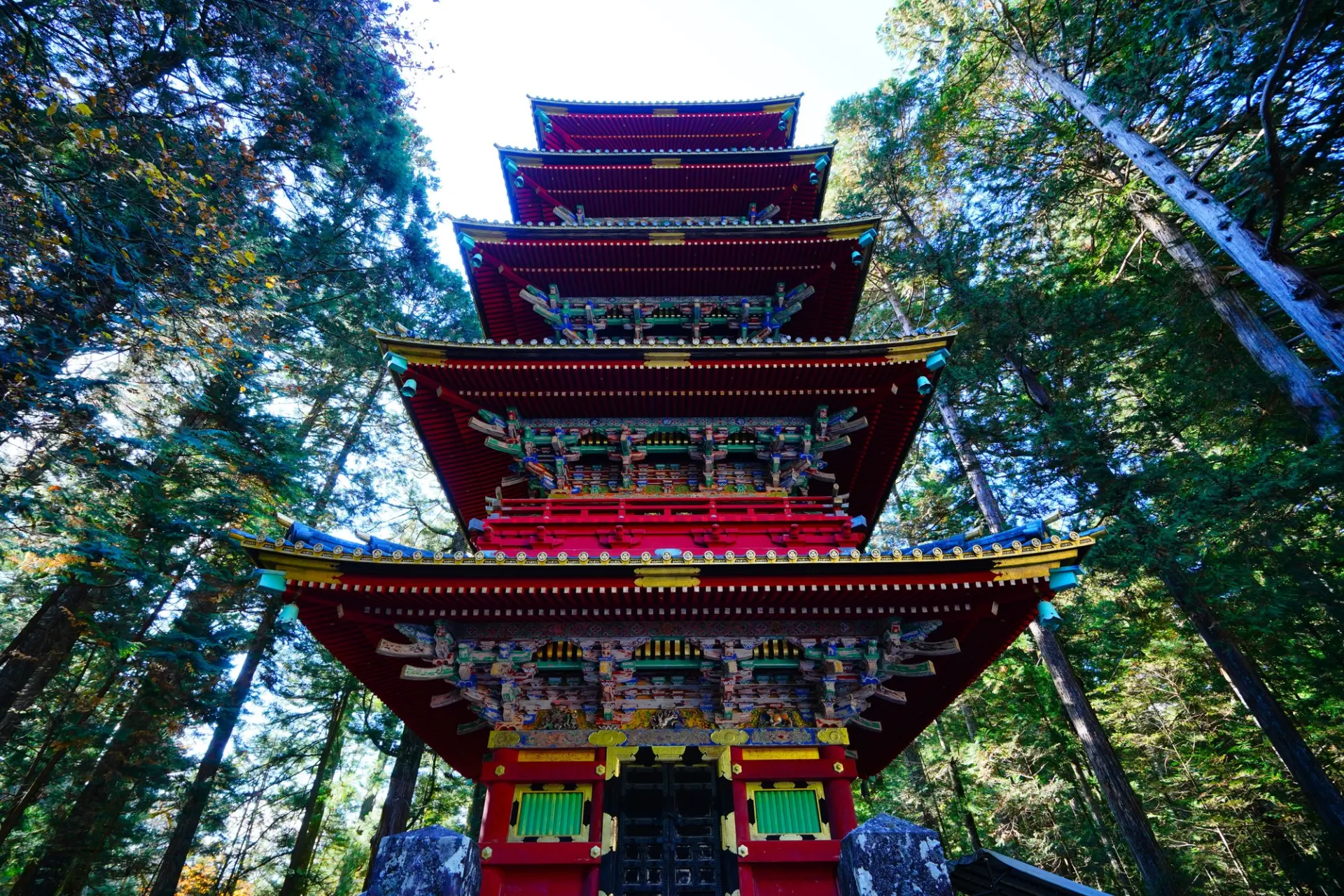
The five-story pagoda, with its beautifully layered five roofs, is a vermilion tower about Approx. 36 m tall that rises at the entrance to Nikko Toshogu Shrine.
Its intricate zodiac-themed carvings hold high religious and artistic value, and it is also designated as a national Important Cultural Property.
Its most notable feature is an advanced earthquake-resistant structure known as the suspended shinbashira central pillar.
The central pillar, suspended from the roof, moves like a pendulum to absorb and disperse vibrations, helping prevent damage to the structure as a whole.
Its precision and safety are so impressive that it suffered no major damage even during the Great East Japan Earthquake in 2011.
The “Terifuri Stone,” which changes color depending on the weather
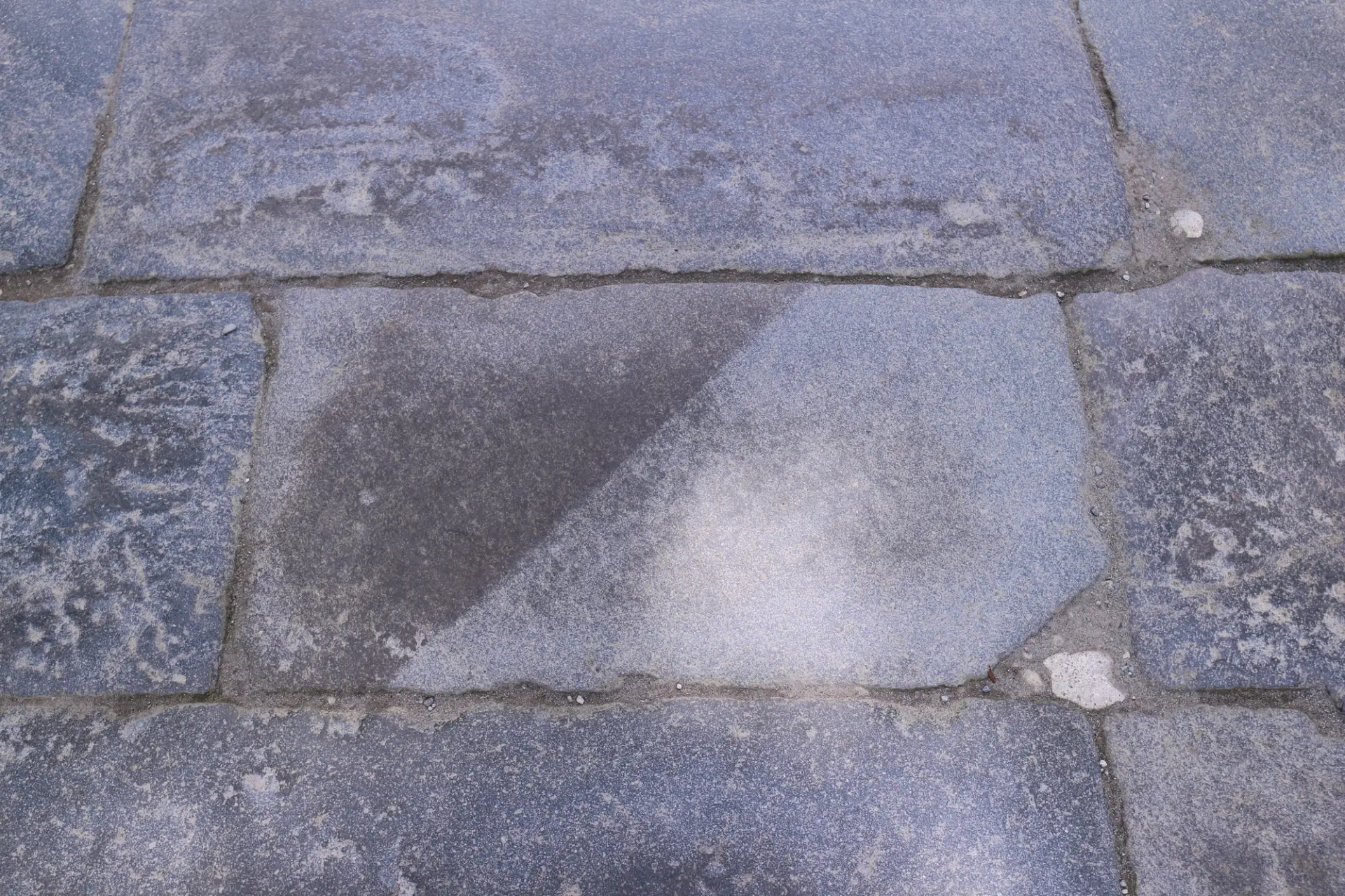
The “Terifuri Stone” is a rectangular single stone embedded in the 10th step of the stone staircase leading to the stone torii gate, the first torii of Nikko Toshogu Shrine.
It is a curious stone said to predict the weather and is counted as one of the seven mysteries of Nikko Toshogu Shrine.
The surface of the stone is divided diagonally into two colors, and there is a local belief that when the right half, the right side facing the stone torii gate, looks dark, it is a sign of rain, while when it looks pale, the weather is likely to clear.
For that reason, it is a popular spot among worshippers and locals as a “weather fortune-telling stone.”
Summary
We’ve introduced some deeper trivia and little-known facts about Nikko Toshogu Shrine that you’ll want to share with others.
It’s fun to explore at your own pace, but knowing the historical background and the meanings behind the architecture will help you appreciate the shrine’s cultural and religious value on a deeper level.
You’ll likely come away with a sense of wonder that ordinary sightseeing alone cannot offer, making your trip even more satisfying.
When you visit, be sure to check these things out for yourself and share them with your friends and family.
Also take a look at this article, which brings together basic information on Nikko Toshogu Shrine, its classic highlights, and popular nearby places to eat.