
![[Spring Fukuoka Prefecture Travel Guide] A Spring Stroll Through Cherry Blossoms, Famous Castles, and History](https://static.gltjp.com/glt/data/article/22000/21231/20251210_145558_464859bc_w1920.webp)
[Spring Fukuoka Prefecture Travel Guide] A Spring Stroll Through Cherry Blossoms, Famous Castles, and History
Known as the gateway to Kyushu, Fukuoka Prefecture is a place where history and culture thrive, centered around Fukuoka City, which flourished long ago as a castle town.
From famous city landmarks such as Kushida Shrine and Hakozaki Shrine to destinations across the prefecture like Dazaifu Tenmangu Shrine and Kokura Castle, the area is steeped in history. In spring, cherry blossoms color the region’s famous castles and townscapes, making it a wonderful season for strolling in the mild weather.
Set out on a spring walk through Fukuoka and trace its history as you visit iconic castles and historic sites.
How to Enjoy Fukuoka in Spring: Explore Historic Towns and Landmarks
Spring in Fukuoka is the season when famous castles and historic townscapes are colored by flowers, making even a simple walk feel full of charm.
In the city, cherry blossoms bloom in full glory at Fukuoka Castle Ruins and Ohori Park, and from the former castle tower site, you can look out over the castle town tinted in spring colors.
If you go a little farther, you’ll find scenery where history and nature exist in harmony, from strolling the approach to Dazaifu, home to a shrine dedicated to the god of learning, to walking through the townscape of Akizuki and enjoying a river cruise in Yanagawa.
In Fukuoka, where culture has long thrived, another joy of walking the town is experiencing local life through regional cuisine and traditional crafts along the way.
As you visit blossom-filled castles and towns rich in atmosphere, take your time and enjoy the history of Fukuoka in the soft light of spring.
A Spring Travel Classic! 3 Cherry Blossom Spots in Fukuoka Surrounded by Seasonal Scenery
In Fukuoka, where nature and history are beautifully balanced, cherry blossoms gently color the landscape each spring.
From shrines and parks in the city to waterfront and mountain areas, cherry blossom viewing spots can be found throughout the prefecture. You can stop by during a city walk or head out to the suburbs for a relaxing day. The best time to visit is typically from late March to early April, so planning your trip around the bloom is recommended.
There are many more spots to discover, so check the article below for more details on cherry blossom viewing in Fukuoka.
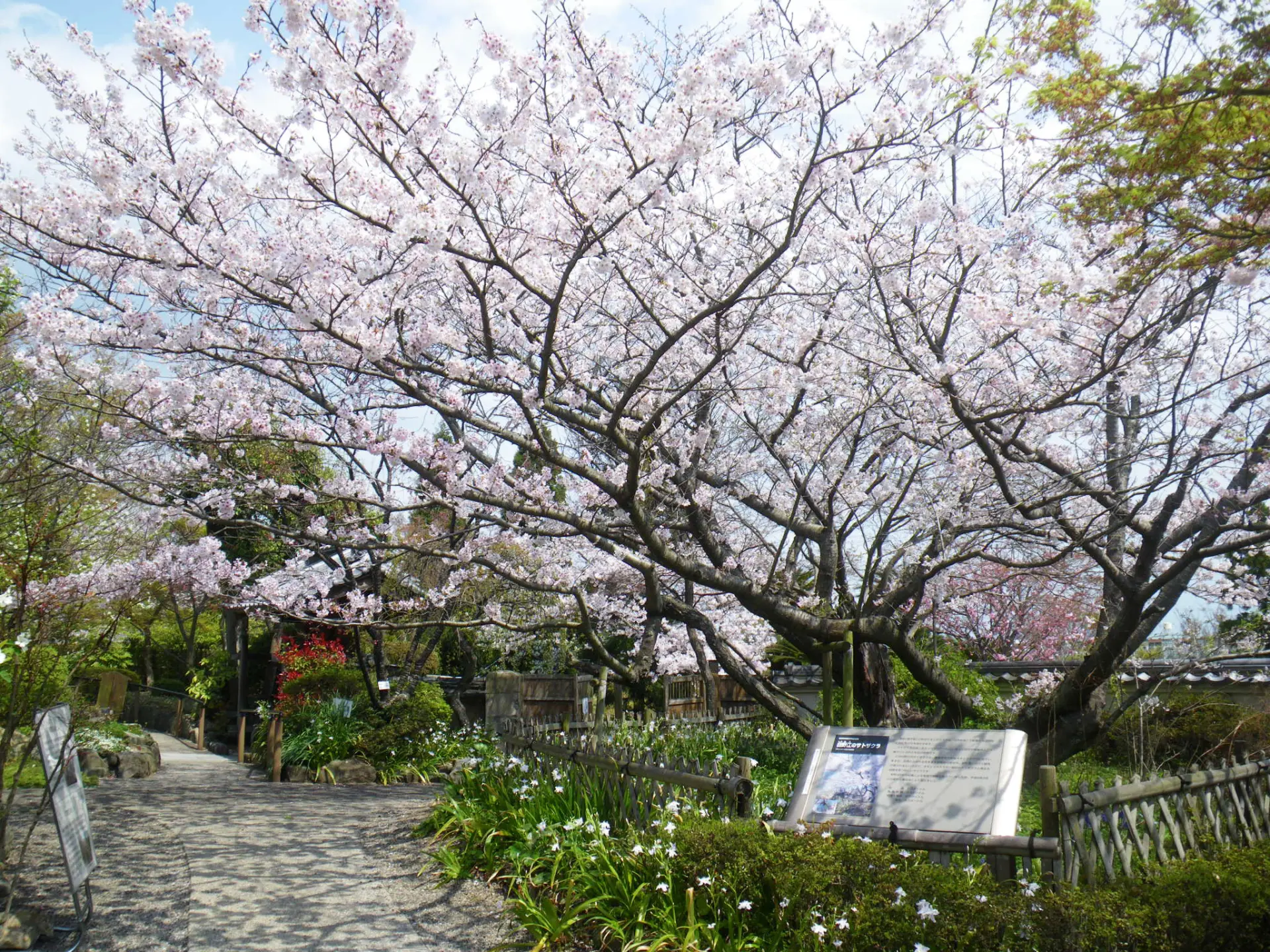
1. Kitakyushu Municipal Shiranoe Botanical Garden (Kitakyushu City)
A relaxing spot spread across a small hill, this botanical garden has nearly 80 years of history and lets visitors enjoy natural scenery created by plants throughout the year.
In spring, more than 700 cherry trees of 60 varieties bloom throughout the garden, offering a wide range of blossoms to admire. Along with the open view from the summit plaza overlooking the Suo Sea, you can enjoy a peaceful springtime atmosphere.
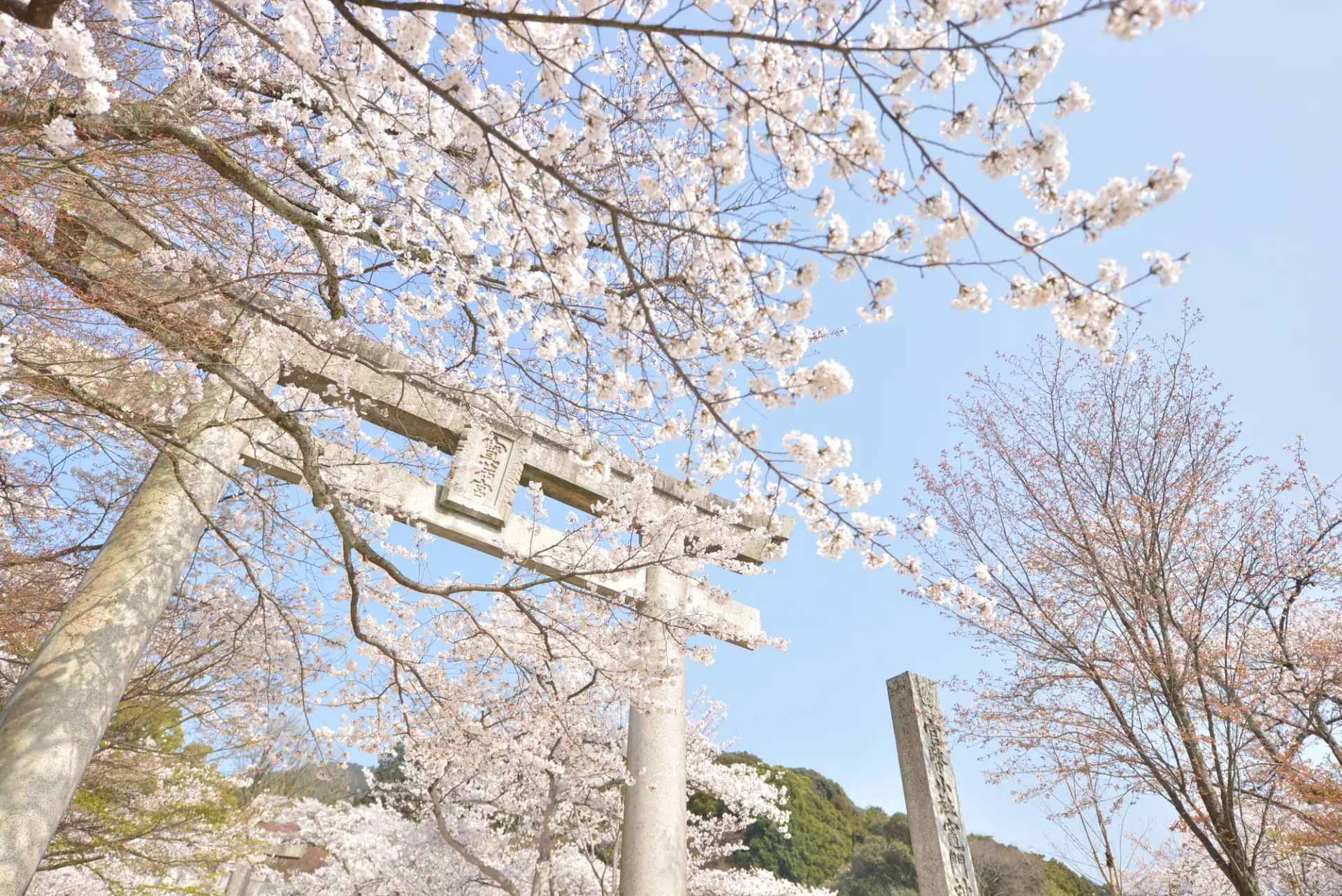
2. Homangu Kamado Shrine (Dazaifu City)
Kamado Shrine is a shrine with more than 1,350 years of history. It has long been worshipped as a shrine for matchmaking blessings.
Located at the foot of Mt. Homan, the shrine grounds fill with cherry blossoms in spring, creating a peaceful landscape together with the mountain’s fresh greenery. Walking along the approach surrounded by nature, you can enjoy a calm and relaxing hanami experience.
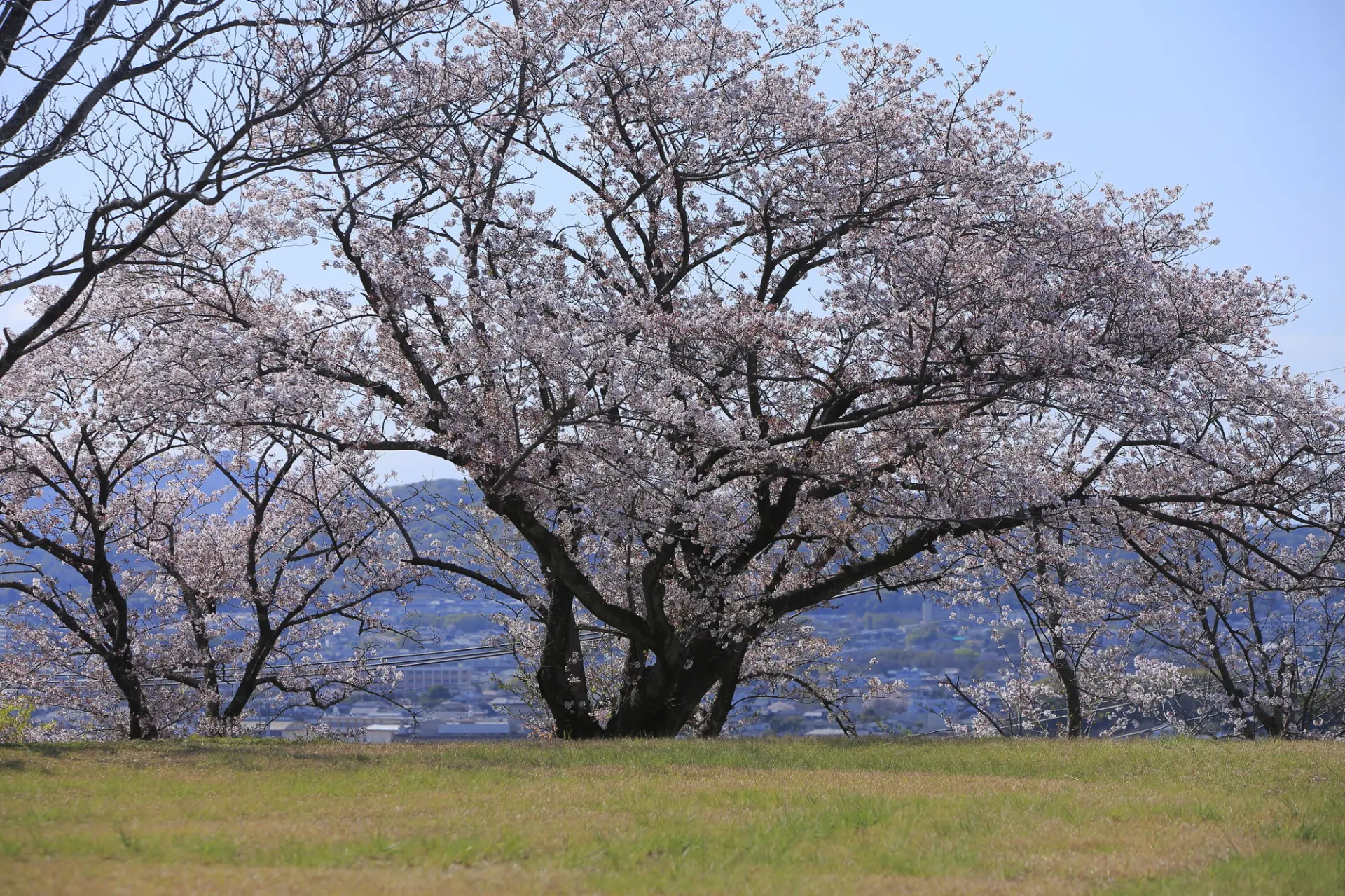
3. Amagi Park (Omuta City)
Set on gently rolling hills, Amagi Park is a famous cherry blossom spot where the grounds are wrapped in pink each spring. From late March to early April, 900 Yoshino cherry trees bloom, and the mountaintop appears so pink that you can see it from the foot of the hill.
A walk through the park lets you relax in the peaceful spring scenery. Surrounded by nature, it is a great place to enjoy cherry blossom viewing at an easy pace.
7 Sightseeing Spots in Fukuoka Where You Can See Famous Castles and Spring Scenery
If you’re walking around Fukuoka in spring, famous castles, historic townscapes, and flower spots are must-visits.
From Fukuoka Castle Ruins and Kokura Castle to the townscape of Akizuki and Kuroki no Ofuji, spring scenery can be found all across Fukuoka Prefecture. Here are some places where you can enjoy Fukuoka’s spring in all its variety, from castle ruins and historic sites to waterfront views.
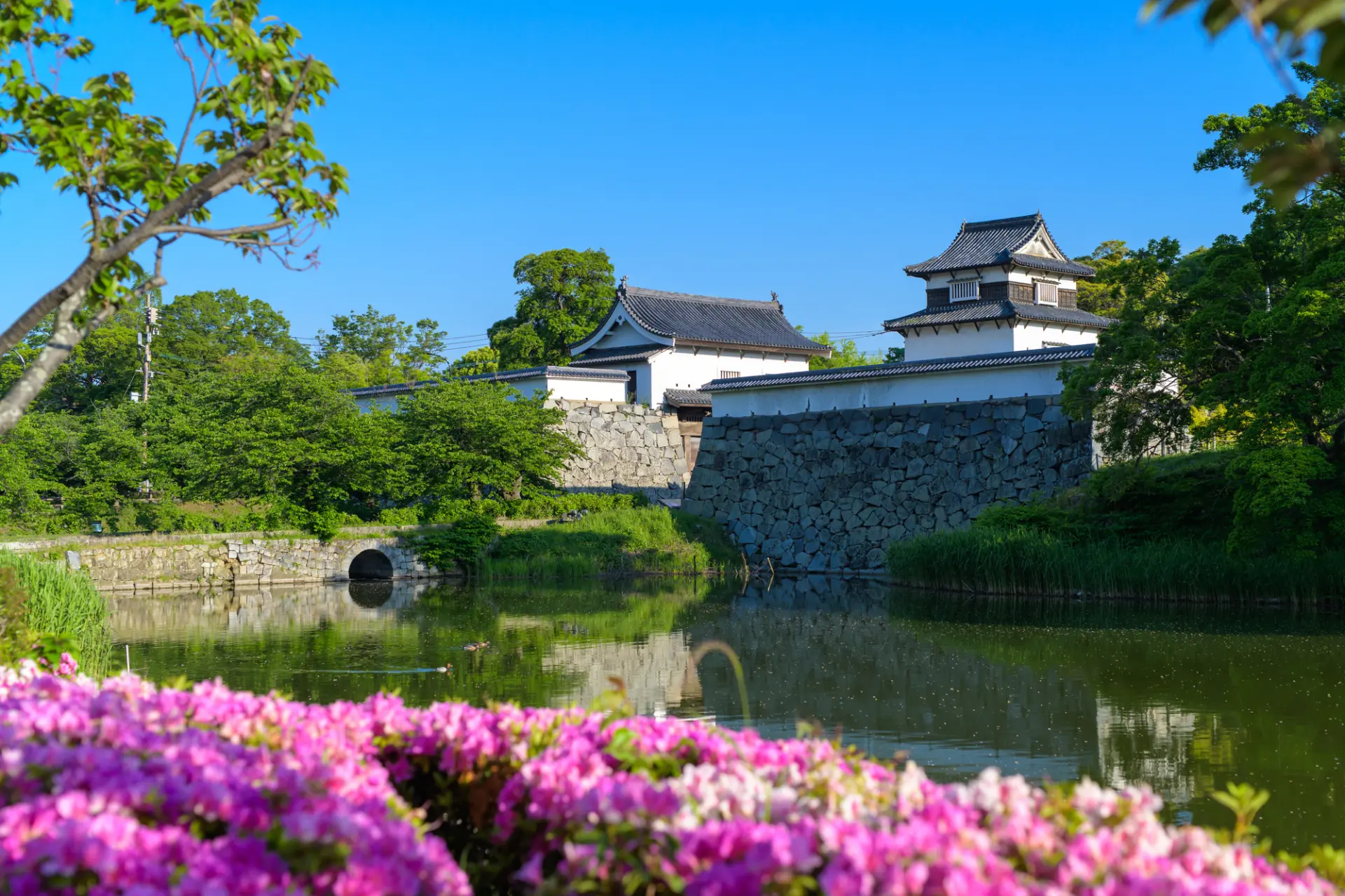
1. Fukuoka Castle Ruins (Fukuoka City)
Built over seven years starting in 1601 by the father-son pair Kuroda Yoshitaka (Kanbei) and Nagamasa, these ruins are said to be from one of the largest castles in Kyushu. Stone walls and turret remains still convey the atmosphere of the past, and in spring, cherry blossoms add beautiful color to the site, making for a peaceful walk among the greenery.
From the Honmaru to the Sannomaru area is now known as Maizuru Park, while the former outer moat has become beloved Ohori Park. Visiting both together lets you enjoy the open scenery of spring.
2. Kokura Castle (Kitakyushu City)
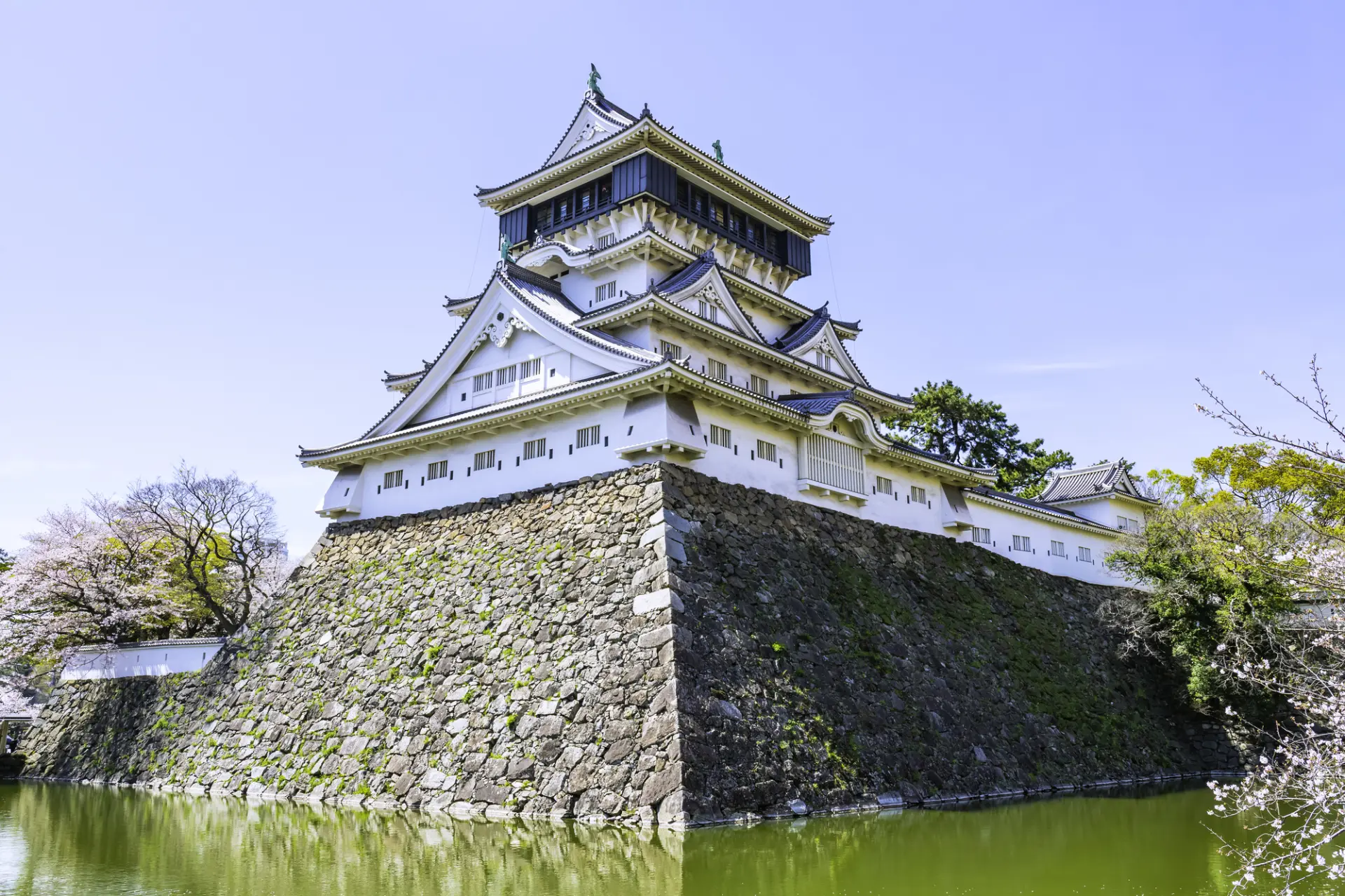
Built over seven years starting in 1602 by Hosokawa Tadaoki, who entered the region in recognition of his service in the Battle of Sekigahara.
This is the only castle in Fukuoka Prefecture with a castle tower, and the reconstructed keep now features exhibits where visitors can learn about the history of the castle town. Nearby, you’ll also find Kokura Castle Garden, designed in the style of a traditional shoin residence.
The surrounding park is a beloved place for locals to relax, and in spring, seasonal flowers add a soft touch to the scenery. It is also easy to reach on foot from Kokura Station, making it a pleasant area for a stroll.
3. Akizuki Castle Ruins (Asakura City)
Located near the center of Fukuoka Prefecture, Akizuki is a basin town at the foot of Mt. Kosho and can be reached from Fukuoka City in Approx. 1 hour. The castle town layout developed by Kuroda Nagaoki still remains, and the entire town has been designated as an Important Preservation District for Groups of Traditional Buildings.
Historic structures such as the main gate, known as Kuromon, can be found throughout the area, and the scenery becomes even more beautiful when cherry blossoms bloom in spring. Walking through the quiet streets, you can still feel echoes of the past.

4. Dazaifu Tenmangu Shrine (Dazaifu City)
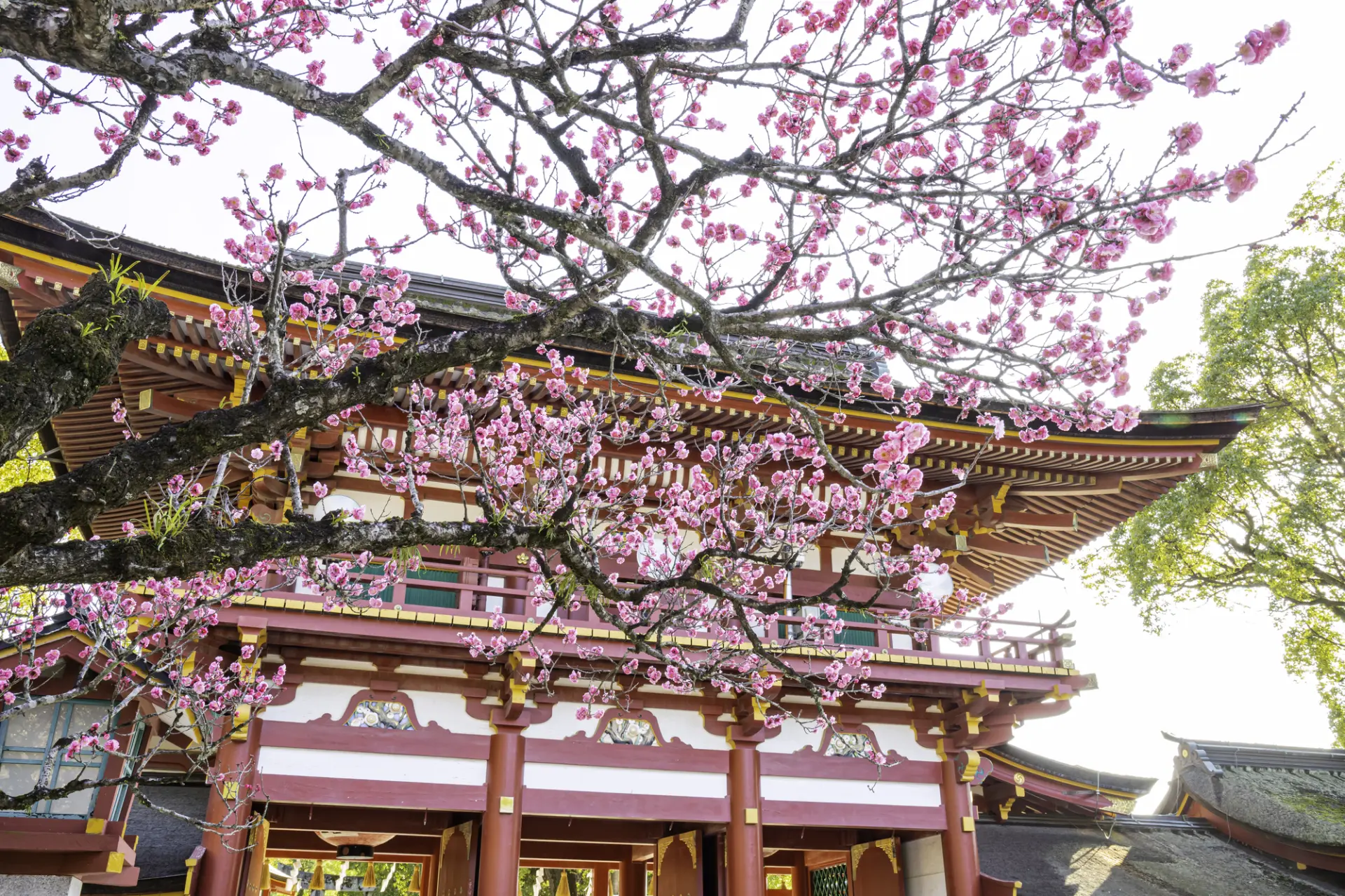
The head shrine of 10,000 Tenmangu shrines across Japan, dedicated to Tenjin-sama, Sugawara no Michizane.
The main sanctuary was built above the grave of Michizane, and for more than 1,100 years the site has been protected as a sacred place of Tenjin worship. The grounds are dotted with highlights such as the sacred ox statue, arched drum bridges, and the treasure hall, allowing visitors to feel the depth of history as they explore. Visitors can also enjoy seasonal flowers throughout the year, especially plum blossoms.
5. Yame-Fukushima Townscape (Yame City)
Once prosperous as a castle town of the Kurume Domain, this townscape has been selected as a National Important Preservation District for Groups of Traditional Buildings. Traditional structures from the Edo period to the early Showa era line the streets, making it an ideal place for a stroll in the mild spring weather.
There are also shops making use of traditional architecture, where you can enjoy food and shopping.
6. Yanagawa River Cruise (Yanagawa City)
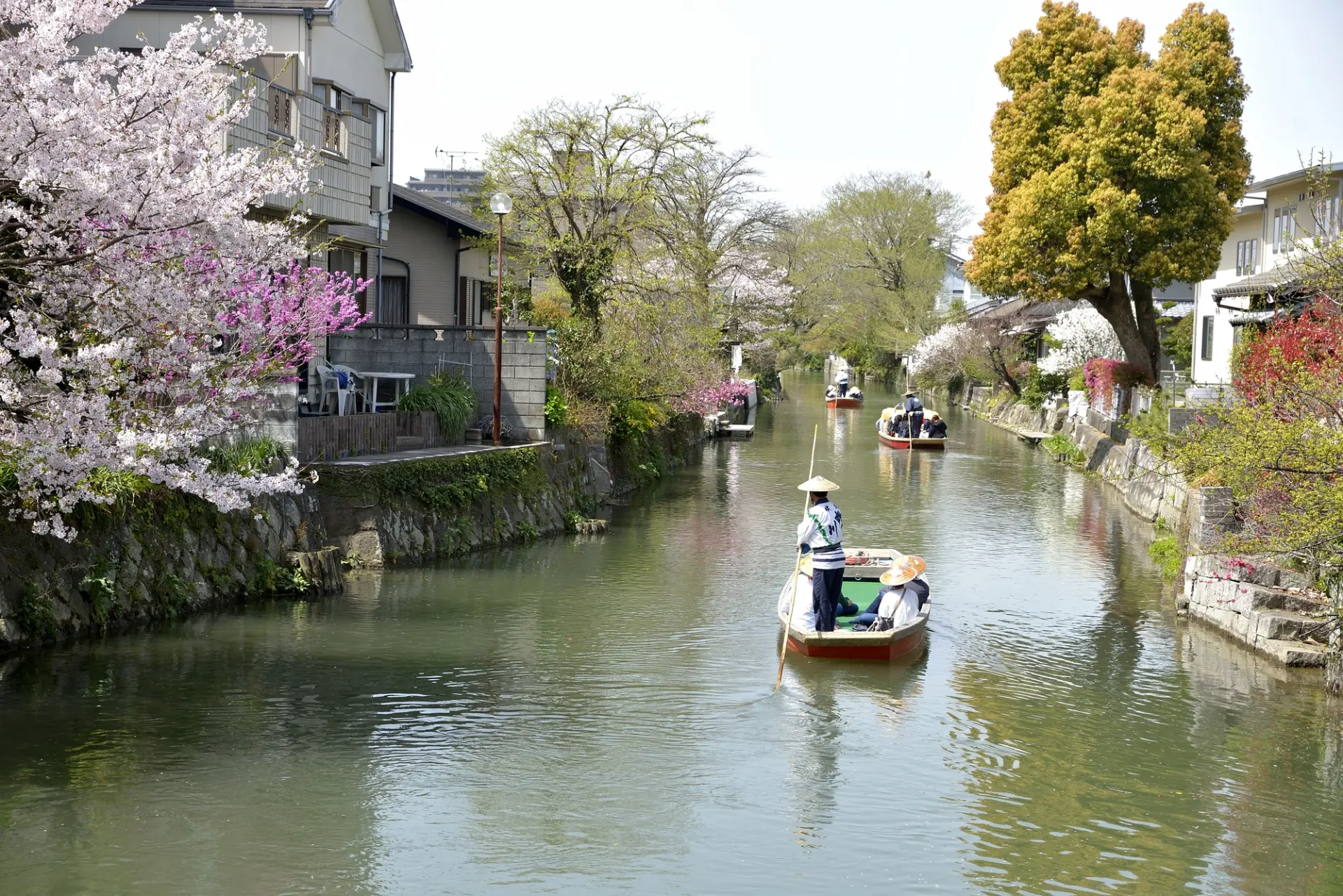
Located in southern Fukuoka Prefecture, Yanagawa is known as the “city of waterways,” with canals from the Edo period running through the city like a web. On a donko boat river cruise, you can listen to the boatman’s guide and songs while enjoying the scenery of weeping willows and flowers along the water.
As you glide through the canals in the gentle spring air, time seems to slow down amid the lingering atmosphere of the old castle town.
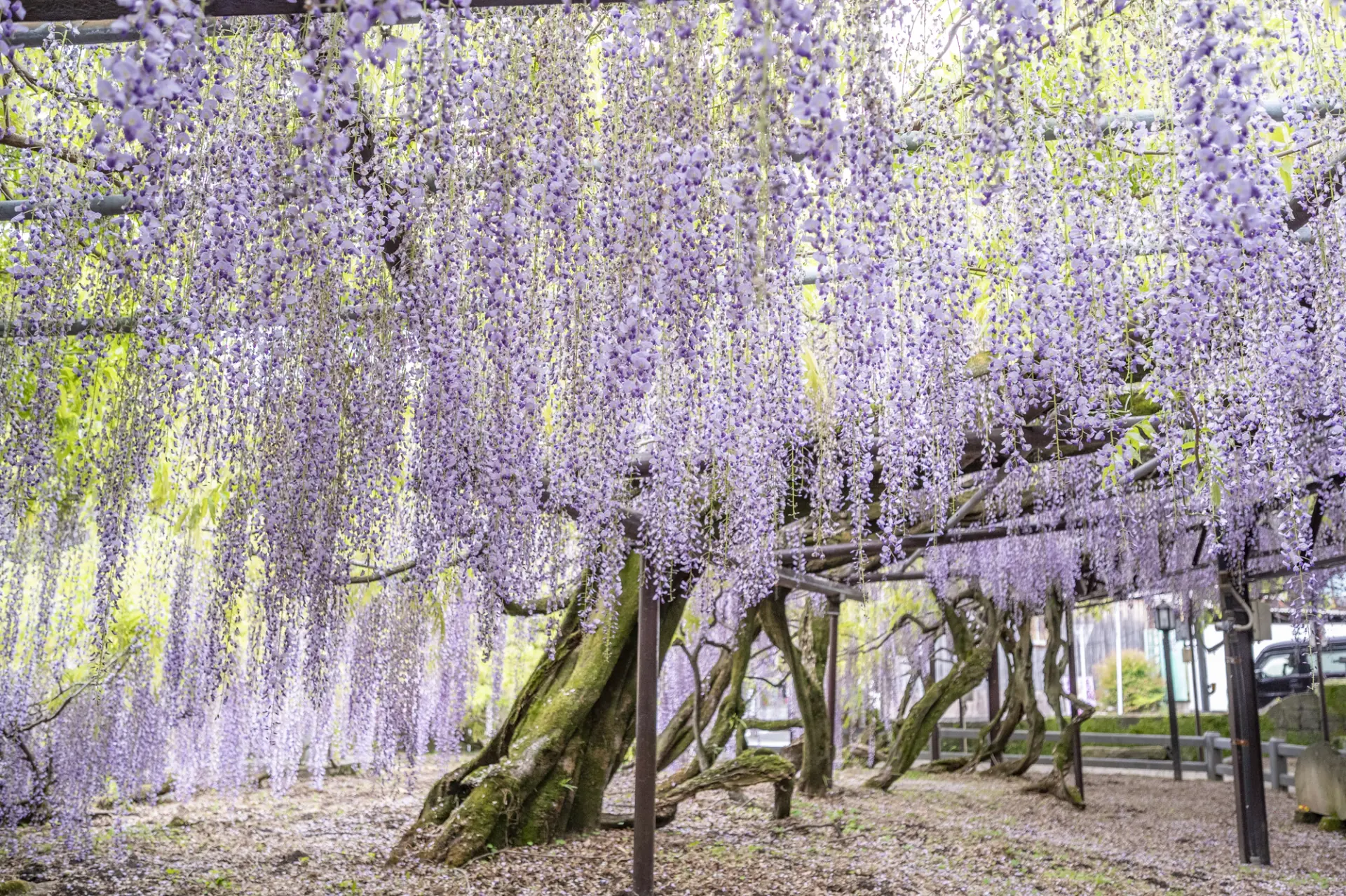
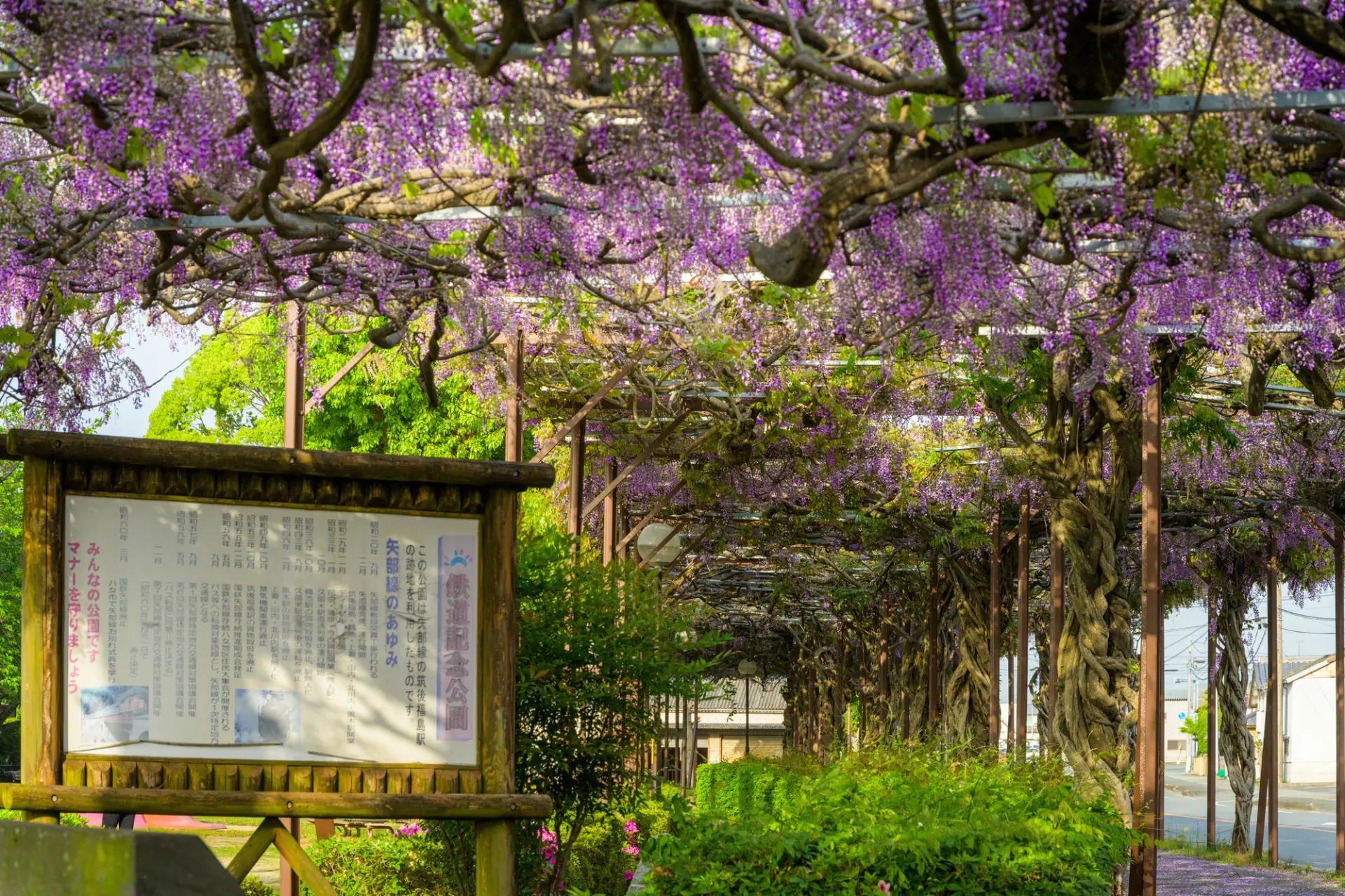
7. Kuroki no Ofuji (Yame City)
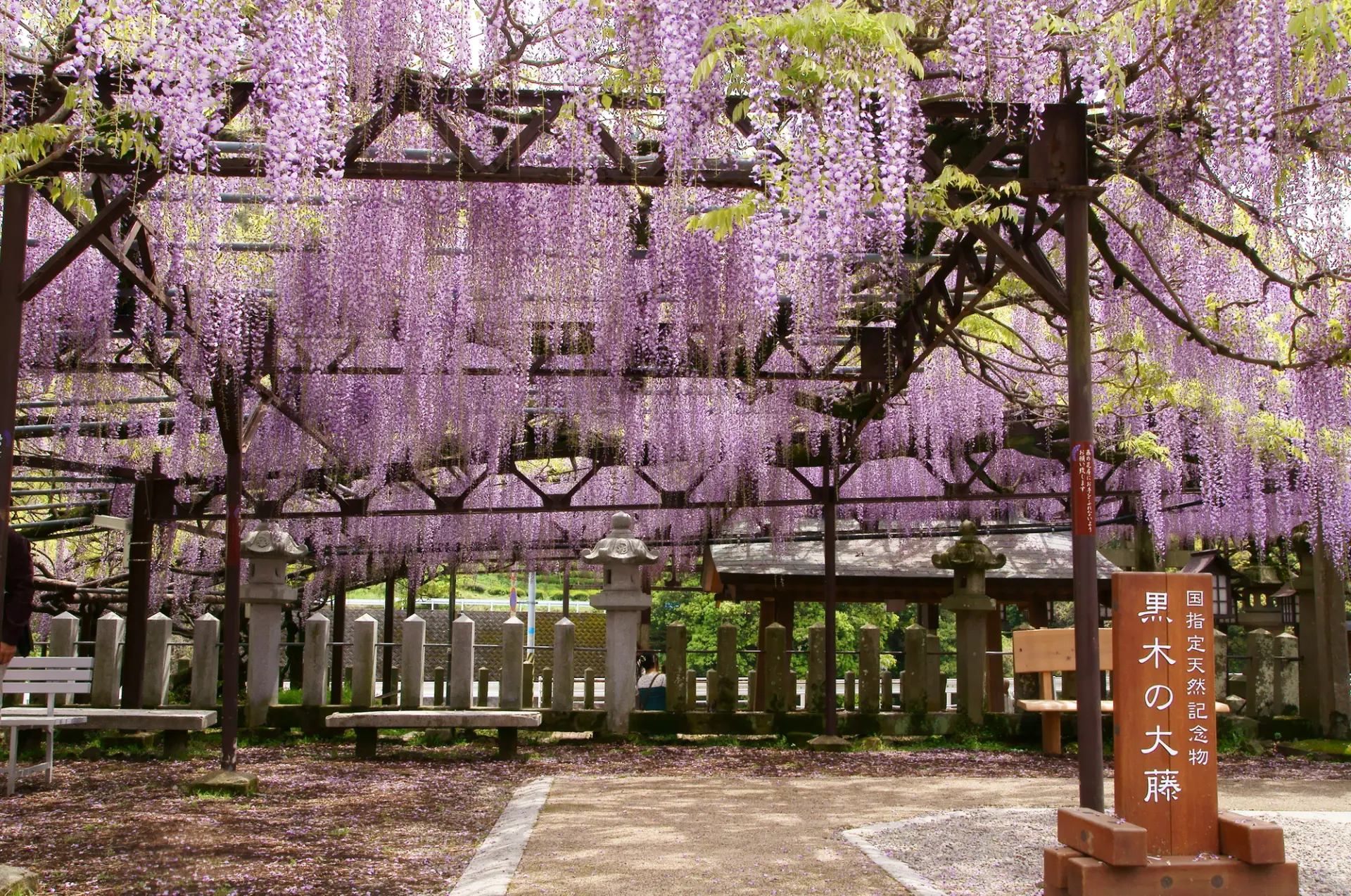
Kuroki no Ofuji, rooted within the grounds of Susanoo Shrine, is an ancient wisteria tree said to be over 600 years old, still producing magnificent blooms after centuries. The wisteria trellis spans Approx. 3,000 square meters, and during the blooming season from mid-April to late April, purple flower clusters over 1 meter long sway in the breeze, creating a scene like a cascading floral waterfall.
Its history-filled appearance and the beauty of spring come together here, creating a calm and elegant atmosphere.
Make Your Spring Trip to Fukuoka Even Better! 3 Noteworthy Events
In spring, seasonal events such as cherry blossom festivals and flower fairs are held across Fukuoka.
Historic venues and parks are wrapped in spring colors, creating a lively atmosphere. Each area has its own character, and the flowers, scenery, and smiles of local people make the trip even more enjoyable.
If you add one to your itinerary, you’re sure to enjoy spring in Fukuoka even more.
1. Nishi Park Sakura Festival (Fukuoka City)
Nishi Park is located near the center of Fukuoka City and offers natural woodland and scenic views despite being in the urban area.
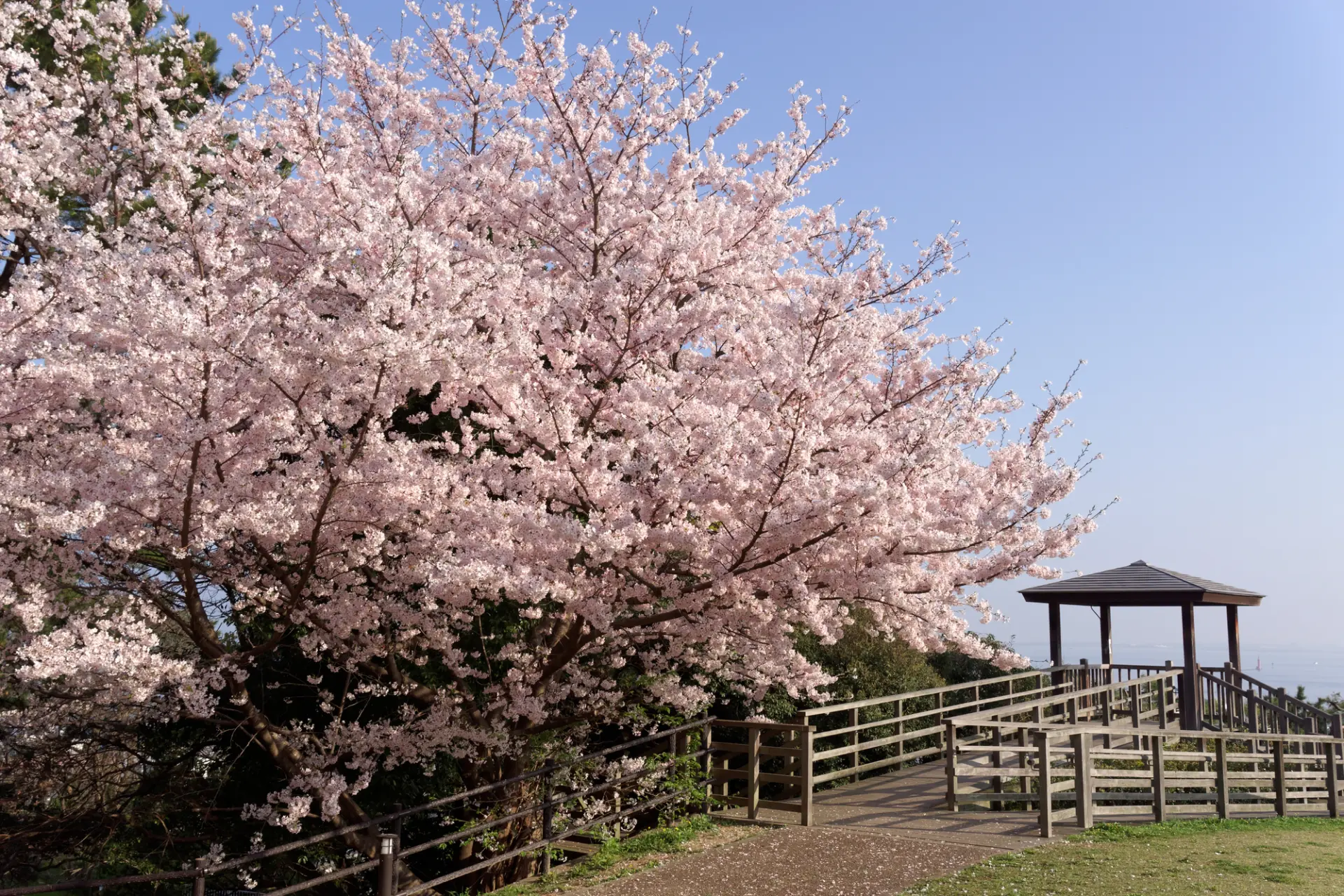
It has also been selected as one of Japan’s 100 Best Cherry Blossom Spots, and spring is especially beautiful when Approx. 1,300 cherry trees bloom in full glory. During this season, the park hosts a sakura festival where visitors can enjoy cherry blossom season together with views over Hakata Bay.
2. Soeda Park Sakura Festival (Soeda Town)
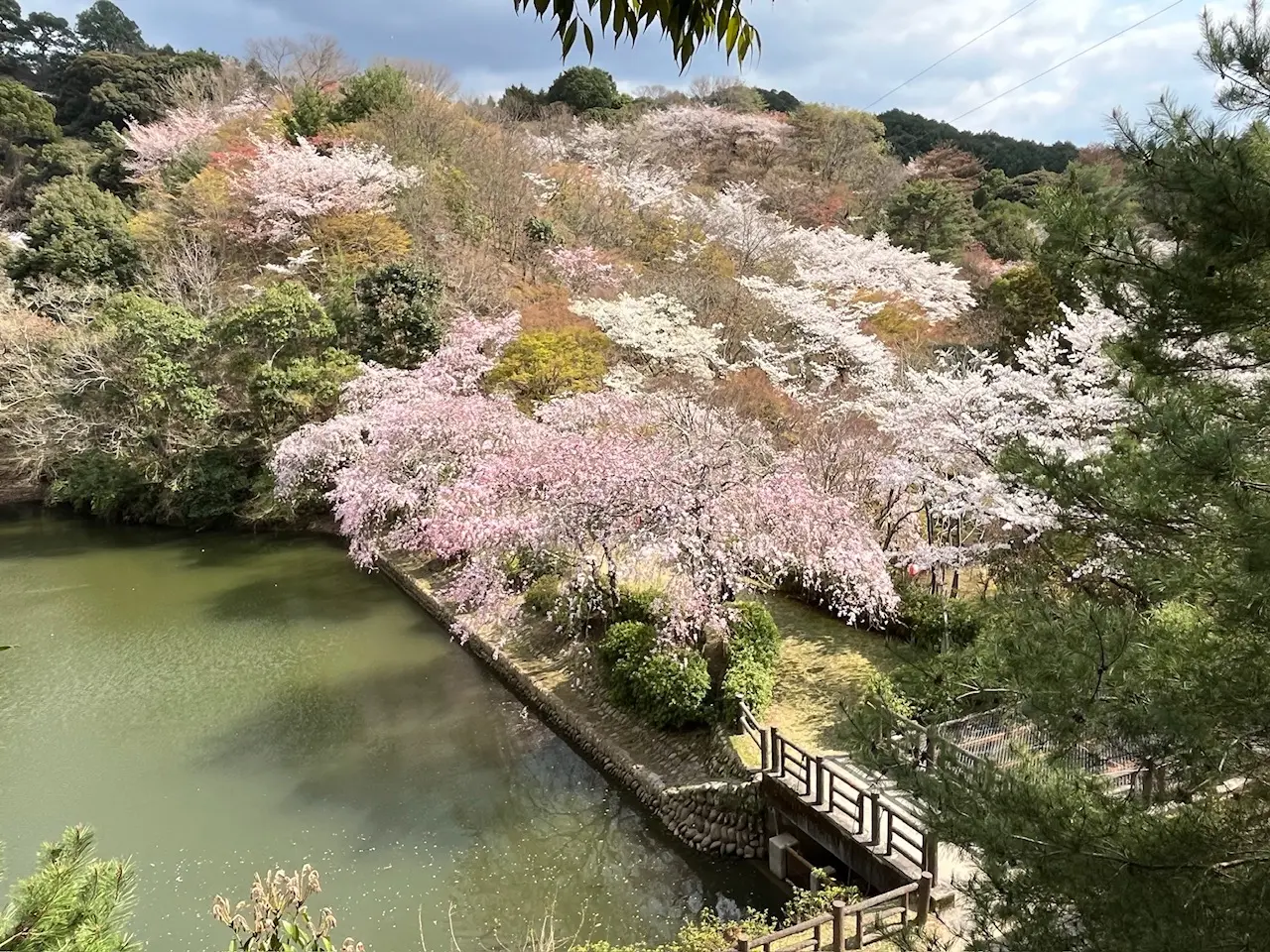
Spreading out at the foot of Mt. Ganseki, Soeda Park turns pink all over in spring. With Approx. 1,500 cherry trees in bloom, it is one of the prefecture’s leading cherry blossom spots. Walking paths extend through the park around Fudo Pond, creating a peaceful landscape.
The best time to visit is usually from late March to early April. During this season, a cherry blossom festival is also held, drawing many visitors who come to match the timing of the blooms.
3. Nogata Tulip Fair (Nogata City)
A spring tradition where Approx. 200,000 tulips bloom in full glory. Held at the Ongagawa Riverside Park (Nakanoshima) in front of Nogata City Hall, the Tulip Fair fills the riverbank with flowers planted by local volunteers.
The scenery is especially beautiful, with red, yellow, and pink tulips joined by rapeseed flowers and cherry blossoms, making it a relaxing place to enjoy a spring walk or picnic.

5 Gourmet Spots in Fukuoka to Stop By During a Spring Stroll
Here are some local gourmet favorites from around Fukuoka to enjoy between walks through historic towns and visits to famous sights.
From motsunabe hot pot and Nagahama ramen to steamed eel over rice, regional flavors passed down through generations add color to the trip. From long-established favorites to sweet treats, the food you discover while walking around springtime Fukuoka is sure to make your journey even richer.
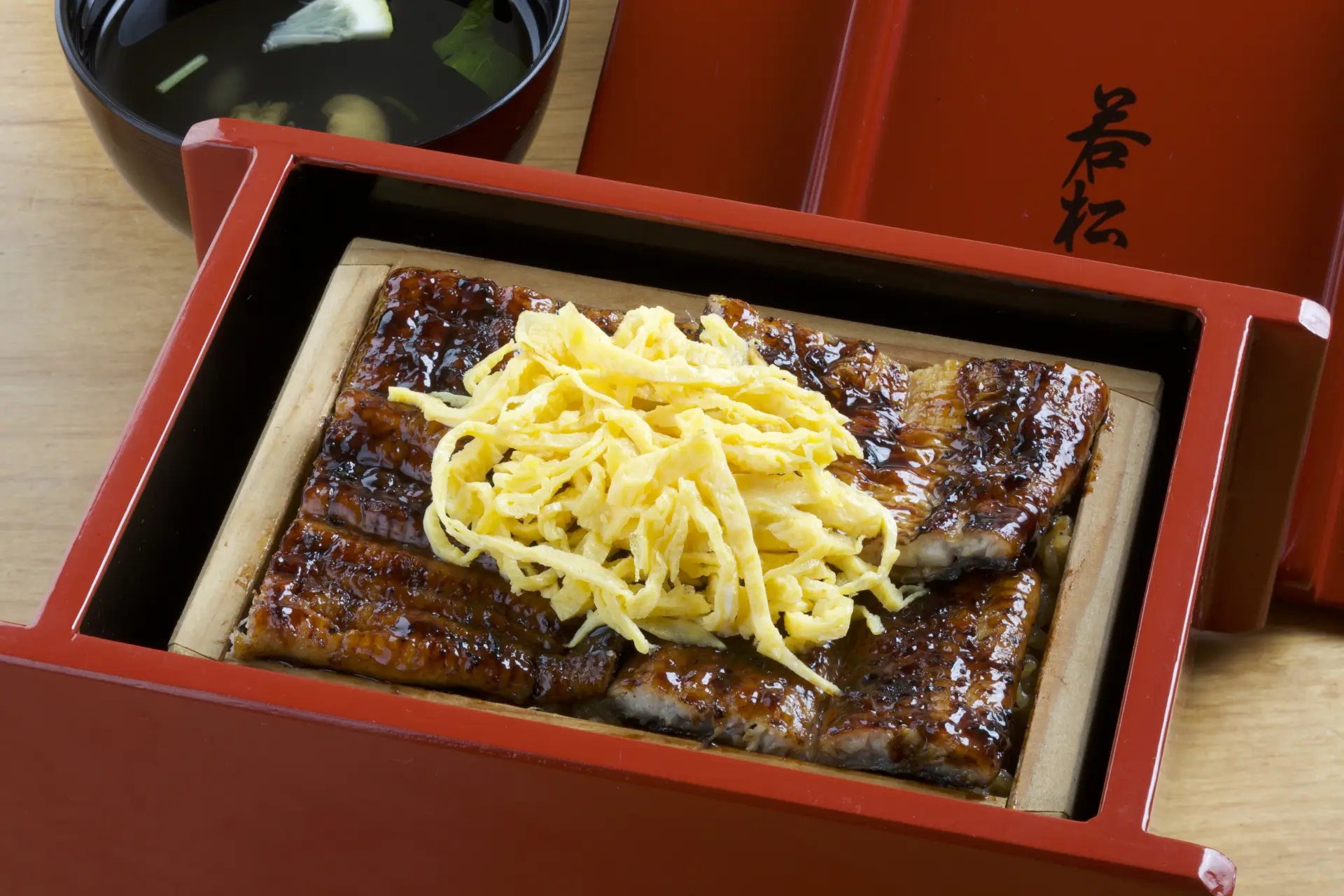
1. Unagi Ryori Wakamatsuya (Yanagawa City)
A long-established eel restaurant founded in the late Edo period. Standing along the atmospheric Okinohata area in Yanagawa, the city of waterways, it has preserved its signature flavors for nearly 160 years.
Its specialty, Yanagawa’s famous “steamed eel over rice,” pairs sauce-soaked rice with tender eel for a dish you can enjoy at a relaxed pace during your trip.
It is also close to the river cruise boarding area, making it easy to stop by while exploring Yanagawa.
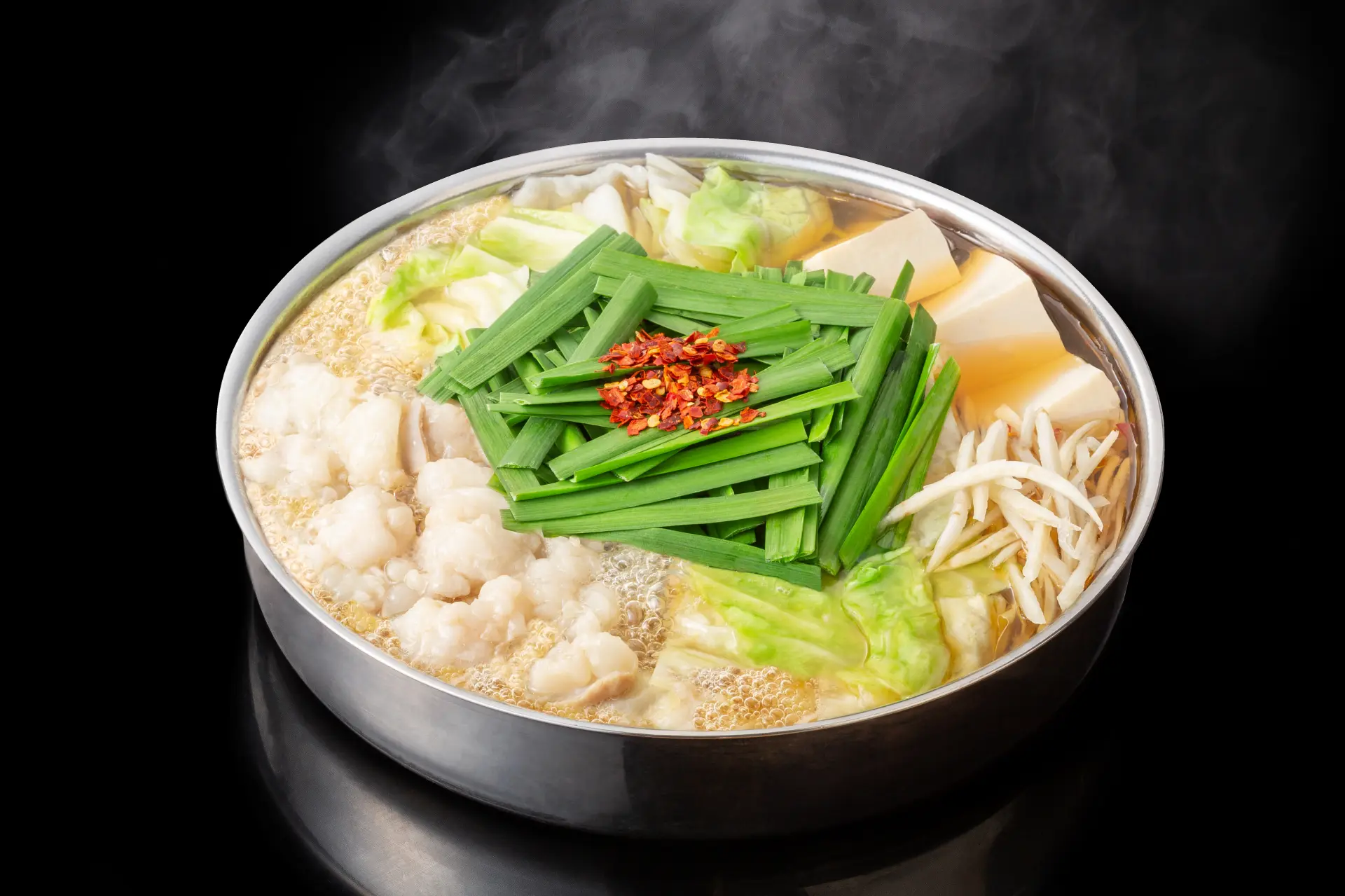
2. Motsunabe Tashu Fukuoka Daimyo Main Store (Fukuoka City)
A specialty motsunabe restaurant tucked away in a back alley of Daimyo, just west of Tenjin, Kyushu’s largest downtown district. It is well known for its motsunabe made with only domestic beef small intestines and for Hakata specialty dishes. You can choose from four soup flavors, including miso and soy sauce, to suit your taste.
It is also easy to reach from Fukuoka Castle Ruins, making it a convenient stop during a spring walk around the city.
3. Ganso Nagahamaya (Fukuoka City)
Nagahama ramen originated in Nagahama, an area facing Hakata Fishing Port. Its signature extra-thin noodles cook quickly, a style developed to serve workers at the fish market as fast as possible.
At Ganso Nagahamaya, which began as a food stall in 1952, the light flavor of its tonkotsu ramen has been preserved to this day without feeling too heavy. The shop is located in the city, making it easy to stop by during a walk.

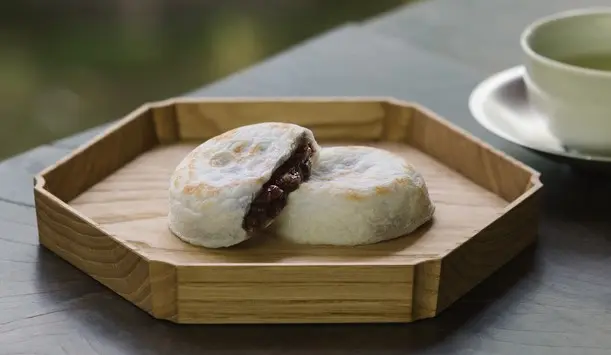
4. Umegae Mochi Yasutake Main Store (Dazaifu City)
A Japanese sweets shop located along the approach to Dazaifu Tenmangu Shrine in Dazaifu City, Fukuoka Prefecture. Its specialty, umegae mochi, is grilled one by one at the storefront and served fresh. Soft and chewy inside with a fragrant outer layer, it is filled with sweet red bean paste that has a balanced sweetness and an appealing flavor you won’t tire of.
It is an easy stop during a walk along the approach, and being able to enjoy it freshly made on the spot is part of the charm. It is a great place to visit together with spring sightseeing in Dazaifu.
5. Okonomiyaki Ishin (Kitakyushu City)
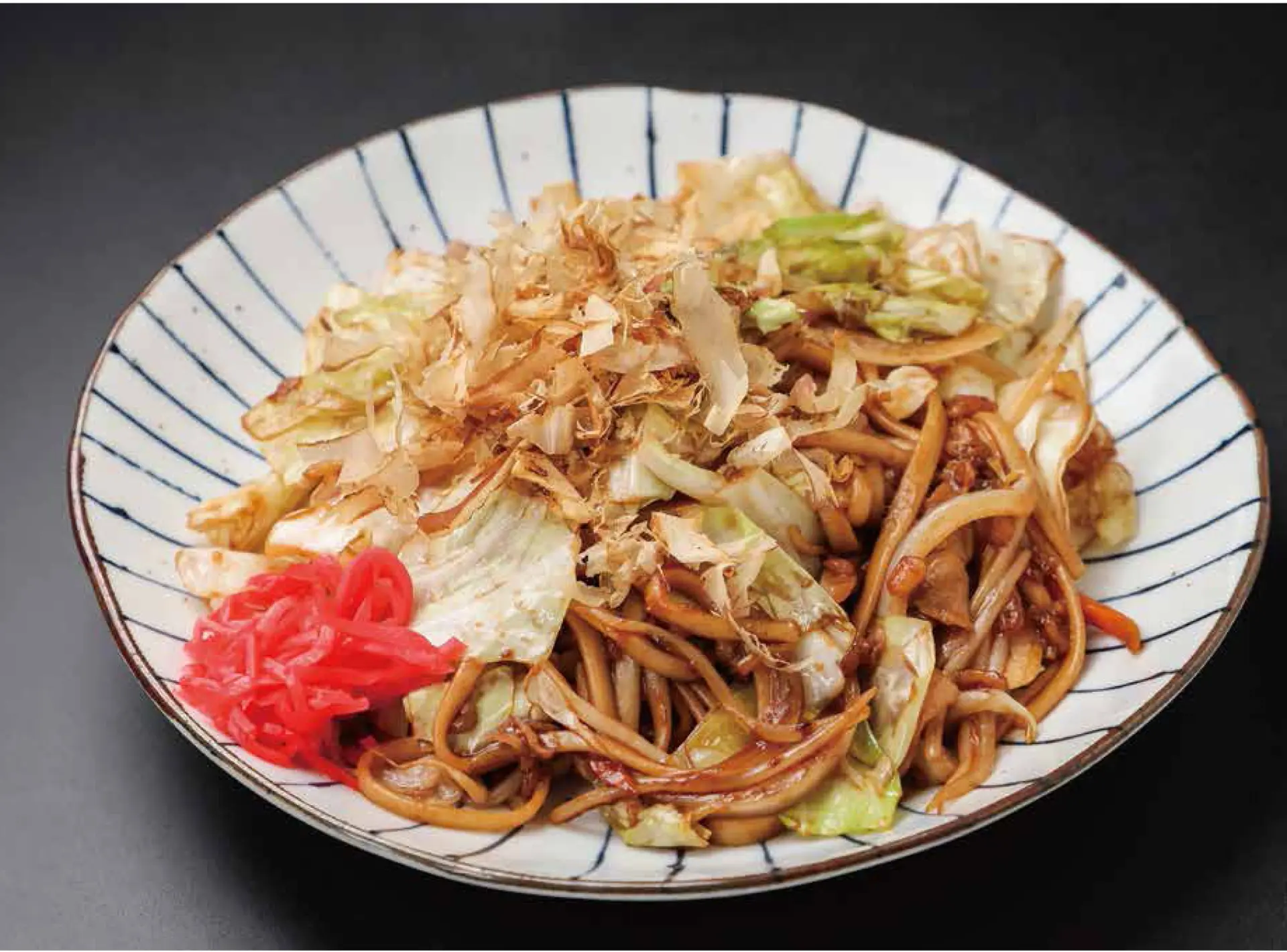
An okonomiyaki restaurant in Kokurakita Ward, Kitakyushu City, Fukuoka Prefecture, operating since 1990.
Its thick-grilled batter is crisp on the outside and moist inside, with a pleasantly chewy texture created by adding local sake and letting it rest overnight. Another local favorite not to miss is Kokura’s specialty, yaki udon.
It is an easy place to stop by while sightseeing in Kokura.

3 Convenient Hotels for Enjoying a Spring Trip to Fukuoka
If you want to enjoy spring sightseeing and visits to cherry blossom spots, good access is also an important part of a comfortable trip.
Staying in convenient locations such as central Fukuoka City, around Hakata Station, or the Kokura area gives you an even better base for spring travel, whether for sightseeing or business.
1. Candeo Hotels Fukuoka Tenjin (Fukuoka City)
This hotel is built around the concept of a “four-star hotel” that combines quality with ease of use. Although it is located in Tenjin, it offers a calm and comfortable stay.
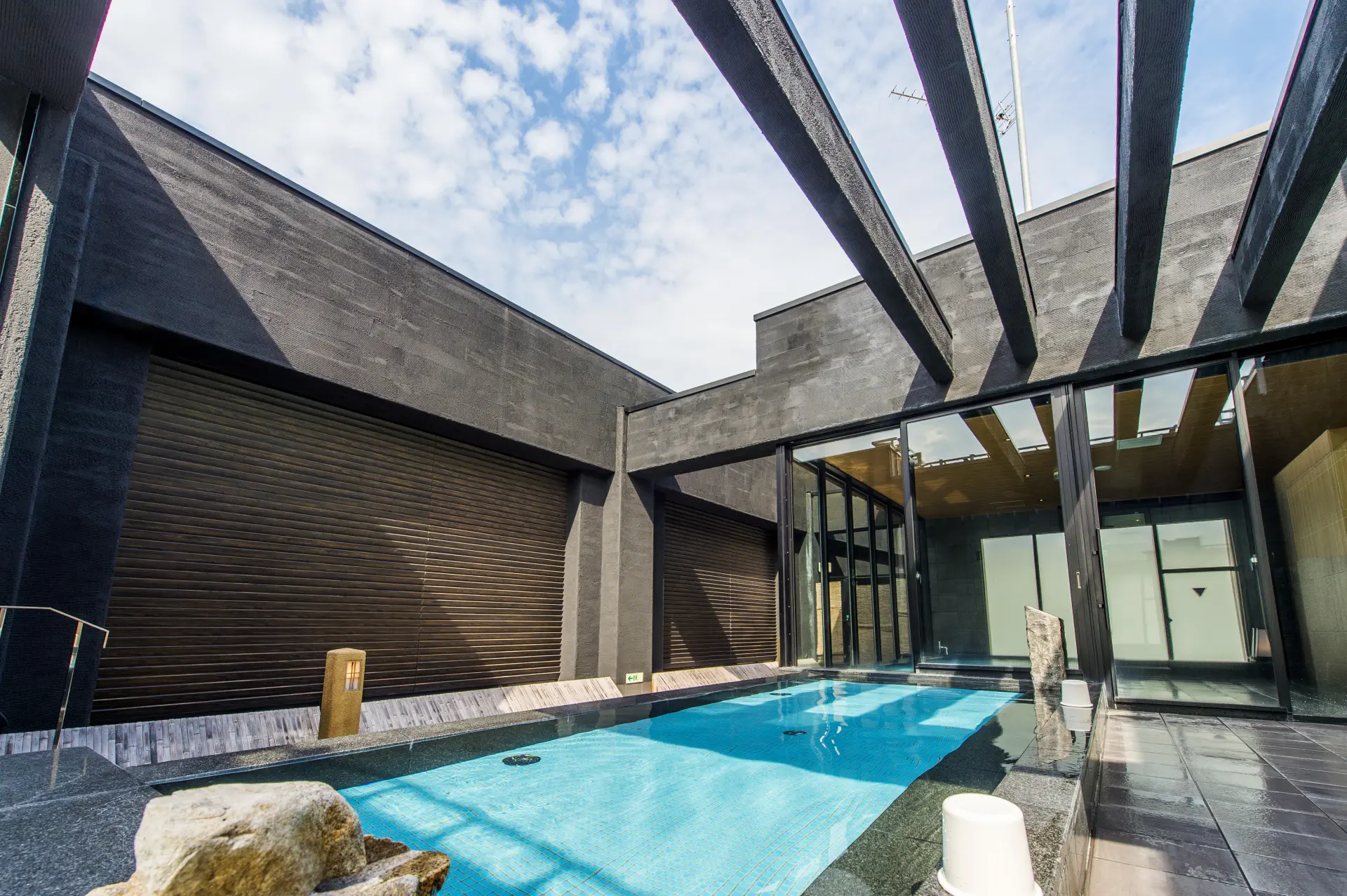
The highlight of the hotel is the “Sky Spa” on the top floor. You can refresh yourself in the open-air bath or sauna, letting the fatigue of travel melt away. The guest rooms feature a modern Japanese design and Simmons beds, creating a relaxing space for a restful stay.
2. Tenza Hotel Hakata Station (Fukuoka City)
A designer hotel known for its striking glass exterior. The bright guest rooms filled with natural light come in a variety of types, from rooms for one or two guests to family-friendly options. Breakfast is served buffet-style, and one of the highlights is enjoying vegetable-based meat dishes and vegetables from Itoshima.
Its excellent location near JR Hakata Station means there are plenty of places nearby to enjoy Hakata gourmet cuisine. It is an ideal base for your trip.

3. Rihga Royal Hotel Kokura (Kitakyushu City)
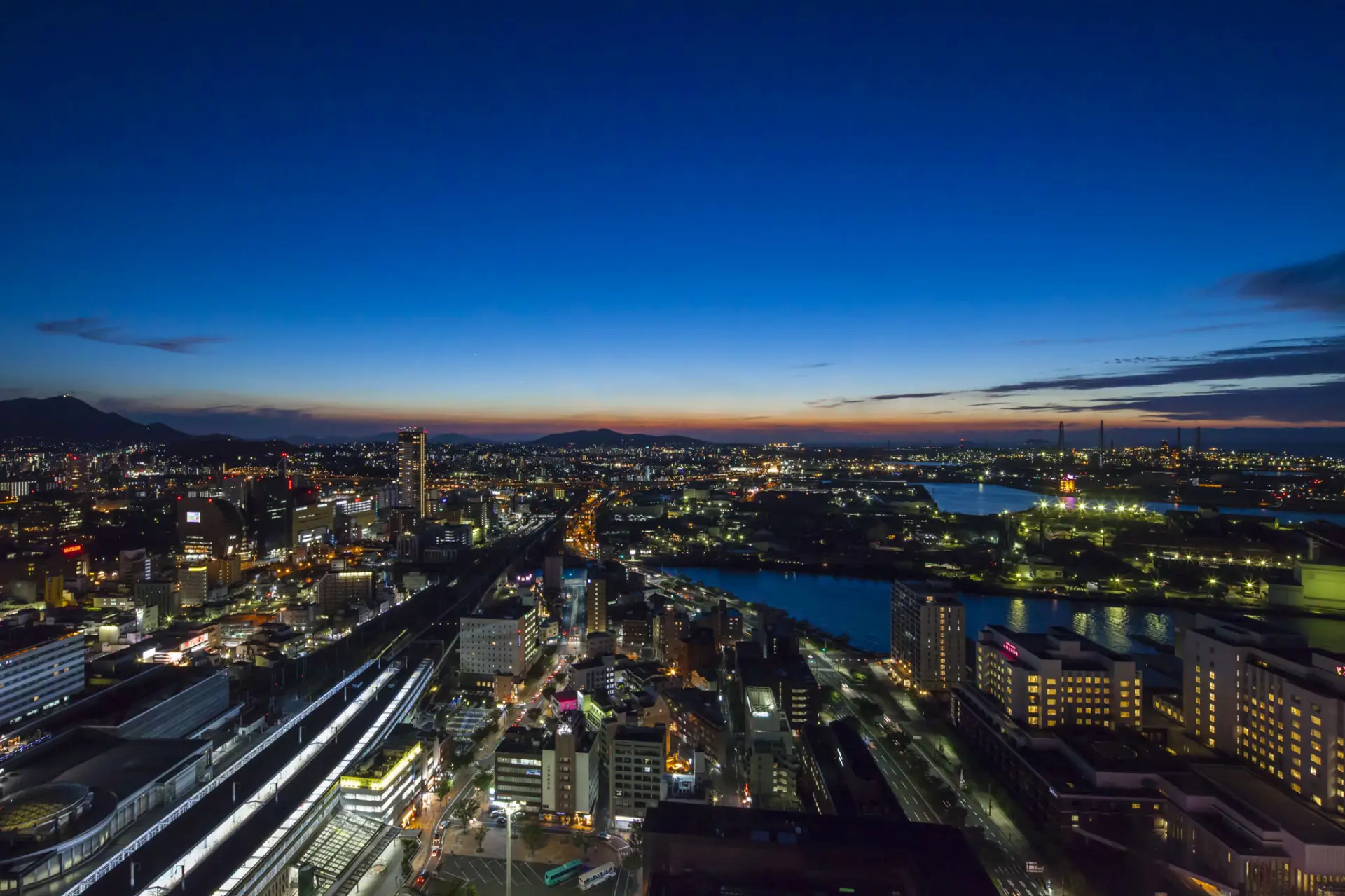
Directly connected to the Shinkansen side of JR Kokura Station by an elevated walkway, Rihga Royal Hotel Kokura offers easy access without worrying about the weather. With the views and facilities expected of a high-rise hotel, it is a popular base for sightseeing in Kitakyushu and Fukuoka.
All guest rooms are at least 30 square meters and located on the 14th floor or above, where you can relax while enjoying open views of the Kanmon Strait or the city.

A Recommended Spring Fukuoka Model Course for Exploring Famous Castles and History
A 2-day, 1-night trip to enjoy spring in Fukuoka while exploring famous castles and historic townscapes. Walk through castle ruins and shrines, then relax in the atmospheric scenery of Dazaifu and Yanagawa...
Here is a plan for experiencing the history and culture unique to Fukuoka in the gentle air of spring.
- Day 1
- JR Hakata Station → Enjoy the spring scenery at “Fukuoka Castle Ruins” → Lunch around Ohori Park → Cherry blossom viewing at “Ohori Park” → Stroll around the Nakasu-Kawabata area → Dinner at “Motsunabe Tashu Fukuoka Daimyo Main Store” → Stay overnight at “Candeo Hotels Fukuoka Tenjin”
- Day 2
- Nishitetsu Fukuoka (Tenjin) Station → Nishitetsu Dazaifu Station → Visit “Dazaifu Tenmangu Shrine” → Enjoy Umegae mochi at “Umegae Mochi Yasutake Main Store” → Visit “Homangu Kamado Shrine” → Nishitetsu Dazaifu Station → Nishitetsu Yanagawa Station → Lunch at “Unagi Ryori Wakamatsuya” → Enjoy an atmospheric walk on the water with the “Yanagawa River Cruise”
Average Spring Temperatures in Fukuoka
In March, the average temperature is around 50°F, and mornings and evenings are often still chilly. In April, it rises to around 59°F, bringing mild spring weather. By May, it reaches nearly 68°F, and daytime temperatures can feel warm enough to break a sweat, making outdoor sightseeing even more pleasant.
| Month | March | April | May |
|---|---|---|---|
| Temperature | 10.8°C | 15.4°C | 19.9°C |
Source: Japan Meteorological Agency
What to Wear for a Comfortable Spring Trip in Fukuoka
Spring in Fukuoka is relatively mild, but because temperatures can vary from day to day, choosing the right clothes takes a little planning.
In March, it’s a good idea to layer a light coat or jacket over a thin knit top or long-sleeved shirt. From April onward, cardigans and light outer layers are useful for the warmer daytime weather, and bringing one extra layer will help you stay comfortable when viewing cherry blossoms at night or walking by the sea.
FAQ about Spring Sightseeing in Fukuoka
Q
When is the best time to see cherry blossoms in Fukuoka?
A
The usual best viewing period is from late March to early April. In the city, places such as Fukuoka Castle Ruins and Nishi Park usually peak around the end of March. In inland areas such as Dazaifu and Asakura, the peak may come a few days to Approx. 1 week later.
Q
Is it still cold in the mornings and evenings, even in spring?
A
March still has many chilly days, and temperatures can drop under 10°C in the mornings and evenings. In April and May, the temperature difference between day and night can be large, so it’s best to wear layers you can adjust with, such as a light jacket or scarf.
Summary
With famous castles, historic townscapes, and beautiful flower spots, spring in Fukuoka is full of things to see.
As you visit castle ruins and shrines, the seasonal scenery and everyday local life reveal both the depth of history and a sense of warmth. Let the spring breeze guide you out for a walk through the atmospheric streets of Fukuoka.