
![[1 Night, 2 Days in Toyama] Discover Ever-Changing Waterscapes and a Town of Handcrafted Traditions](https://static.gltjp.com/glt/data/article/22000/21303/20260224_044855_ef119b94_w1920.webp)
[1 Night, 2 Days in Toyama] Discover Ever-Changing Waterscapes and a Town of Handcrafted Traditions
Nestled between the majestic Northern Alps and the Sea of Japan, Toyama Prefecture offers scenery shaped by mountains, rivers, and the sea, all close at hand.
It is a popular destination for travelers drawn to grand nature, including the Tateyama Kurobe Alpine Route, famous for mountain sightseeing, and the Kurobe Gorge, loved for its scenic beauty.
At the same time, the prefecture also offers plenty of charm for strolling, with waterfront spaces around Toyama Station and townscapes where artisan culture still thrives. In this model course, you will start from Toyama Station, head to Himi while following a canal-side park and the coastline overlooking Toyama Bay, and on the next day walk through Takaoka, a town known for metal casting.
Here is a 1-night, 2-day journey linking waterside scenery and handcrafted culture by train and on foot.
Day 1 | A Day Exploring Waterside Scenery, with Spectacular Views of the Canal and Sea
The journey begins at JR Toyama Station.
Walk through the relaxed city of Toyama and head to a park developed along the canal.
Morning Coffee Time at “Starbucks Coffee Fugan Unkansui Park Store”
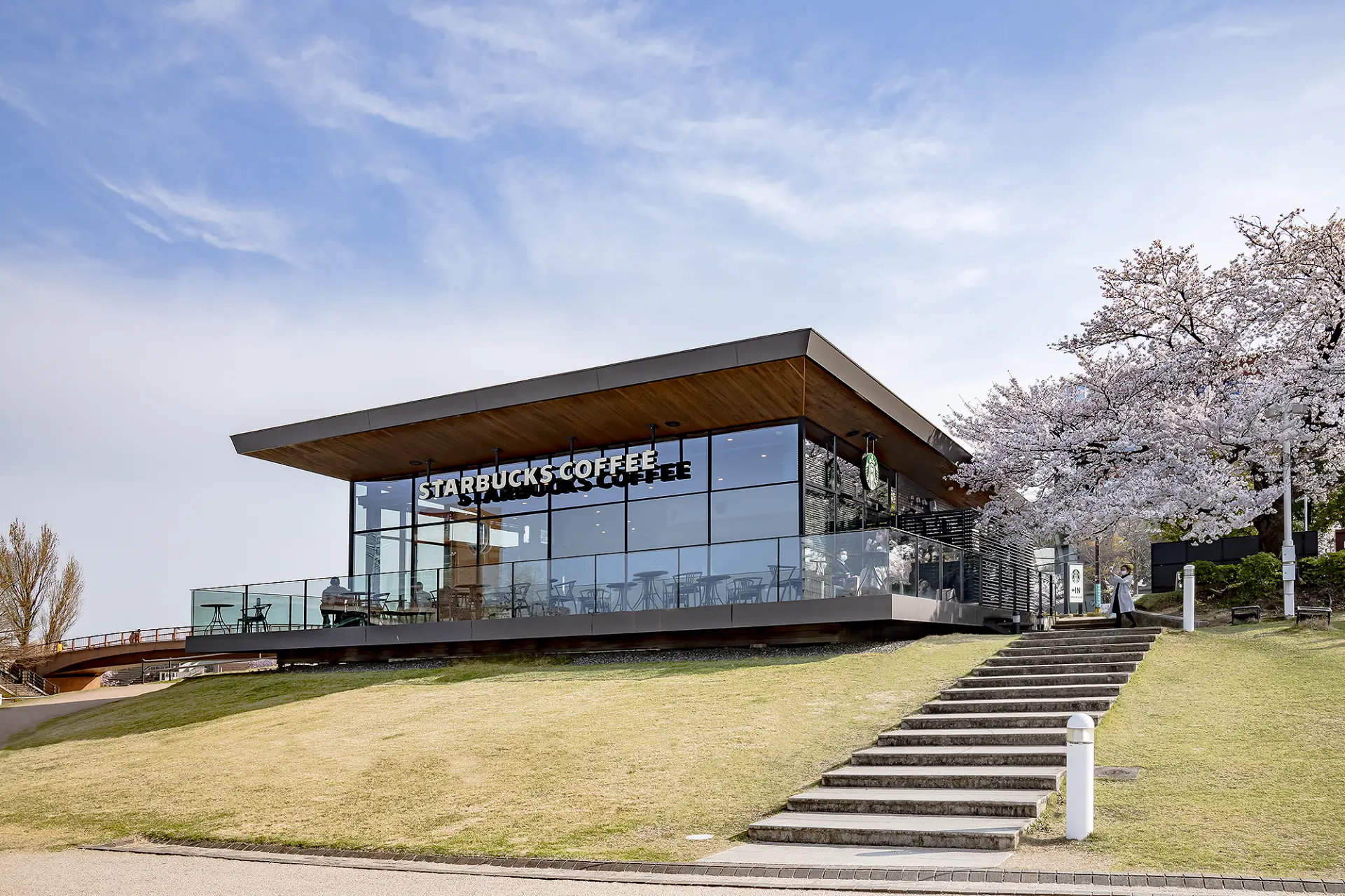
The first stop on this trip is “Starbucks Coffee Fugan Unkansui Park Store,” located inside Fugan Canal Kansui Park. Its biggest draw is the superb setting, and it is often described as “the world’s most beautiful Starbucks.”
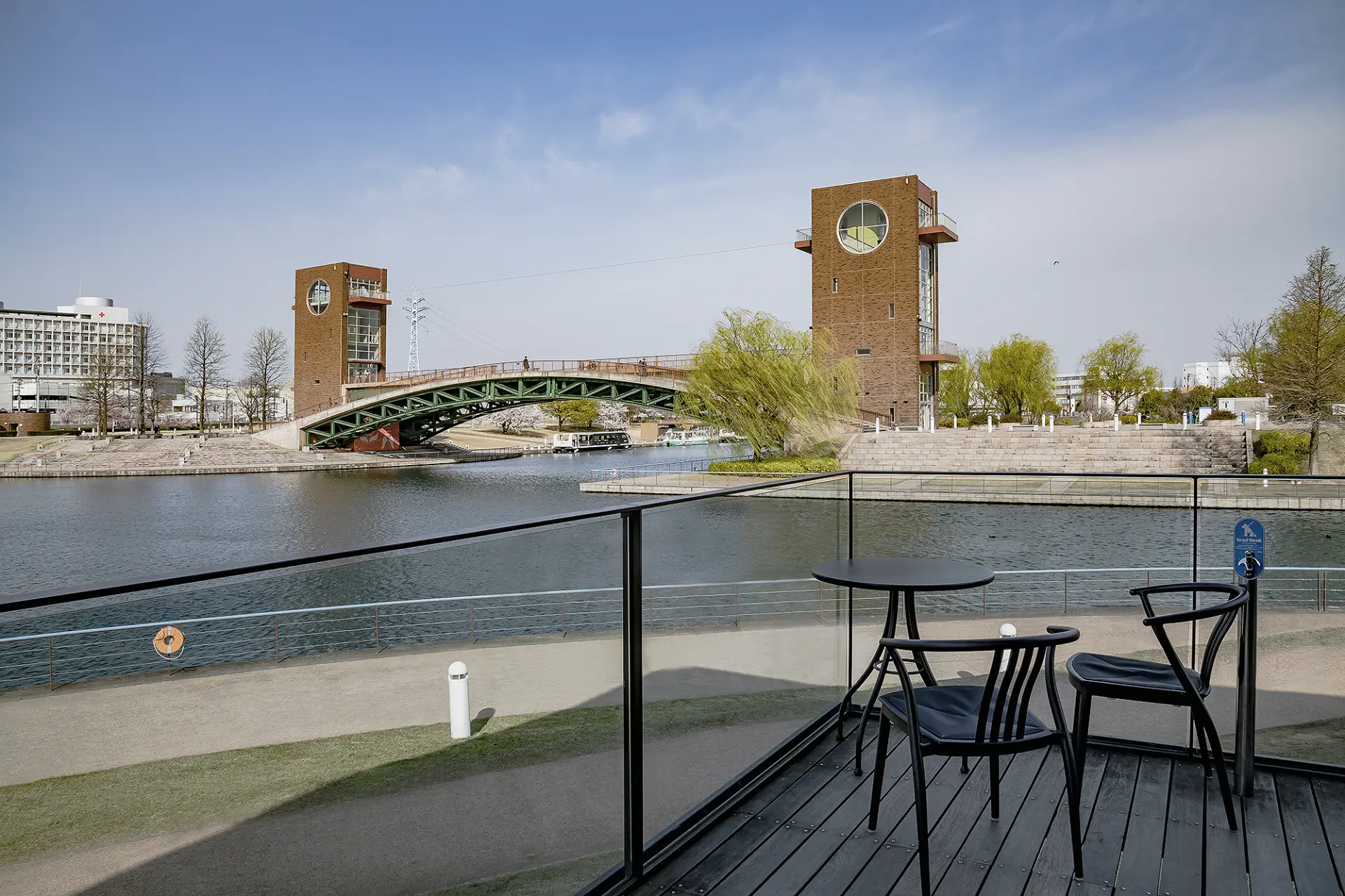
The glass-walled building blends naturally into the park landscape. Inside, the bright and comfortable space makes use of natural wood, while the terrace seating offers a strong sense of connection with the canal, with a variety of seating styles available. If you sit by the window, you will have a view of Tenmon Bridge, the symbol of the park, and the open waterside scenery spread out before you.
Morning coffee enjoyed at an unhurried pace feels especially satisfying. Surrounded by beautiful scenery, you can ease quietly into the day ahead.
Take a Walk Through “Fugan Canal Kansui Park,” Surrounded by Water and Nature
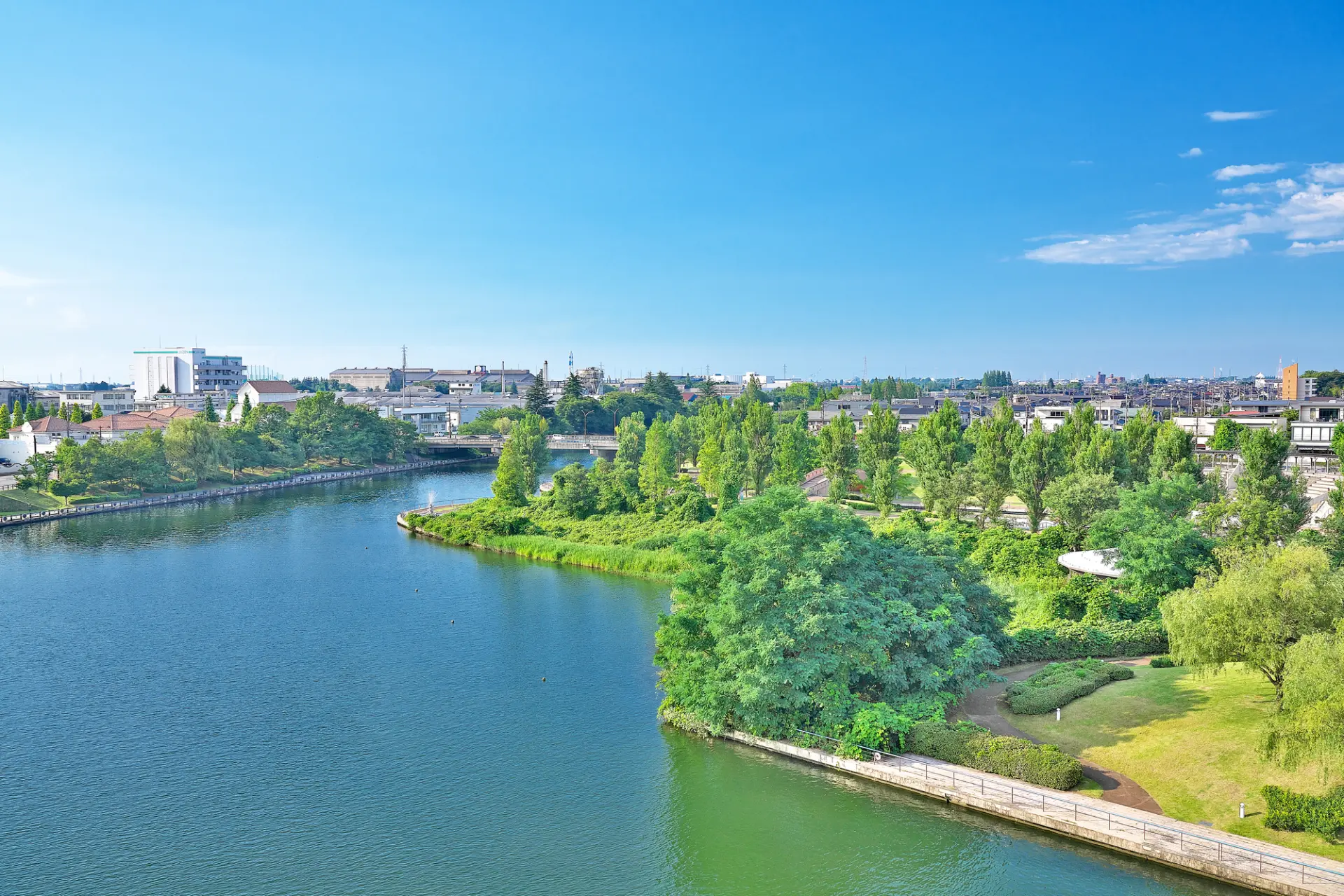
After coffee at Starbucks, continue on with a stroll through “Fugan Canal Kansui Park.” It is an urban park developed around a waterside area that makes use of the basin once located at the southern end of the Fugan Canal.
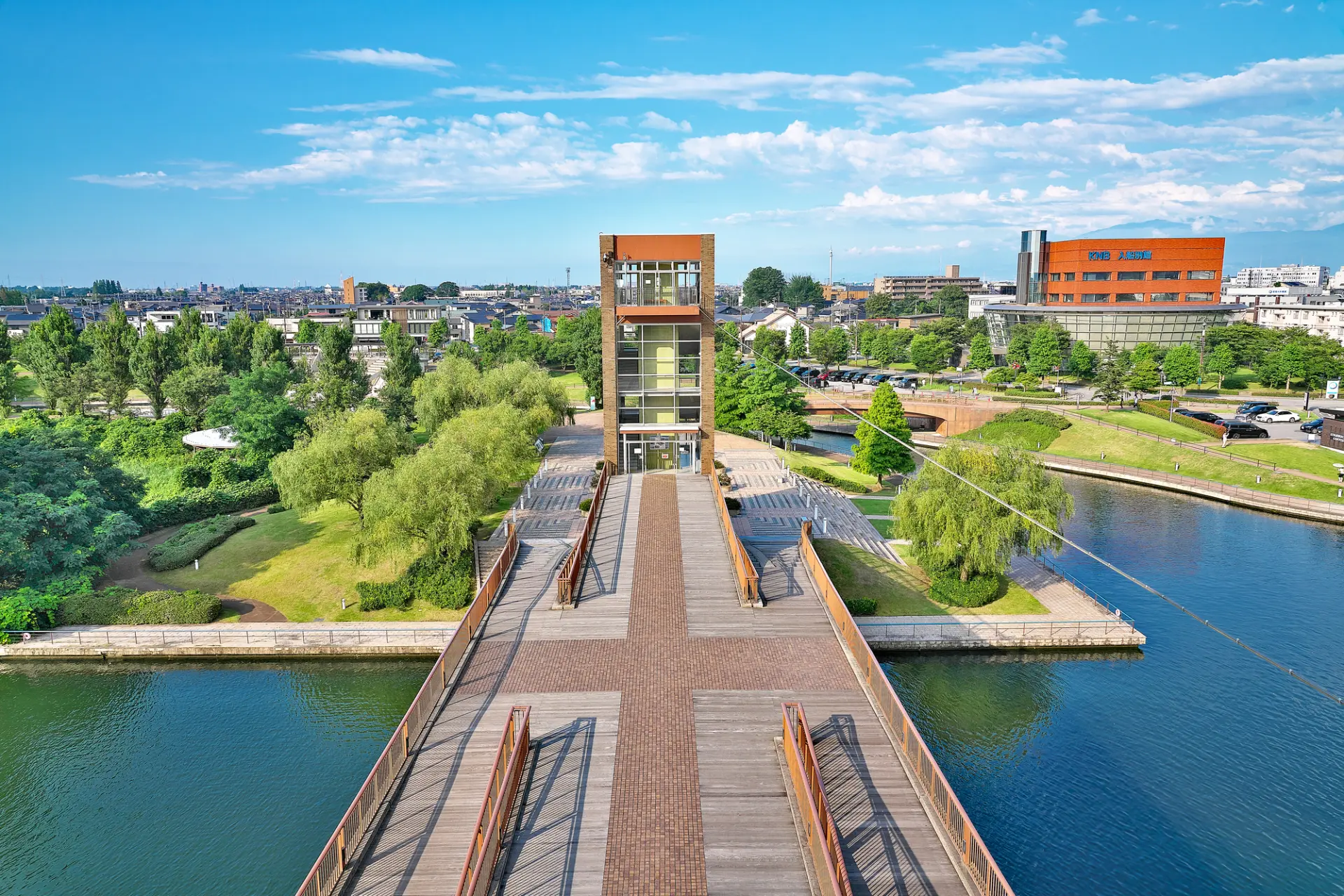
Covering 9.8 hectares, the park features promenades and grassy slopes along the canal, offering an open and spacious feel despite being in the city. Scattered throughout are spots where you can feel the presence of flowing water, including Tenmon Bridge, which has observation towers at both ends. As you take a leisurely walk along the canal, you can experience Toyama’s cityscape, where water and greenery are always nearby.
Lunch at “Shiroebitei”! Savor Toyama’s Seafood Delights
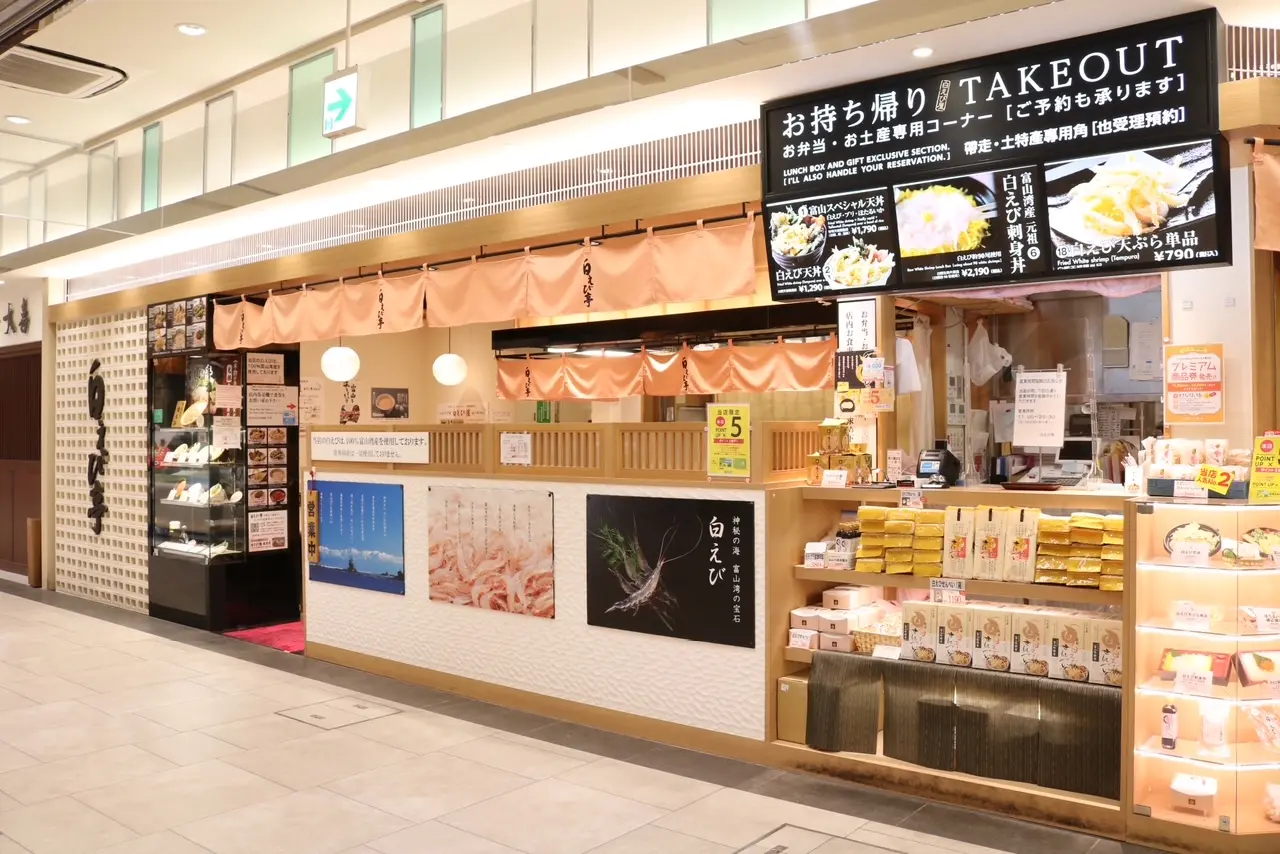
After relaxing in the waterside scenery at Fugan Canal Kansui Park, head back toward JR Toyama Station while strolling through the city. It is time for a much-anticipated lunch at “Shiroebitei,” located inside “Kitokito Ichiba Toya Marche” in the station.
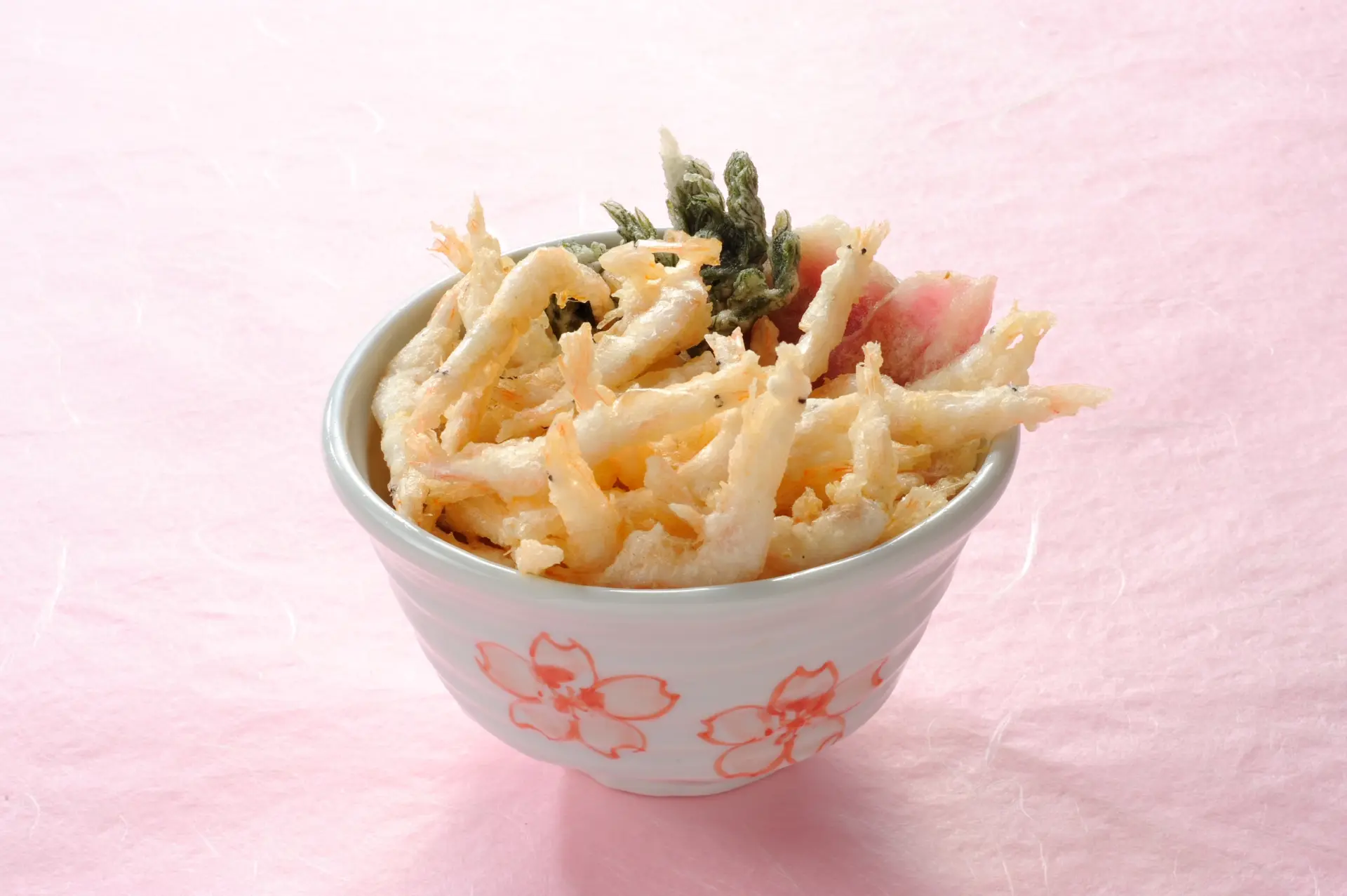
This specialty restaurant focuses on dishes made with Toyama’s famous white shrimp, bringing out their natural sweetness and texture. The signature dish is the white shrimp tempura bowl. With a light batter and subtle seasoning that highlight the shrimp’s flavor, it is the kind of meal that naturally brings a smile. The menu also includes rice bowls topped with seafood from Toyama Bay, making this an easy place to enjoy flavors unique to Toyama.
Shop for Souvenirs at Roadside Station “Amaharashi,” with Spectacular Views of the Tateyama Mountain Range
After enjoying Toyama’s local specialties, travel to Amaharashi. From Toyama Station, take the Ainokaze Toyama Railway to Takaoka Station, then transfer to the JR Himi Line for Amaharashi Station. It is an Approx. 40-minute train ride, with views from the train running along Toyama Bay.
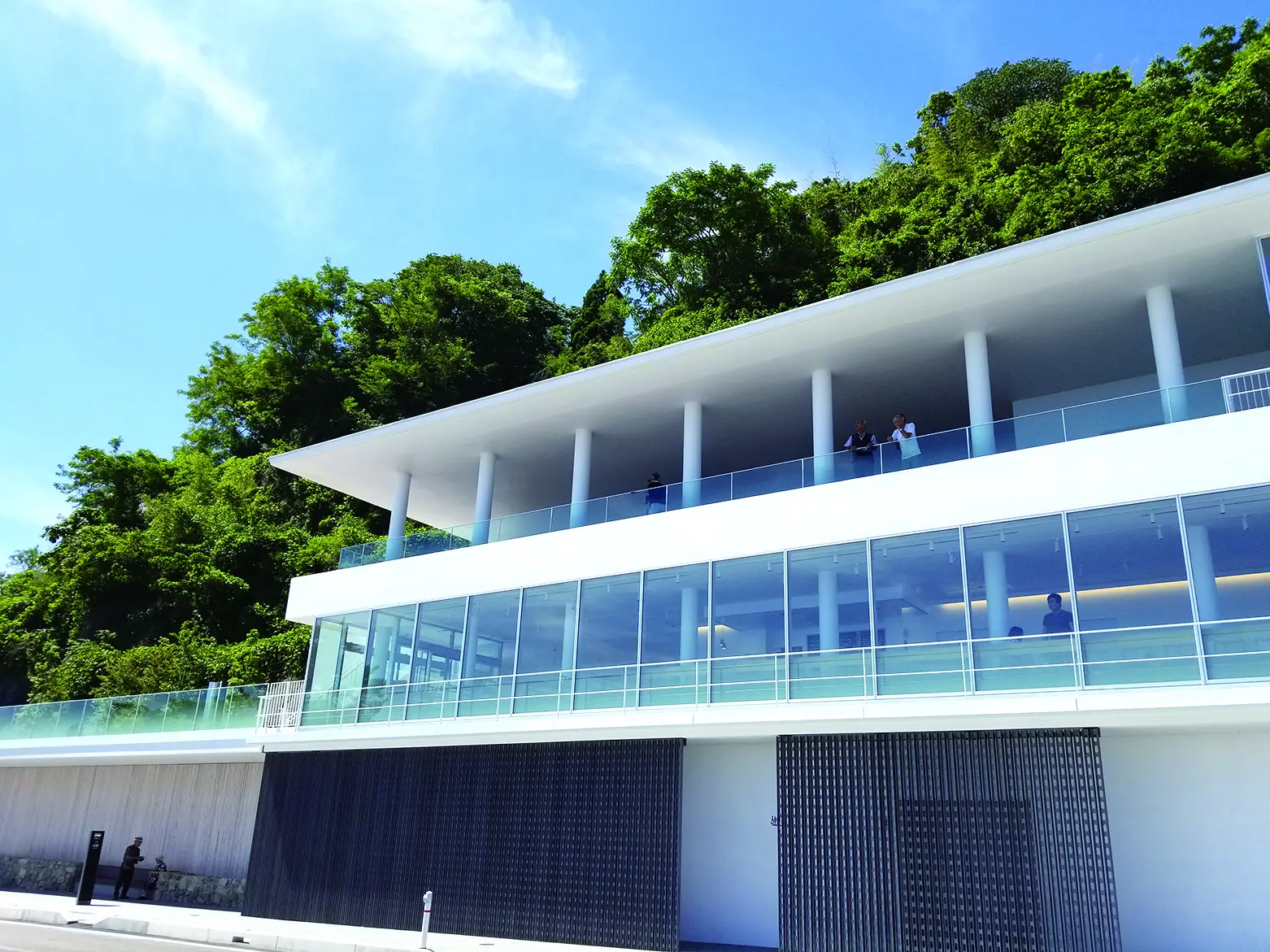
After arriving at Amaharashi Station, stop by Roadside Station “Amaharashi,” known as a scenic viewpoint with a location overlooking the Tateyama Mountain Range across Toyama Bay.
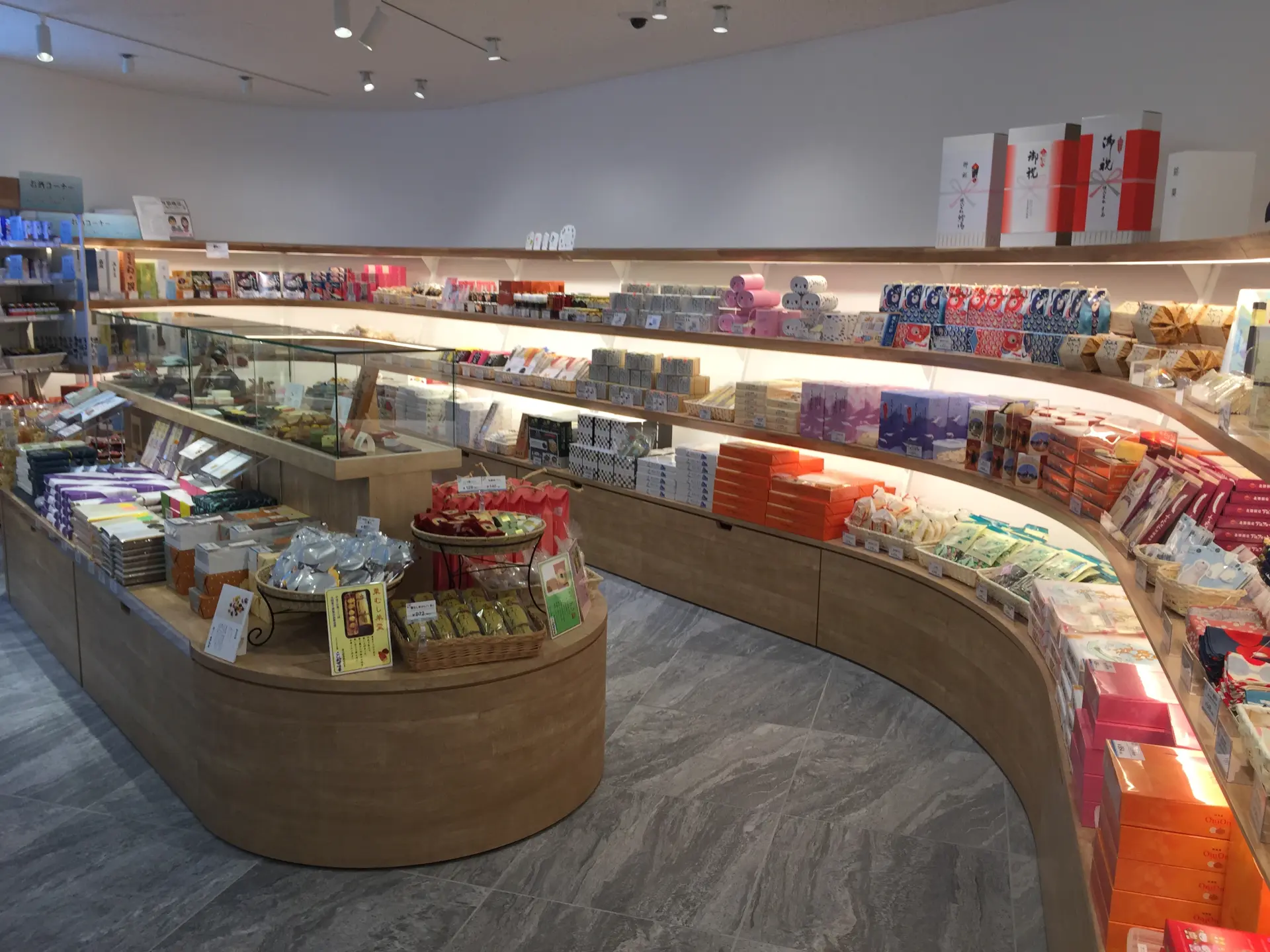
Inside, there is also a shop selling Toyama traditional crafts and local specialties, including works by Takaoka craft artists, making it a great place to look for souvenirs during your trip.
From the observation decks on the second and third floors, you can take in panoramic views of Toyama Bay and the Tateyama Mountain Range. After fully enjoying the scenery here, continue on to the next walk.
Be Moved by the Spectacular View Right in Front of You! Stroll Along “Amaharashi Coast”
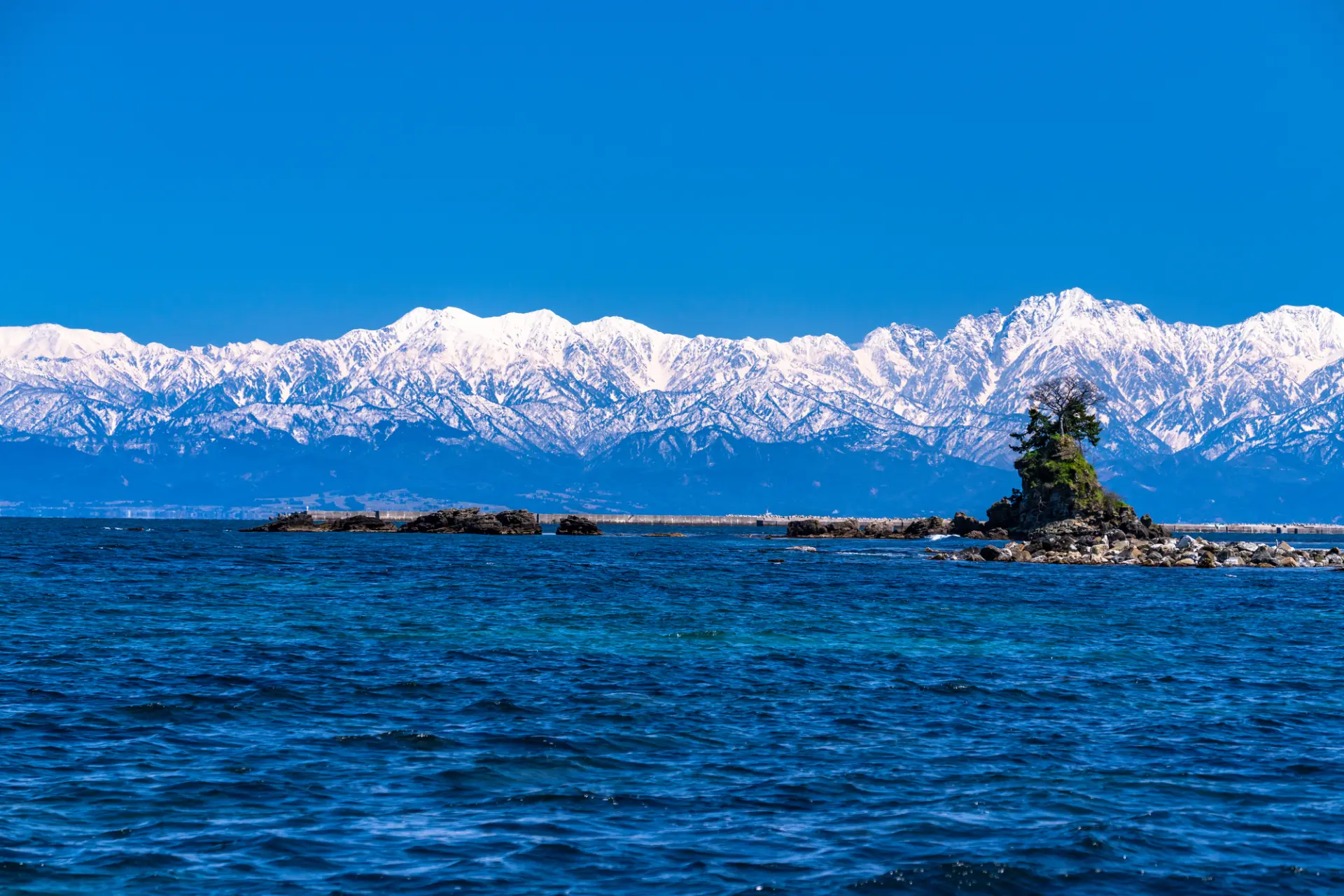
Next, head to “Amaharashi Coast.” Known for its views of the Tateyama Mountain Range rising beyond the sea, it is one of the most scenic spots along the Sea of Japan coast, with white sandy beaches and green pine trees stretching along the shore.
Beyond the gently lapping shallow beach, the 3,000-meter-class Tateyama Mountain Range and the Noto Peninsula overlap in the distance. The sight of both sea and mountains in a single view is something unique to this place.
The small offshore island of “Onna-iwa” is another iconic feature of Amaharashi Coast. As you walk along the shoreline to the sound of the waves, you can lose yourself for a while in one of Toyama’s most celebrated views.
Enjoy Spectacular Open-Air Baths and Seasonal Seafood Cuisine at “Himi Onsenkyo Kurougi no Yado Umiakari”!
After taking in the grand scenery of Amaharashi Coast, return to Amaharashi Station while still savoring the moment. Ride the JR Himi Line to Himi Station, then take a taxi for Approx. 10 minutes to arrive at tonight’s accommodation, “Himi Onsenkyo Kurougi no Yado Umiakari,” set on a hill overlooking Toyama Bay.
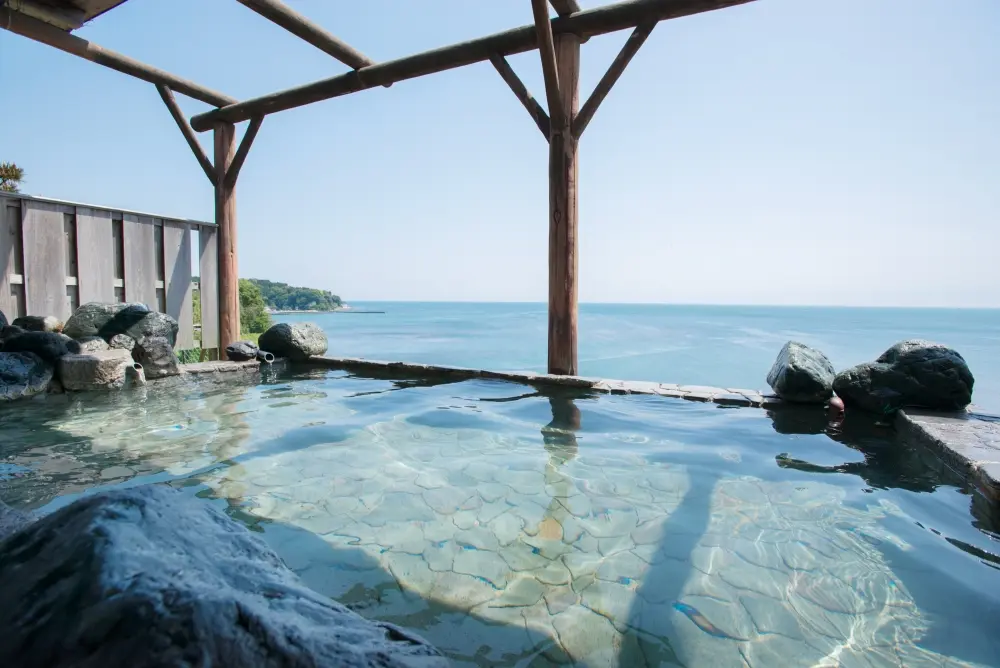
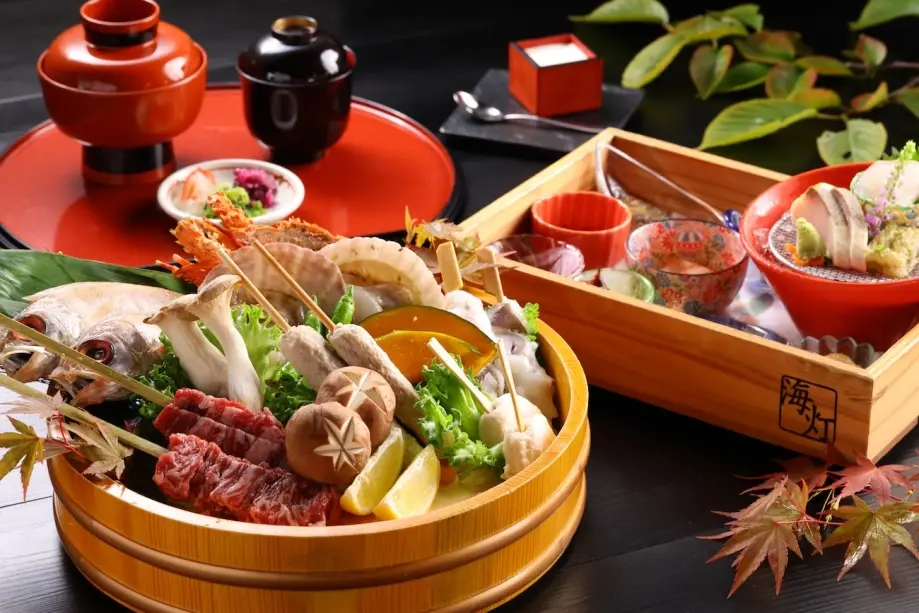
The inn features a large public bath with views of the Tateyama Mountain Range across Toyama Bay, as well as a rock bath in the annex building “Shionokatei,” where you can enjoy two different hot spring sources flowing directly from the source. From the open-air bath, sea views change their expression depending on the time of day, gently easing away the fatigue of travel. Dinner is a kaiseki meal made with seasonal ingredients from Hokuriku.
Looking back on the many faces of Toyama’s waterside scenery, you can bring the first day of the trip to a close.
Day 2 | Experience Handcrafted Culture in Takaoka, the Town of Metal Casting
On the second day of the trip, take a taxi from the inn and head to “Himi Fishing Port Fishery Market Himi Banya-gai.”
Pick Up Seafood Souvenirs at “Himi Fishing Port Fishery Market Himi Banya-gai”
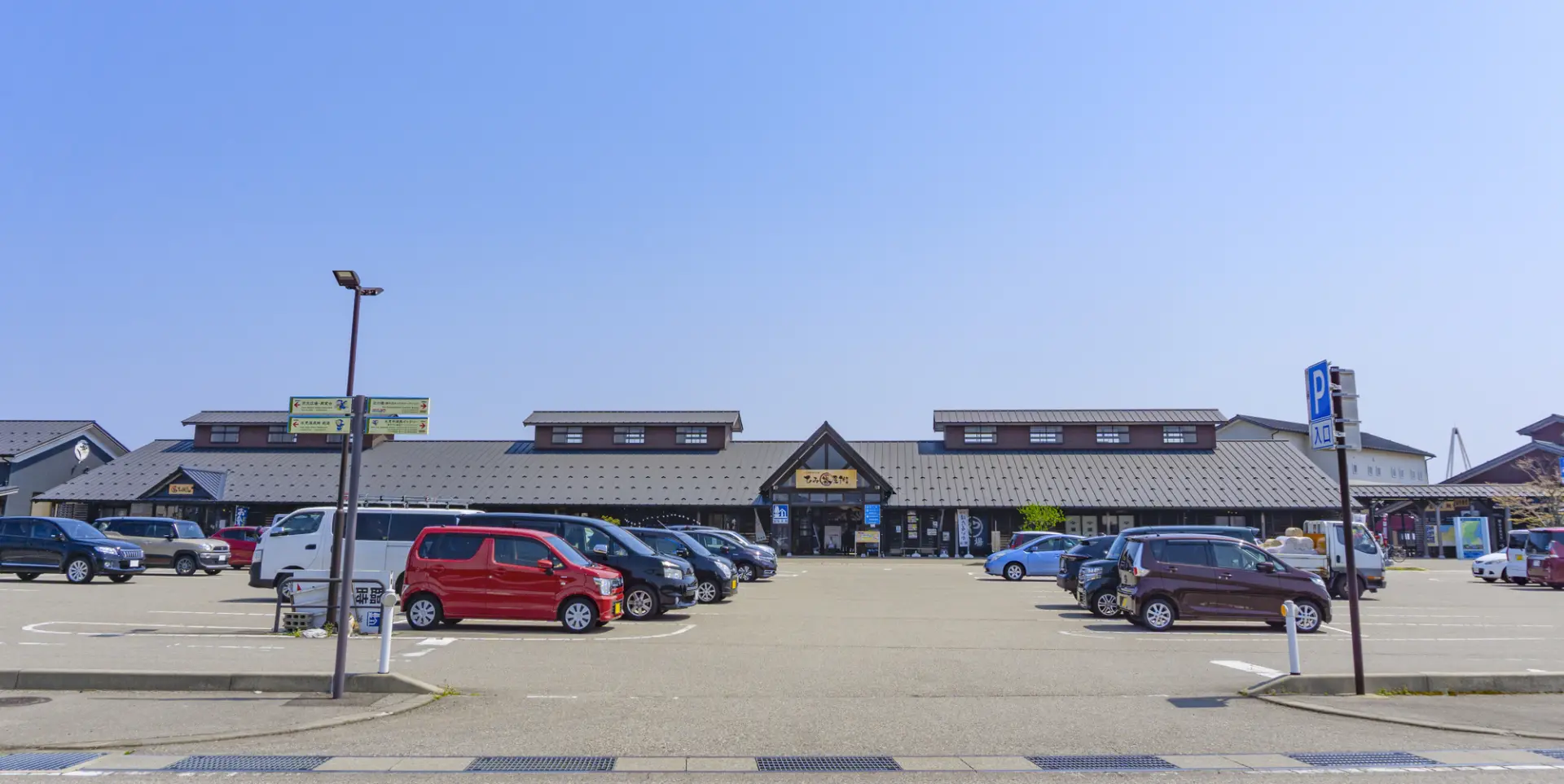
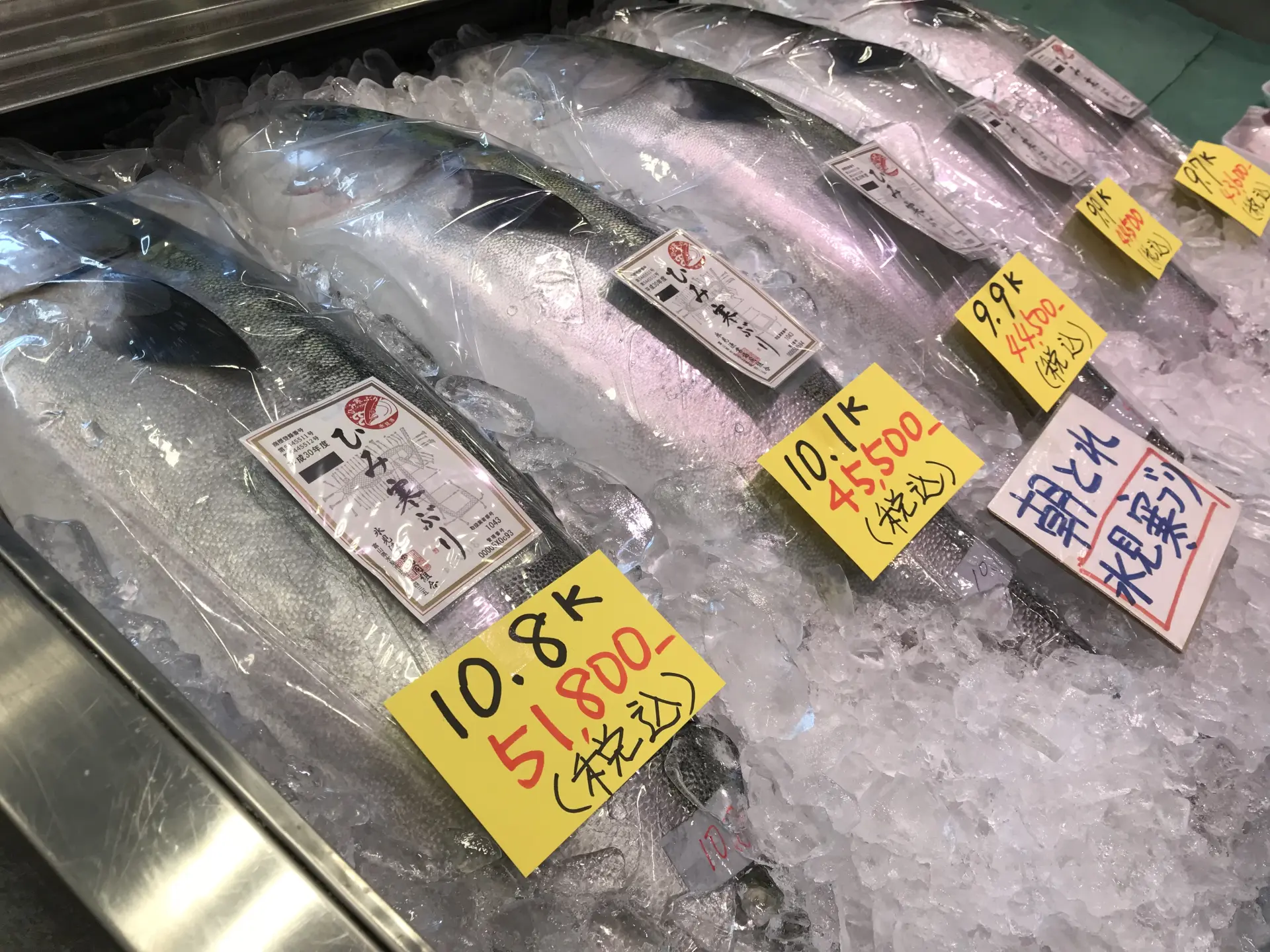
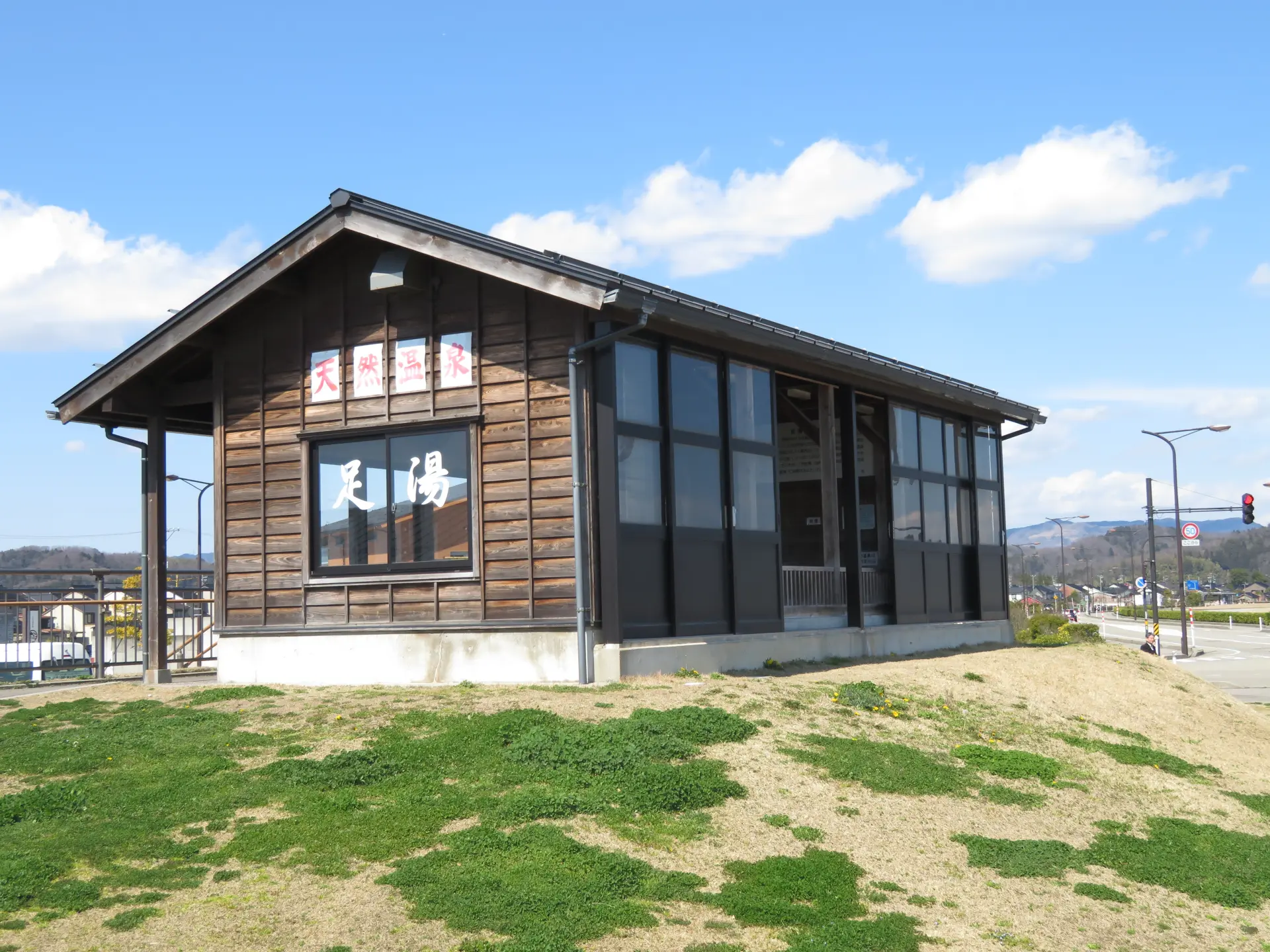
Located by the sea, Roadside Station “Himi Fishing Port Fishery Market Himi Banya-gai” is a market area filled with flavors and specialties unique to Himi. About 30 shops, inspired by banya, the work huts used by fishermen, line the area, creating an atmosphere that feels right at home in a port town.
There are fresh fish outlets, specialty dried fish shops, and many processed seafood products made with catches landed at Himi Fishing Port. As you look for seafood souvenirs to take home, you can also get a sense of Himi’s food culture.
Visit “Takaoka Daibutsu,” One of Japan’s Three Great Buddha Statues, Showcasing the Brilliance of Takaoka Casting Techniques
From Himi Banya-gai, walk for about 20 minutes to Himi Station, then take the JR Himi Line to Takaoka Station. From there, it is about a 10-minute walk to “Takaoka Daibutsu,” standing quietly in the city center.
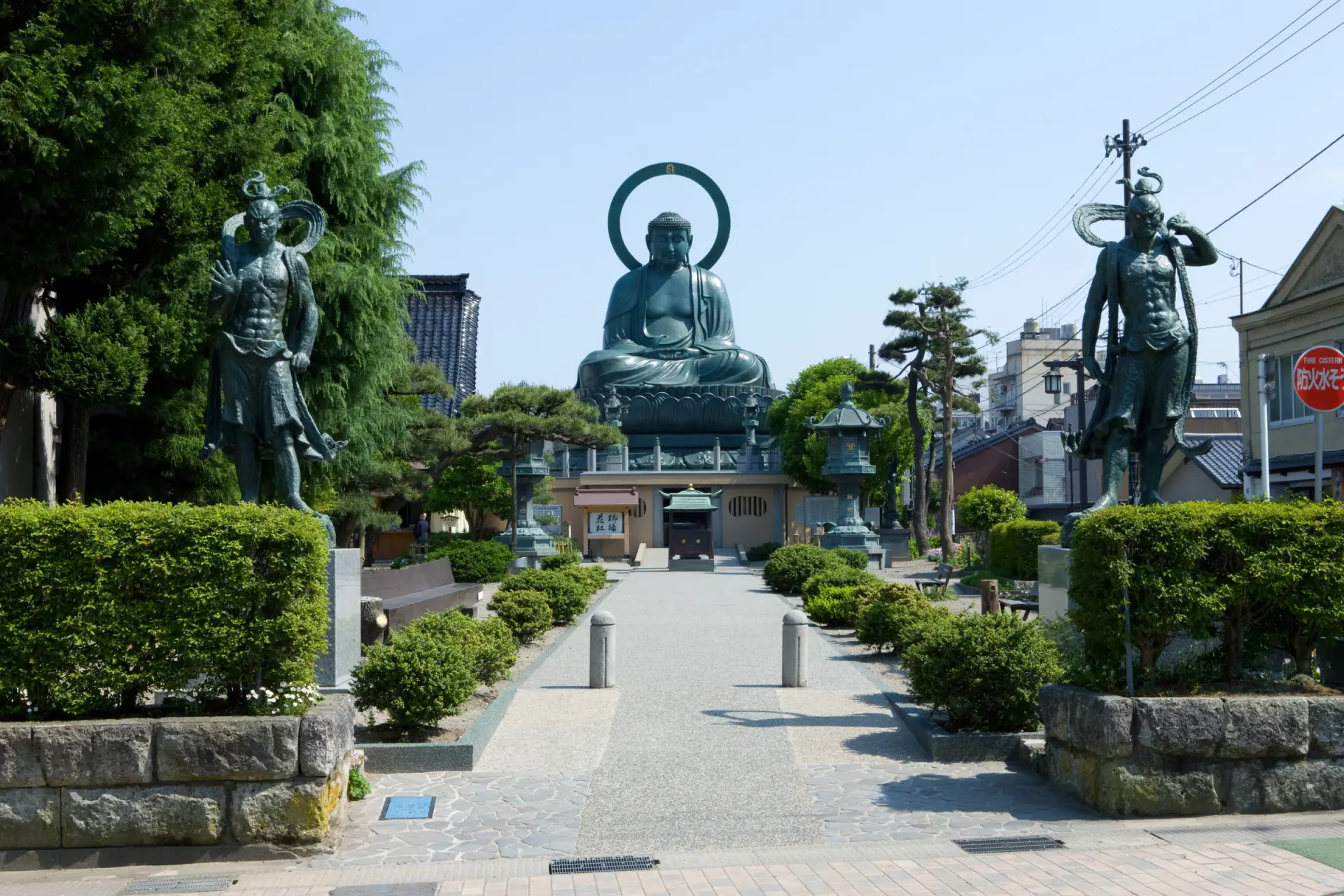
The seated Amida Nyorai statue, standing Approx. 16 meters tall, is a symbol of Takaoka, a city known as Japan’s top producer of copperware. It was built using the full range of local casting techniques. Counted as one of Japan’s three great Buddha statues, it is also known as “Japan’s most handsome” for its refined features.
View the bronze Great Buddha up close on the grounds of Daibutsuji Temple, and offer prayers to the Amida Triad and other Buddhist figures beneath the pedestal.
Seeing how craftsmanship and faith come together in this casting town gives you a real sense of Takaoka’s history and culture.
Stroll Through “Kanayamachi,” the Birthplace of Takaoka Casting
Next, head to “Kanayamachi,” known as the birthplace of Takaoka casting, about an Approx. 20-minute walk from Takaoka Daibutsu.
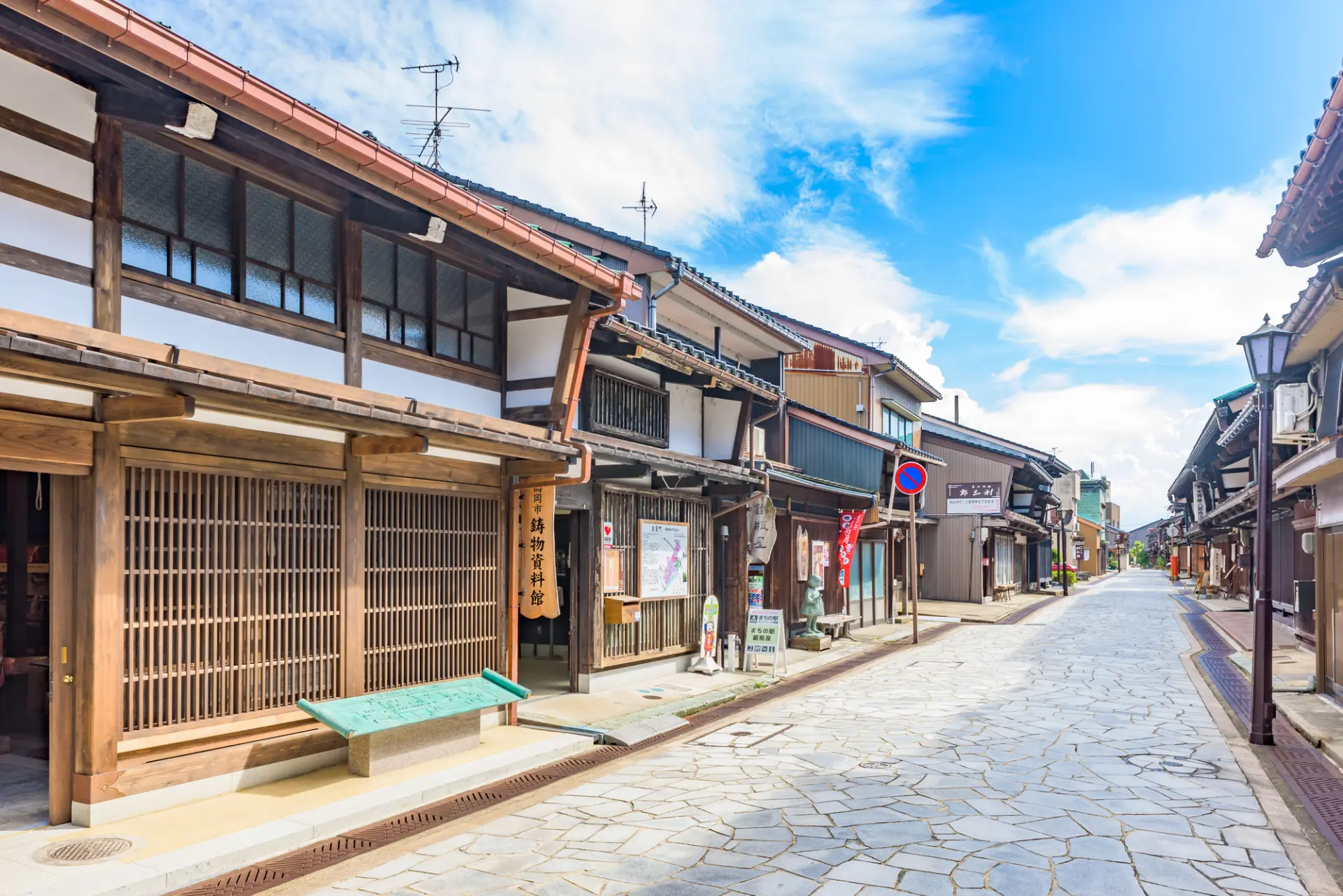
Along the stone-paved street stretching for about 500 meters, traditional lattice-fronted houses known as senbon-goshi line both sides, creating a calm and historic townscape. The area dates back to 1611, when Maeda Toshinaga encouraged casting production here, and it still conveys the long history of craftsmanship in Takaoka.
As you walk through the town, you will find galleries, workshops, and shops housed in historic buildings. Take your time exploring while soaking in the atmosphere unique to Kanayamachi, a town that prospered through casting.
Shop for Souvenirs at the Gallery and Shop of “Otera Kohachiro Shoten,” a Long-Established Takaoka Copperware Store
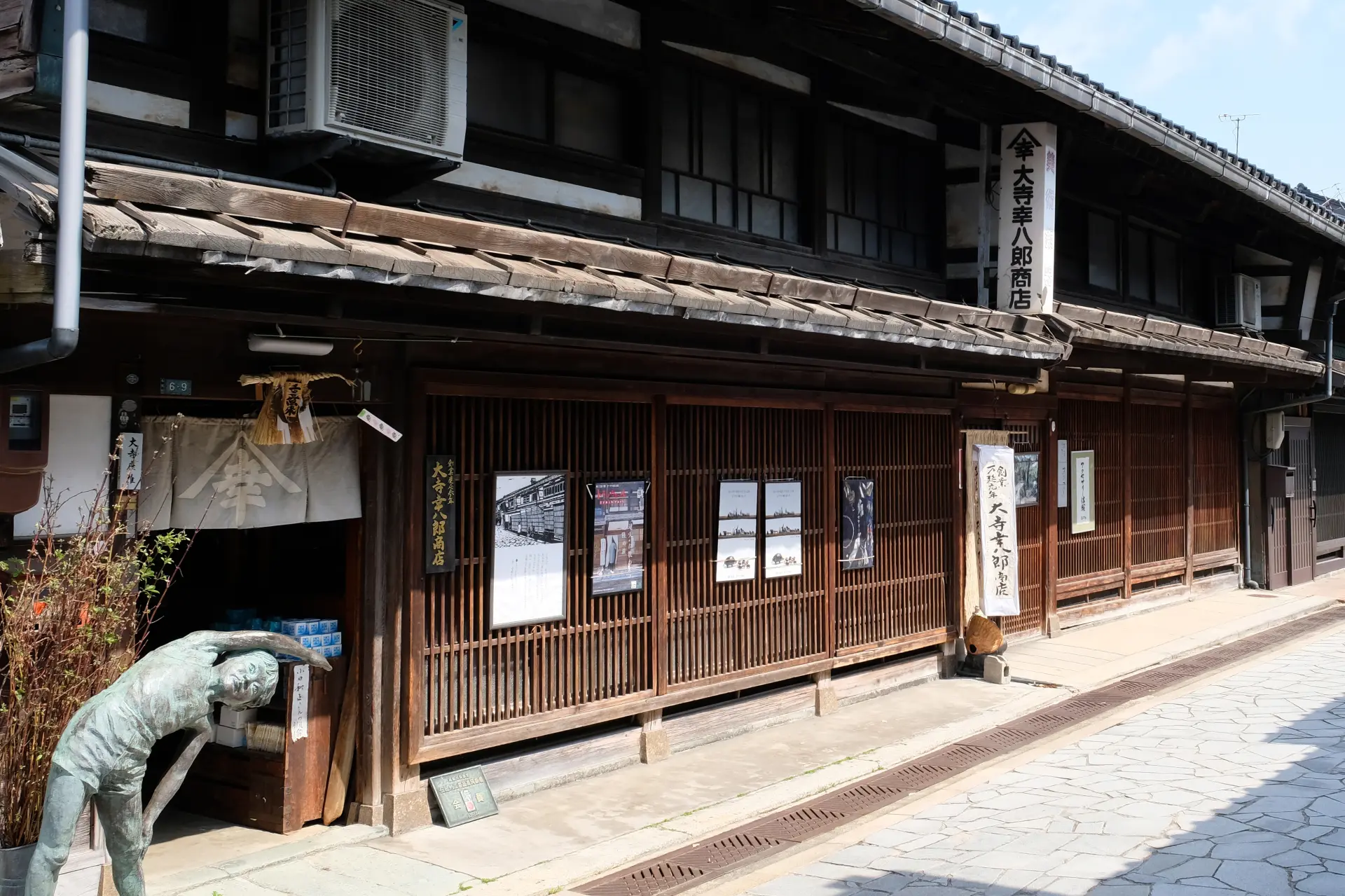
A stop in Kanayamachi is “Otera Kohachiro Shoten,” a long-established Takaoka copperware store. With roots in a casting workshop founded in 1860, it carries on traditional Takaoka copperware techniques while offering a wide range of original items, custom orders, and commemorative products.
In addition to retail sales, the store is also open as a cafe and gallery. Workshops are held here as well, including tin accessory-making experiences and kintsugi classes led by lacquer artisans, making it a place where visitors can enjoy experiences that feel very much in tune with Takaoka’s identity as a craft town.
Inside, works by local artists and craftspeople are displayed and sold, letting you enjoy souvenir shopping while also learning more about the background of Takaoka’s craftsmanship.

Head to “Yamacho Valley,” a Complex Facility Housed in a Large Merchant House on Yamachosuji Street
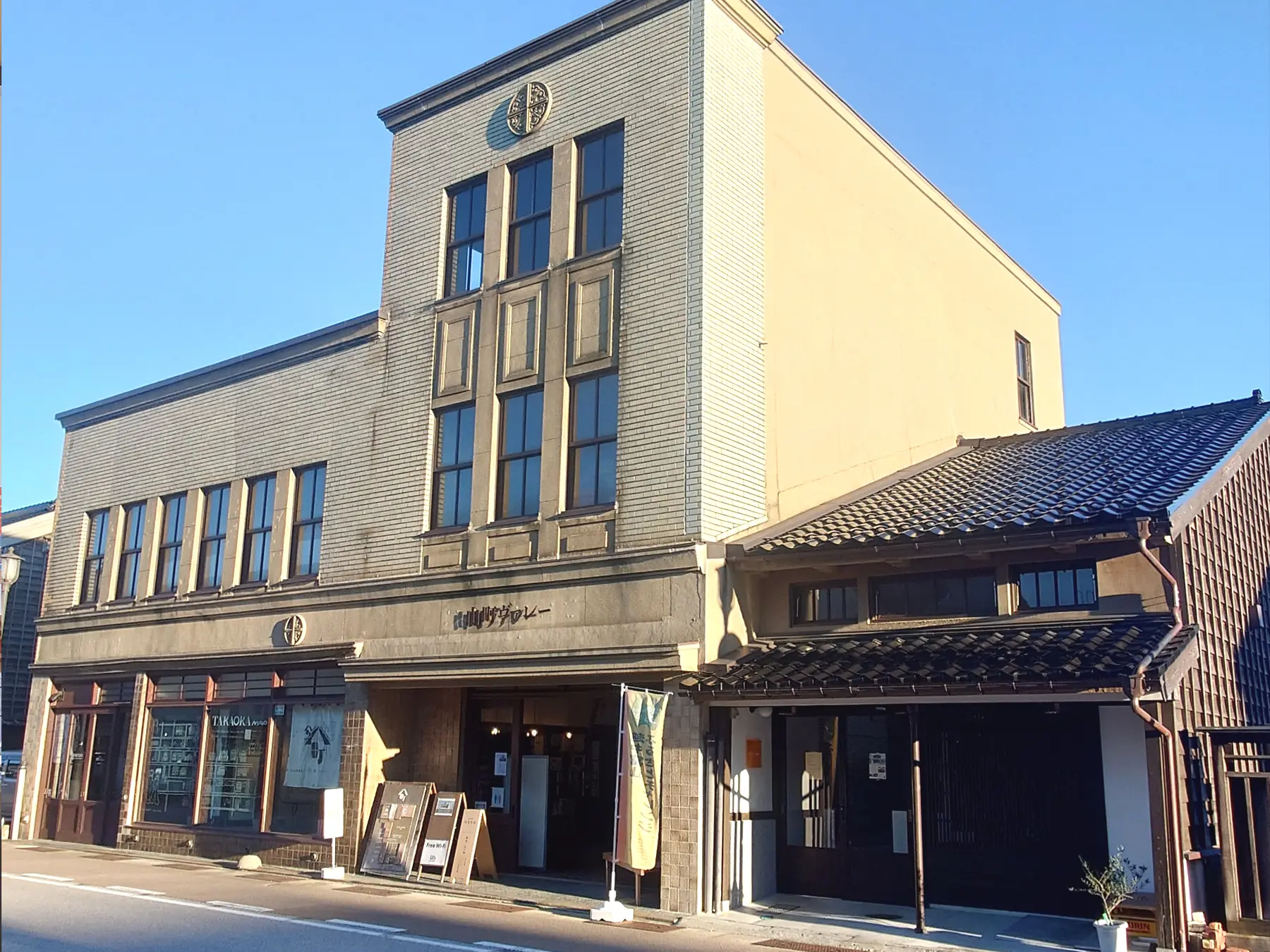
After leaving the long-established Takaoka copperware store, walk for Approx. 10 minutes to Yamachosuji, an area lined with earthen-walled storehouses. Stop by “Yamacho Valley,” a commercial complex renovated from a large merchant house dating back to the Meiji era.
Inside the facility, restaurants and shops make use of traditional storehouses, and it is popular as a stop while exploring the town. There is also a concierge service offering tourist information and luggage storage, making it a convenient base during your walk.
For this trip’s lunch, dine at one of the restaurants inside the facility.
Enjoy a Creative Lunch Made with Local Ingredients at “CRAFTAN”
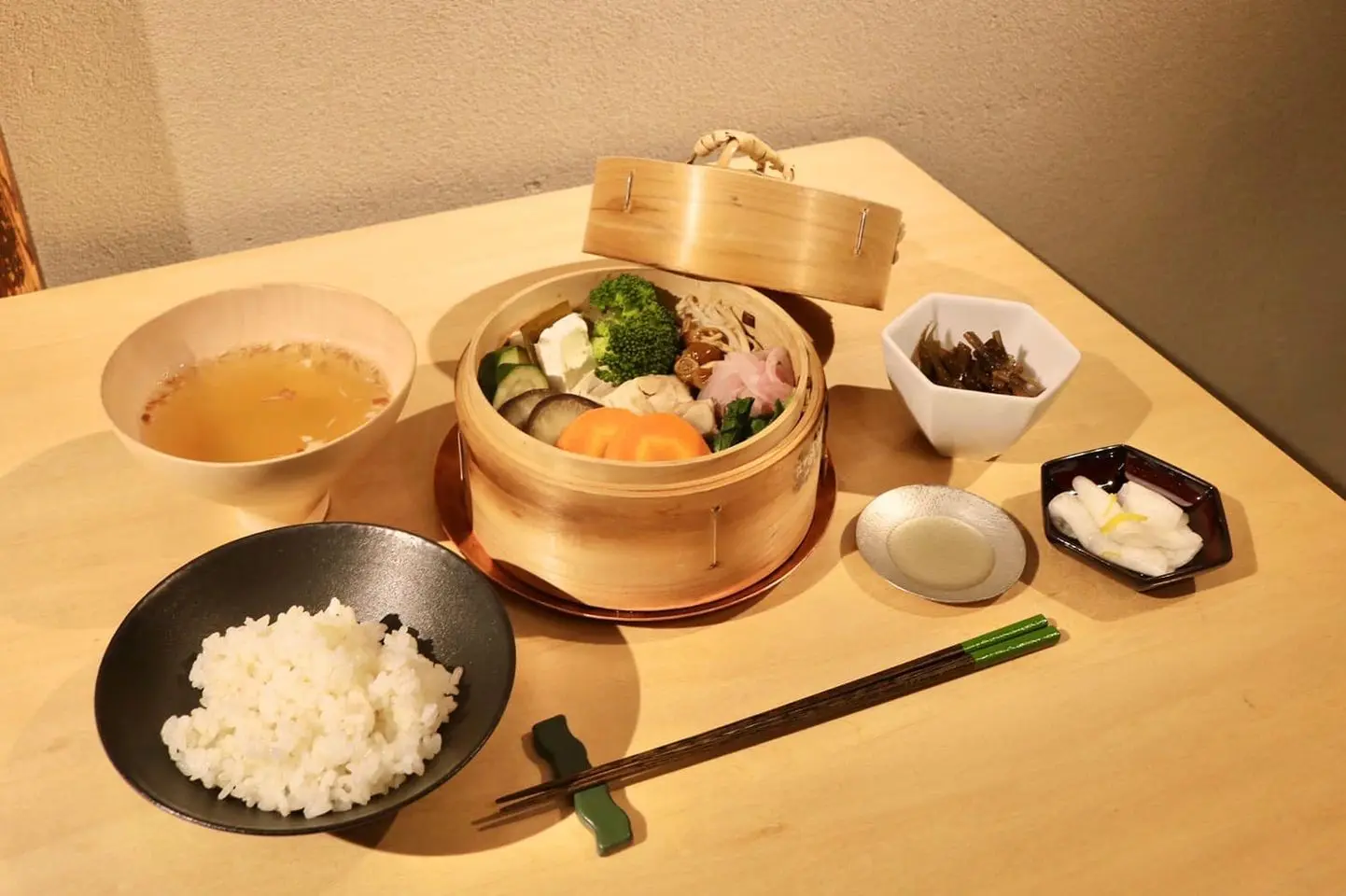
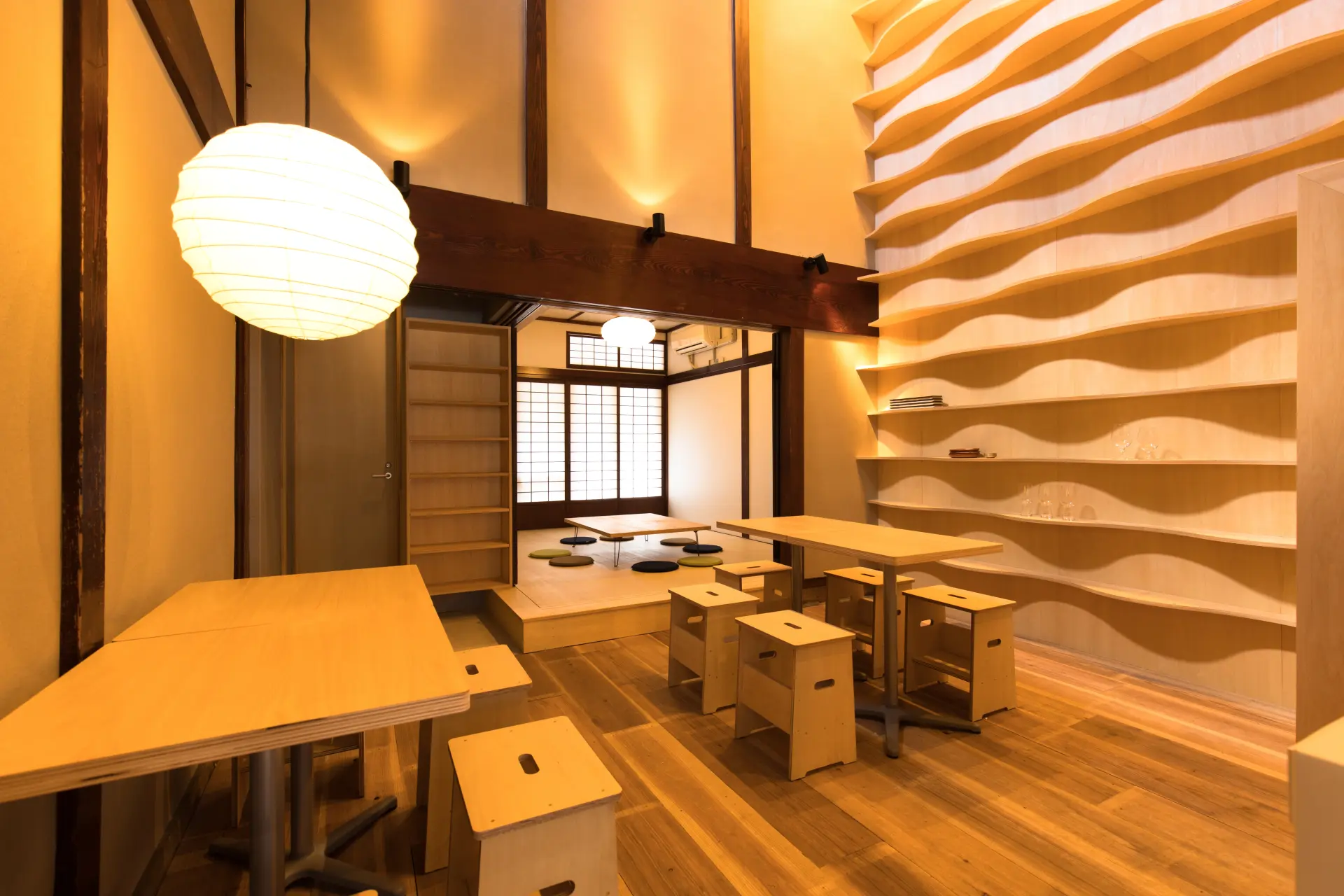
Located inside Yamacho Valley, “CRAFTAN” is a specialty restaurant serving kombu-jime dishes, a local Toyama specialty, with a modern twist. One of its distinctive features is that the technique is used not only for fish, but also for meat and vegetables.
At lunchtime, the menu includes dishes made with local ingredients, such as the “Steamed Set Meal with Kombu-jime Vegetables and Chicken Thigh.” The interior and tableware feature designs inspired by kombu, and the craft works and dishes from various production areas are also eye-catching. In the calm setting of a renovated machiya townhouse, enjoy flavors that feel distinctly Takaoka while experiencing Toyama’s food culture.
The Grand Temple Layout Is Stunning! Explore the Zen Temple Architecture of “Zuiryuji Temple”
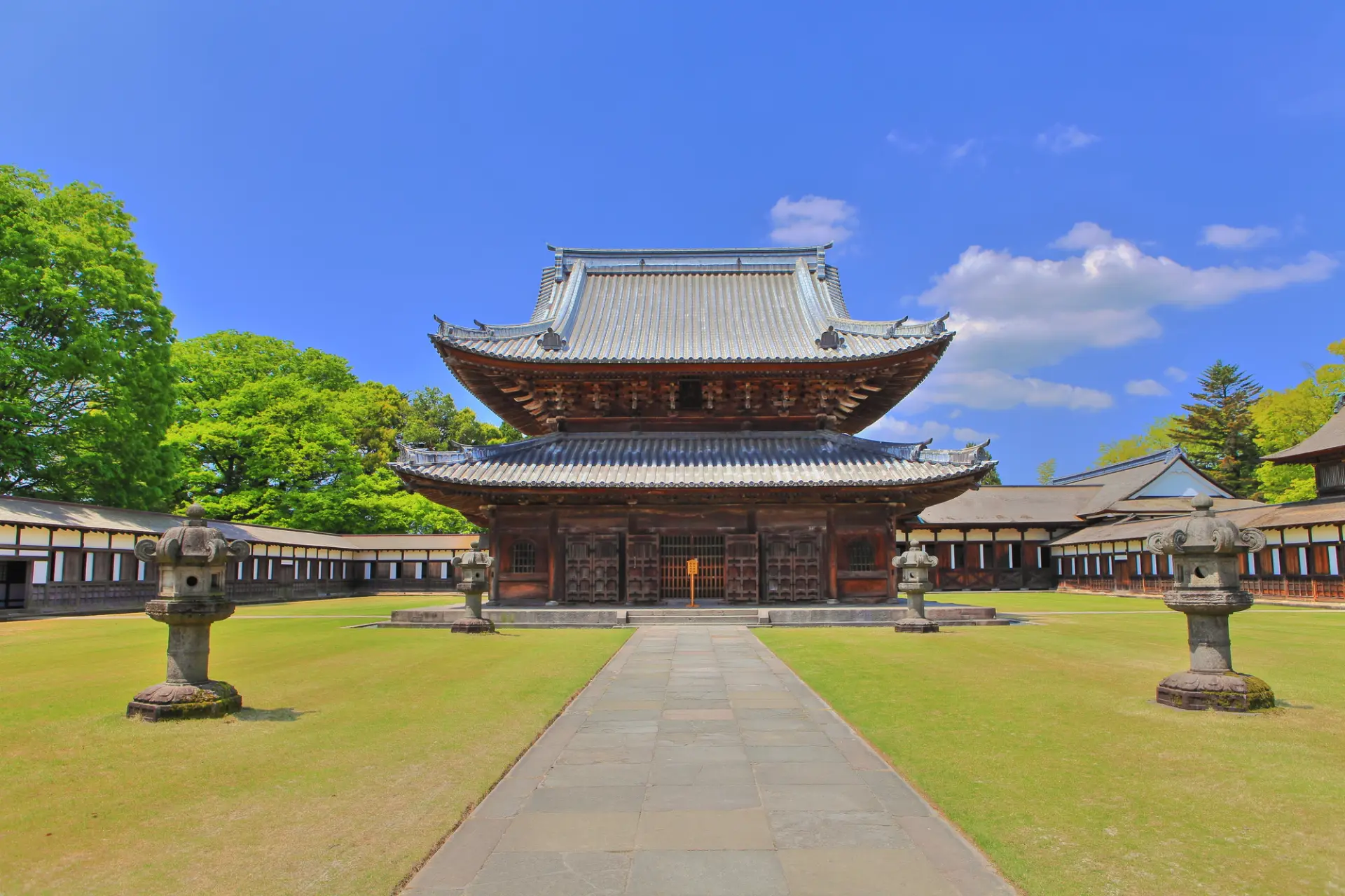
After enjoying the kombu-jime cuisine, take a taxi from Yamachosuji to “Zuiryuji Temple,” one of Takaoka’s most representative Zen temples. Built as the family temple of Maeda Toshinaga, the second lord of the Kaga Domain, it is a renowned temple that preserves early Edo-period Zen temple architecture.
Its grand layout is a defining feature, with the Somon Gate, Sanmon Gate, Butsuden Hall, and Hatto Hall arranged in a straight line, flanked by corridors on both sides. Centered around the Sanmon Gate, Butsuden Hall, and Hatto Hall, all designated National Treasures, visitors can experience the beauty of its orderly composition. As you walk through the grounds, you can reflect on Takaoka’s history and the advanced architectural techniques of the time, bringing this 1-night, 2-day journey to a close.
1-Night, 2-Day Toyama Prefecture Model Course Schedule
Day 1
- 10:00am
- Toyama Station
- …
- Approx. 10 minutes on foot
- 10:15am
- Starbucks Coffee Fugan Unkansui Park Store
- …
- Fugan Canal Kansui Park
- …
- Approx. 10 minutes on foot
- 11:50am
- Shiroebitei
- …
- Toyama Station → Approx. 18 minutes by Ainokaze Toyama Railway → Takaoka Station, transfer to the JR Himi Line, Approx. 19 minutes → Amaharashi Station → Approx. 5 minutes on foot
- 2:15pm
- Roadside Station “Amaharashi”
- …
- Approx. 5 minutes on foot
- 3:30pm
- Amaharashi Coast
- …
- 5 minutes on foot → Amaharashi Station → Approx. 8 minutes by Himi Line → Himi Station → Approx. 10 minutes by taxi
- 5:00pm
- Himi Onsenkyo Kurougi no Yado Umiakari
Day 2
- 8:30am
- Depart from the inn
- …
- Approx. 10 minutes by taxi
- 8:50am
- Himi Fishing Port Fishery Market Himi Banya-gai
- …
- Approx. 20 minutes on foot → Himi Station → Approx. 30 minutes by Himi Line → Takaoka Station → Approx. 10 minutes on foot
- 11:00am
- Takaoka Daibutsu
- …
- Approx. 20 minutes on foot
- 11:40am
- Kanayamachi
- 12:00pm
- Otera Kohachiro Shoten
- …
- Approx. 10 minutes on foot
- 1:00pm
- Yamacho Valley
- 1:10pm
- CRAFTAN
- …
- Approx. 10 minutes by taxi
- 2:30pm
- Zuiryuji Temple
Summary
How did you like this 1-night, 2-day trip through Toyama’s waterside scenery and handcrafted culture?
On the first day, you explored the canals around Toyama Station and the coastline overlooking Toyama Bay, then enjoyed hot springs and seafood in Himi. On the second day, you traveled to Takaoka, where you experienced the background of local craftsmanship through historic townscapes shaped by casting culture and Zen temple architecture. This model course lets you feel the depth of Toyama, where nature, daily life, and culture overlap.
Beyond this itinerary, Toyama is also filled with diverse attractions, from areas of grand natural beauty such as the Tateyama Kurobe Alpine Route and Kurobe Gorge to regions where food culture unique to port towns still thrives.
When planning your trip, be sure to also check out the Toyama travel guide, where you can discover magnificent natural scenery and the original landscapes of Japan.
