
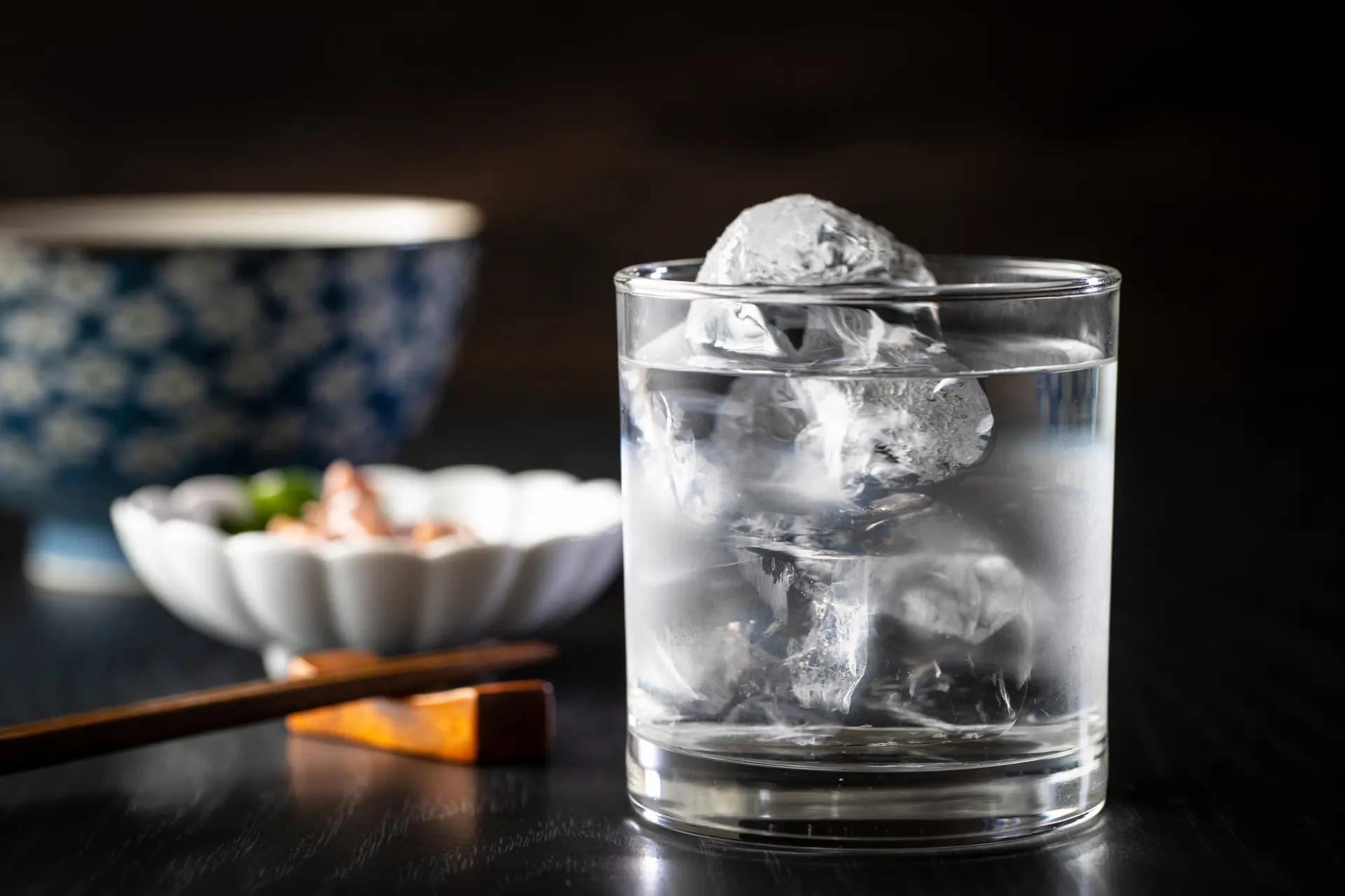
Complete Guide to Shochu: Definition, Types, and How to Enjoy It for Beginners
Shochu is a Japanese spirit with more than 500 years of history, deeply rooted in everyday life in Japan.
Shochu culture developed in its own way through close ties to local climate, terroir, and agricultural products. It reflects the pride of the people who live there, as well as the spirit of hospitality shown to guests.
In 2024, “traditional sake brewing” was inscribed on UNESCO’s Intangible Cultural Heritage list, giving worldwide recognition to these brewing techniques.
This article covers everything from the history and production process of shochu to how to enjoy it and how beginners can choose a bottle.
By the end, you’ll have a deeper understanding of shochu.
What Kind of Drink Is Shochu?
Shochu is one of Japan’s most iconic distilled spirits.
It has long been enjoyed as a drink to pair with meals, and its alcohol content is generally around 20% to 45%.
Its defining feature is that the aromas and flavors of the ingredients come through clearly, letting you enjoy the character of the raw materials themselves.
It ranges widely in style, from crisp and easy to drink to deeply roasted or sweet.
A distilled spirit is made by heating moromi, the base of the alcohol, to extract alcohol and other components; whiskey and brandy also fall into this category.
The name is said to come from the Chinese term for distilled spirits, “shaojiu,” and in Japan, the written form “shochu” gradually became established.
In English, it is written “Shochu,” while ingredient-based names include “Sweet Potato Shochu” for imo shochu and “Rice Shochu” for kome shochu.
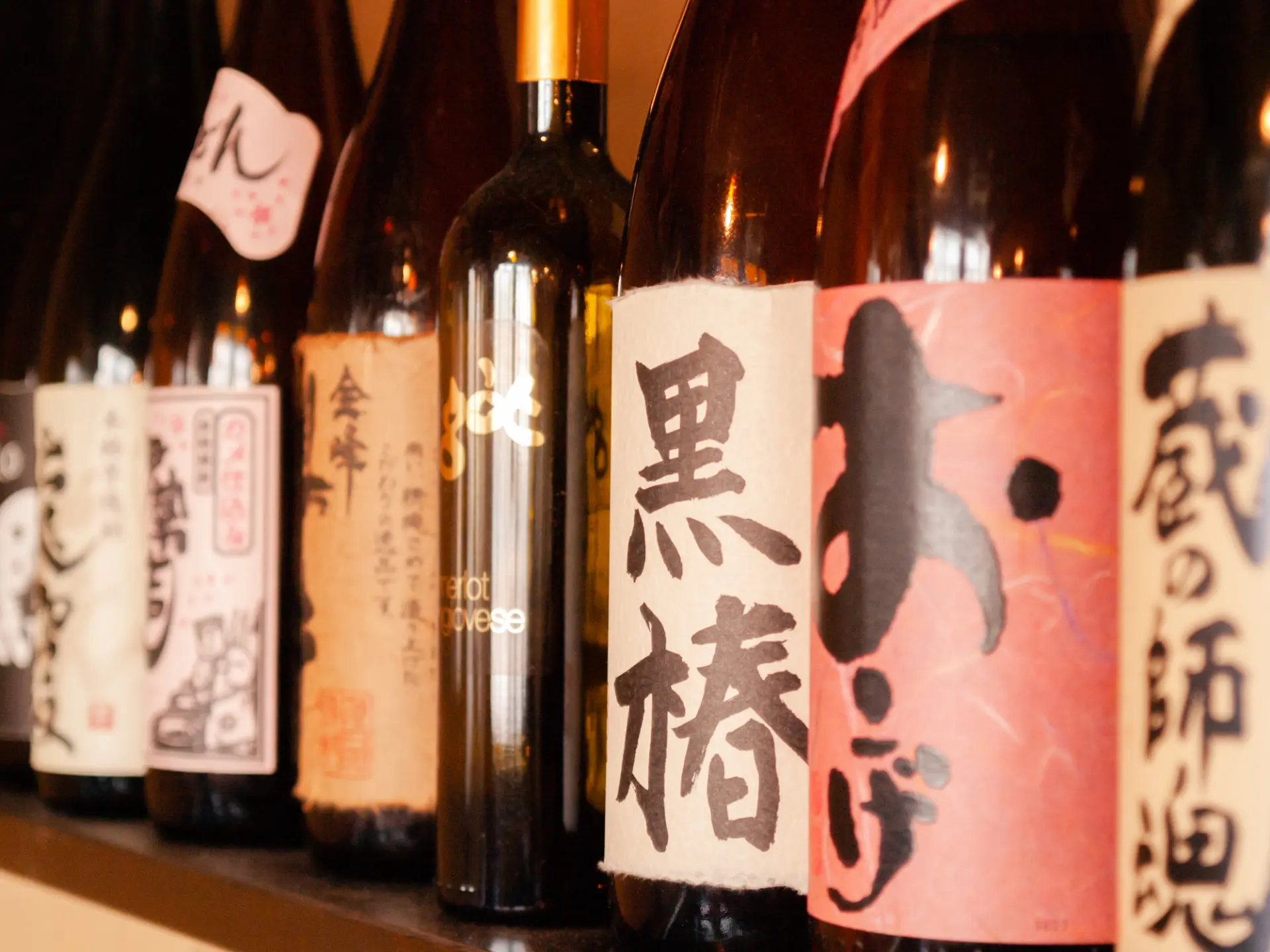
The History of Shochu
The exact origins of shochu are unclear, but a leading theory points to distilled spirits made around the 11th century in Southeast Asia and the Korean Peninsula, centered on the Kingdom of Siam, present-day Thailand.
It is thought to have reached Japan by at least around the 15th century.
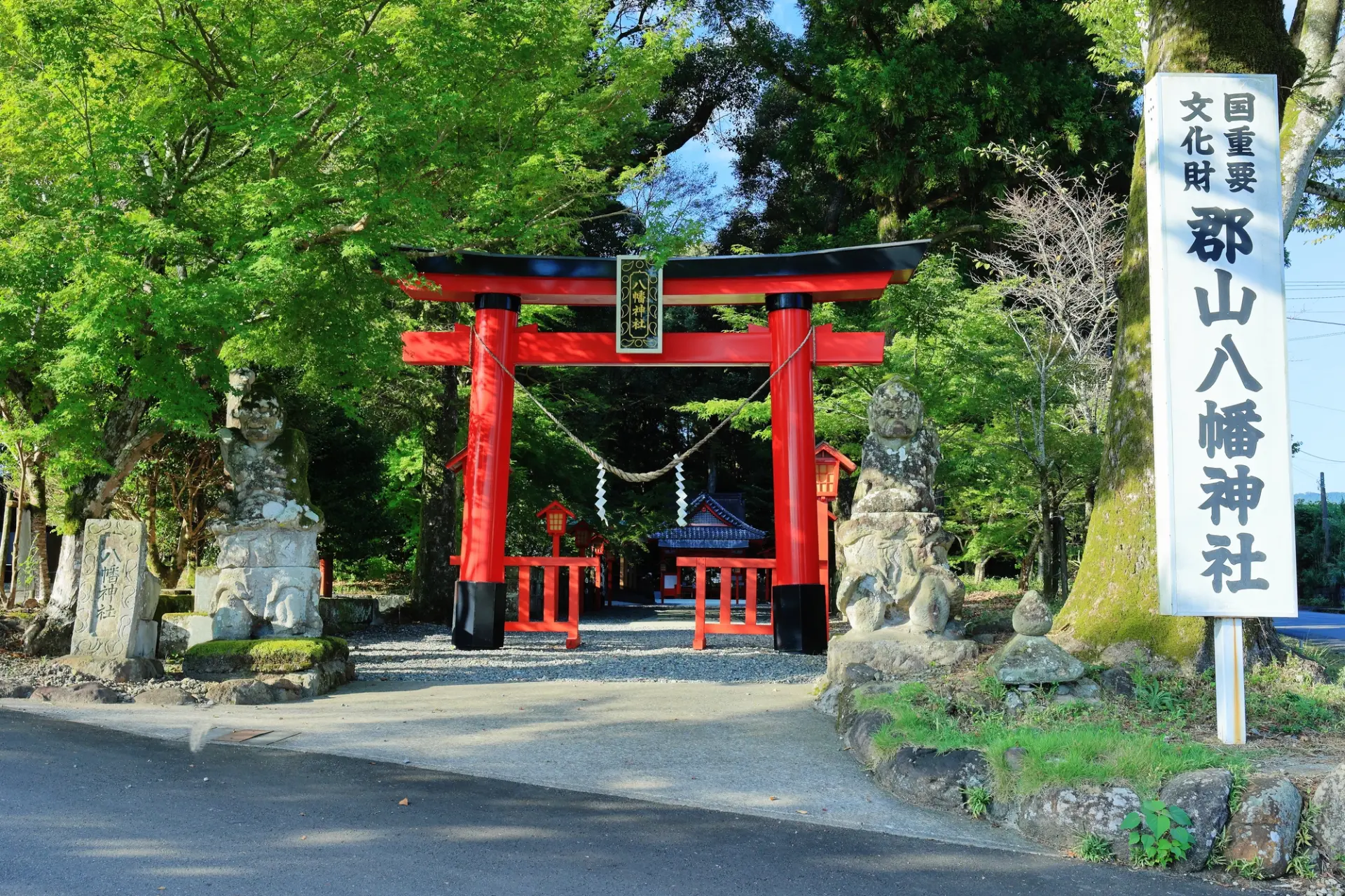
The oldest surviving record in Japan is graffiti written by a carpenter in 1559 at Koriyama Hachimangu Shrine in Kagoshima, saying, “The patron was stingy and never once served us shochu.”
In the 17th century, shochu production spread mainly across Kyushu, and distinctive local cultures developed in response to regional climates and agricultural products.
In the modern era, the introduction of Western technology and the development of liquor tax laws greatly improved quality and stability.
A nationwide shochu boom began in the late 1970s, and by the early 2000s, it had become such a social phenomenon that its production volume surpassed that of sake.
Today, shochu is attracting attention around the world and entering a new era.
Types of Shochu
Under Japan’s Liquor Tax Act, shochu is broadly divided into two types: korui shochu, Category A shochu, and otsurui shochu, Category B shochu.
As shown below, they use different distillation methods and differ in flavor, ways to enjoy them, and other aspects.
Korui shochu: Made by repeatedly and continuously distilling with a continuous still
Otsurui shochu: Made by distilling only once with a pot still
Detailed information about shochu, such as ingredients, distillation method, and alcohol content, is listed on the label, so take a look if you’re interested.
Differences Between Korui Shochu, Continuous Distillation, and Otsurui Shochu, Pot Still Distillation
The differences between korui shochu and otsurui shochu are as follows.
The only difference is the production method, so neither is superior to the other.
Each has its own character, so it’s best to enjoy them according to your taste and the food you’re having.
Incidentally, products that exceed the alcohol content limits set by the Liquor Tax Act are classified as spirits, not shochu.
| Item | Korui Shochu | Otsurui Shochu |
|---|---|---|
| Distillation Method | Continuous distillation | Pot still distillation |
| Definition under the Liquor Tax Act* | Distilled using a continuous still, with an alcohol content under 36% | Distilled using a method other than a continuous still, with an alcohol content up to 45% |
| Main Ingredients | Molasses, corn, grains, and more, generally without koji | Barley, sweet potato, rice, brown sugar, buckwheat, and more, using koji |
| Flavor | Few off-flavors or strong quirks, with a light, clean taste that is easy to drink | The flavor and individuality of the ingredients directly shape the taste, giving it satisfying depth |
| How to Drink | Usually mixed into chuhai, cocktails, and other drinks, offering high flexibility | Usually enjoyed straight or on the rocks to appreciate aromas and flavors from the ingredients |
| Other |
, Many carton-style shochu products found in convenience stores and supermarkets are korui , Often used as the base for plum wine and sours |
, If certain conditions are met, it can be labeled “honkaku shochu” , The ingredient name comes at the beginning of the name, such as barley shochu |
-
*As a prerequisite, it must not fall under whiskey, brandy, vodka, rum, gin, or similar categories
Atmospheric Distillation and Vacuum Distillation
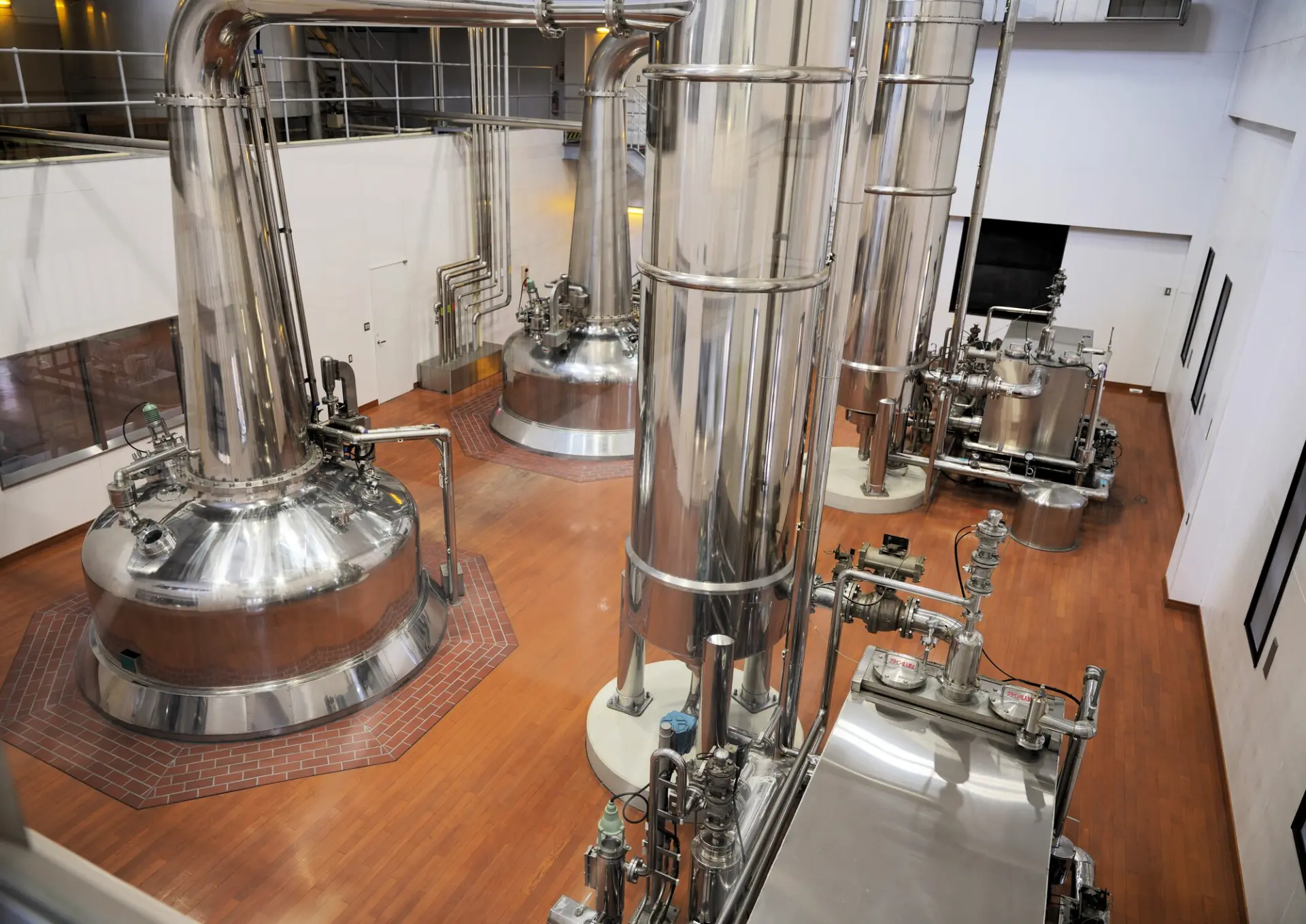
Pot still distillation is further divided into two types, atmospheric distillation and vacuum distillation, and even with the same ingredients, the finished result can differ greatly.
The main differences are summarized in the table below.
| Item | Atmospheric Distillation | Vacuum Distillation |
|---|---|---|
| Distillation Temperature | High temperature, around 100°C | Low temperature, approx. 40°C to 60°C |
| Flavor | Rich, distinctive, and full-bodied | Light, clean, and easy to drink |
| Aroma | The aromatic components of the ingredients stand out | Fruity, gentle aromas are more likely to emerge |
| History | A traditional, old-fashioned style | A relatively new style born in the 1970s |
| Recommended For | People who want to enjoy the original flavor of shochu | People who are not used to shochu |
Blended Shochu
“Blended shochu” refers to shochu made by blending korui shochu and otsurui shochu.
The type with the higher blending ratio comes first in the name, as in “korui-otsurui blended shochu” or “otsurui-korui blended shochu.”
It combines the easy-drinking quality of korui with the flavor of otsurui, offering a well-balanced taste in one bottle.
If it leans toward korui, it tends to be light with fewer strong quirks; if it leans toward otsurui, the aroma is more likely to gain depth, giving each product its own expression.
Depending on how it is made, three or more types of shochu may be used, allowing you to enjoy the individuality of each brewery.
Representative Shochu by Main Ingredient
Even within shochu, the aroma and flavor change greatly depending on the main ingredient.
Otsurui shochu in particular is finely categorized and closely tied to its region.
From classics to more unusual varieties, there is a wide range to choose from, and that freedom is part of the appeal.
Here are some representative types of shochu.
Sweet Potato Shochu
Sweet potato shochu is honkaku shochu made mainly from sweet potatoes.
It is widely produced in southern Kyushu, especially Kagoshima and Miyazaki Prefectures, and is known for its rich aroma and sweetness derived from sweet potatoes.
The flavor is bold and full-bodied, with a lingering finish after you drink it.
Among shochu varieties, it has a very strong personality, so preferences can be divided, but once people get into it, they often love its deep complexity.

Barley Shochu
Barley shochu is honkaku shochu made mainly from barley.
It is produced across Kyushu, especially in Oita Prefecture and Iki City in Nagasaki Prefecture, and is known for its roasted barley aroma and light sweetness.
With a light drinking style and generally few strong quirks, it is one of the easier types for shochu beginners to try.
The more you drink it, the more its balance stands out, and because it pairs well with many dishes, it is also popular as an everyday drink with meals.

Rice Shochu
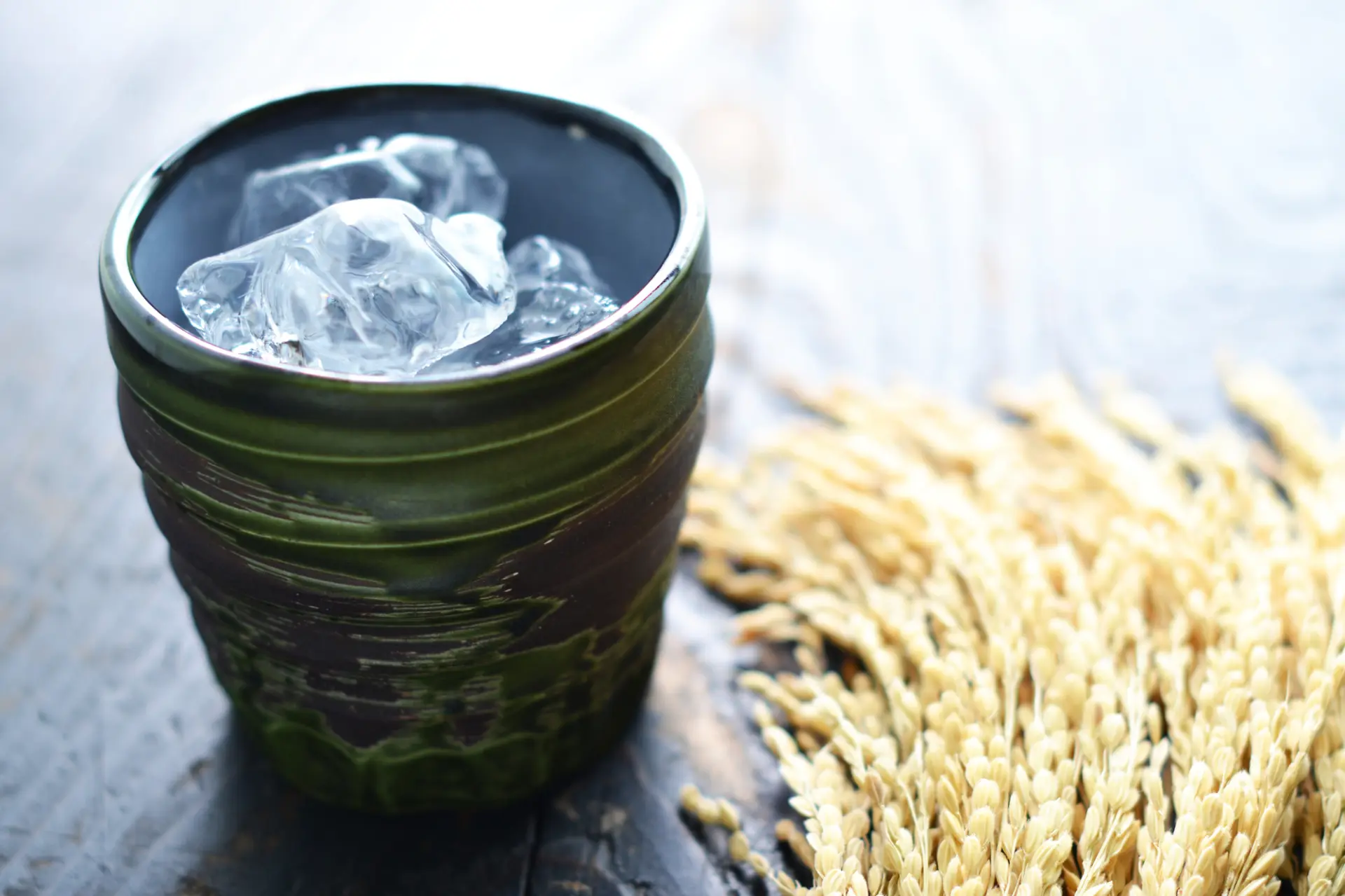
Rice shochu is honkaku shochu made mainly from rice and rice koji.
It is said to have originated in the Hitoyoshi-Kuma region of Kumamoto Prefecture and is a traditional shochu nurtured over more than 500 years of history.
Although it uses the same rice as sake, it is distilled, giving it gentle rice-derived sweetness and an elegant, mellow flavor while finishing cleanly.
Its delicate mouthfeel and clear taste make it one of the easier shochu varieties to drink, and it is recommended for people who do not like distinctive aromas.
Brown Sugar Shochu
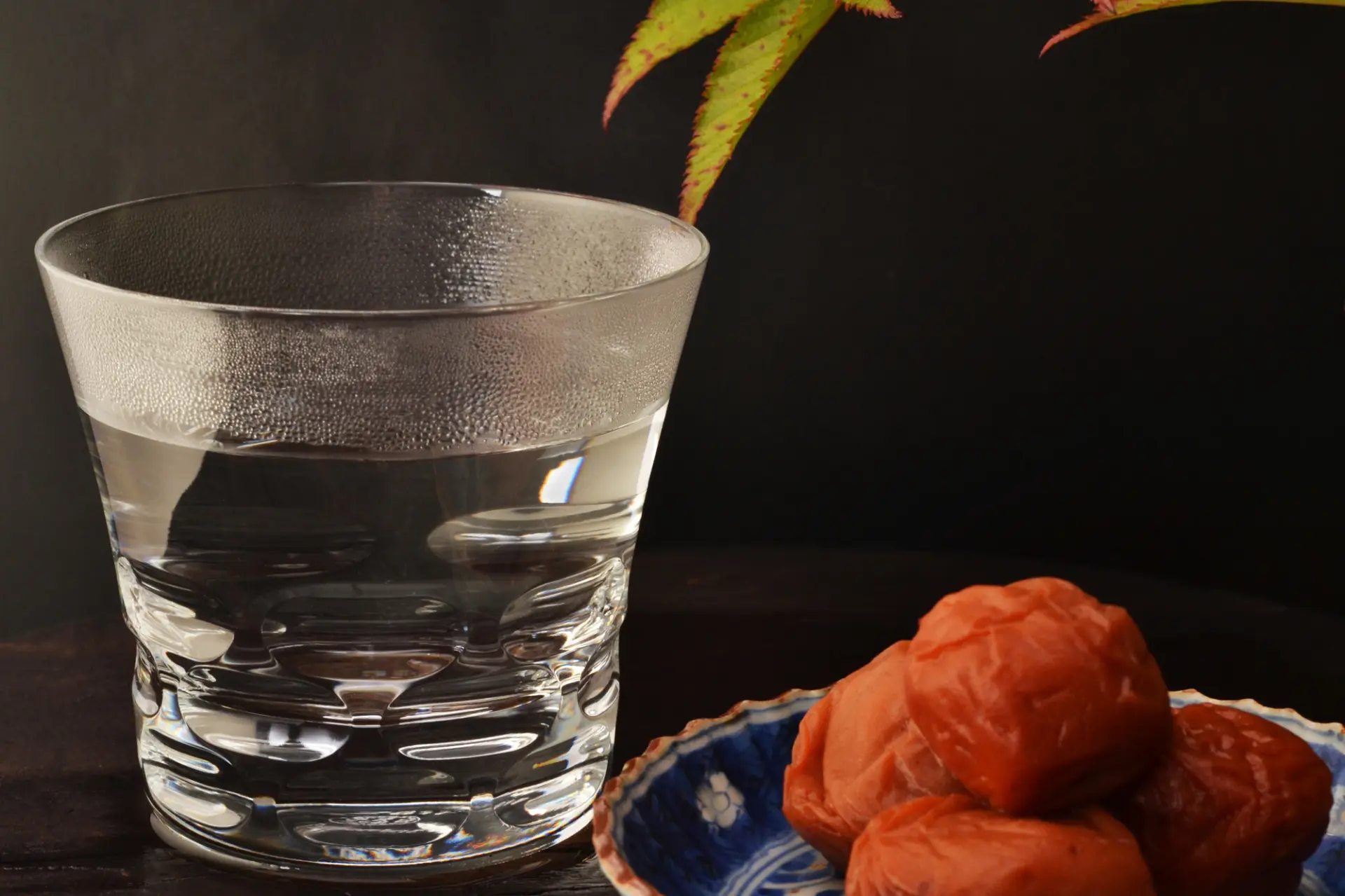
Brown sugar shochu is honkaku shochu made mainly from rice koji and brown sugar produced from sugarcane juice.
It is a one-of-a-kind shochu that is permitted to be made only in the Amami Islands of Kagoshima Prefecture.
It features a fruity aroma from brown sugar and a gentle mouthfeel, yet it is not cloying and has a surprisingly clean finish.
Because it is brewed with rice koji, it also has the delicacy typical of Japanese shochu, and it is especially popular among women because beauty benefits are also expected.

Buckwheat Shochu
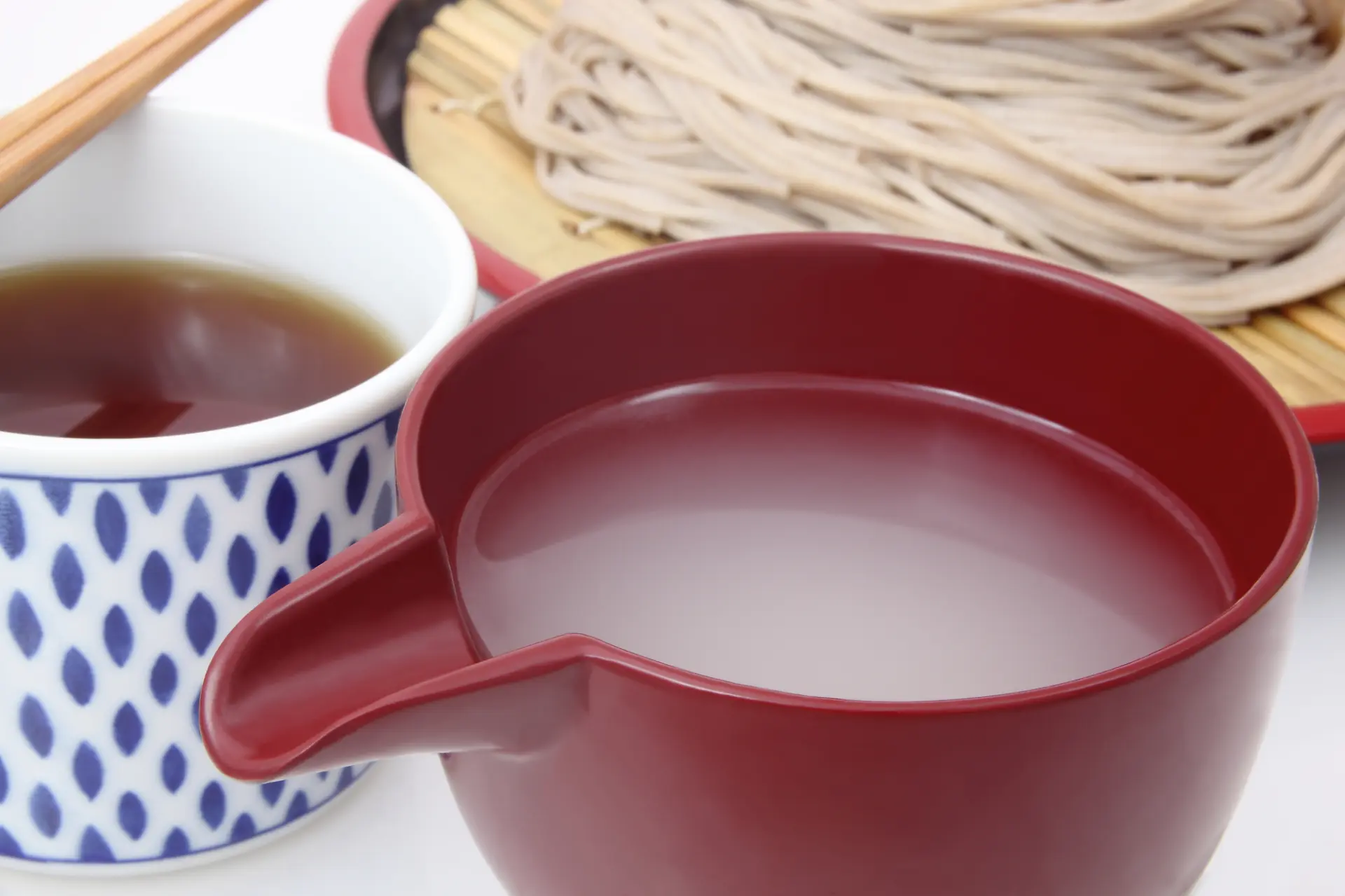
Buckwheat shochu is honkaku shochu made mainly from buckwheat kernels.
In 1973, Unkai Shuzo in Miyazaki Prefecture became the first in the world to commercialize it successfully, making it a relatively new type of shochu with approx. 50 years of history.
Buckwheat shochu culture has also developed in Nagano Prefecture and Hokkaido, both famous buckwheat-producing areas, and distinctive regional brands have emerged.
The overall flavor is gentle and smooth, with an even lighter impression than barley shochu and few strong quirks or off-flavors.
Its appeal lies in the faint buckwheat-derived flavor that softly rises through the nose.
Other Varieties
In addition to the five types mentioned above, shochu made with a wide variety of ingredients can be found throughout Japan.
Under the Liquor Tax Act, honkaku shochu may be made if certain conditions are met, and beyond the representative ingredients, 49 kinds of grains and vegetables are eligible.
Examples include chestnuts, sesame, potatoes, corn, and sake lees, showing just how broad the range is.
In recent years, distinctive ingredients such as pumpkin, milk, and carrots have also increased, further expanding the possibilities of shochu.
They may not be widely distributed, but discovering an unfamiliar brand is one of the great pleasures of shochu culture.
Basic Shochu Production Process
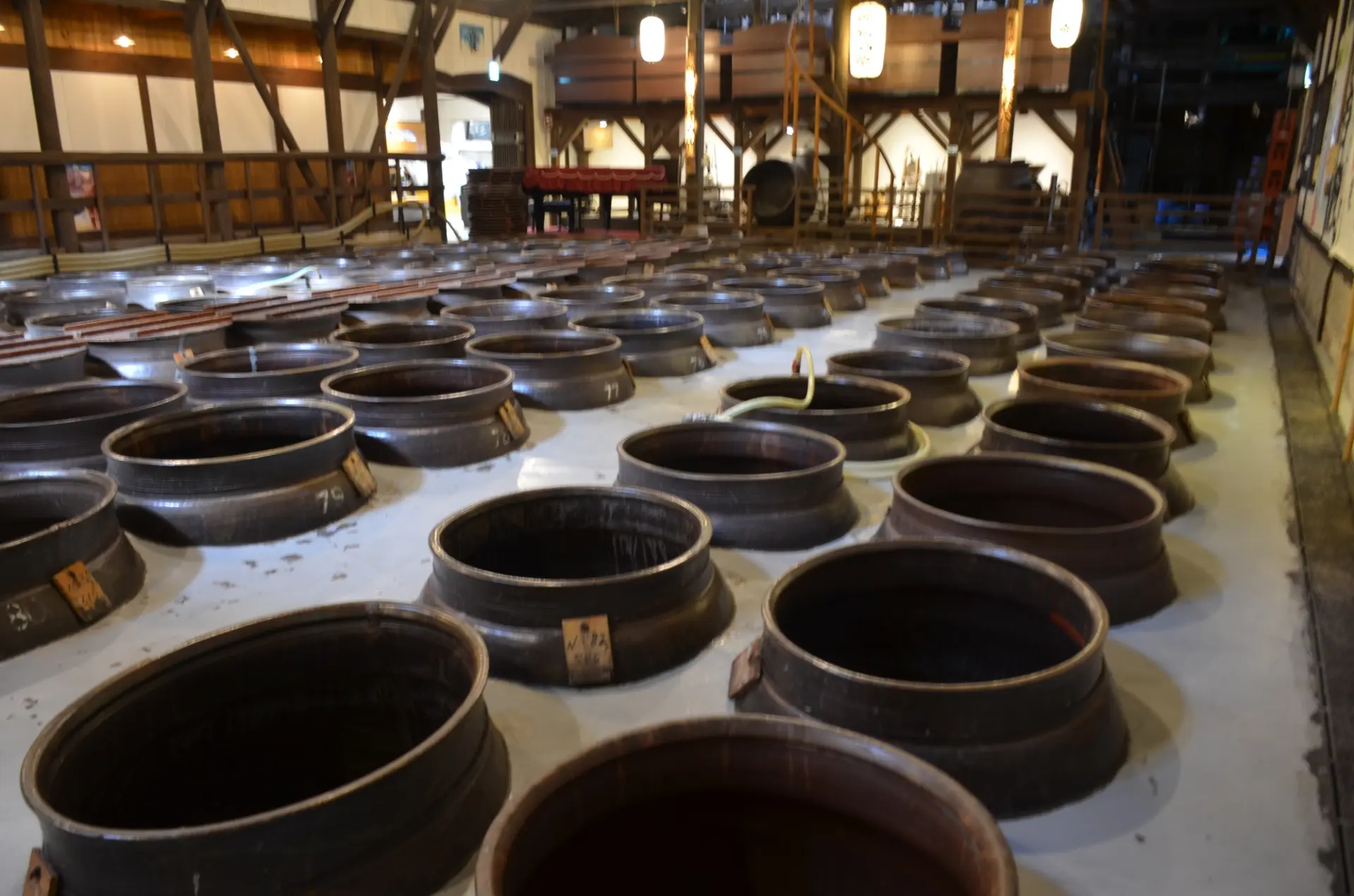
The general production process for shochu is as follows. Details vary by brewery and brand.
Knowing how shochu is made will deepen your impression and appreciation of the flavor when you actually drink it.
Some liquor makers and breweries offer tours of the production process, so visiting one can also be a great part of your trip.
Korui Shochu Production Process
| Process | Details |
|---|---|
| 1. Ingredient Preparation | Prepare and adjust ingredients such as molasses and corn |
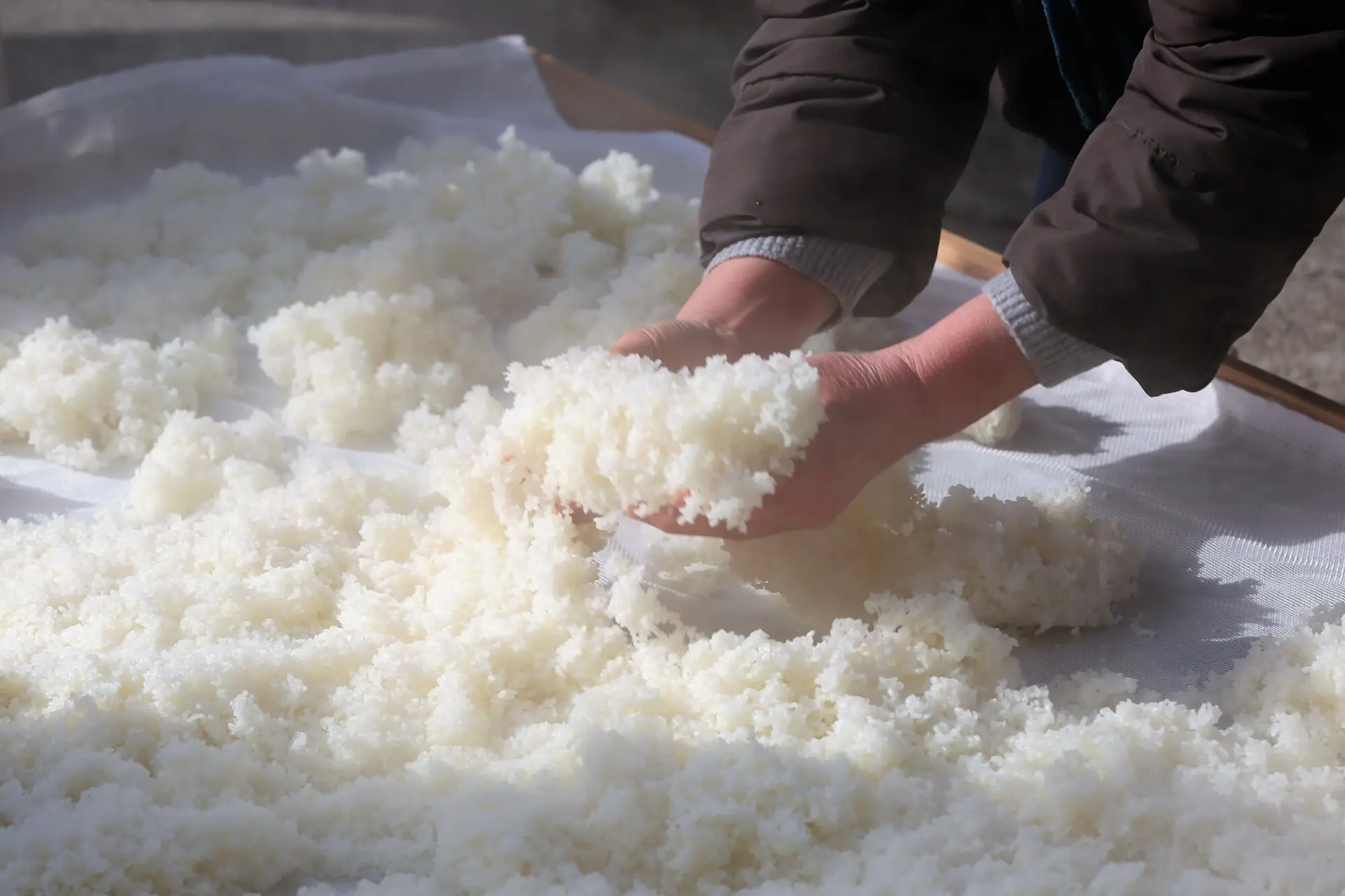
| 2. Saccharification | Convert the starch in the ingredients into sugar |
| 3. Fermentation | Add yeast to convert sugar into alcohol *At this stage, “moromi” is created |
| 4. Continuous Distillation | Distill continuously in a still to extract high-purity alcohol |
| 5. Filtration | Filter with activated charcoal and other materials to further remove impurities and create uniform quality |
| 6. Dilution Adjustment | Add water to adjust the alcohol content to under 36% |
| 7. Bottling and Shipping | Bottle or package according to specifications and ship |
Otsurui Shochu Production Process
| Process | Details |
|---|---|
| 1. Ingredient Preparation | Wash and steam main ingredients such as sweet potatoes, barley, and rice to make them ready for use |
| 2. Koji Making |
Grow koji mold on the ingredients to make koji *This is the most important step in determining the flavor of shochu, and there are three types: black koji, white koji, and red koji |
| 3. First-Stage Mash | Combine koji, water, and yeast, ferment for approx. one week, and increase the shubo, or yeast starter |
| 4. Second-Stage Mash | Add the steamed main ingredient and water to the first moromi, then ferment for approx. two more weeks |
| 5. Pot Still Distillation | Distill the finished moromi only once in a pot still to extract alcohol while preserving the flavor of the ingredients |
| 6. Filtration | Remove excess components and adjust the flavor and quality |
| 7. Storage and Aging | Store the distilled shochu in tanks, clay jars, and other vessels for a certain period to mellow and age the flavor |
| 8. Bottling and Shipping | Bottle or package according to specifications and ship |
How Shochu Differs from Other Alcoholic Drinks
Next, we’ll introduce the differences between shochu and sake, awamori, and whiskey.
Many people may be surprised to learn how each one differs.
Once you understand their characteristics and individuality, comparing them becomes even more enjoyable, so use the following as a guide.
Differences Between Shochu and Sake
Shochu and sake are both representative Japanese alcoholic drinks, but they differ greatly in production method and ingredients.
As mentioned above, shochu is a distilled spirit made by distilling fermented moromi; it usually has an alcohol content of around 25% and is loved for its clean drinking style.
Sake, on the other hand, is a brewed alcohol made by fermenting rice, with an alcohol content of around 15%, and is known for a delicate, mellow taste infused with rice-derived umami and sweetness.
Also, shochu can be made from barley, buckwheat, and other grains, while sake is basically made only from rice.

Differences Between Shochu and Awamori
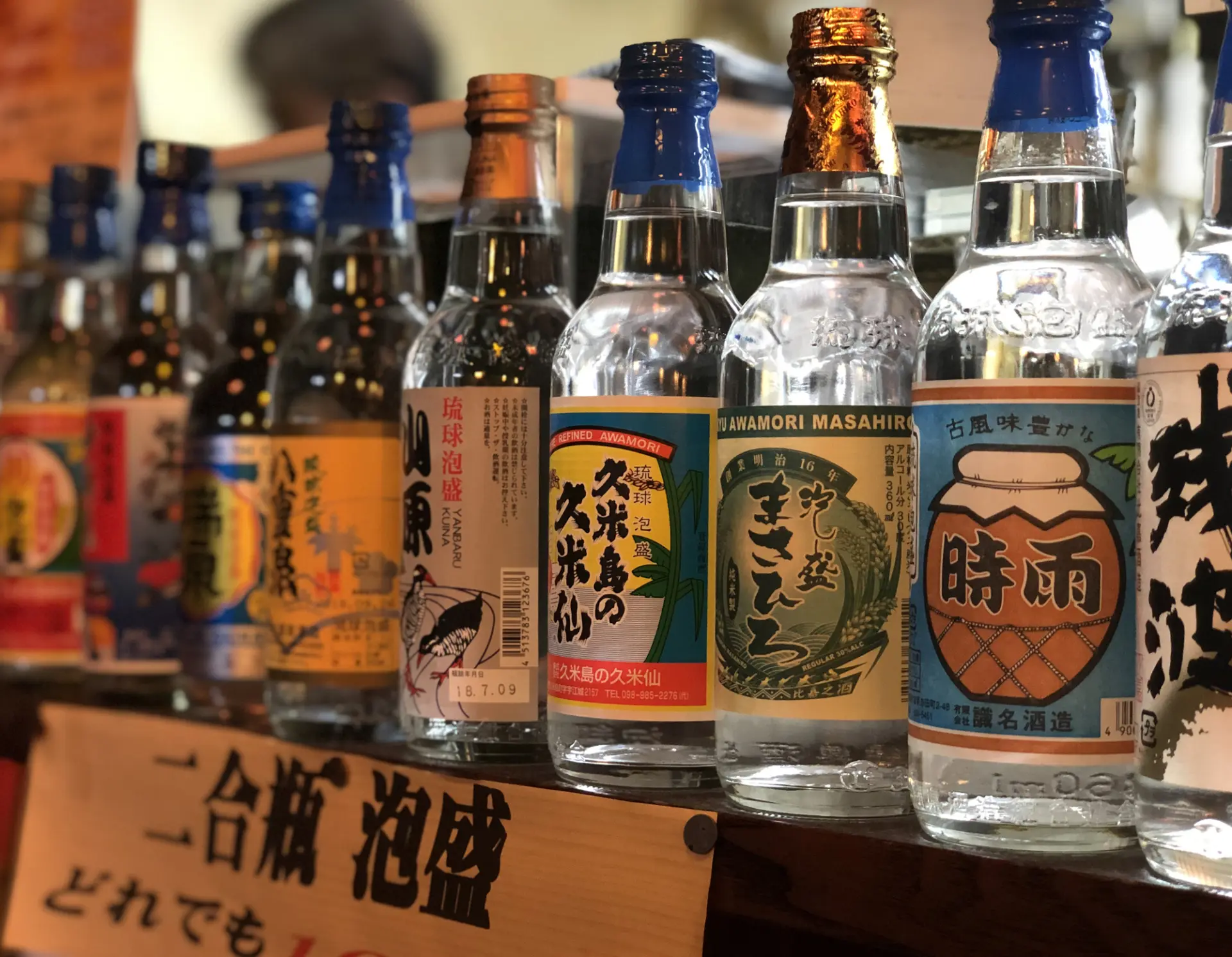
Awamori is a traditional distilled spirit from Okinawa Prefecture, and under the Liquor Tax Act it is classified as otsurui shochu.
It is made only from Thai rice, Indica rice, and uses a method called all-koji preparation, in which only black koji is used and fermentation is done all at once.
This gives it a powerful, full-bodied taste and a distinctive aroma, and the sweetness reminiscent of vanilla is what sets it apart from regular shochu.
Awamori aged for at least three years is called kusu, or aged awamori, and a major feature is that it gains depth as the years pass.
Differences Between Shochu and Whiskey
Shochu and whiskey are both distilled spirits, and depending on the brand, they can have many similarities.
The main differences are the production process and storage, or aging, method.
Shochu is made by distilling after fermentation, but it is not necessarily intended for long-term aging; it is known for a light, easy-drinking character that brings out the natural flavor of the ingredients.
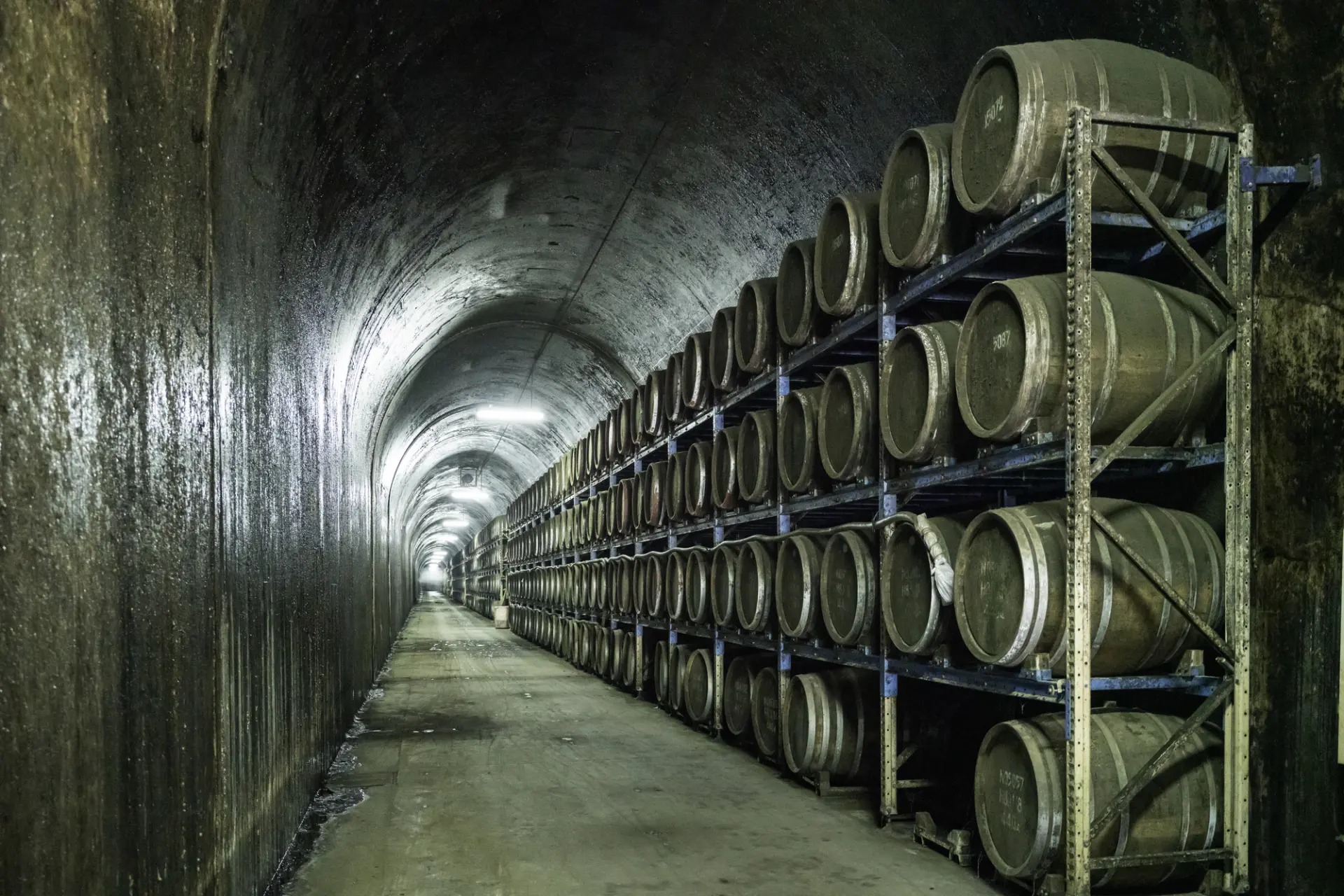
Whiskey, on the other hand, is aged for a long period in wooden barrels after distillation, creating complex, deep aromas such as vanilla and smoke.
Also, during saccharification, shochu uses koji, while whiskey uses malt.

How to Drink and Enjoy Shochu
Shochu offers many ways to drink it and can be enjoyed in a variety of styles.
Even the same brand can reveal different aromas and flavors, and being able to change how you drink it according to your taste, the season, or your mood is part of its appeal.
Here are some popular ways to enjoy shochu.
Straight
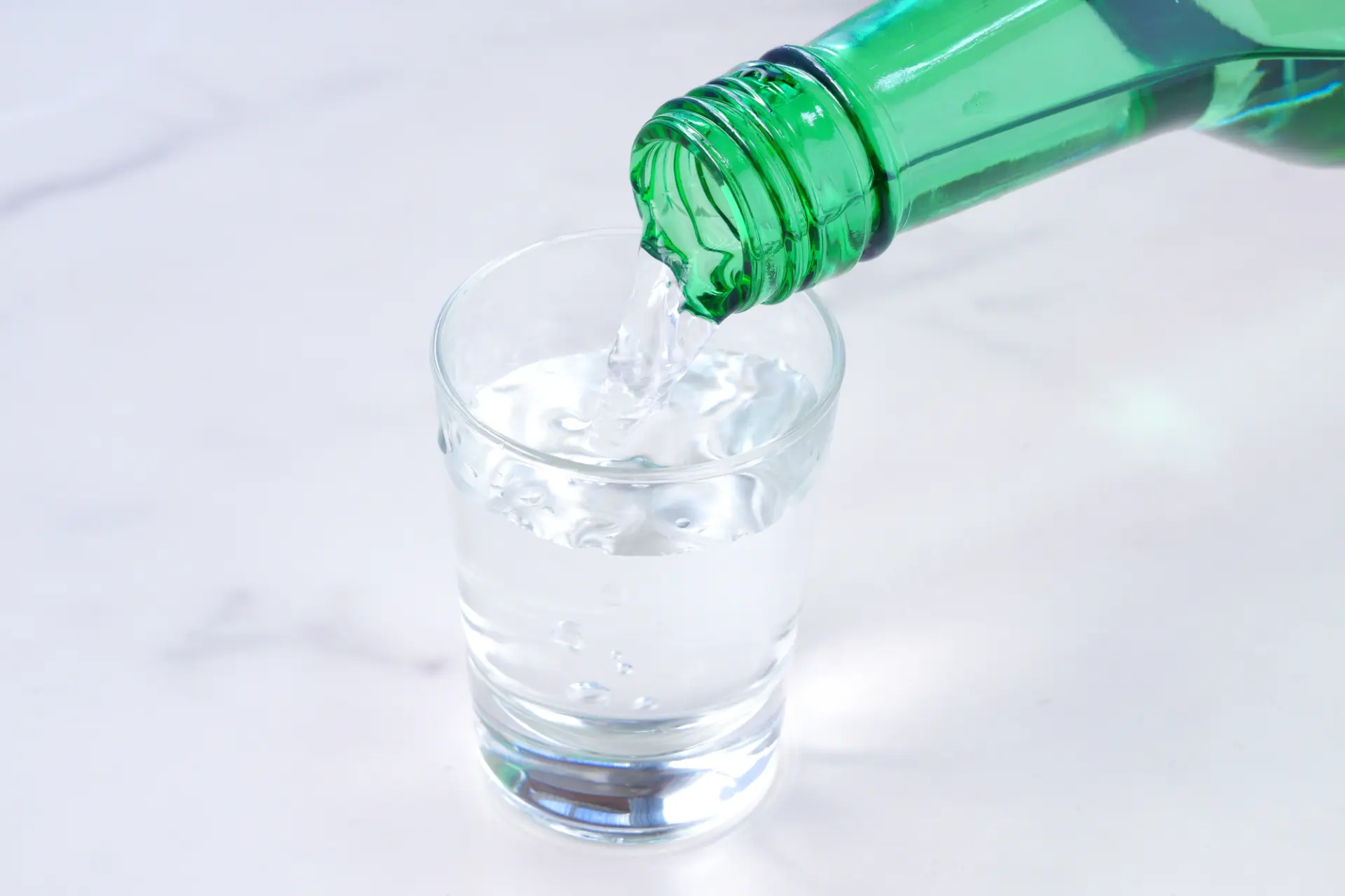
Straight means drinking shochu as it is, without adding anything.
It is the easiest way to sense the spread of aromas from the ingredients and the most direct way to enjoy a brand’s character and individuality.
Because the alcohol is strong and the drink has weight, it is common to sip it slowly in small amounts.
Since there is no change in flavor from water or ice, you can drink at your own pace while directly experiencing the maker’s intent.
Recommended for people who want to savor the original appeal of shochu.
On the Rocks
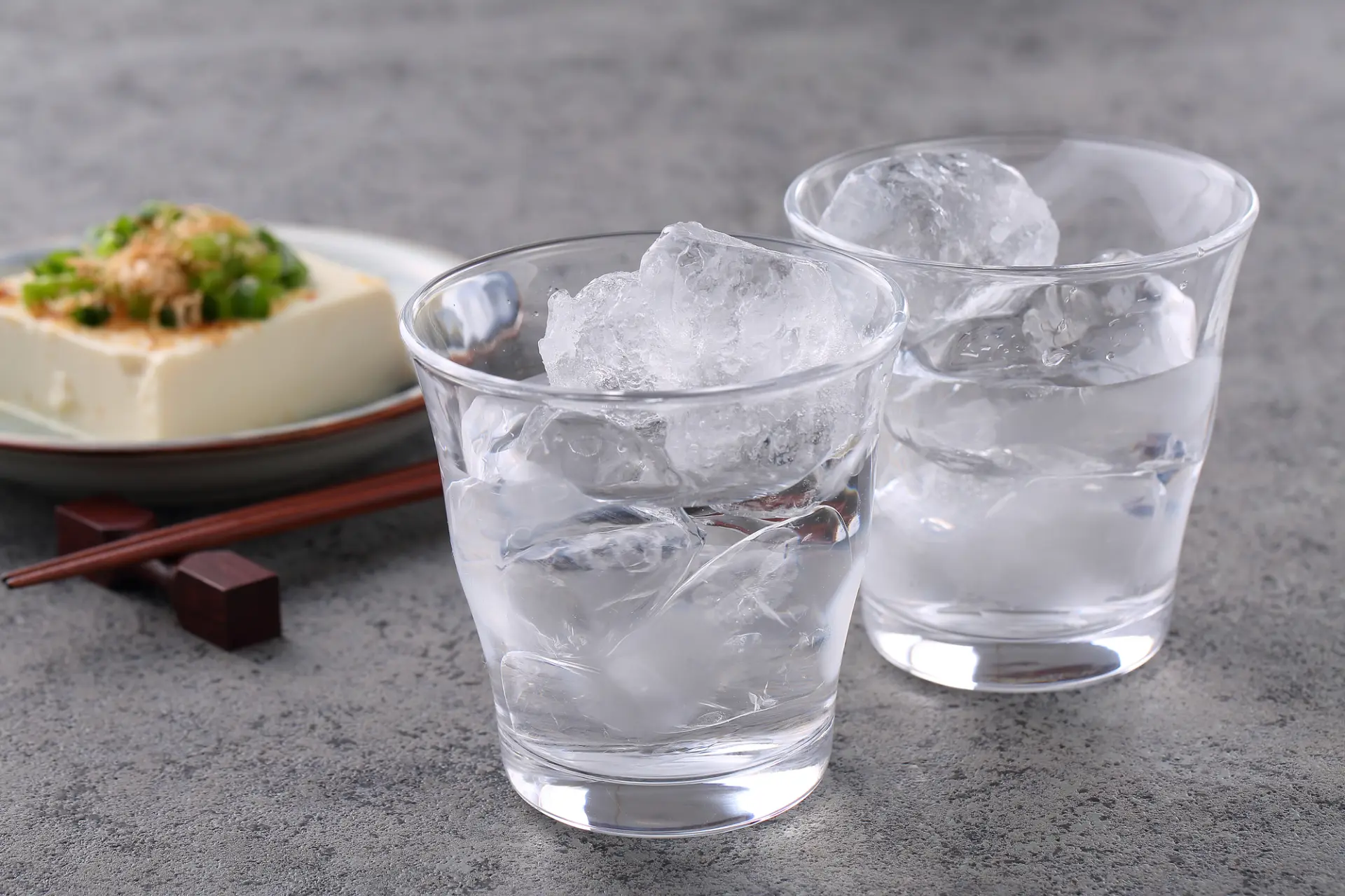
On the rocks is a style of drinking shochu poured into a glass with ice.
As the ice slowly chills the drink, the mouthfeel becomes tighter, and as time passes, the ice melts and the flavor changes. This is one of its biggest features.
At first, you can sense firm richness and aroma, and as water is gradually added by the melting ice, the drink becomes lighter.
It is less sharp than drinking it straight and less diluted than mixing it with water, letting you enjoy it cold while preserving the flavor.
With Water
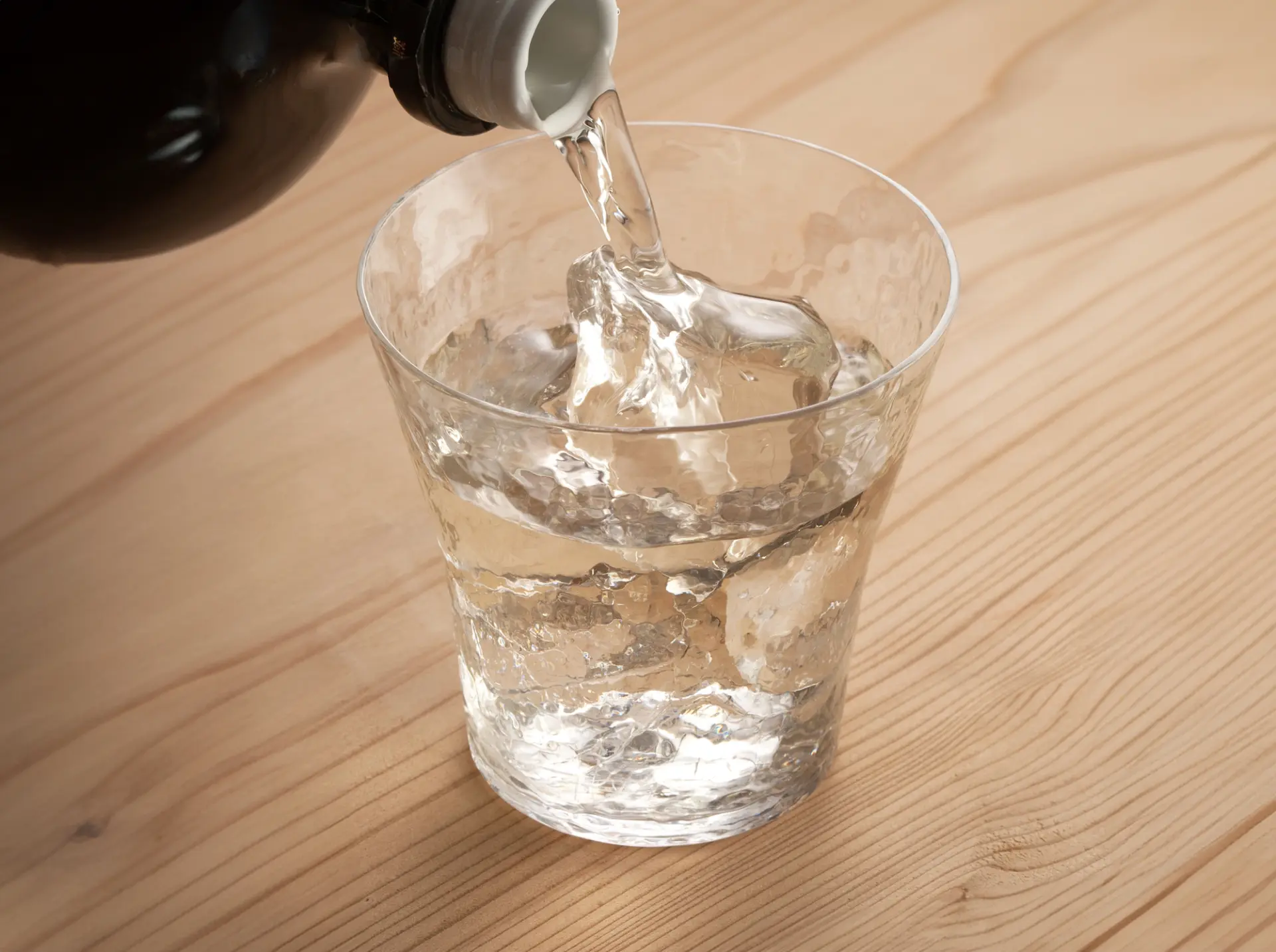
Mixing shochu with water is a classic way to enjoy it.
A common guideline is approx. six parts shochu to four parts water, but you can freely adjust the strength to your taste.
It softens the alcohol while drawing out the aroma and umami of the shochu in a balanced way.
The mouthfeel becomes smoother, and each brand’s individuality spreads gently.
Compared with straight or on the rocks, it is easier to drink and pairs well with food, making it recommended for shochu beginners.
With Hot Water
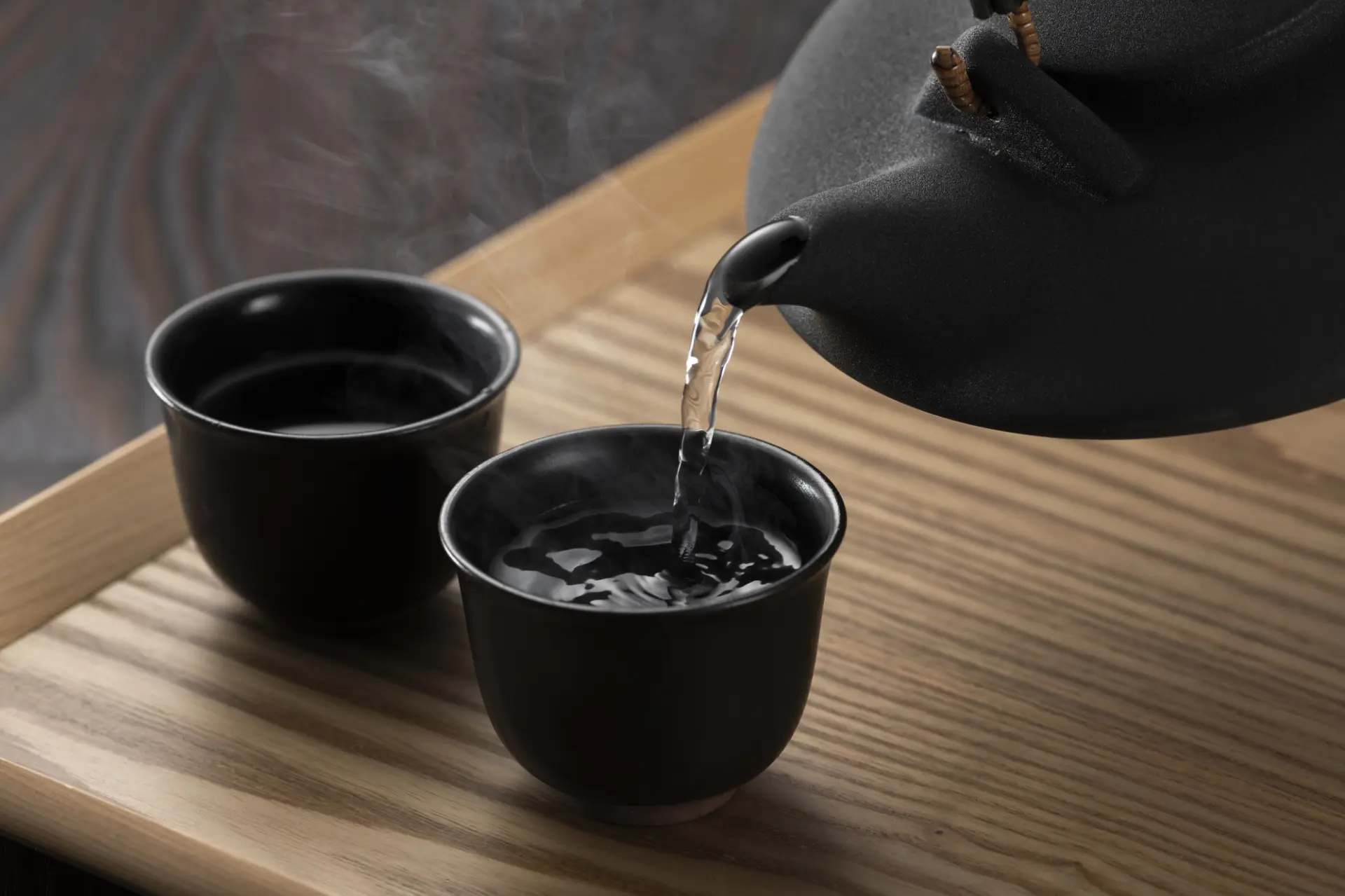
Mixing shochu with hot water is another way to enjoy it.
Generally, hot water is poured first and shochu is added afterward, creating natural convection so the drink blends evenly and becomes mellow.
The aromatic components of the shochu also volatilize, allowing the ingredient-derived flavors to spread softly with the steam.
It can warm the body from the inside, making it perfect for an evening drink on a cold day or a relaxing after-dinner moment.
With Tea or Soda
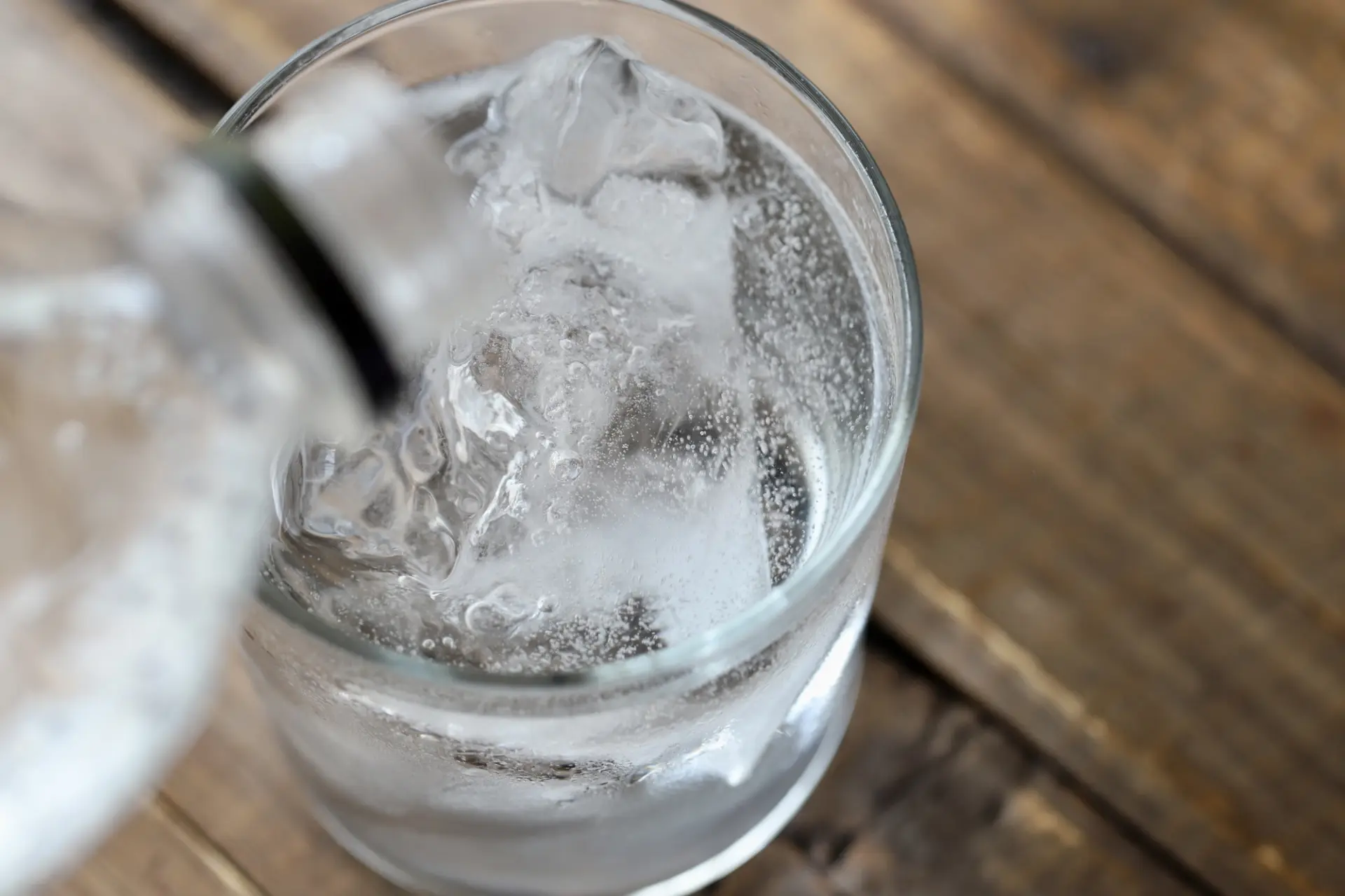
Mixing shochu with tea or soda is a casual way to enjoy its easy-drinking quality and versatility.
Tea mixing uses green tea, oolong tea, hojicha, and other teas, creating a distinctive taste as astringency and roasted notes overlap.
Soda mixing creates a refreshing finish by combining shochu with soda water, resulting in a light, crisp drinking style.
Both keep the individuality of the shochu while making it more approachable, so they are popular with everyone from beginners to enthusiasts.
How Beginners Can Choose Shochu
Many people may wonder what to focus on when ordering shochu.
Because there are many types and ways to drink it, and because flavor and aroma vary by brand, beginners may find it difficult to take the first step.
Use the basic selection tips below as a guide.
Easy Drinkability
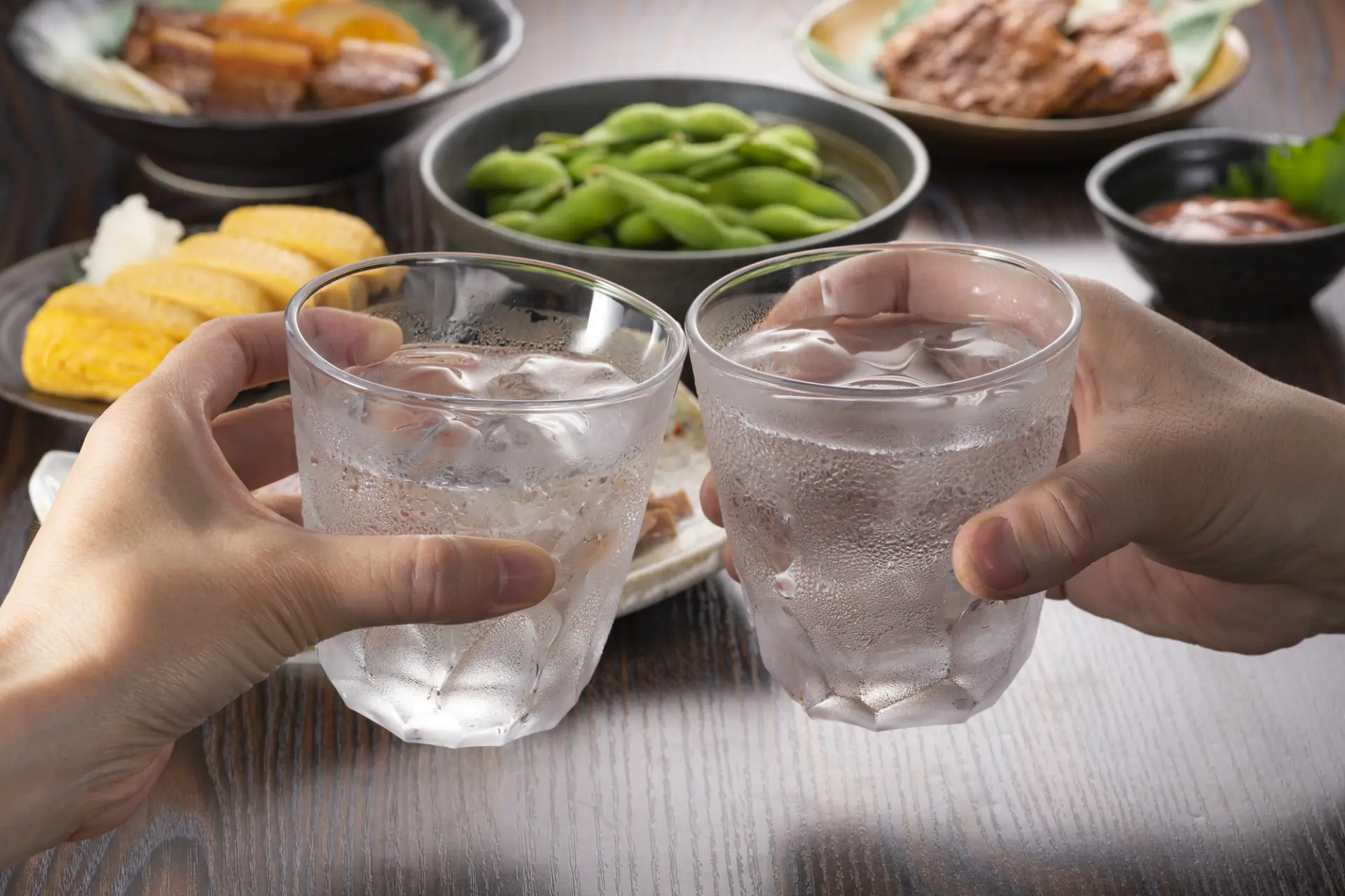
When choosing shochu, using easy drinkability as your guide can help you avoid disappointment.
The key point is how strong its quirks are; lighter types are easier for beginners to accept.
For example, barley shochu, rice shochu, and vacuum-distilled brands have a clean taste while still giving you a sense of shochu’s character.
For how to drink it, starting with water or soda is recommended because the alcohol is moderately diluted.
First, enjoy it casually, and once you gradually get used to it, try expanding your options with styles such as on the rocks.
Aroma
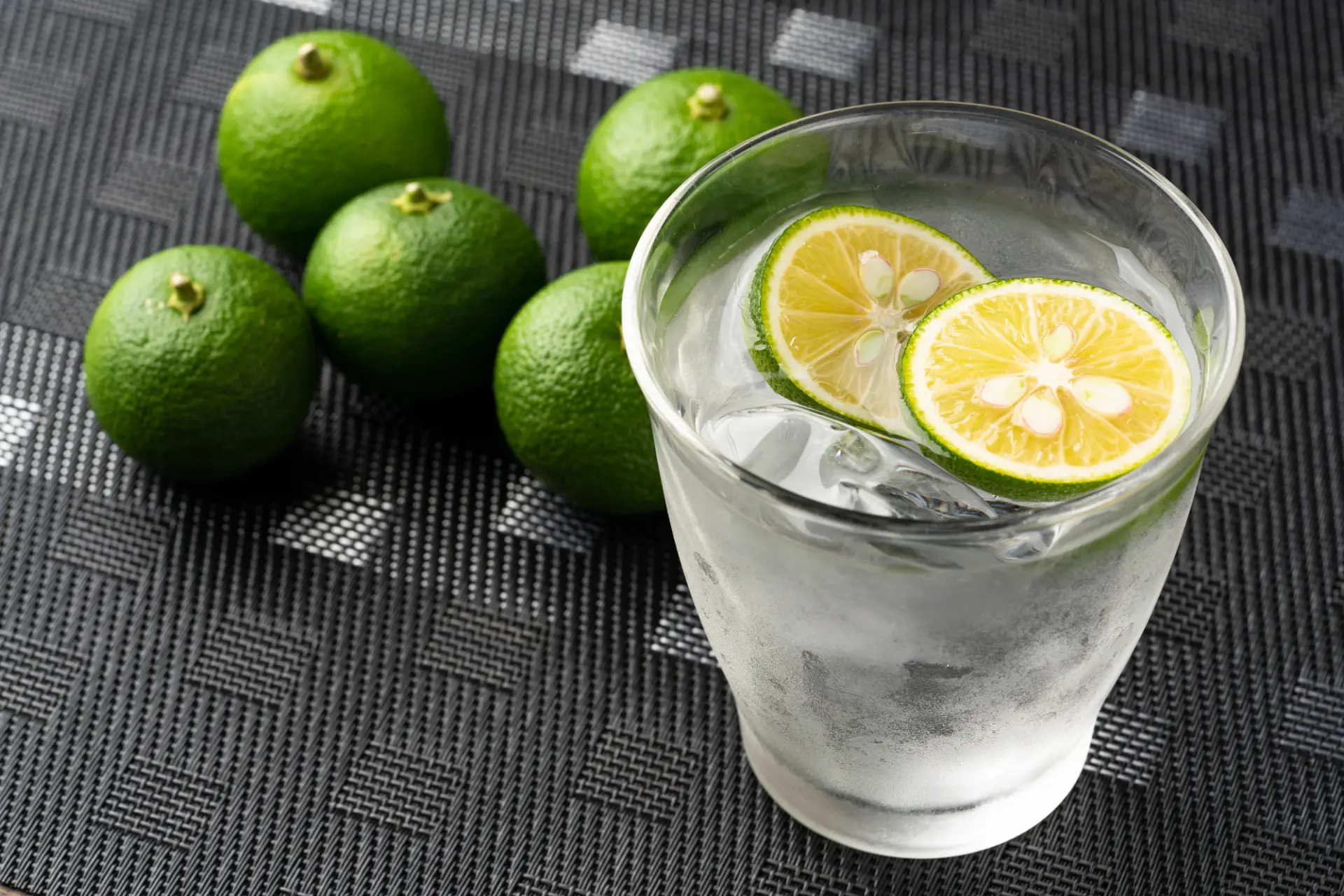
When choosing shochu, aroma is just as important as flavor.
It varies greatly by ingredient, koji, and distillation method, and learning which aromas you like is the shortest path to finding a favorite bottle.
If you do not like distinctive flavors, try barley shochu or rice shochu with fewer strong quirks; if you want to enjoy the individuality unique to shochu, try sweet potato shochu.
In every case, the aroma spreads softly from the moment it is poured into the glass, letting you appreciate the appeal of each brand.
Incidentally, shochu made with yellow koji develops a fruity, elegant aroma, making it perfect if you like sake or fruit liqueurs.
Pairing with Food
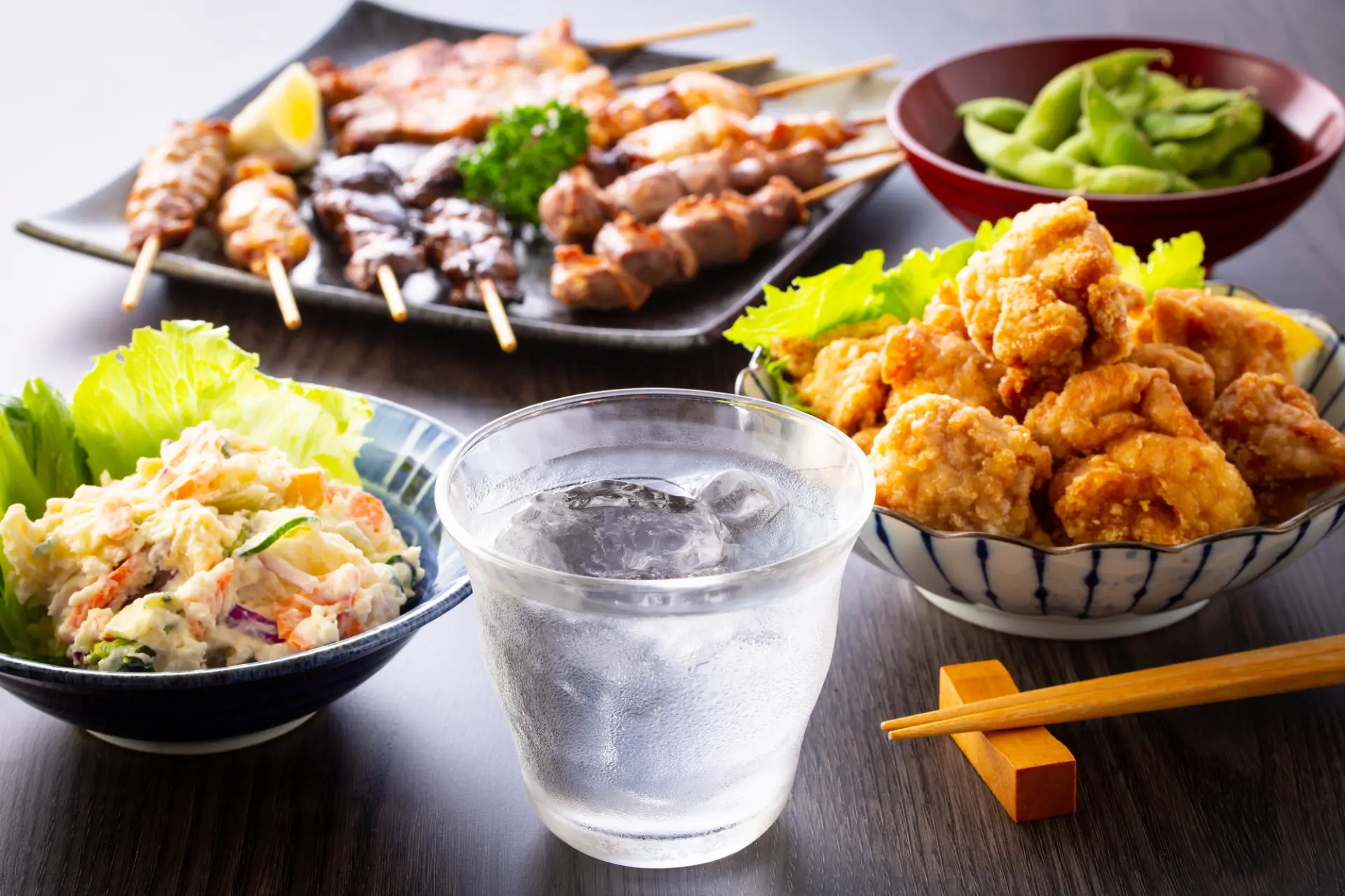
If you are unsure which shochu to choose, it is also recommended to consider how it pairs with the food you are eating.
Shochu is excellent as a drink with meals, and pairing it with food brings out its true appeal.
For example, rich sweet potato shochu works well with meat dishes, while light barley shochu and rice shochu are ideal with Japanese cuisine, increasing the satisfaction of the entire meal.
Shochu is also deeply connected to regional climate, terroir, and food culture, so enjoying it with local dishes from its production area creates a more unified and delicious experience.
Classic pairings include sweet potato shochu with kurobuta pork dishes in Kagoshima, and barley shochu with fish dishes in northern Kyushu.
A brand you encounter while traveling will open up a new world of shochu along with the memories of your trip.
Four Classic Shochu Brands Recommended for Your First Bottle
Next, we’ll introduce one popular brand each of sweet potato, barley, rice, and brown sugar shochu.
These are standard choices with distinctive character, easy drinkability, accessible price ranges, and wide availability.
If you are unsure what to drink, try one of these.
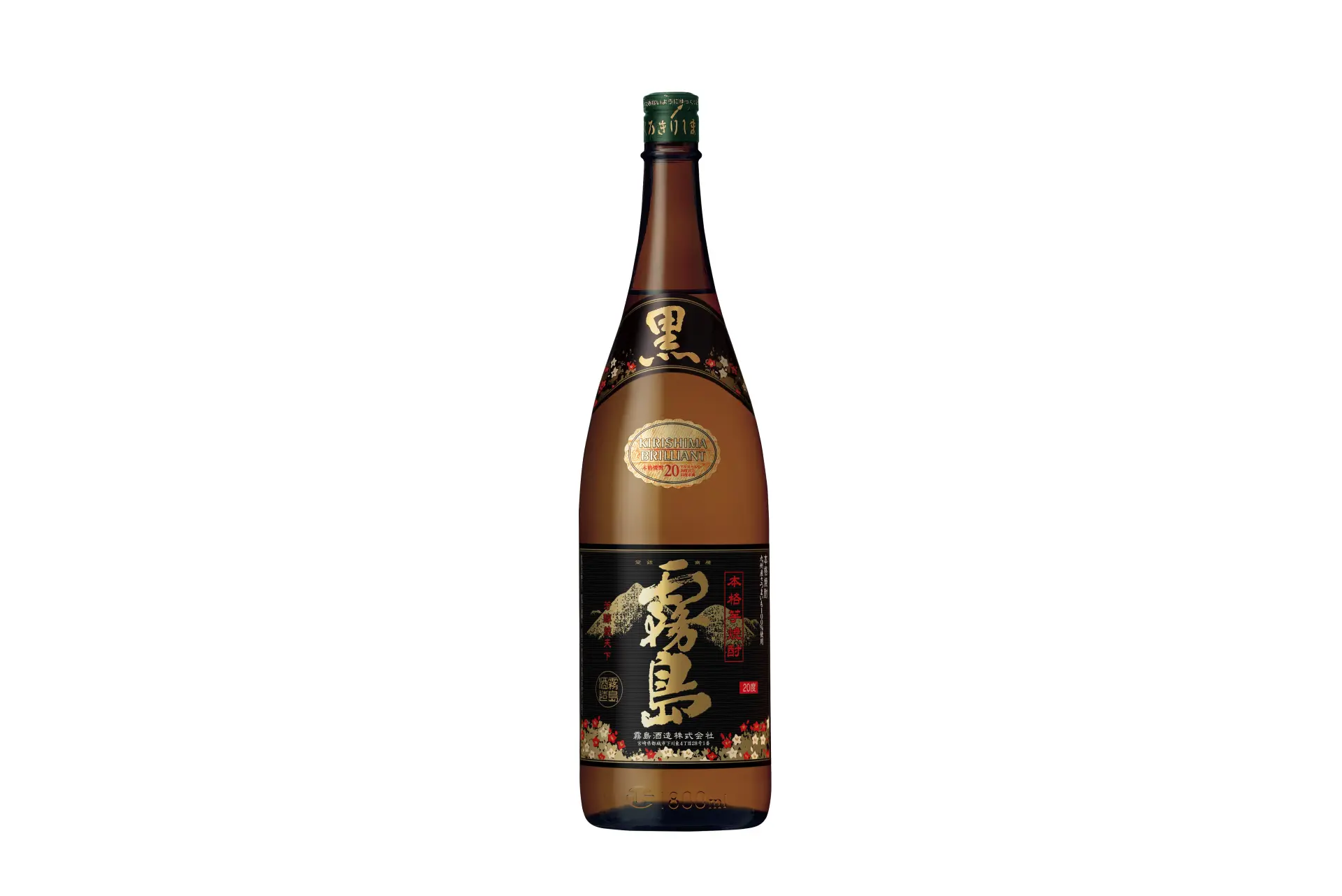
1. [Sweet Potato Shochu] Kuro Kirishima
Kuro Kirishima is a representative sweet potato shochu made by Kirishima Shuzo in Miyazaki Prefecture.
Affectionately known among fans as “Kurokiri,” it is one of the brands that helped drive the shochu boom.
Its greatest features are the depth of richness from black koji brewing and its soft, slightly viscous mouthfeel.
Sweetness from sweet potatoes harmonizes with a full, layered aroma, giving it the strength typical of sweet potato shochu while also making it easy to drink.
Because its character is not too intense, it is easy for beginners to enjoy and pairs exceptionally well with Japanese, Western, and Chinese dishes.
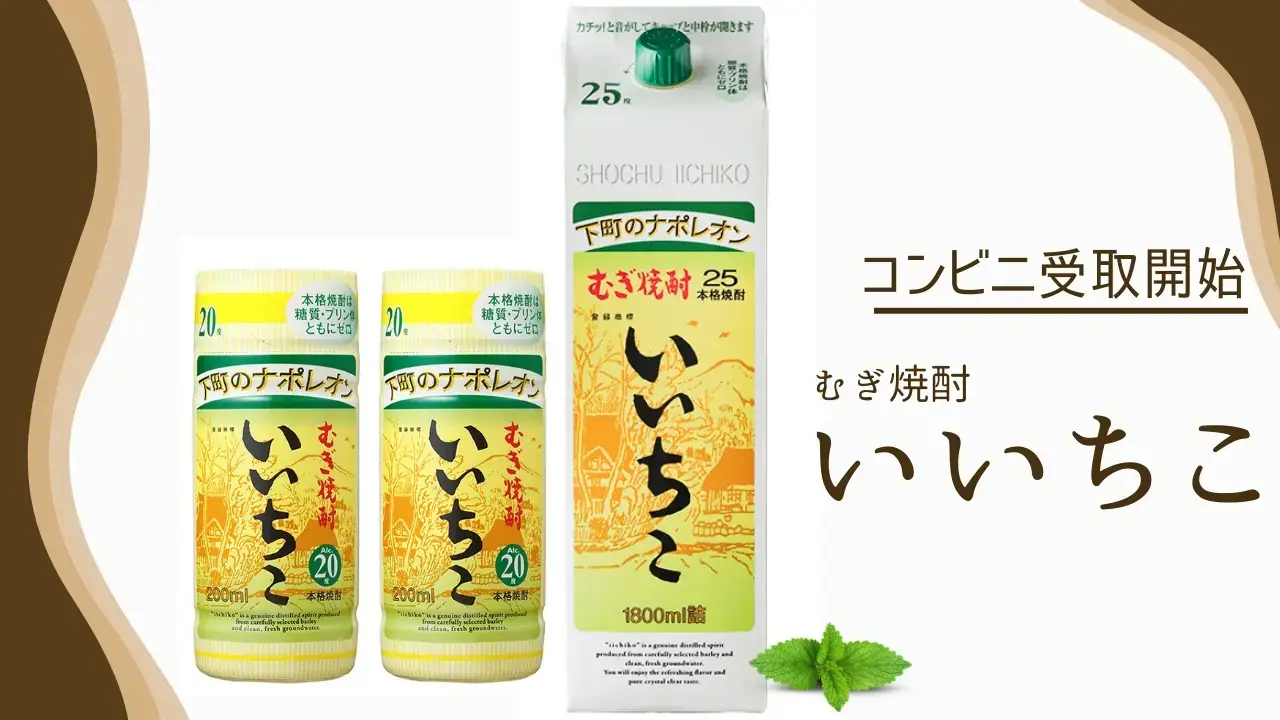
2. [Barley Shochu] Iichiko
Iichiko is a representative barley shochu brand made by Sanwa Shurui in Oita Prefecture.
Widely known by the nickname “Napoleon of the Downtown,” it is a long-selling brand that ranked first in domestic shochu sales for seven consecutive years from 2003 to 2009.
Its hallmark is a clean taste made with carefully selected barley and natural water.
When you take a sip, refreshing richness spreads, followed by a clean finish with a fruit-like aroma.
It has the distinctive flavor of barley shochu without being too assertive, and its polished quality makes it enjoyable for everyday drinking without becoming tiring.
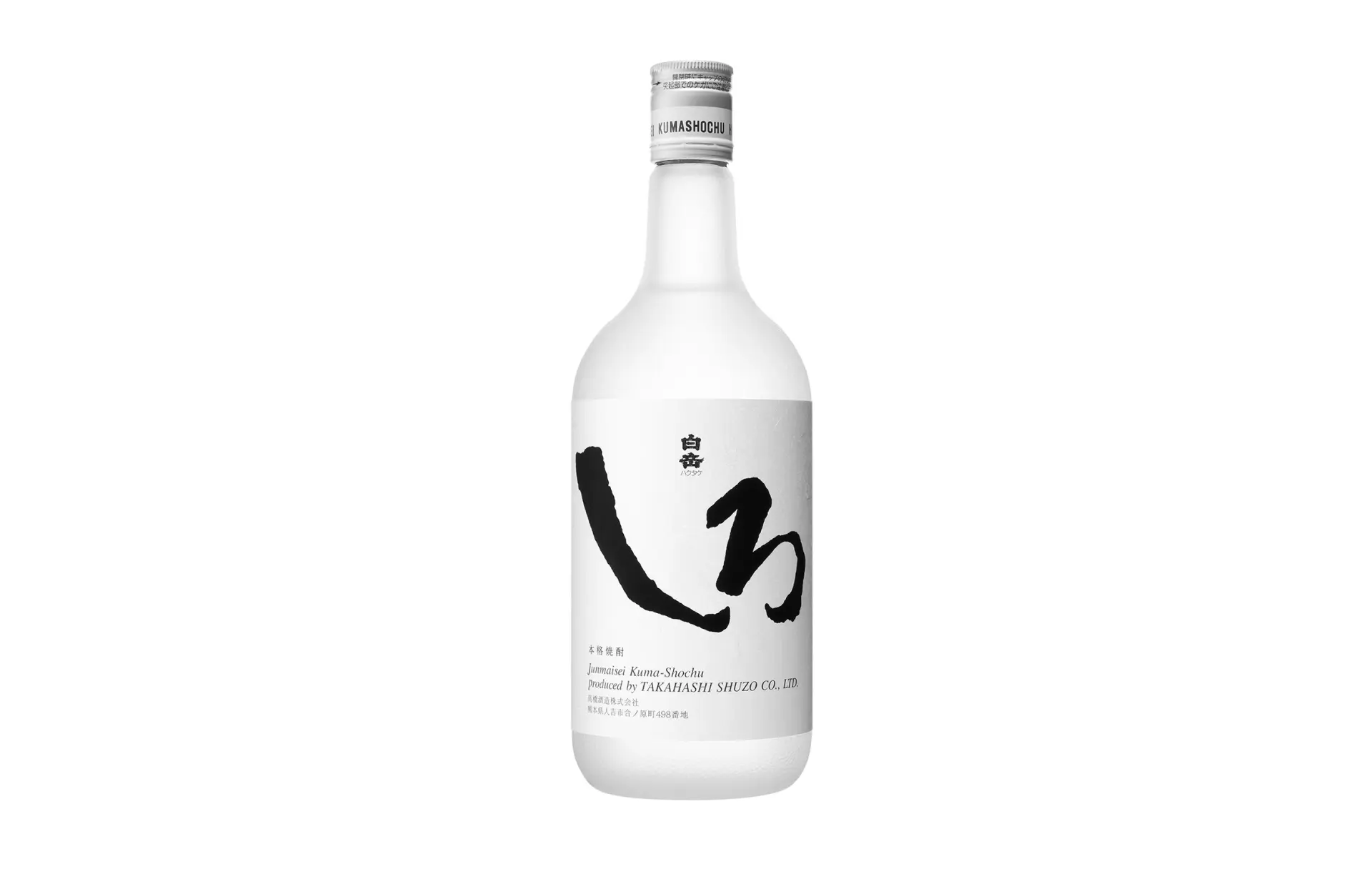
3. [Rice Shochu] Hakutake
Hakutake is a representative rice shochu brand made by the long-established Takahashi Shuzo in Kumamoto Prefecture.
It is the company’s flagship product, marking its 65th anniversary in 2025, and is highly regarded internationally, including winning the Monde Selection Gold Award for seven consecutive years.
Made only with high-quality rice and cool underground water from the Kyushu Mountains, it is known for a clean finish that conveys the flavor directly.
Vacuum distillation removes scorched aromas and off-flavors, allowing you to enjoy the elegant aroma and mellow mouthfeel unique to rice shochu, along with a clear umami.
4. [Brown Sugar Shochu] Lento
Lento is a brown sugar shochu made by Amami Oshima Kaiun Shuzo in Kagoshima Prefecture.
Although the brewery was founded relatively recently in 1996, this popular brand has many fans in Japan and overseas.
Its greatest feature is “acoustic aging,” in which it is slowly aged while classical music by composers such as Mozart and Beethoven is played for approx. three months.
The vibrations of the music make clusters of water molecules smaller, enveloping the alcohol molecules and creating a rounded, pleasant taste.

Shochu Trivia
Finally, let’s look at some shochu trivia.
If you learn these points along with the basics introduced so far, your understanding should deepen even more.
Sharing them with friends or family at a bar is also recommended as a conversation starter.
Shochu Calories, Carbs, and Health Effects
Because shochu is a distilled spirit, sugar is almost entirely removed during production, and its carbohydrate content is basically zero.
Calories, on the other hand, come from the alcohol itself: per 100 ml, 25% alcohol is approx. 140 kcal, while 20% alcohol is approx. 110 kcal.
However, shochu is commonly mixed with water or soda, so in many cases the actual calorie intake can be lower than with beer or sake.
Studies also suggest that it has a mild effect on blood sugar, contains few purines, and may help keep the blood flowing smoothly.
Shochu Has No Best-Before Date
As a general rule, shochu has no best-before date, and there is no legal requirement to display one.
The reason is that impurities and microorganisms are removed during production, the alcohol content is high, and the product has qualities that make it difficult for the quality to deteriorate.
If unopened, it will not spoil even when stored for a long time, and if kept in an appropriate environment, its quality can be maintained.
However, after opening, it comes into contact with air and the flavor gradually changes, so it is better to finish it sooner.
FAQ about Shochu
Q
What is the alcohol content of shochu?
A
Many commonly distributed shochu products are 20% or 25% alcohol, but under the Liquor Tax Act, it is permitted up to under 36% for korui shochu or up to 45% for otsurui shochu.
Q
How should I choose between korui and otsurui?
A
Beginners may prefer korui shochu, which pairs well with mixers, while people who enjoy drinking spirits straight or on the rocks may want to choose otsurui shochu.
Q
What is a recommended way for beginners to drink shochu?
A
Mixing with water is recommended because it gently lets you taste the original flavor of shochu while diluting it, and mixing with soda is also easy to drink because it softens the alcohol and adds a refreshing feeling.
Q
Why is shochu said to be good for the body?
A
Because shochu has almost zero carbohydrates and purines, and it is expected to help reduce stress, keep blood flowing smoothly, and suppress bad cholesterol.
Summary
This article introduced basic information about shochu, including its types, ways to drink it, and recommended brands.
Rather than showiness, shochu values the character of its ingredients. In each glass lives the nature of the region, the passion of its makers, and the history of the people who have continued to drink it.
Even today, it continues to evolve, and the more you learn about its simple yet profound aesthetic, the more you are drawn into its appeal.
When you visit Japan, be sure to try shochu made in the region you are visiting.
It will become a special moment and add color to your trip.