
Verified [Verified] denotes information that has been published with confirmation of its owing parties.
Rinzai Sect Hokoji School Head Temple Hokoji Temple
One of the Tokai area's leading Zen temples, where you can experience the spirit of Zen in quiet mountain surroundings.
Founded by Zen Master Mumon Gensen, son of Emperor Go-Daigo, this is the head temple of the Rinzai Sect Hokoji School and is known as one of the leading Zen temples in the Tokai region.
The temple's principal Shaka Triad statues and the Shichison Bosatsudo Hall are designated Important Cultural Properties of Japan. In addition, 22 structures, including the main hall measuring 32 meters wide and 27 meters deep, the vermilion-painted Sanmon gate, and the three-story pagoda popular among business leaders as a ward against bankruptcy, are registered Tangible Cultural Properties of Japan. Among the 500 Rakan statues scattered across the grounds, there is said to be one that resembles your own face, and many visitors enjoy looking for it as they stroll around.
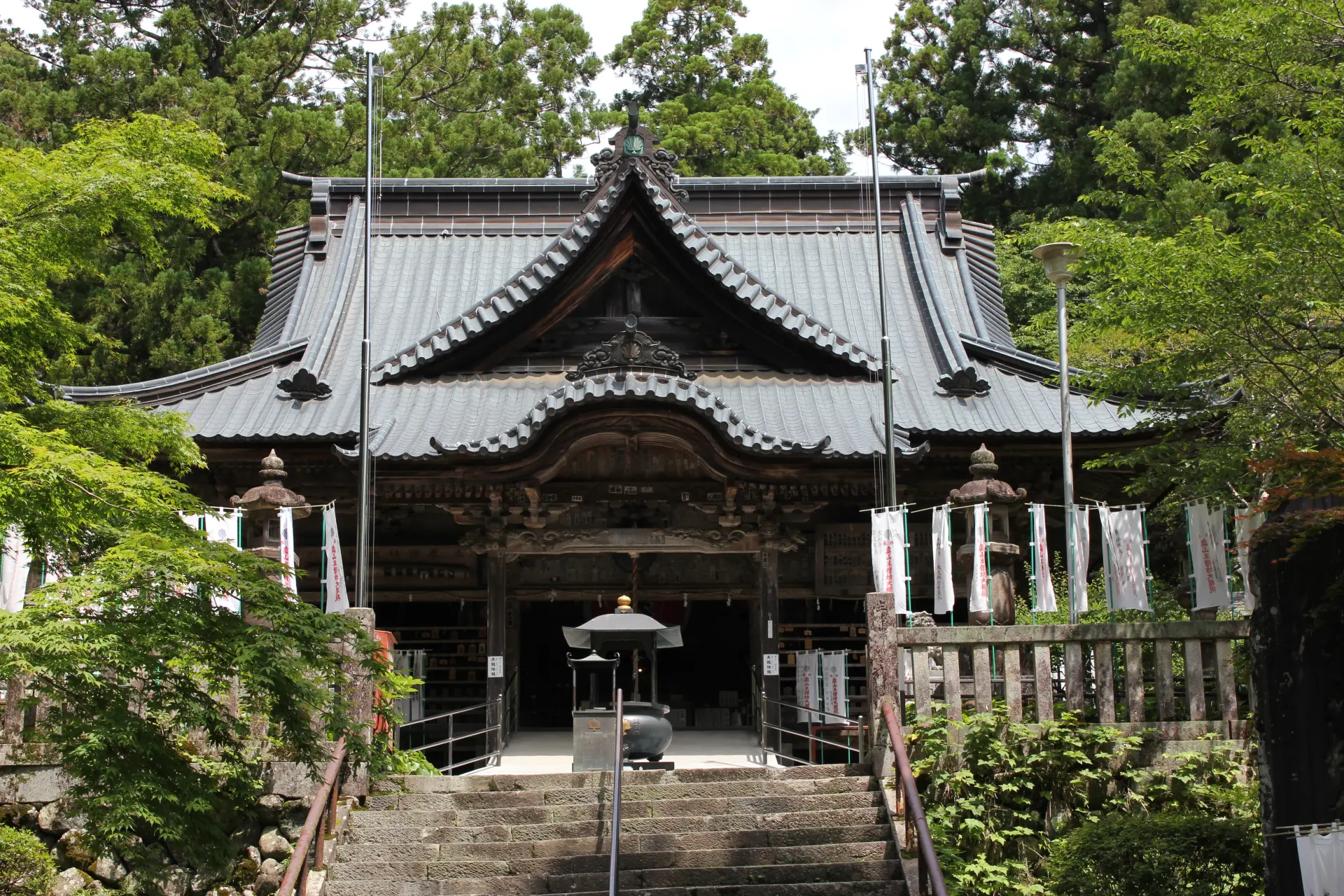
Hansobo Gongen, enshrined in the Shinden Hall, is famous for blessings to ward off misfortune and bring business prosperity. Many worshippers visit during the Hansobo Fire Festival in February and the Hansobo Grand Festival in October, both held in connection with Hansobo, who is also known as a god of fire prevention, making the temple grounds especially lively.
After your visit, enjoy shojin ryori, Buddhist vegetarian cuisine prepared with seasonal ingredients and gentle flavors that feel soothing to the body. Zen experiences such as zazen meditation and sutra copying are recommended for those who want to clear their minds and find calm. An overnight stay experience is also offered on the fourth Saturday of every month.
Highlights
-
The head temple of the Rinzai Sect Hokoji School, known as one of the leading Zen temples in the Tokai region.
-
The Shichison Bosatsudo Hall and Shaka Triad statues are designated Important Cultural Properties of Japan.
-
Twenty-two structures, including the main hall and Sanmon gate, are registered Tangible Cultural Properties of Japan.
-
The Hansobo Fire Festival in February and the Hansobo Grand Festival in October make the temple grounds especially lively.
-
You can also try Zen experiences such as zazen meditation and sutra copying.
Photos
-
The Shinden Hall enshrining Hansobo Daigongen, the temple's guardian deity
-
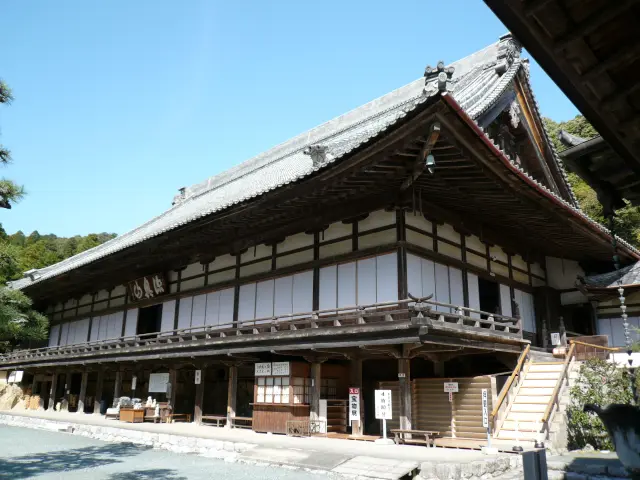
The main hall, one of the largest in the Tokai region
-
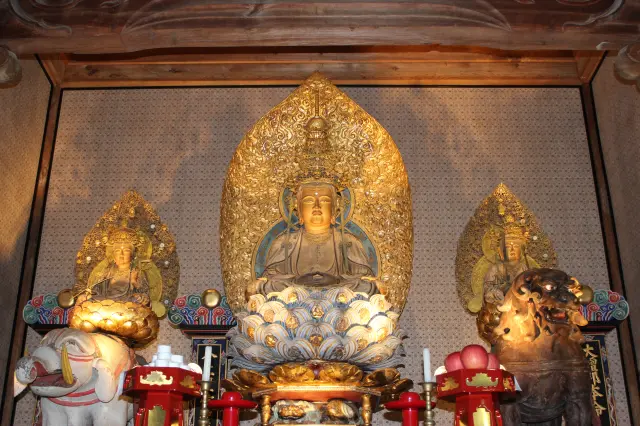
The nationally designated Important Cultural Property, the Shaka Triad statues
-
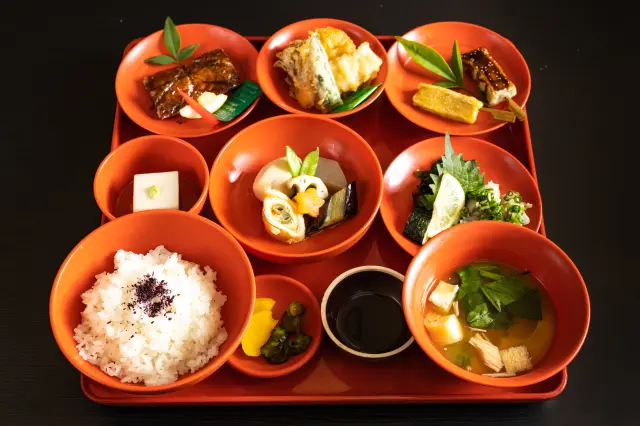
Shojin ryori made with seasonal ingredients is also popular
-
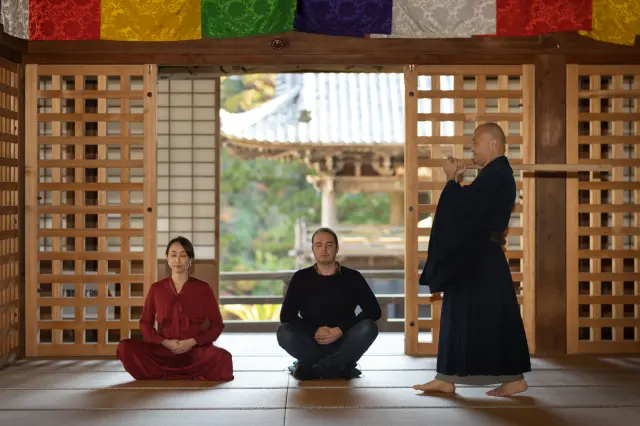
Learn the spirit of Zen through zazen, sutra copying, and overnight stay experiences
Official FAQs
Frequently Asked Questions have been vetted and answered directly by each listing.
Q
Do you offer goshuin temple stamps?
A
Yes.
Q
Is there a parking lot?
A
Yes.
Q
Are there coin lockers?
A
No.
Q
Are there sightseeing spots nearby?
A
Yes.
Reviews
Details
- Name in Japanese
- 臨済宗方広寺派 大本山 方広寺
- Postal Code
- 431-2224
- Address
- 1577-1 Okuyama, Inasa-cho, Hamana-ku, Hamamatsu, Shizuoka 431-2224
- Phone
- 053-543-0003
- Closed on
- December 27–31
- Hours
- 9:00am–4:00pm
- Admission
- Temple admission: Adults 700 yen, elementary and junior high school students 300 yen, day-trip Zen temple experience 5,000 yen (admission fee charged separately)
- Access
- Approx. 8 minutes by car from Shin-Tomei Expressway Hamamatsu Inasa IC
- Credit Cards
- Not accepted
- Official website
- Official website (Japanese)
Popular Articles