

The ski area here in winter isn't very advanced, but it's fine for beginners.
Biwako Hakodateyama Mountain | Review by 陳曉雯
Other Reviews by 陳曉雯
-

Aokishofuan "Milk Manju Tsukigesho"
Treasuring the charm of wagashi (Japanese confections) that encapsulate the beauty of nature and the spirit of seasons in small packages, Aokishofuan creates unparalleled delicacies. While preserving tradition, they also bring new sensibilities to the table. Their "Milk Manju Tsukigesho" consistently tops the manufacturer's best-seller list, boasting over 160 million sales. It stands firm as a signature product and a standard Osaka souvenir.
The milky flavor is really nice but not heavy at all.
It goes great with either tea or coffee.
The outer layer is soft, and the white bean paste mixed with milk inside is surprisingly a perfect match. -
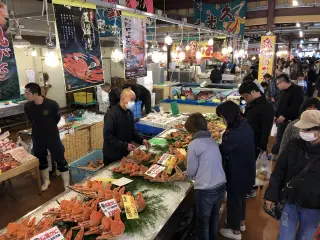
Karoichi Tottori Port Seafood Market
Karoichi is a vibrant seafood market set adjacent to Tottori Port (Karo Port) that’s making a splash with the local catch from the harbor. Swing by here for freshly landed, succulent seafood from Karo Port across all year including hatahata fish and mosa shrimp in spring and autumn, premium iwagaki oysters known as Natsuki and white squid in summer, and Matsuba crab in winter.
If you visit during Matsuba crab season in winter, the whole market is filled with the delicious aroma of crab.
-
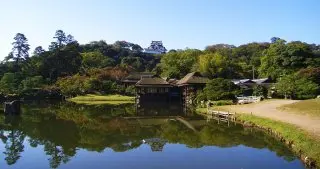
Genkyuen Garden
Hikone Castle, a national treasure, took about 20 years from 1606 for the completion. In 1677, which is approximately 50 years after the castle was completed, Ii Naooki, the fourth feudal lord of Hikone Domain, started building a garden along the moat, and completed the Genkyuen, a Daimyo garden (created by a daimyo / feudal lord at his estate or in the castle town of his domain in the Edo period) in 1679.
This Japanese garden lacks the delicate touch I expected. It didn't quite measure up to others I've seen.