

Aomori has two spots chosen as Top 100 Cherry Blossom Sites, and one of them is Ashino Park! The best part is definitely snapping photos of the Tsugaru Railway train surrounded by cherry blossoms—such a classic scene.
Ashino Park | Review by 謝蘭蘭
Other Reviews by 謝蘭蘭
-
Kazagashira Park
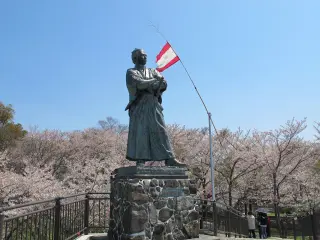
This park is set on the Kazagashira hillside at an elevation of 151.9 meters and is also known as a famous spot for Nagasaki’s traditional hata-age (kite flying). From the observation area, visitors can enjoy sweeping views of the city centered around Nagasaki Port, watching the bustling harbor transform into a shimmering nightscape as day turns to evening.
Since it’s on higher ground, you can see parts of the city from certain spots. The view is pretty nice, but not the kind of place you absolutely have to make a special trip just to take photos.
It’s more suitable if you’re staying nearby or if it happens to be along your route, then you can drop by for a walk, enjoy the breeze, and just zone out for a bit. -
Araki Soba
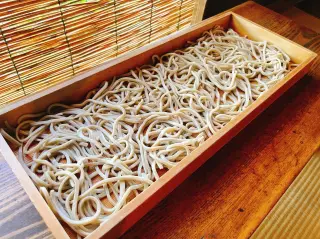
Founded in 1920 (Taisho 9), Araki Soba is a long-established soba restaurant where guests can savor “Itasoba,” a traditional style of soba unique to Yamagata. The dish was originally created by the restaurant’s founder, Kanzaburo Ashino, and later became popular throughout the inland areas of the prefecture. At Araki Soba, the noodles are served on planks of Akita cedar wood, which naturally absorb excess moisture, preserving the noodles’ firm texture and fragrant aroma.
The noodles have a strong buckwheat aroma and are light, not heavy. They have a slight chewiness—not mushy at all. The broth is delicate and not too salty, making it really pleasant to drink.
The restaurant itself is quiet and simple, giving you that comfortable feeling where you just want to stroll out and take a deep breath after your meal. -
Osaka Prefectural Sayamaike Museum
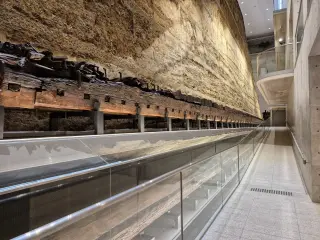
Sayamaike, Japan’s oldest dam-style reservoir, was built 1,400 years ago. Over the centuries, a range of historical figures took part in its repairs, including Gyoki in the Nara period, Chogen in the Kamakura period, and Katagiri Katsumoto in the Edo period. The Osaka Prefectural Sayamaike Museum preserves and displays materials related to civil engineering techniques used in these repairs and flood control.
Inside, it mainly introduces the history of Sayamaike, waterworks engineering, and ancient embankment structures. Surprisingly, it’s easy to understand and not boring at all.
The exhibition area isn’t huge, and the layout is comfortable, so it’s easy to walk around. The highlight is definitely the giant water wall display—it’s seriously impressive.
Overall, it’s quiet, beautiful, and full of atmosphere. Great for people who like taking photos or want an indoor spot to relax for a bit.