
21 Hidden Gems in Japan for a Comfortable Golden Week Trip: Get Away from the Crowds and Travel Freely
Many people imagine that Golden Week travel in Japan means crowds everywhere.
In reality, choosing destinations where attractions are spread out over a wide area—such as Lake Shikotsu, Oirase Stream, Aso, or Ishigaki Island—helps visitors naturally disperse, making it easier to enjoy a relaxed trip even during this busy season.
Here, we introduce spots across Japan selected for their spaciousness and ease of exploring.
Hidden Gems on Hokkaido’s Vast Land
In areas with expansive nature and townscapes, such as Lake Shikotsu, Biei, Kushiro Marsh, and Hakodate Motomachi in Hokkaido, attractions are spread out, so people are less likely to gather in one place. You can enjoy the journey itself while spending time at an easygoing pace.
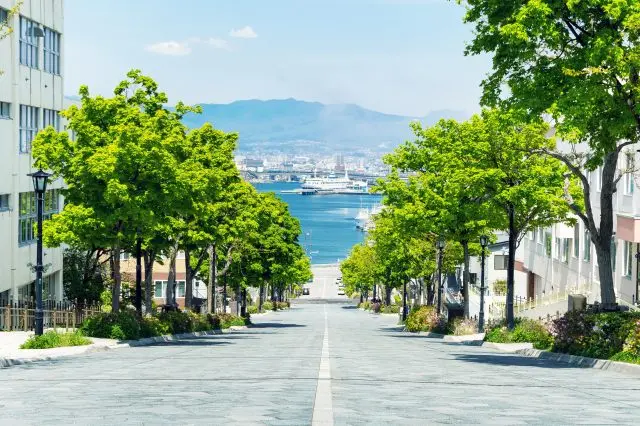
1. Hakodate (Hakodate City, Hokkaido)
Hakodate is a sightseeing city where the history of a port town and international culture overlap. Its development as a trading city began with the opening of the port in the mid-19th century.
As trade with Europe, the United States, and other countries around the world began, Western culture quickly flowed into Hakodate, giving rise to Japanese-Western historical buildings and food culture.
Highlights are spread across different areas, from the Western-style residences of Motomachi, where you can still feel those influences, to the night view from Mount Hakodate.
2. Lake Shikotsu (Chitose City, Hokkaido)
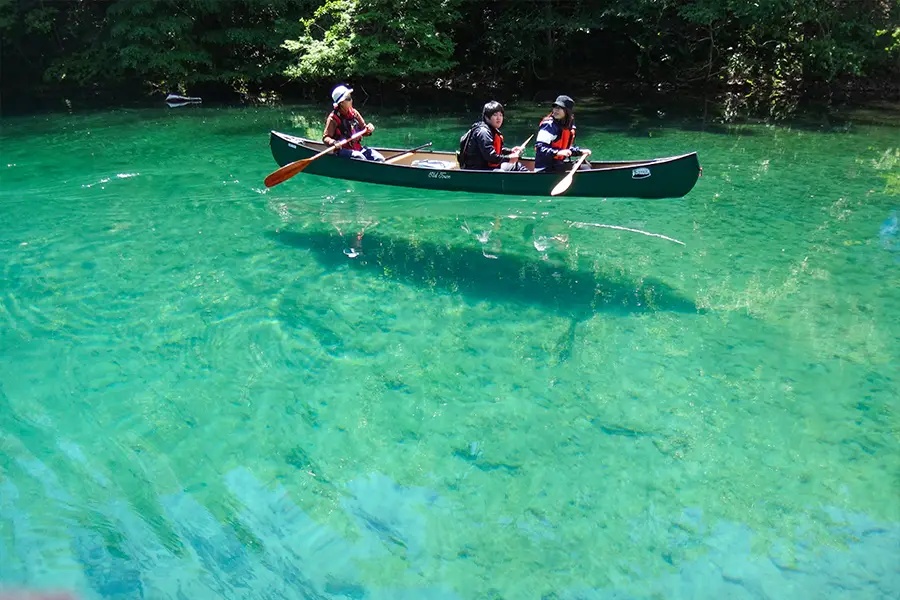
This caldera lake is surrounded by highly transparent water and rich nature. Located within Shikotsu-Toya National Park, it is a globally valuable geological heritage site formed by numerous volcanoes.
The greatest appeal of Lake Shikotsu, embraced by abundant nature, is the beautiful blue glow of its surface, known as Shikotsu Blue.
The lakeside area has hot spring resorts and facilities serving kokanee salmon dishes, so take your time exploring.
3. Biei (Biei Town, Kamikawa District, Hokkaido)
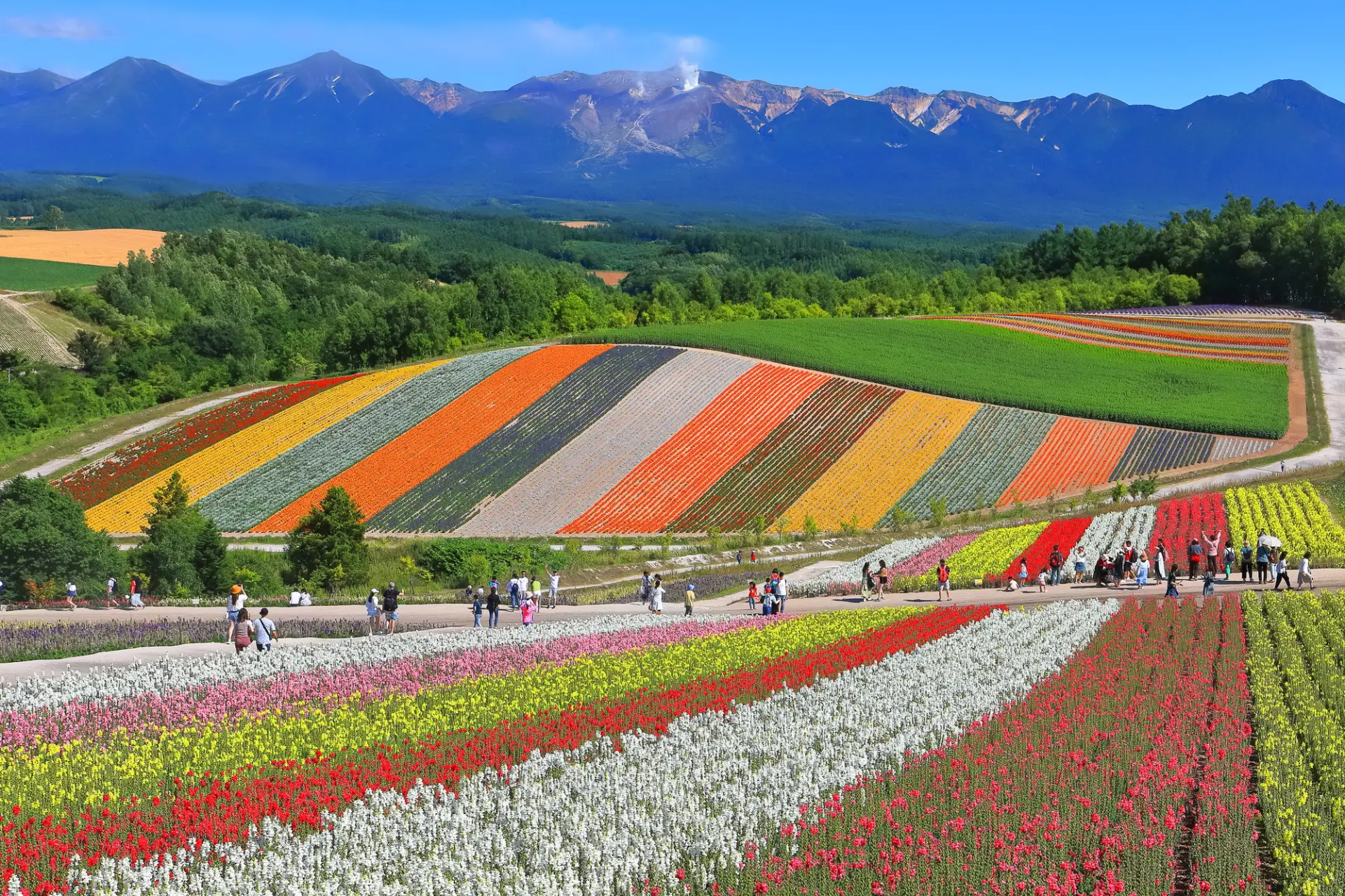
The rural scenery of rolling hills that changes with each season is truly one of Hokkaido’s most scenic views.
Set against the majestic Tokachi Mountain Range, Biei’s appeal lies in its beautiful natural landscape of vast, gently rolling hills.
The scenery changes dramatically by season, from spring flower fields to summer wheat fields and snowy winter views. The hilly area known as Patchwork Road is such a photogenic spot that it is often used as a visual symbol of Hokkaido travel.
This is also an area where you can enjoy spots such as Biei Shirogane Onsen.
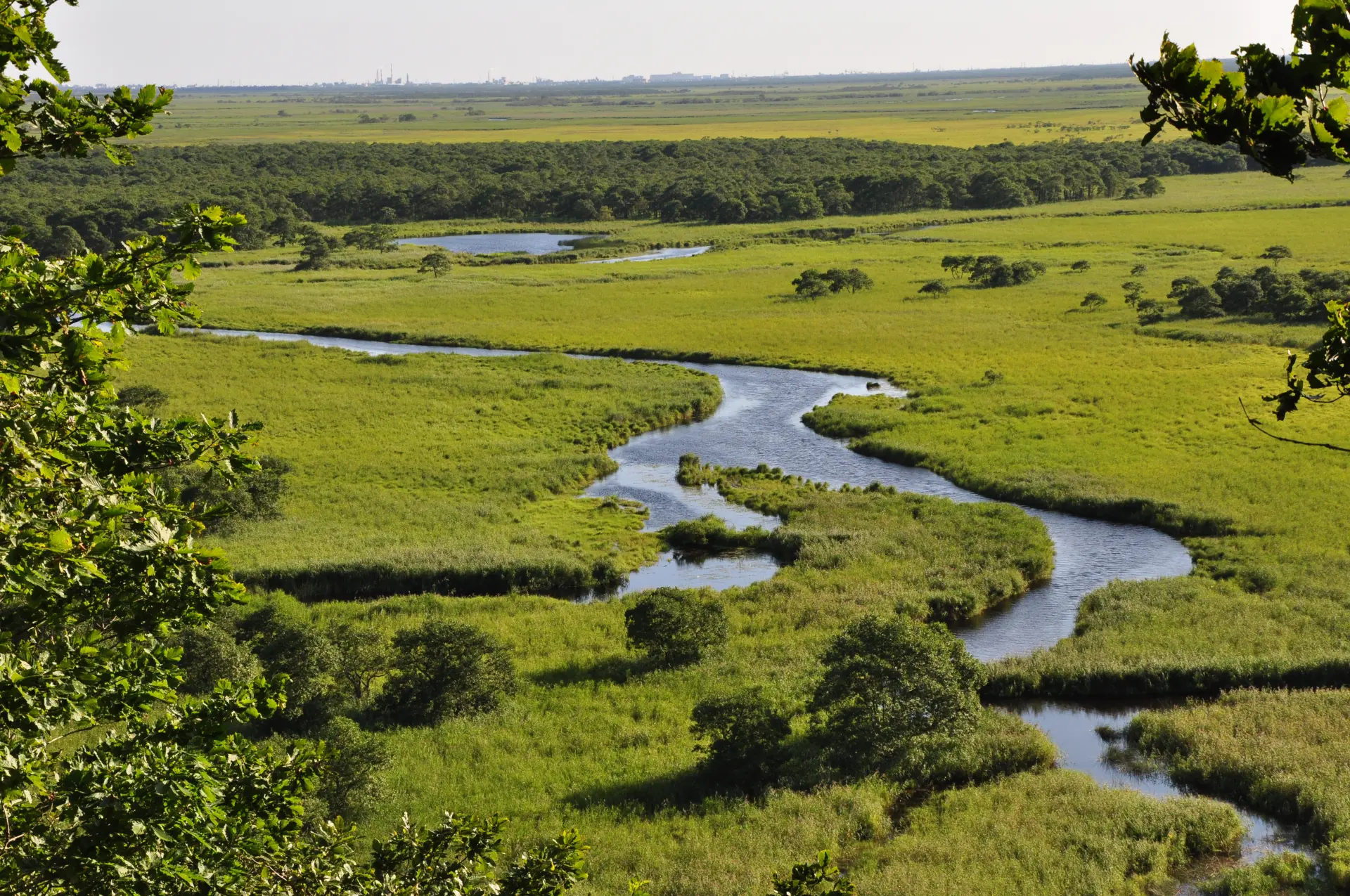
4. Kushiro Marsh (Kushiro City, Hokkaido)
Kushiro Marsh is known as one of the largest wetlands in Japan.
Including the surrounding hills, this vast area of Approx. 28,788 hectares is registered under the Ramsar Convention, the Convention on Wetlands of International Importance Especially as Waterfowl Habitat.
On several boardwalks developed around the marsh, you may have the chance to see animals in their natural state along the way. Surround yourself with grand nature at multiple observation points, including Hosooka Observatory and visitor centers.
Quiet Landscapes to Discover in Tohoku
In areas of Tohoku where nature and history are spread out, such as Oirase Stream, Yamadera, Hiraizumi, and Kakunodate, walking routes naturally divide the places people visit, making it easier to enjoy quiet moments.
It is the kind of trip where you can slow down in a calm atmosphere.
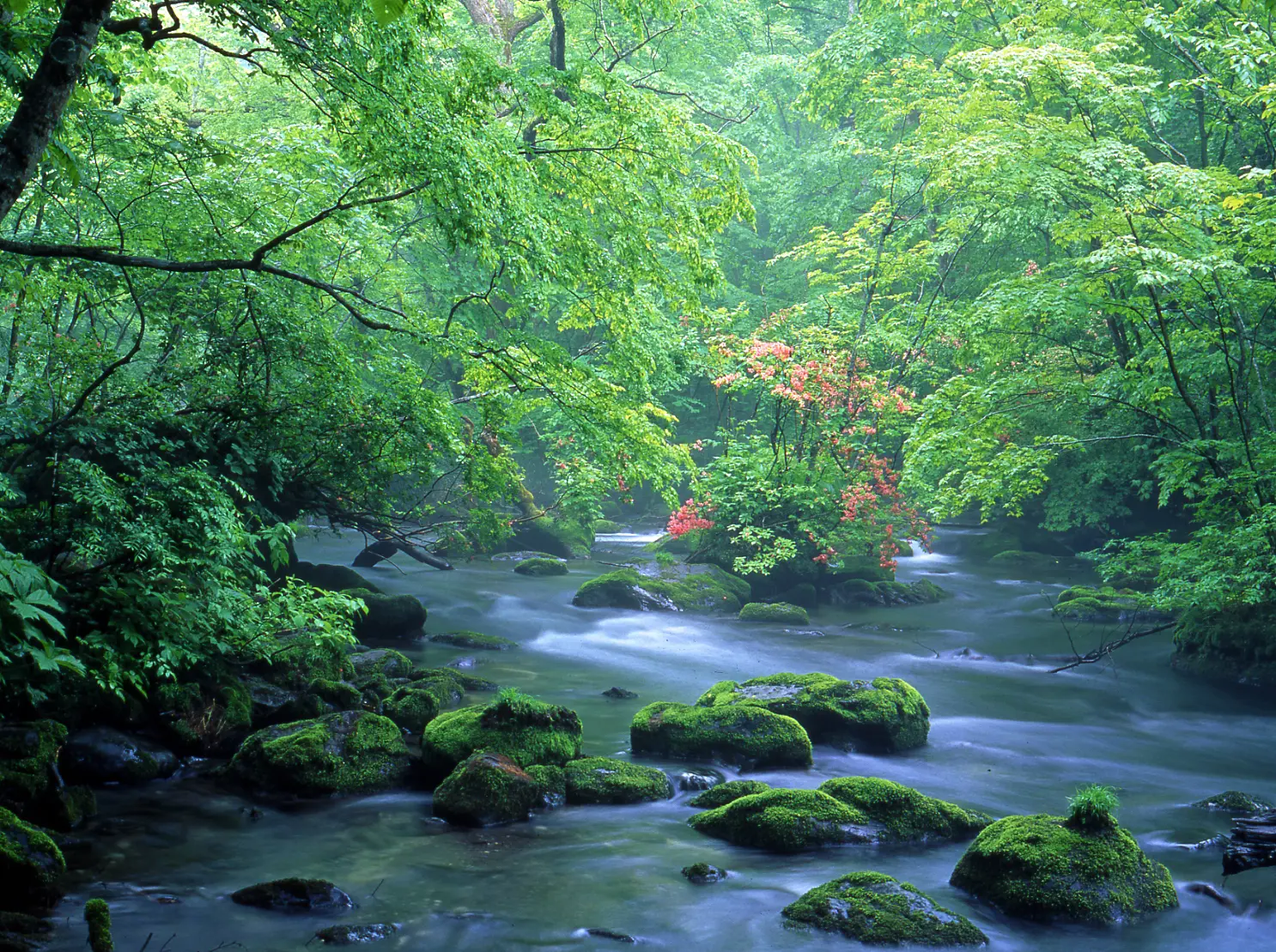
5. Oirase Stream (Towada City, Aomori Prefecture)
Oirase River flows out of Lake Towada. The section along the river’s flow for Approx. 14 km, from Nenokuchi, the outflow point of Lake Towada, to Yakeyama, is called Oirase Stream.
This scenic area has been awarded two stars in the Michelin Green Guide and is designated as a Special Place of Scenic Beauty and Natural Monument.
Walking the entire route takes Approx. 4 hours, but the path is well maintained and relatively flat, making it ideal for hiking.
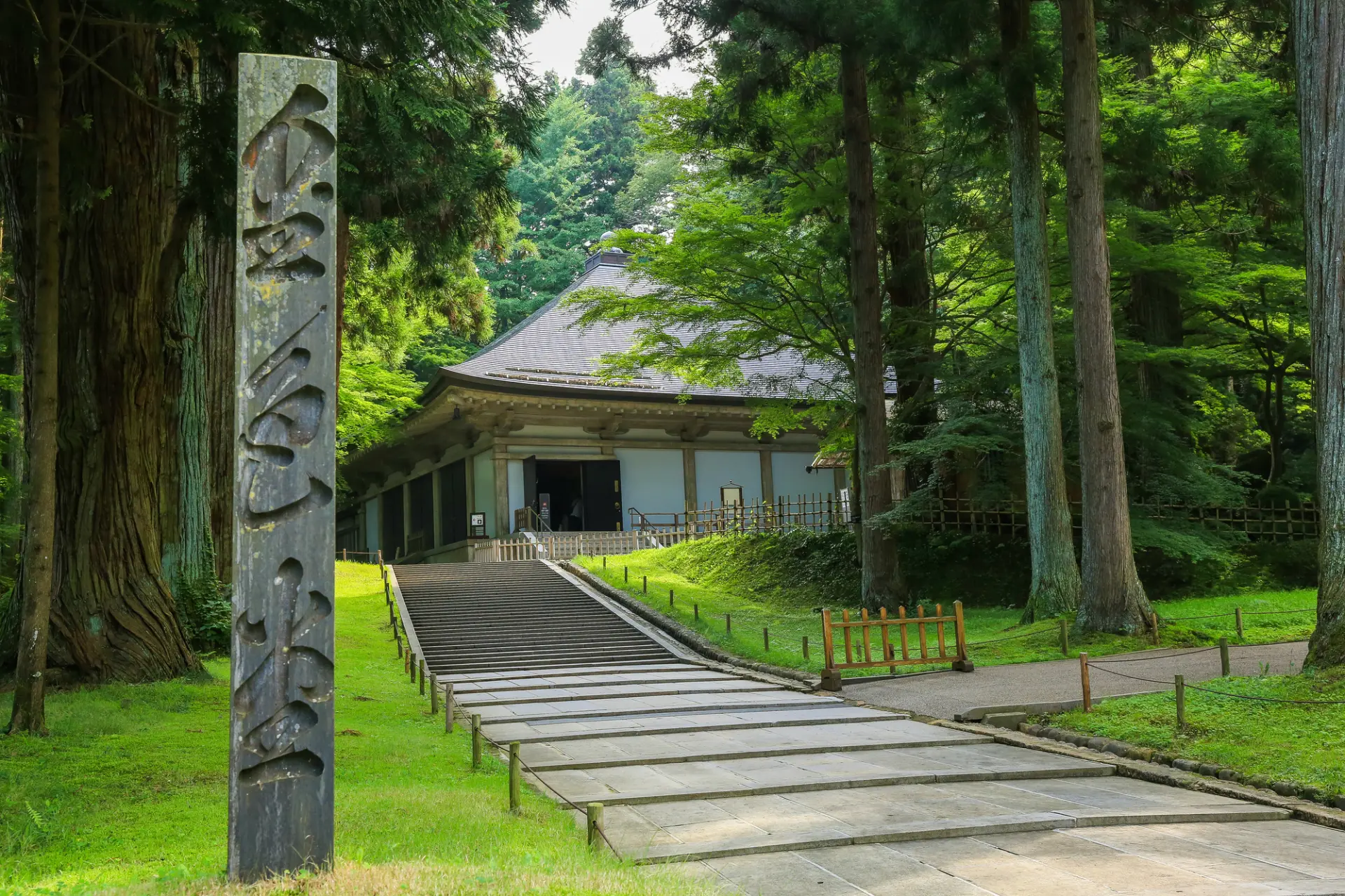
6. Hiraizumi (Iwate Prefecture)
Registered as a World Cultural Heritage Site under the name “Hiraizumi – Temples, Gardens and Archaeological Sites Representing the Buddhist Pure Land,” Hiraizumi consists of five assets, each preserving different gardens and architecture.
At its center is Chuson-ji Temple, which owns more than 3,000 National Treasures and Important Cultural Properties. It is especially famous for the National Treasure Konjikido Hall, decorated with gold leaf. It is designated as a Special Historic Site of Japan.
Other highlights are scattered throughout the area, including Motsu-ji Temple, which is designated both as a Special Historic Site and a Special Place of Scenic Beauty.
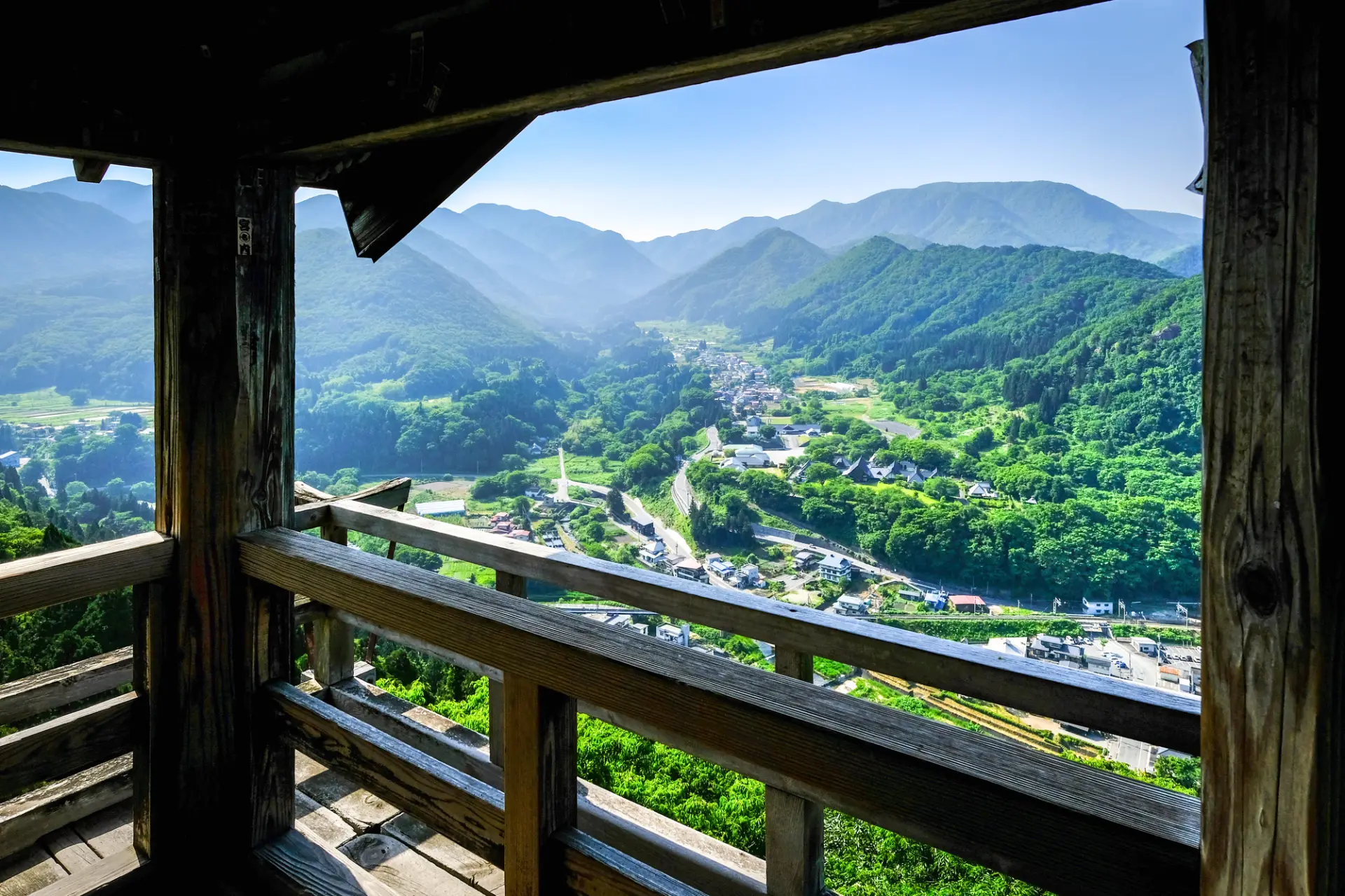
7. Yamadera (Hojusan Risshaku-ji Temple) (Yamagata City, Yamagata Prefecture)
This ancient temple has long been revered as a place where climbing its 1,015 stone steps to worship is believed to cut off bad ties. Known for its memorable stone steps through the mountain, Yamadera’s official name is Hojusan Risshaku-ji Temple.
Matsuo Basho’s famous haiku, “How still it is—cicadas’ voices sink into the rocks,” was composed at this temple. The scenery changes by season, with fresh spring greenery, autumn leaves, and snowy winter landscapes. Climb all the steps with the local specialty chikara konnyaku as your companion.
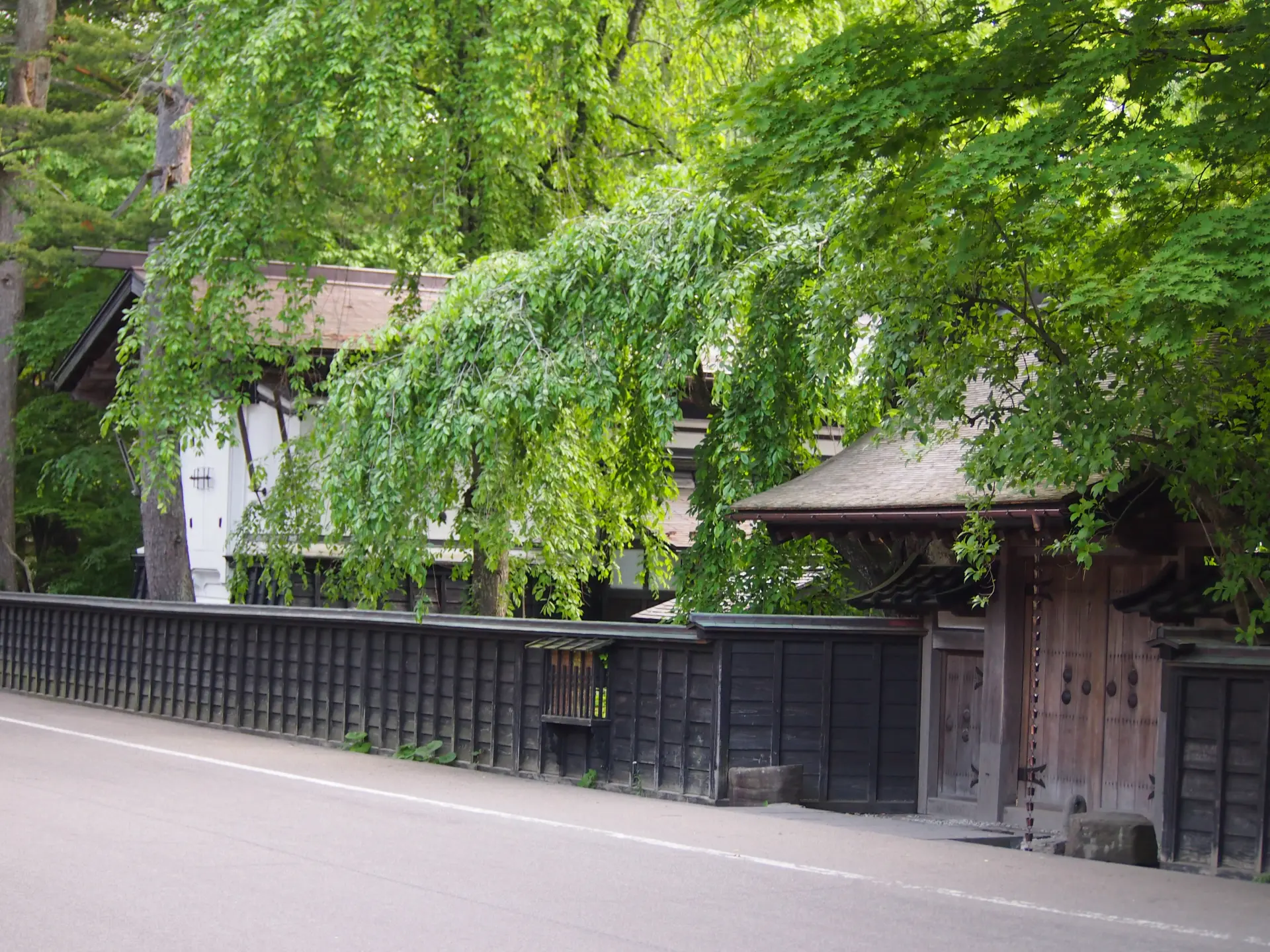
8. Kakunodate Samurai Residences (Semboku City, Akita Prefecture)
This preservation district retains the town layout and samurai residences of the Edo period. Developed around 1620, it is designated as an Important Preservation District for Groups of Traditional Buildings.
There are many samurai residences, but one of the most famous is Kakunodate Historical Village Aoyagi House, which is also designated as a cultural property of Akita Prefecture.
This was the residence of the Aoyagi family, once powerful retainers of the Ashina clan. Visitors can see not only the buildings but also weapons and artworks that have been preserved through generations.
Head out for a walk through town while feeling the atmosphere of the Edo period.
9. Zao Onsen (Yamagata City, Yamagata Prefecture)
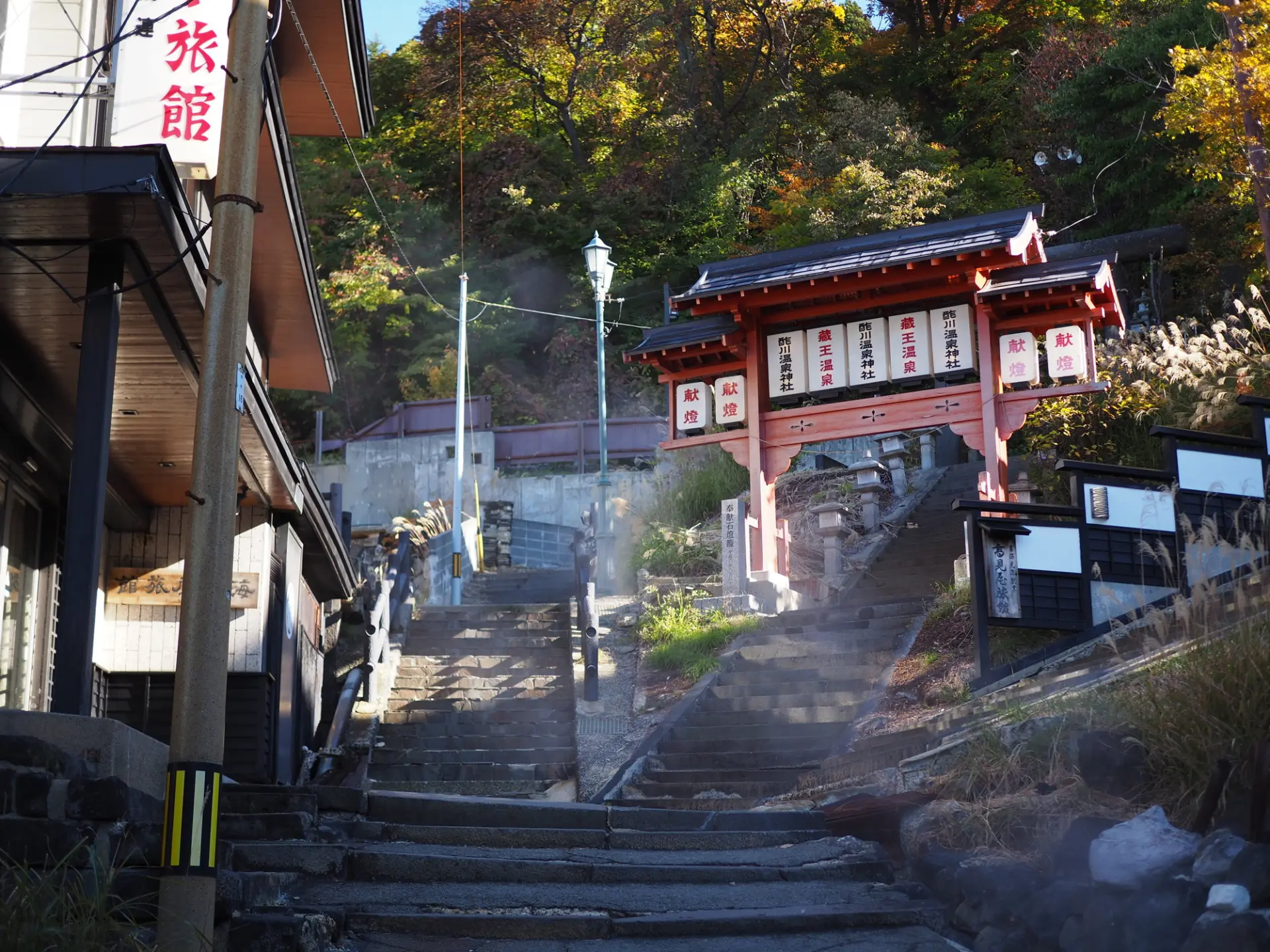
Zao Onsen is a mountain hot spring area where hot spring facilities and the natural environment come together. With a history of more than 1,900 years since its opening, it is known for strongly acidic sulfur spring water.
Part of Zao Onsen’s appeal is that the surrounding area has spots with majestic natural scenery and offers activities that make the most of nature.
Enjoy Zao beyond winter, from Okama, a crater lake, to ropeways with sweeping views.
Simple Yet Profound Scenery in Chugoku and Shikoku
In Chugoku and Shikoku areas where nature and history are spread out, such as Iwami Ginzan Silver Mine, Shimanto River, Iya Valley, Akiyoshidai, and Hagi, each place reveals a different character, and the more you explore, the more naturally people disperse.
You can tour at a relaxed pace while enjoying the changing scenery.
10. Iwami Ginzan Silver Mine Omori Area and Ginzan Area (Oda City, Shimane Prefecture)
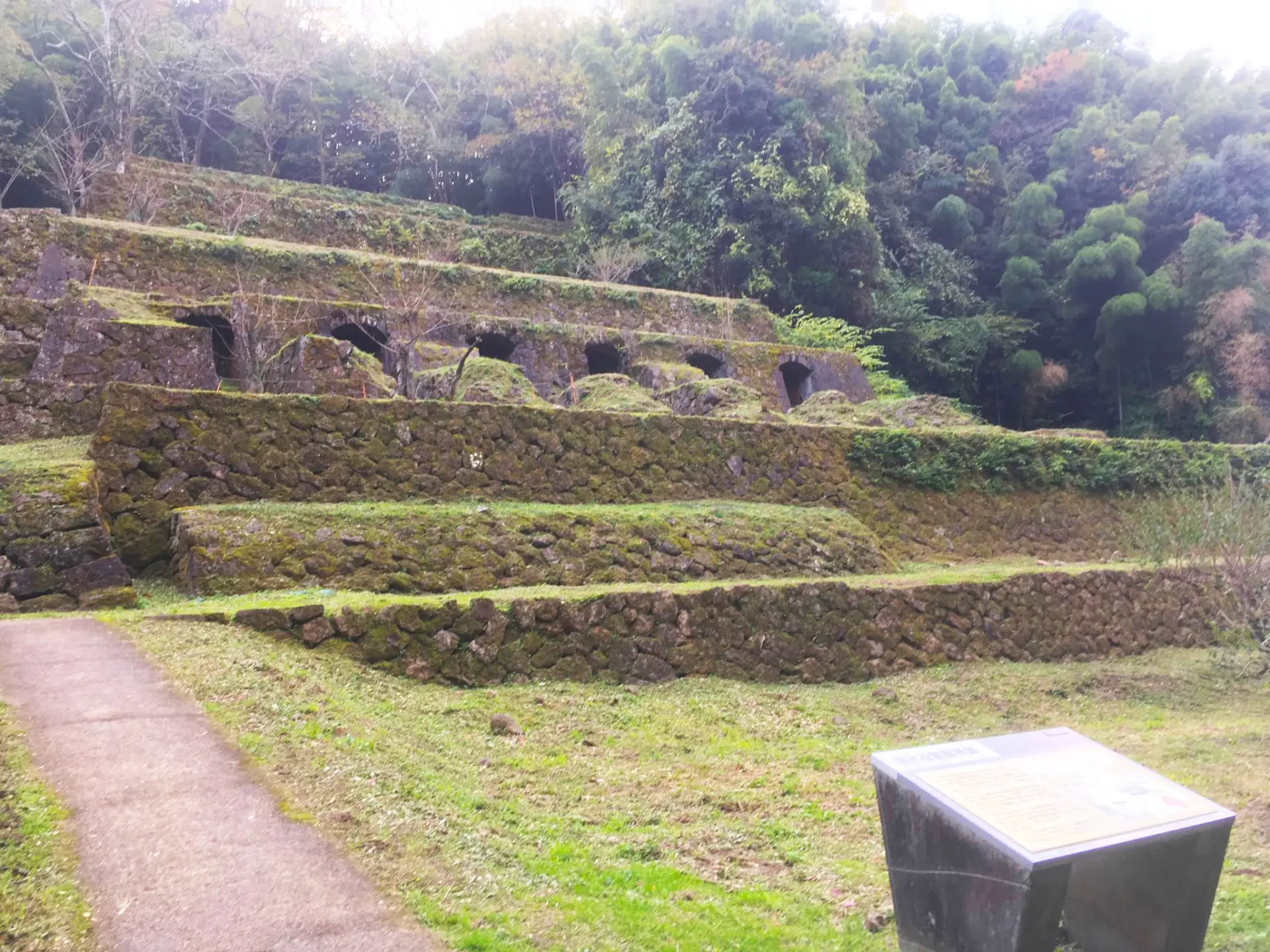
Iwami Ginzan is a World Heritage mining site with mining remains and historic townscapes. Mining continued here from the Sengoku period through the Taisho period, and the area still conveys traces of the many people who once lived there.
Main highlights are spread across the Omori District, which served as the political and economic center, and the Ginzan District, where mining through smelting was carried out. Between the Omori and Ginzan districts is the Iwami Ginzan Omori Tourist Information Center. Start there to learn about the history of the silver mine before heading out for a walk.
11. Hagi (Hagi City, Yamaguchi Prefecture)
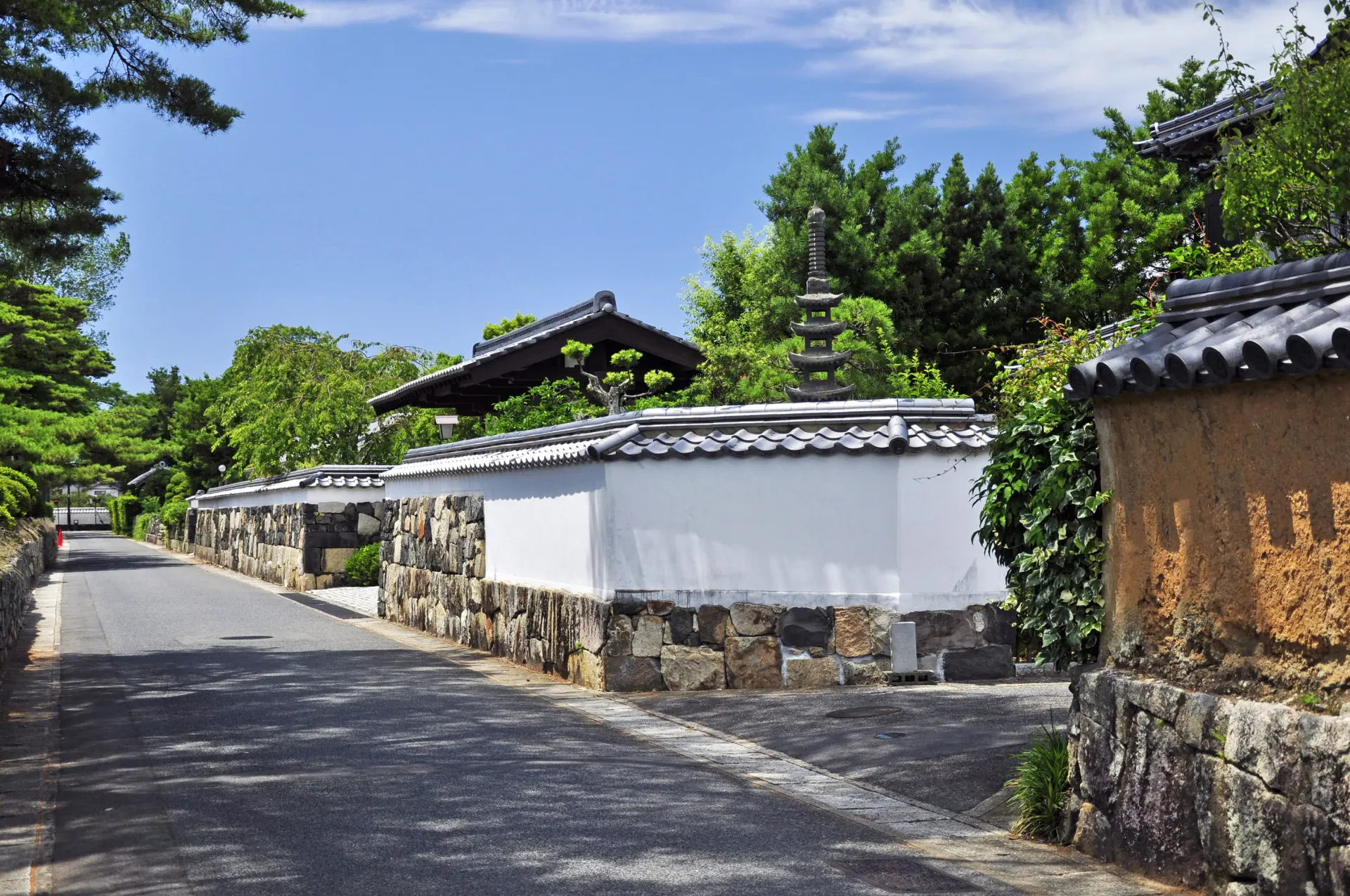
Hagi is a historic city where the atmosphere of a castle town and natural scenery remain. It flourished as the base of the Mori clan during the Edo period, and its town layout still survives today.
The atmospheric castle town streets, lined with the ruins of Hagi Castle, samurai residences, and merchant houses, are a popular sightseeing spot. Nearby, historical heritage sites that make up the World Heritage Site “Sites of Japan’s Meiji Industrial Revolution” are scattered throughout the area, making it a good destination for a history-focused learning trip.
12. Shimanto River (Shimanto City and other areas, Kochi Prefecture)
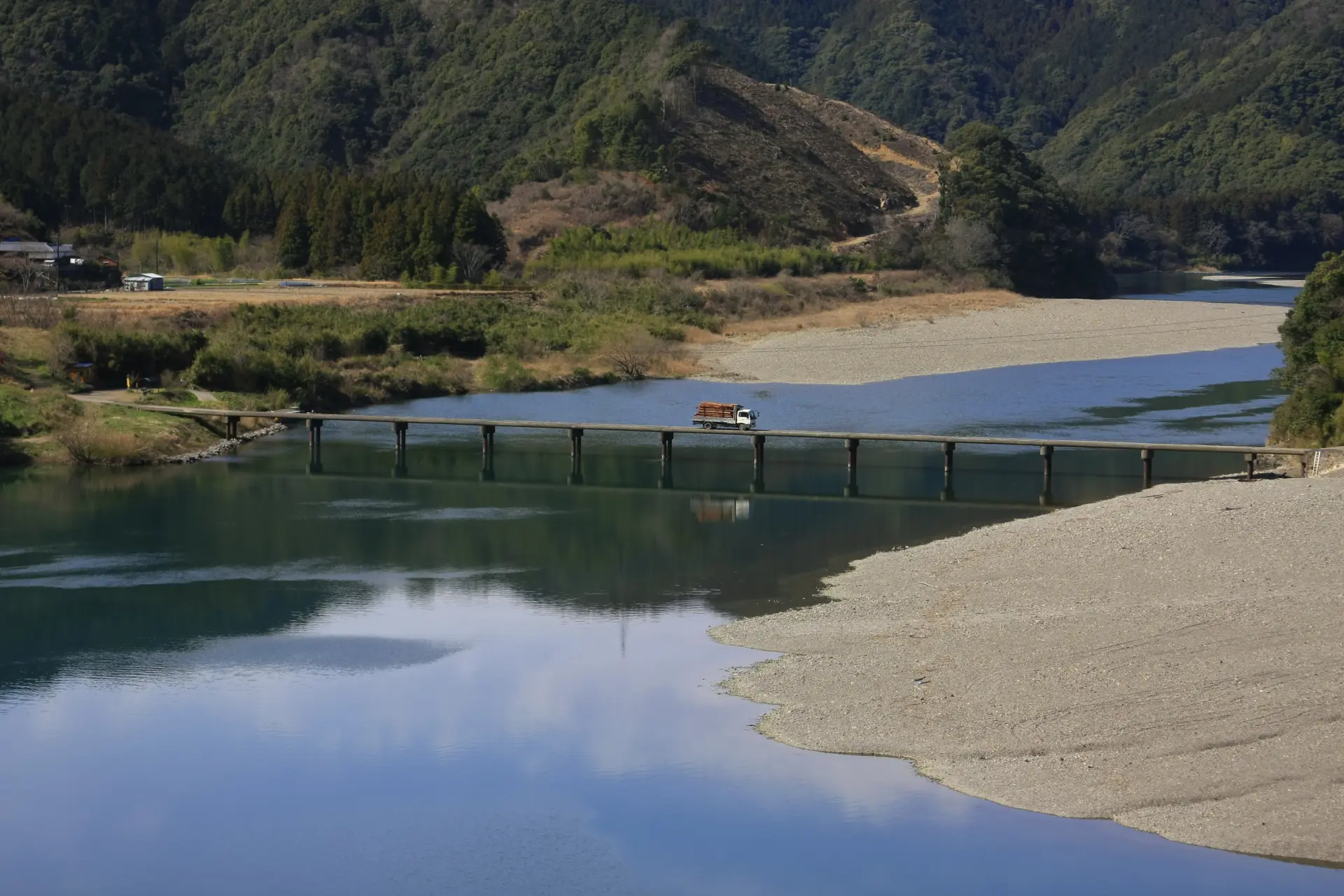
Shimanto River flows through Shikoku for a total length of 196 km. Known as “Japan’s last clear stream,” it offers beautiful natural scenery in every season.
There are 48 low-water crossings in the basin, characterized by structures designed to submerge during floods. The longest, Sada Low-Water Crossing, measures 291.6 m. Crossing a bridge with no railings, where the river feels close at hand, is an experience in itself.
It is a sacred destination in Shikoku where you can relax freely amid abundant nature.
13. Iya Valley (Miyoshi City, Tokushima Prefecture)
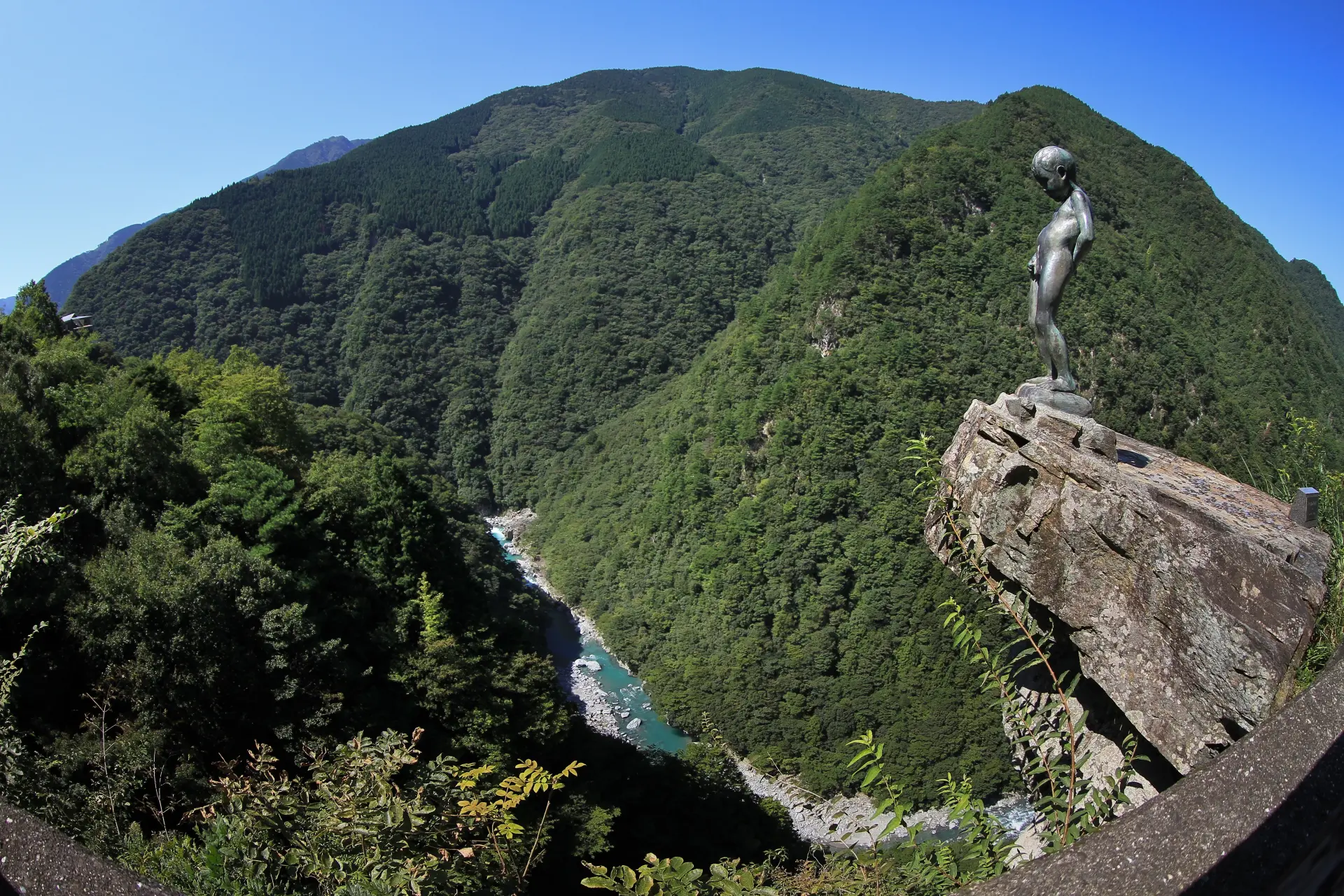
Iya Valley is a mountain gorge of deep valleys and steep terrain. V-shaped valleys tens to hundreds of meters deep continue for Approx. 10 km, creating scenery that truly deserves to be called a hidden region.
Among its sights, the Manneken Pis statue standing at the edge of a cliff and appearing to relieve itself toward the gorge is a surreal scenic view. The Iya Kazurabashi Bridge, counted among Japan’s three unusual bridges, is a thrilling bridge made only of woven plants.
With lush greenery, surreal scenery, and plenty of thrills, this is truly one of Japan’s hidden destinations.
14. Akiyoshidai (Mine City, Yamaguchi Prefecture)
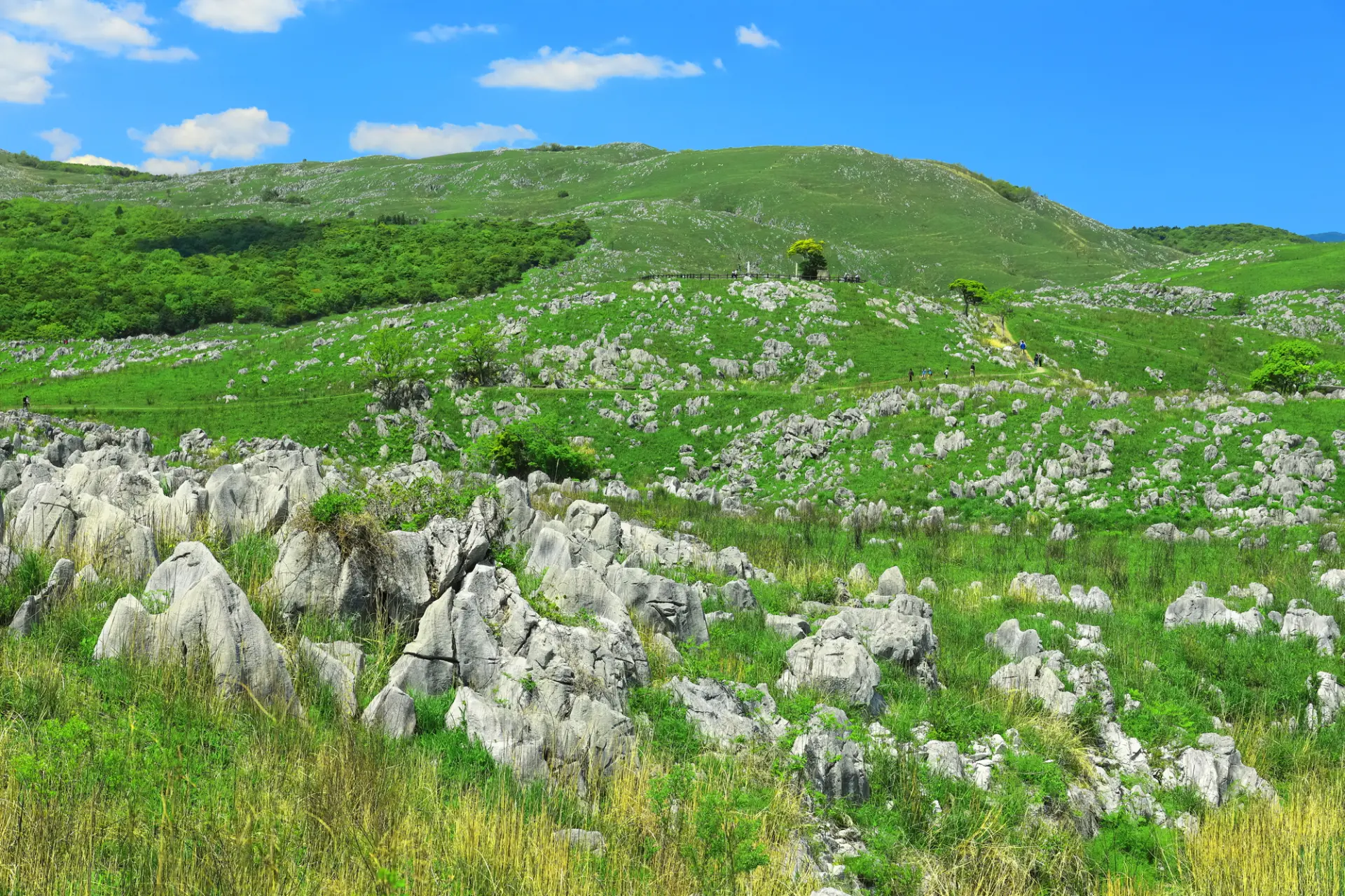
Akiyoshidai is known as one of Japan’s largest karst plateaus. A karst plateau is a plateau formed when limestone and similar rock are eroded by rain and groundwater.
This impressive spot features limestone emerging here and there across a vast area at an elevation of 200–400 m and covering Approx. 130 sq km.
Underground, there are said to be more than 450 limestone caves, including Akiyoshido Cave, a Special Natural Monument, and Kagekiyo-do and Taisho-do, both Natural Monuments. These mysterious spaces are also must-sees.
Grand-Scale Nature in Kyushu
In Kyushu areas where nature shaped by volcanoes and the sea spreads out, such as Aso, Takachiho Gorge, Amakusa, Kirishima, and Aoshima, highlights extend over a wide area, so you can enjoy them without staying in just one place.
Time flows freely amid nature on a grand scale.
15. Takachiho Gorge (Takachiho Town, Nishiusuki District, Miyazaki Prefecture)
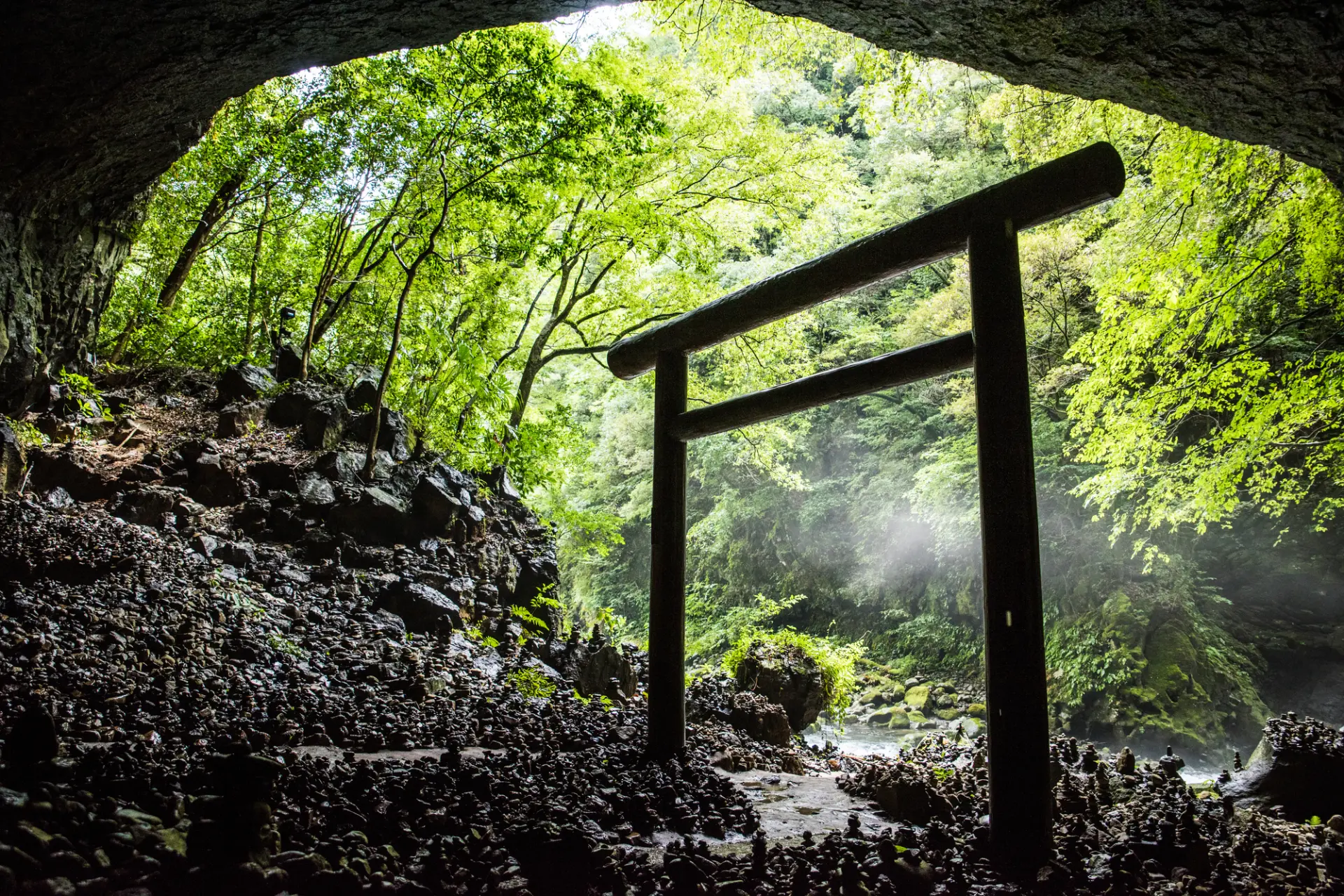
Takachiho Gorge offers a dramatic canyon landscape of cliffs and waterfalls. Formed by erosion from the Gokase River, its cliffs average 80 m high and continue for Approx. 7 km.
It is characterized by beautiful natural scenery on an impressive scale, and its appeal lies in letting you physically feel the grandeur of nature. The area is also known as the setting of the Amano-Iwato and Tenson Korin myths.
Visit in person to see this mystical landscape embraced by nature.
16. Aso (Aso City, Kumamoto Prefecture)
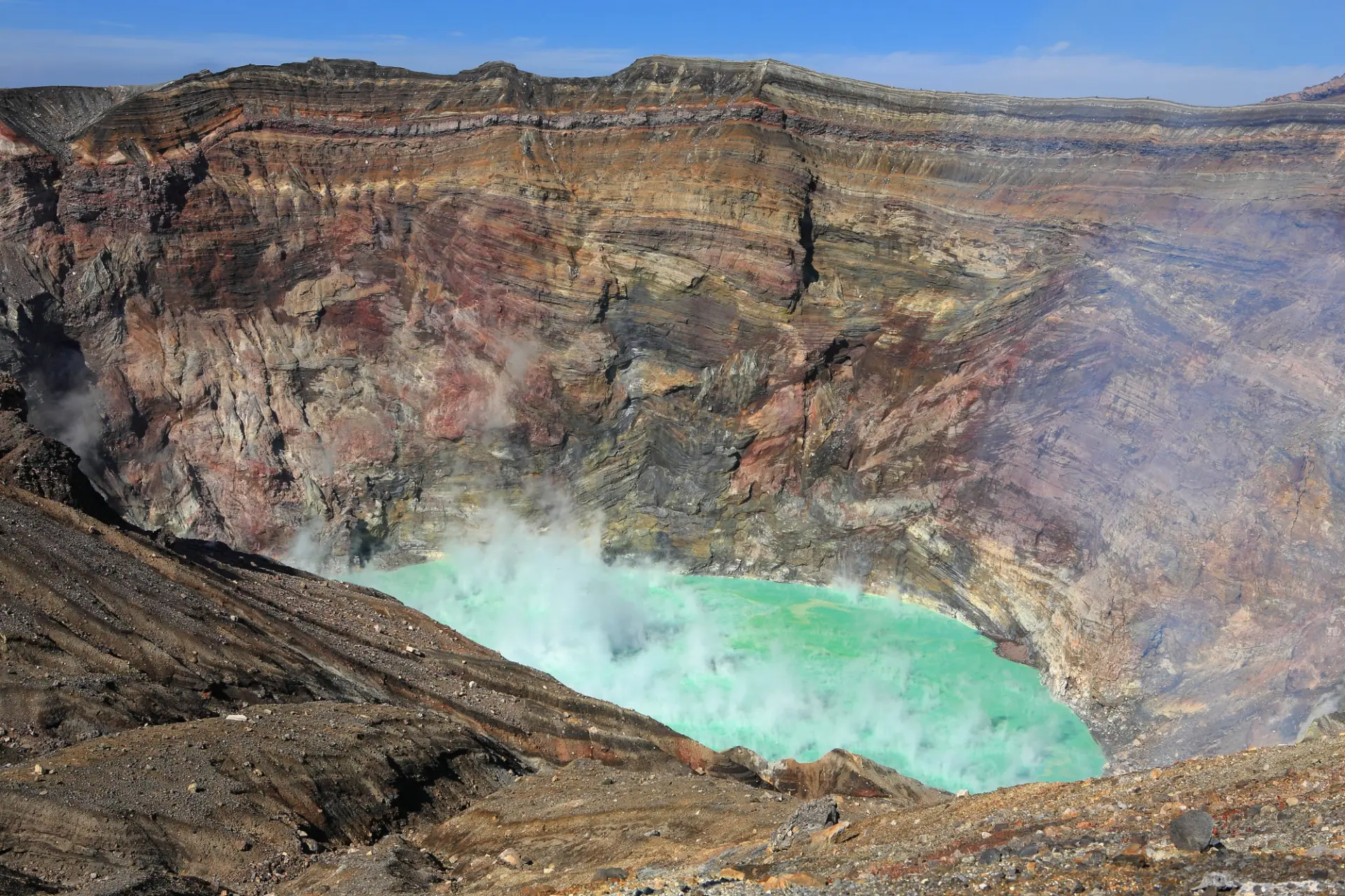
Aso is a region formed by volcanic activity and a symbol of Kumamoto, the Land of Fire. Mount Aso has one of the world’s largest calderas, surrounded by an outer rim of mountains.
Within the vast caldera, which extends 25 km north to south, 18 km east to west, and covers Approx. 350 sq km, there are living areas with city districts and railways.
There is no shortage of highlights, including viewing an active crater, the panorama from Daikanbo over landforms created by volcanic activity, and the vast grassland of Kusasenri.
17. Amakusa (Amakusa City, Kumamoto Prefecture)
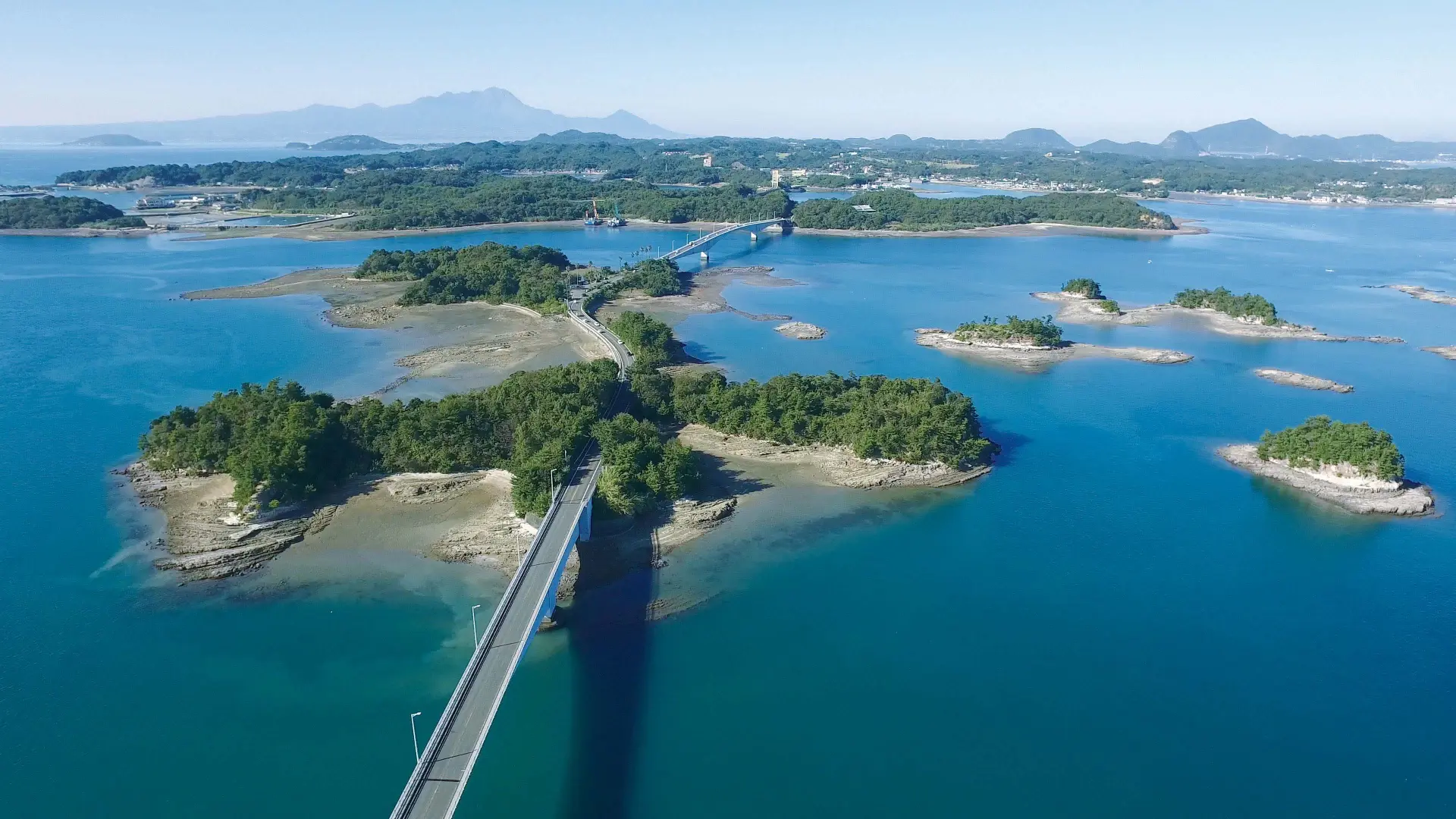
Amakusa is a complex archipelago area made up of islands of various sizes and surrounding seas. It is connected to mainland Kyushu by five bridges known as the Amakusa Five Bridges, or Pearl Line, and can be accessed by both air and land.
Composed of more than 120 islands, the area’s highlights include ria coastlines and coral reef seas. It also offers a wide range of marine activities, such as dolphin watching and diving.
Facilities related to the World Cultural Heritage Site “Hidden Christian Sites in the Nagasaki Region,” including Amakusa, are also scattered throughout the area, satisfying interests in culture and history.
18. Aoshima (Miyazaki City, Miyazaki Prefecture)
Aoshima is one of Kyushu’s top resort areas. One of the area’s appeals is that the sea, mountains, and rivers are close together, so the scenery can change dramatically after only a short trip.
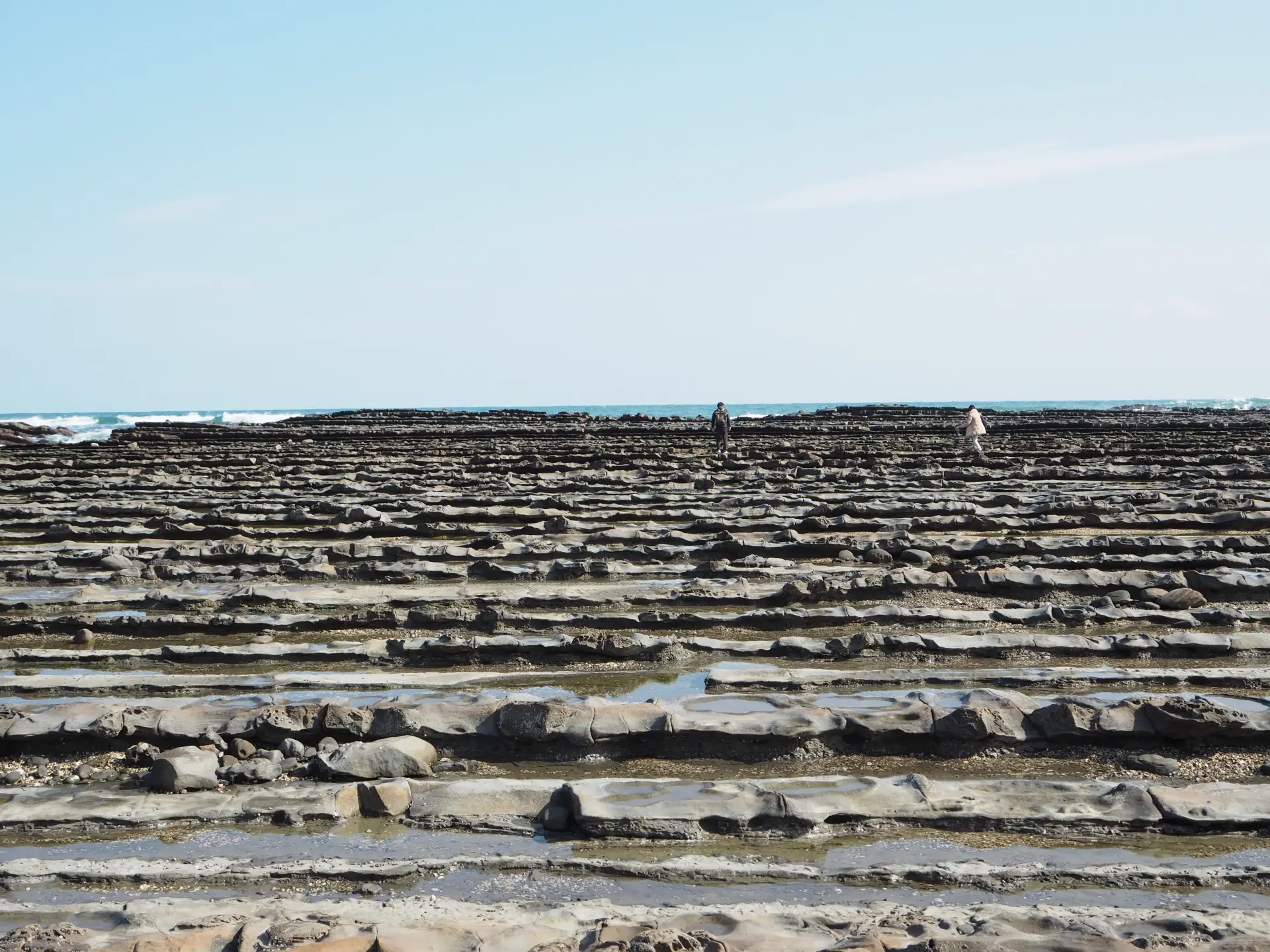
At its center is Aoshima, a small island with a circumference of 1.5 km. It is a mystical island said to have once been the setting of myths. In addition to Aoshima Shrine, which stands at the center of the island, and the coastal scenery of Oni no Sentakuita, the “Devil’s Washboard,” where you can sense the wonder of forms created by nature, mountain activities at places such as Kaeda Valley and Mount Boroishi are also nearby. The wide range of activity options is part of this area’s appeal.
19. Kirishima (Kirishima Jingu Shrine) (Kirishima City, Kagoshima Prefecture)
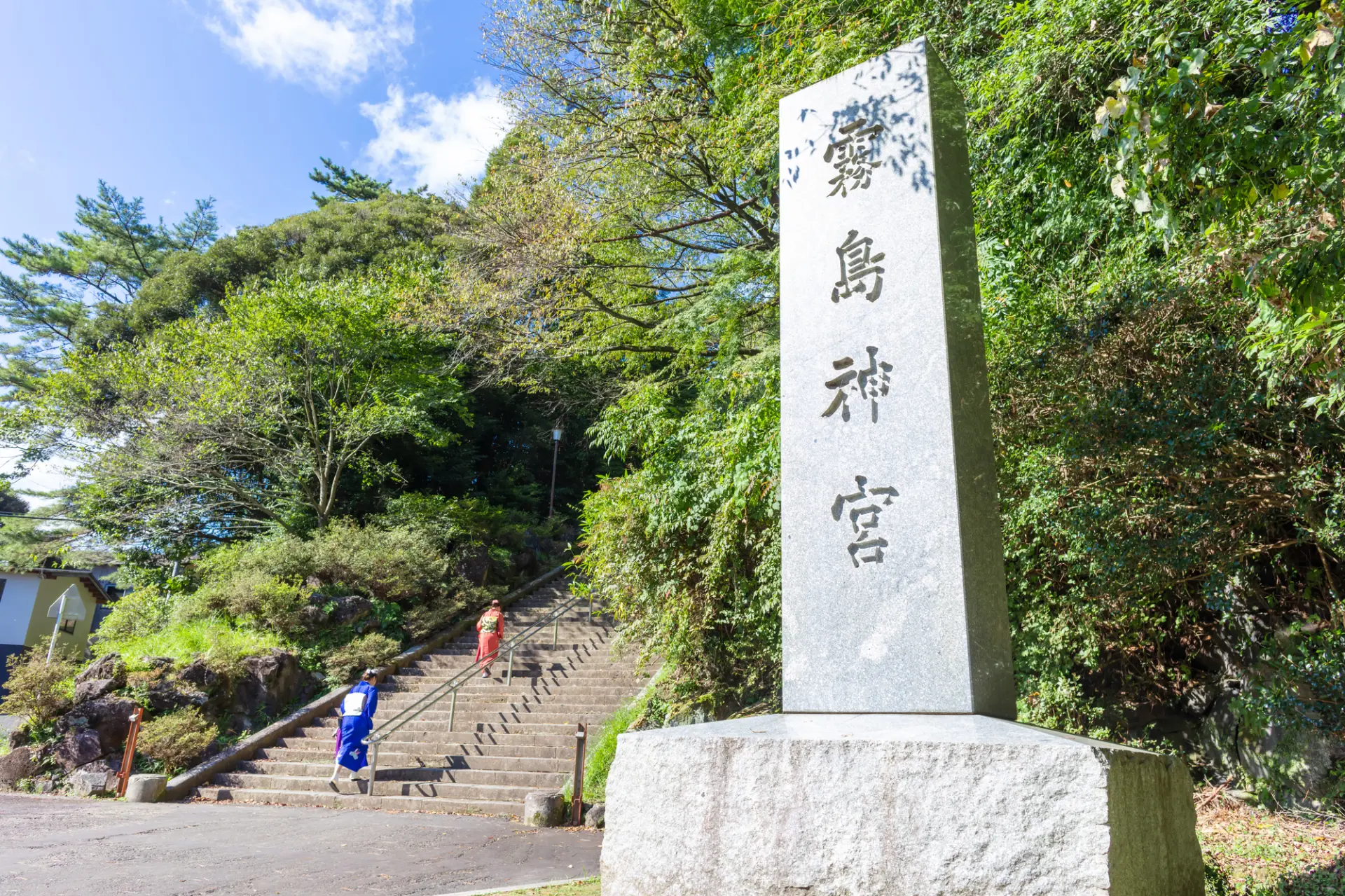
Kirishima is a sacred place where mythology and the history of volcanic activity overlap. Its symbol is Kirishima Jingu Shrine, said to have been founded in the 6th century. After repeated destruction and reconstruction due to eruptions of Mount Kirishima, it was moved to its current location more than 500 years ago.
It is also known for having sazare-ishi, the pebble-like stone mentioned in Japan’s national anthem, Kimigayo.
After visiting the shrine, you can spend a relaxing time in Kirishima Onsen-kyo, the collective name for nine hot spring areas in Kirishima.
Okinawa’s Sea and Island Life
In Okinawan areas where the sea and daily life stretch out, such as Ishigaki Island and Yomitan Village, beaches, villages, and experiences are spread out, naturally dispersing visitors. Let yourself ease into the unique rhythm of island time.
20. Yomitan Village (Yomitan Village, Nakagami District, Okinawa Prefecture)
Yomitan is a village in central Okinawa Island where the coastline and craft culture coexist. With a population of more than 42,000, it is known as the most populous village in Japan.
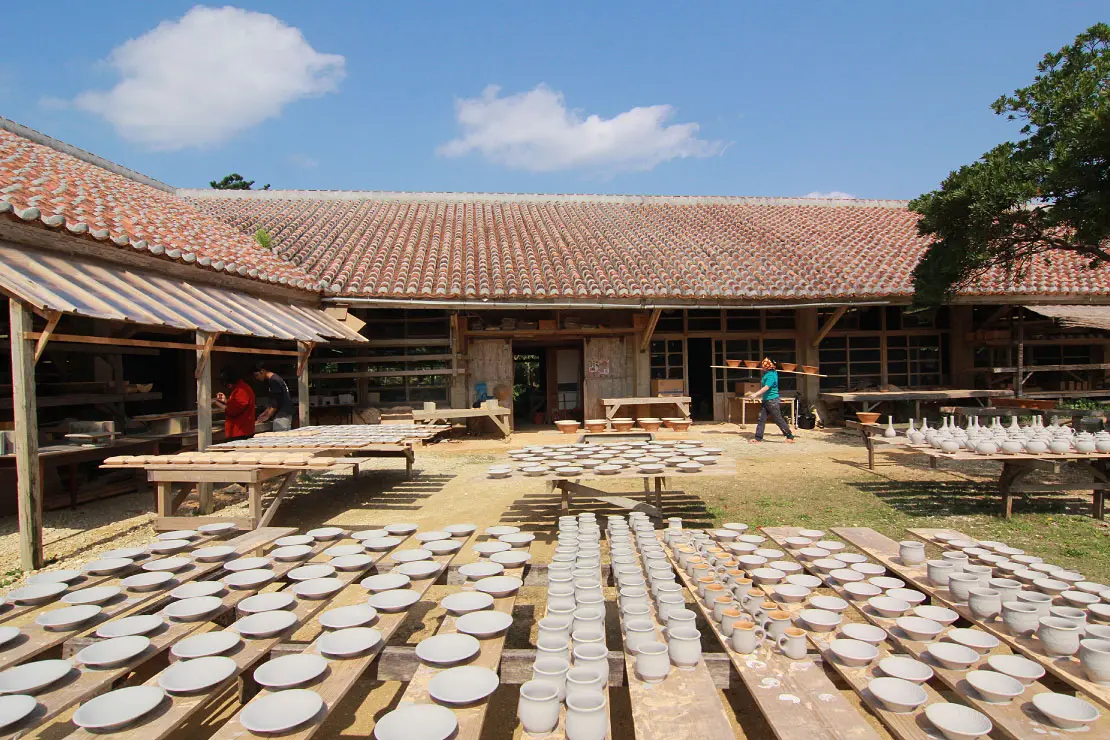
Located Approx. 1 hour by car from Naha, it is also famous as a pottery-producing area with more than 70 yachimun pottery kilns.
Of course, it also has Okinawa-like emerald-green seas and white-sand beaches, along with plenty of activities. Fully enjoy the industries that support Okinawan life and the appeal of the sea.
21. Ishigaki Island (Ishigaki City, Okinawa Prefecture)
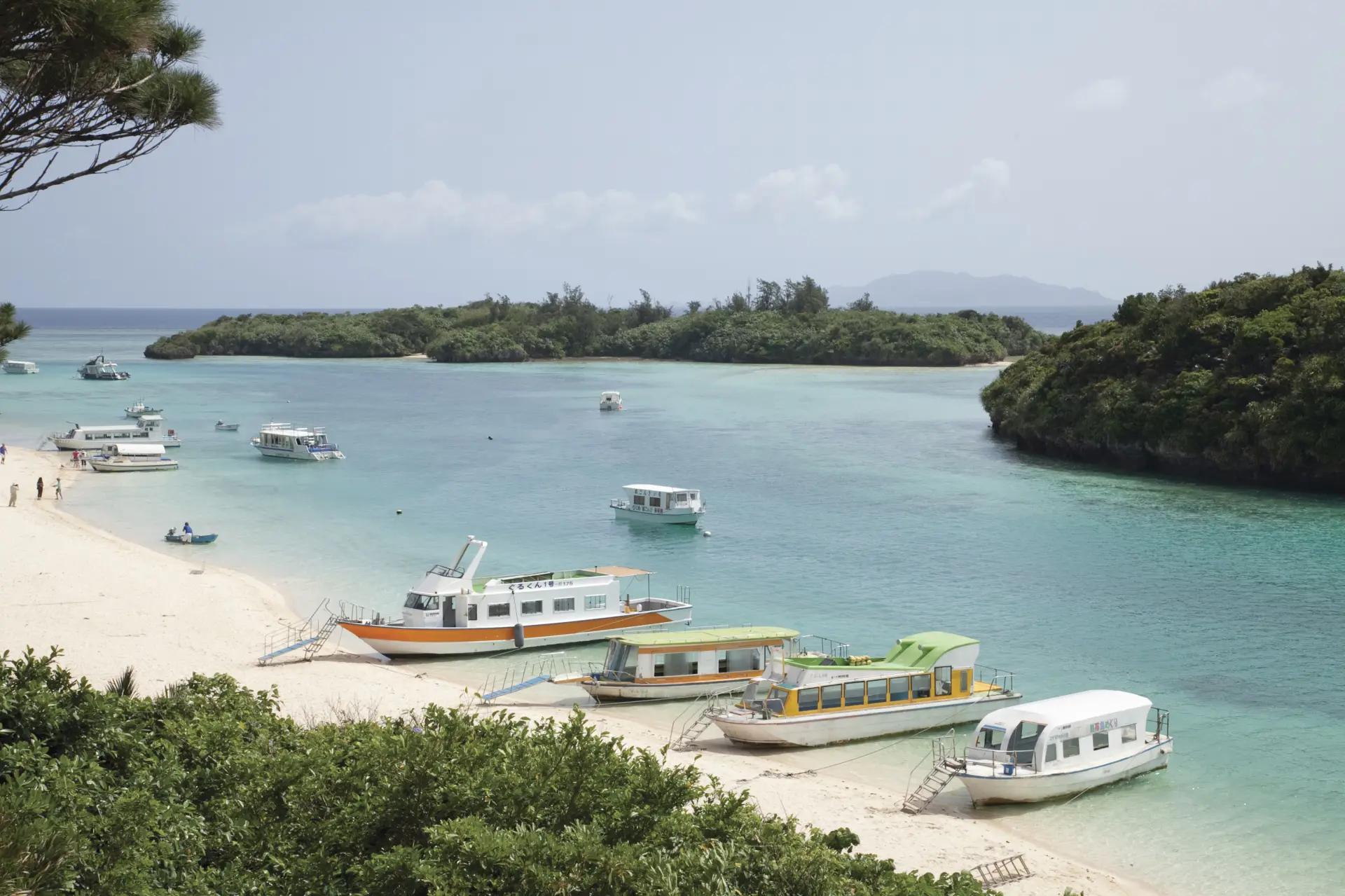
Ishigaki Island, the main island of the Yaeyama Islands, is blessed with a rich natural environment and marine resources. After Okinawa Island and Iriomote Island, it is the third-largest island in the prefecture, known for its warm subtropical climate and highly transparent waters.
Ishigaki’s seas, including Kabira Bay, admired for its beauty known as Kabira Blue, are popular with divers, partly because manta rays and sea turtles can sometimes be seen there.
Spend a rich, unhurried time on this remote island located Approx. 400 km southwest of Okinawa Island.
5 Tips for Avoiding Golden Week Crowds
Golden Week travel often has a strong image of crowds, but how comfortable it feels depends on how you choose your destination. Here are tips for enjoying your trip while skillfully avoiding the flow of people, along with the spots featured in this article.
1. Choose places you can enjoy across a wide area, not places where everyone gathers in one spot
At famous sightseeing destinations, people inevitably tend to gather in one place. If you choose places where highlights are spread across a wide area, such as lakes, wetlands, and islands, the flow of people naturally disperses. In areas you can enjoy while moving around, it is easier to relax even during the same busy season.
2. Choose places you can enjoy while walking or moving around
Rather than a single-path spot or one facility, places you can enjoy while walking or moving around tend to feel less crowded. Choosing places where you can spend time in motion, such as town walks and nature trails, makes your stay more comfortable.
3. Look just beyond the standard sightseeing spots
One option is to look not at the popular spot itself, but at the surrounding area. Even within the same region, moving just a little away can make a big difference in the number of people. You may find places where you can enjoy the atmosphere and spend time calmly.
4. Choose places where you can stay longer
Places that can be seen in a short time tend to have frequent turnover and get crowded more easily. If you choose places where you can stay longer, whether by relaxing in nature or enjoying experiences and meals, the flow of people varies by time of day, making it easier to spend time calmly.
5. Shift your visit slightly away from busy hours
Even in the same place, changing your visit time slightly can make a big difference. By avoiding peak hours, such as going early in the morning or in the evening, you can often find times with fewer people. Adjusting your schedule within a reasonable range is also effective.
Summary
Golden Week travel is often thought of as something where crowds are unavoidable, but that impression can change greatly with just a small shift in where you go and how you spend your time.
If you choose places where highlights are spread out over a wide area or areas you can explore on foot, you can create time to enjoy the trip at your own pace, without being bound by the flow of people.
Use the spots introduced here as hints to find a trip that feels comfortable and easy to enjoy.